
Endangered Butterfly Habitats: Powerful Protection Tips

Quick Summary:
Protecting endangered butterfly habitats means creating safe places where these beautiful creatures can thrive. You can help by planting native wildflowers, reducing pesticide use, and supporting local conservation efforts. Even small actions in your backyard can make a big difference in preserving these vital habitats for future generations.
Butterflies, with their vibrant colors and delicate wings, are more than just pretty insects. They’re vital pollinators, playing a crucial role in our ecosystems. Sadly, many butterfly species are facing habitat loss and other threats, pushing them closer to endangerment. It can feel overwhelming, but the good news is that we can all take simple, effective steps to help.
This guide will walk you through understanding the threats to butterfly habitats and show you exactly what you can do, from your own garden to supporting broader conservation efforts. Let’s create havens where these incredible creatures can flourish!
Understanding the Threats to Endangered Butterfly Habitats

Before we dive into solutions, it’s important to understand why butterfly habitats are disappearing. Several key factors contribute to this problem:
Habitat Loss and Fragmentation
This is the biggest threat. As land is cleared for agriculture, housing, and industry, butterfly habitats are destroyed or broken up into smaller, isolated patches. This makes it difficult for butterflies to find food, mates, and suitable places to lay their eggs. According to the National Wildlife Federation, habitat loss is the primary driver of species decline.
Pesticide Use
Pesticides, especially insecticides, are designed to kill insects. Unfortunately, they don’t discriminate between pests and beneficial insects like butterflies. Even pesticides that are not directly sprayed on butterflies can contaminate their food sources and water, leading to illness or death. Neonicotinoids, a class of insecticides, are particularly harmful to pollinators, including butterflies, as documented by the Xerces Society.
Climate Change
Climate change is altering weather patterns, causing more frequent and severe droughts, floods, and heatwaves. These extreme events can devastate butterfly habitats and disrupt their life cycles. Changes in temperature and rainfall can also affect the availability of host plants, the specific plants that butterfly larvae (caterpillars) need to feed on. Research from the Smithsonian Institution shows the impact of climate change on insect populations is a growing concern.
Invasive Species
Invasive plants can outcompete native wildflowers and grasses that butterflies rely on for food and shelter. Invasive insects can also prey on butterfly larvae or compete with them for resources. The introduction of non-native species can disrupt the delicate balance of the ecosystem and harm butterfly populations.
Identifying Endangered Butterfly Habitats
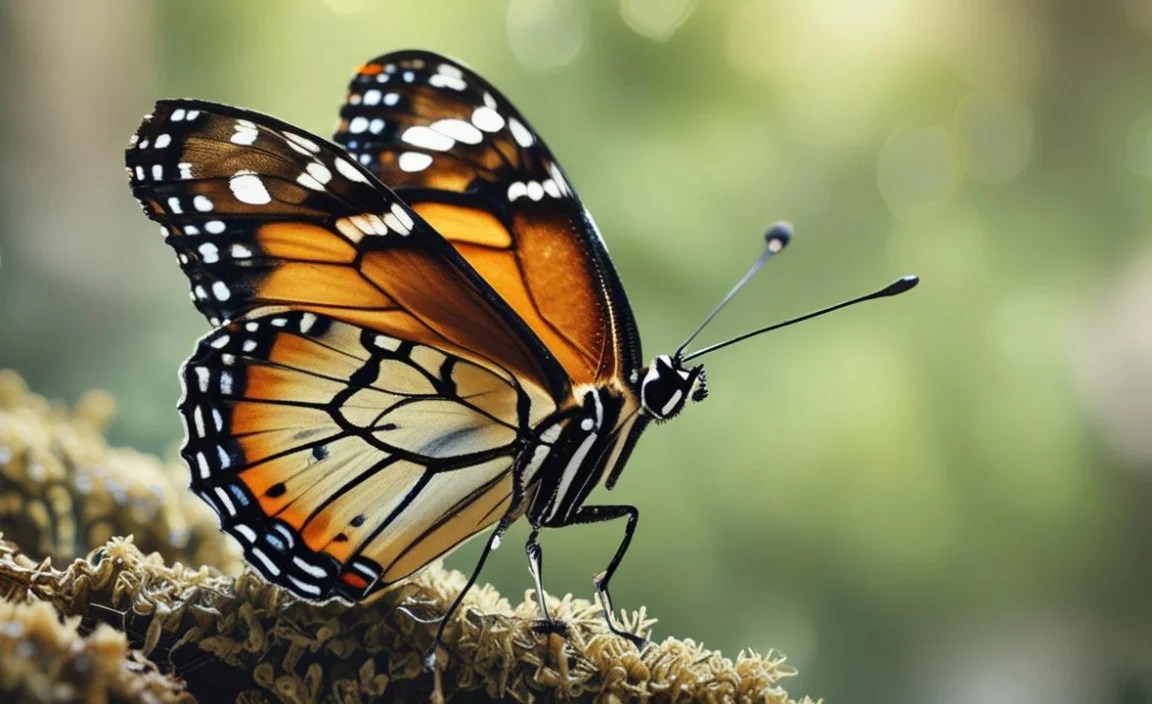
Knowing what a healthy butterfly habitat looks like is the first step in protecting it. Here are some key features to look for:
- Abundance of Native Wildflowers: A diverse range of native wildflowers provides nectar for adult butterflies.
- Host Plants for Larvae: Specific plants that butterfly larvae need to feed on (e.g., milkweed for monarch butterflies).
- Shelter and Protection: Trees, shrubs, and grasses provide shelter from wind, rain, and predators.
- Sunlight: Butterflies need sunlight to warm their bodies and fly.
- Water Source: A shallow dish of water or a muddy area provides a place for butterflies to drink.
- Absence of Pesticides: A healthy habitat is free from harmful pesticides.
Step-by-Step Guide to Protecting Endangered Butterfly Habitats

Now, let’s get practical! Here’s a step-by-step guide to protecting endangered butterfly habitats, whether you have a small backyard or want to get involved in larger conservation efforts:
Step 1: Plant Native Wildflowers
Native wildflowers are the best source of nectar for adult butterflies. Choose a variety of wildflowers that bloom at different times of the year to provide a continuous supply of food. Here are a few examples:
- Milkweed (Asclepias spp.): Essential for monarch butterflies.
- Asters (Symphyotrichum spp.): Attract a wide variety of butterflies.
- Coneflowers (Echinacea spp.): Provide nectar and seeds for birds.
- Black-Eyed Susans (Rudbeckia hirta): A popular choice for butterfly gardens.
- Goldenrod (Solidago spp.): Blooms in late summer and fall, providing a late-season nectar source.
When selecting wildflowers, be sure to choose species that are native to your region. Your local native plant society or extension office can provide recommendations. You can find a Native Plant Finder tool on the National Wildlife Federation website.
Step 2: Provide Host Plants for Larvae
Butterflies are very specific about the plants their larvae will feed on. To attract a particular butterfly species, you need to provide its host plant. Here are some examples:
- Monarch Butterfly: Milkweed (Asclepias spp.)
- Black Swallowtail: Parsley, dill, fennel, carrot tops
- Spicebush Swallowtail: Spicebush, sassafras
- Eastern Tiger Swallowtail: Tulip tree, wild cherry, ash
- Red-Spotted Purple: Wild cherry, aspen, willow
Planting host plants is crucial for supporting the entire butterfly life cycle, not just the adult stage.
Step 3: Eliminate Pesticide Use
This is one of the most important things you can do to protect butterflies. Pesticides are toxic to butterflies and other beneficial insects. Avoid using any pesticides in your garden or on your property. If you must use pesticides, choose the least toxic option and apply it carefully, avoiding spraying on or near butterfly host plants or nectar sources. Instead, consider natural pest control methods, such as:
- Hand-picking pests: Remove pests by hand and dispose of them.
- Using insecticidal soap: A natural insecticide that is effective against many common pests.
- Attracting beneficial insects: Ladybugs, lacewings, and other beneficial insects prey on pests.
- Companion planting: Plant herbs and flowers that repel pests.
Step 4: Create a Butterfly-Friendly Habitat
Butterflies need more than just food and host plants. They also need shelter, sunlight, and water. Here are some tips for creating a butterfly-friendly habitat:
- Provide shelter from wind and rain: Plant trees, shrubs, and grasses to provide shelter.
- Ensure sunlight: Butterflies need sunlight to warm their bodies and fly. Choose a sunny location for your butterfly garden.
- Provide a water source: A shallow dish of water with pebbles or marbles for butterflies to land on will provide a place for them to drink. You can also create a muddy area by watering a patch of soil regularly.
- Leave leaf litter: Many butterflies overwinter as pupae in leaf litter. Leave some leaf litter in your garden to provide a place for them to survive the winter.
- Provide basking spots: Butterflies need to bask in the sun to warm up. Place flat rocks or logs in your garden for them to bask on.
Step 5: Support Local Conservation Efforts
You can also help protect endangered butterfly habitats by supporting local conservation efforts. Here are a few ways to get involved:
- Volunteer with a local conservation organization: Many organizations work to protect butterfly habitats. Volunteer your time to help with habitat restoration, monitoring, or education.
- Donate to a butterfly conservation organization: Your donations can help fund research, habitat restoration, and education programs.
- Advocate for butterfly conservation: Contact your elected officials and urge them to support policies that protect butterfly habitats.
- Educate others: Share your knowledge about butterflies and their importance with others.
Step 6: Garden Organically
Even if you don’t have butterflies currently visiting your garden, practicing organic gardening can help restore the soil and provide healthier conditions for future butterfly habitats. Organic gardening focuses on building healthy soil, which in turn supports healthy plants that are more resistant to pests and diseases. Here are some tips:
- Use compost and other organic fertilizers: Compost improves soil structure, provides nutrients, and helps retain moisture.
- Practice crop rotation: Rotating crops can help prevent the build-up of pests and diseases in the soil.
- Use cover crops: Cover crops can help improve soil health, prevent erosion, and suppress weeds.
- Avoid synthetic fertilizers and pesticides: These can harm beneficial soil organisms and pollute the environment.
Step 7: Monitor Your Butterfly Garden
Once you’ve created a butterfly garden, it’s important to monitor it to see how well it’s working. Keep track of the butterflies you see, the host plants they’re using, and any problems you encounter. This information will help you make adjustments to your garden and improve its effectiveness.
- Keep a butterfly journal: Record the dates, times, and locations of butterfly sightings.
- Take photos: Photos can help you identify butterflies and track their populations over time.
- Participate in citizen science projects: Many organizations run citizen science projects that track butterfly populations. Submit your data to help scientists monitor butterfly populations and identify trends.
Specific Actions for Endangered Butterfly Species

While general habitat improvements benefit many species, some endangered butterflies need targeted help. Here are a few examples:
- Monarch Butterfly (Danaus plexippus): Focus on planting milkweed, their sole host plant. Protect overwintering sites in California and Mexico.
- Karner Blue Butterfly (Lycaeides melissa samuelis): Maintain oak savanna habitats with wild lupine, their host plant. Controlled burns can help manage this habitat.
- Miami Blue Butterfly (Cyclargus thomasi bethune-bakeri): Protect coastal hardwood hammocks with host plants like gray nickerbean. Control invasive plants.
- Oregon Silverspot Butterfly (Speyeria zerene hippolyta): Preserve coastal grasslands with early blue violet, their host plant. Control invasive species and manage grazing.
Consult with local conservation groups to learn about specific actions you can take for endangered butterflies in your area.
Tools and Resources for Butterfly Conservation
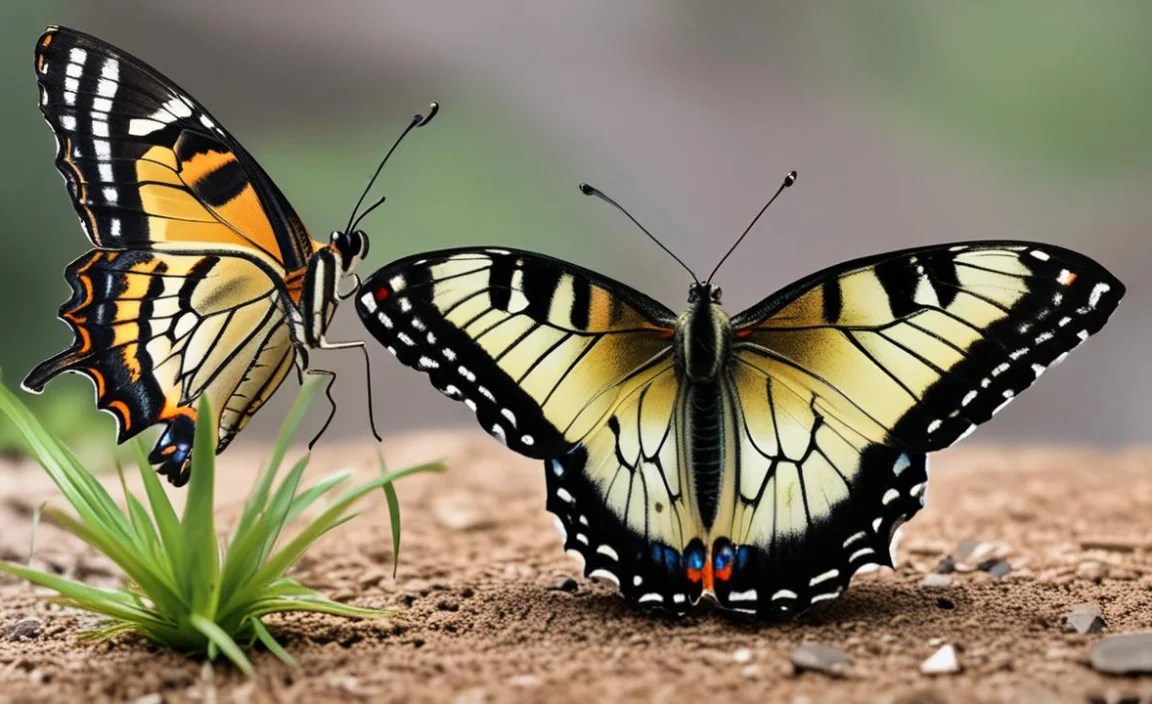
Here are some helpful tools and resources to aid in your butterfly conservation efforts:
- Native Plant Guides: Peterson Field Guides, Audubon Guides
- Butterfly Identification Apps: iNaturalist, Seek
- Butterfly Gardening Books: “Attracting Native Pollinators” by The Xerces Society, “Butterfly Gardening” by The Brooklyn Botanic Garden
- Online Resources: The Xerces Society (xerces.org), National Wildlife Federation (nwf.org), US Fish and Wildlife Service (fws.gov)
Benefits of Protecting Butterfly Habitats
Protecting butterfly habitats is not just about saving butterflies. It also has a wide range of benefits for the environment and for people:
- Pollination: Butterflies are important pollinators, helping to pollinate wildflowers and crops.
- Ecosystem Health: Butterflies are an indicator species, meaning their presence or absence can tell us about the health of the ecosystem.
- Aesthetic Value: Butterflies are beautiful and add to the enjoyment of our natural world.
- Educational Opportunities: Butterfly gardens provide educational opportunities for children and adults to learn about nature and conservation.
Butterfly Conservation Table
| Butterfly Species | Habitat Type | Host Plant | Threats | Conservation Actions |
|---|---|---|---|---|
| Monarch (Danaus plexippus) | Open fields, meadows | Milkweed (Asclepias spp.) | Habitat loss, pesticide use, climate change | Plant milkweed, reduce pesticide use, protect overwintering sites |
| Karner Blue (Lycaeides melissa samuelis) | Oak savanna, pine barrens | Wild Lupine (Lupinus perennis) | Habitat loss, fire suppression | Maintain oak savanna, controlled burns, protect wild lupine |
| Miami Blue (Cyclargus thomasi bethune-bakeri) | Coastal hardwood hammocks | Gray Nickerbean (Caesalpinia bonduc) | Habitat loss, invasive species | Protect hardwood hammocks, control invasive plants |
| Oregon Silverspot (Speyeria zerene hippolyta) | Coastal grasslands | Early Blue Violet (Viola adunca) | Habitat loss, invasive species, grazing | Preserve coastal grasslands, control invasive species, manage grazing |
Butterfly Life Cycle Table
| Life Cycle Stage | Description | Duration | Key Needs |
|---|---|---|---|
| Egg | Small, often laid on a host plant | 3-7 days | Protection from predators and desiccation |
| Larva (Caterpillar) | Feeding stage, molts several times | 2-4 weeks | Abundant host plant foliage for feeding |
| Pupa (Chrysalis) | Transformation stage inside a protective shell | 1-2 weeks | Secure location, protection from predators |
| Adult | Reproductive stage, feeds on nectar | 2-6 weeks | Nectar sources, sunlight, water |
Butterfly Garden Checklist
- Native Wildflowers: Provide nectar for adult butterflies
- Host Plants: Food source for caterpillars
- Water Source: Shallow dish or mud puddle
- Shelter: Trees, shrubs, grasses for protection
- Sunlight: Basking spots for warmth
- No Pesticides: Safe environment for butterflies
- Leaf Litter: Overwintering habitat
FAQ: Protecting Endangered Butterfly Habitats
What is the biggest threat to butterfly habitats?
Habitat loss due to development and agriculture is the most significant threat.
Why are native plants so important for butterflies?
Butterflies have evolved alongside native plants, and many species rely on specific native plants as host plants for their larvae.
How can I attract butterflies to my garden?
Plant a variety of native wildflowers and host plants, provide a water source, and avoid using pesticides.
What are neonicotinoids and why are they harmful to butterflies?
Neonicotinoids are a class of insecticides that are toxic to butterflies and other pollinators. They can contaminate nectar and pollen, leading to illness or death.
How can I tell if a butterfly is endangered?
Consult the IUCN Red List or your local conservation agency for a list of endangered butterfly species in your area.
What can I do if I don’t have a garden?
You can support local conservation organizations, advocate for butterfly conservation, and educate others about the importance of butterflies.
How does climate change affect butterflies?
Climate change can alter butterfly habitats, disrupt their life cycles, and affect the availability of host plants.
Conclusion
Protecting endangered butterfly habitats is a crucial task that benefits not only butterflies but also the entire ecosystem. By understanding the threats to these habitats and taking simple steps to create butterfly-friendly environments, we can all make a difference. Whether you have a small backyard or want to get involved in larger conservation efforts, your actions can help ensure that these beautiful creatures continue to thrive for generations to come. Plant those wildflowers, skip the pesticides, and spread the word – let’s create a world where butterflies flourish!


