
Swallowtail Butterfly in Pesticide Gardens: Smart Tips

Quick Summary: Swallowtail butterflies can be harmed by pesticides in gardens. To protect them, avoid using broad-spectrum insecticides, especially near host plants like dill and parsley. Opt for organic gardening methods, use targeted treatments for pests, and create a butterfly-friendly habitat with native plants and a water source. Regularly inspect plants for caterpillars and handpick pests when possible.
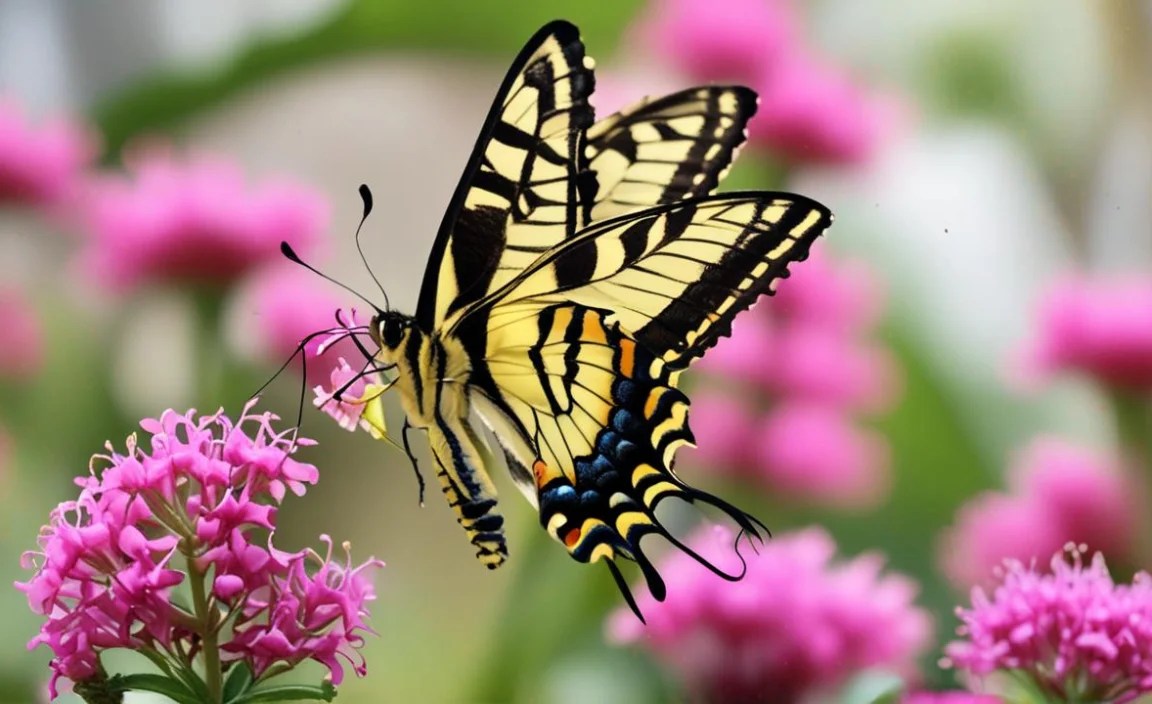
Seeing a beautiful swallowtail butterfly flitting around your garden is a magical experience. But what happens when your well-intentioned pest control efforts inadvertently harm these delicate creatures? It’s a common problem: you want a thriving garden, but you also want to protect the butterflies you love. The good news is, with a few simple changes, you can have both! This guide will show you how to create a garden that’s safe for swallowtails while still keeping unwanted pests at bay. Get ready to learn how to protect these amazing butterflies and enjoy a vibrant, healthy garden at the same time!
Understanding the Threat: Pesticides and Swallowtail Butterflies

Swallowtail butterflies, with their striking colors and graceful flight, are a welcome sight in any garden. However, these beautiful insects are particularly vulnerable to the effects of pesticides. Understanding the risks is the first step in protecting them.
How Pesticides Harm Swallowtails
Pesticides can harm swallowtail butterflies in several ways:
- Direct Poisoning: Insecticides are designed to kill insects, and unfortunately, they don’t discriminate between pests and beneficial insects like swallowtails. Direct contact with pesticides can be fatal.
- Contaminated Food Sources: Swallowtail caterpillars feed on specific host plants, such as dill, parsley, and milkweed. If these plants are treated with pesticides, the caterpillars ingest the toxins, which can lead to death or developmental problems.
- Disruption of the Ecosystem: Pesticides can kill off other beneficial insects, like pollinators and predators, that naturally help control pest populations. This disruption can create an imbalance in the garden ecosystem, making it harder for swallowtails to thrive.
- Habitat Destruction: Herbicides, a type of pesticide, destroy the plants that swallowtails rely on for food and shelter, effectively removing their habitat.
Types of Pesticides to Avoid
Not all pesticides are created equal. Some are more harmful to swallowtails than others. Here are some types to avoid:
- Broad-Spectrum Insecticides: These insecticides kill a wide range of insects, including beneficial ones like swallowtails, bees, and ladybugs. Examples include synthetic pyrethroids (like permethrin and cypermethrin) and organophosphates (like malathion).
- Systemic Insecticides: These insecticides are absorbed by the plant and distributed throughout its tissues. This means that even if a caterpillar isn’t directly sprayed, it can still ingest the pesticide by feeding on the plant. Neonicotinoids (like imidacloprid and clothianidin) are a common type of systemic insecticide that are particularly harmful to pollinators.
- Insecticidal Soap and Horticultural Oil: While often considered “safer” options, these can still harm swallowtails if applied directly to them or their host plants, especially caterpillars. Use with caution and follow label instructions carefully.
Creating a Butterfly-Friendly Garden: A Step-by-Step Guide

Now that you understand the dangers of pesticides, let’s look at how to create a garden that’s both beautiful and safe for swallowtail butterflies.
Step 1: Choose Native Host Plants
Swallowtail caterpillars are very picky eaters! They rely on specific host plants for food. Planting these plants is essential for attracting swallowtails to your garden and supporting their life cycle.
Here are some popular host plants for different swallowtail species:
- Eastern Black Swallowtail: Dill, parsley, fennel, carrot, rue
- Giant Swallowtail: Citrus trees, Hercules’ Club, hoptree
- Pipevine Swallowtail: Pipevine (Aristolochia species)
- Tiger Swallowtail: Tulip tree, cherry, willow, birch
Choose host plants that are native to your region. Native plants are best adapted to your local climate and soil conditions, and they provide the most nutritious food for swallowtail caterpillars. You can find a list of native plants for your area by searching online or contacting your local native plant society.
Step 2: Provide Nectar Sources for Adult Butterflies
While caterpillars need host plants, adult butterflies need nectar-rich flowers for energy. Plant a variety of flowers that bloom throughout the growing season to provide a continuous food source for adult swallowtails.
Here are some great nectar plants for swallowtails:
- Butterfly Bush (Buddleja davidii): A classic butterfly magnet, but be aware that it can be invasive in some areas. Consider sterile cultivars.
- Zinnia (Zinnia elegans): Easy to grow and available in a wide range of colors.
- Lantana (Lantana camara): Produces clusters of colorful flowers and is very attractive to butterflies.
- Milkweed (Asclepias species): A must-have for monarch butterflies, but also attracts swallowtails.
- Bee Balm (Monarda species): Attracts both butterflies and hummingbirds.
- Purple Coneflower (Echinacea purpurea): A beautiful and drought-tolerant option.
Choose a variety of flower shapes and colors to attract different species of swallowtails. Plant flowers in large groups to make them more visible to butterflies.
Step 3: Embrace Organic Gardening Practices
The best way to protect swallowtails from pesticides is to avoid using them altogether! Embrace organic gardening practices to create a healthy and balanced ecosystem in your garden.
Here are some key organic gardening techniques:
- Healthy Soil: Healthy soil is the foundation of a healthy garden. Amend your soil with compost and other organic matter to improve its fertility and drainage.
- Crop Rotation: Rotating your crops each year can help prevent pest and disease problems.
- Companion Planting: Planting certain plants together can help deter pests or attract beneficial insects. For example, planting marigolds near tomatoes can help repel nematodes.
- Handpicking Pests: Regularly inspect your plants for pests and handpick them off when you see them. This is a simple but effective way to control pest populations without using pesticides.
- Beneficial Insects: Attract beneficial insects like ladybugs, lacewings, and parasitic wasps to your garden. These insects will prey on pests and help keep their populations in check. You can attract beneficial insects by planting flowers that provide nectar and pollen.
Step 4: Use Targeted Pest Control Methods
Even with organic gardening practices, you may still encounter pest problems. When this happens, use targeted pest control methods that minimize harm to swallowtails and other beneficial insects.
Here are some options:
- Bacillus thuringiensis (Bt): Bt is a naturally occurring bacterium that is toxic to certain types of caterpillars. It is a relatively safe option for swallowtails, but be sure to use a strain that is specific to the pest you are targeting. For example, Bacillus thuringiensis kurstaki (Btk) is effective against many types of caterpillars, but it can also harm swallowtail caterpillars if applied directly to their host plants. Use with caution and only when necessary.
- Insecticidal Soap and Horticultural Oil: As mentioned earlier, these can be used to control certain pests, but be careful not to spray them directly on swallowtail caterpillars or their host plants. Apply in the early morning or late evening when butterflies are less active.
- Diatomaceous Earth (DE): DE is a powder made from fossilized diatoms. It is effective against some pests, such as slugs and snails, but it can also harm beneficial insects if they come into contact with it. Use food-grade DE and apply it carefully, avoiding areas where butterflies are likely to be present.
- Neem Oil: Neem oil is a natural insecticide that is derived from the neem tree. It is effective against a wide range of pests, but it can also harm beneficial insects if applied directly to them. Use neem oil sparingly and follow label instructions carefully.
Step 5: Provide Water and Shelter
Swallowtails need water and shelter to thrive. Provide a shallow dish of water with pebbles or marbles for them to land on and drink from. Plant trees and shrubs to provide shelter from the wind and sun.
Step 6: Monitor Your Garden Regularly
Regularly inspect your plants for signs of pests or diseases. The sooner you catch a problem, the easier it will be to control it without resorting to harmful pesticides.
Look for caterpillars, eggs, or damage to leaves. If you find pests, identify them and take appropriate action. If you find swallowtail caterpillars, leave them alone! They are a sign that your garden is a healthy habitat for butterflies.
Table: Comparing Pest Control Methods
| Pest Control Method | Target Pests | Impact on Swallowtails | Application Notes |
|---|---|---|---|
| Broad-Spectrum Insecticides | Wide range of insects | Highly harmful; can kill swallowtails directly | Avoid using these altogether |
| Systemic Insecticides (e.g., Neonicotinoids) | Aphids, whiteflies, etc. | Harmful; absorbed by plants, poisoning caterpillars | Avoid using these altogether |
| Bacillus thuringiensis (Bt) | Specific types of caterpillars | Potentially harmful if used indiscriminately; use specific strains | Apply carefully, avoiding swallowtail host plants |
| Insecticidal Soap | Aphids, spider mites | Can be harmful if sprayed directly on swallowtails | Apply in early morning or late evening; avoid direct contact with butterflies |
| Horticultural Oil | Scale, spider mites | Can be harmful if sprayed directly on swallowtails | Apply in early morning or late evening; avoid direct contact with butterflies |
| Diatomaceous Earth (DE) | Slugs, snails, some insects | Can harm beneficial insects; use with caution | Apply carefully, avoiding areas where butterflies are likely to be present |
| Neem Oil | Wide range of pests | Can harm beneficial insects if applied directly | Use sparingly; follow label instructions carefully |
| Handpicking Pests | Various pests | Safe for swallowtails | Regularly inspect plants and remove pests manually |
Table: Attracting Swallowtails with Host and Nectar Plants

| Swallowtail Species | Host Plants | Nectar Plants |
|---|---|---|
| Eastern Black Swallowtail | Dill, parsley, fennel, carrot, rue | Zinnia, butterfly bush, milkweed, bee balm |
| Giant Swallowtail | Citrus trees, Hercules’ Club, hoptree | Lantana, salvia, pentas |
| Pipevine Swallowtail | Pipevine (Aristolochia species) | Butterfly bush, milkweed, ironweed |
| Tiger Swallowtail | Tulip tree, cherry, willow, birch | Lilac, honeysuckle, butterfly bush |
Frequently Asked Questions (FAQs)
1. What are the signs that pesticides are harming swallowtail butterflies in my garden?
Signs of pesticide poisoning in swallowtails include tremors, disorientation, paralysis, and death. You might also notice fewer caterpillars or butterflies in your garden than usual.
2. Can I use organic pesticides safely around swallowtail butterflies?
Some organic pesticides, like Bt, insecticidal soap, and neem oil, are safer than synthetic pesticides but can still harm swallowtails if used improperly. Always use them sparingly and avoid direct contact with butterflies and caterpillars.
3. How can I attract more swallowtail butterflies to my garden naturally?
Plant host plants for caterpillars (like dill, parsley, and pipevine) and nectar-rich flowers for adult butterflies (like zinnia, butterfly bush, and milkweed). Provide a water source and avoid using pesticides.
4. What should I do if I find swallowtail caterpillars on my plants?
Leave them alone! Swallowtail caterpillars are a sign that your garden is a healthy habitat for butterflies. They will eventually transform into beautiful adult butterflies.
5. Are there any specific plants that are both host plants and nectar sources for swallowtails?
Milkweed is a great option, as it serves as a host plant for monarch butterflies and a nectar source for various butterflies, including swallowtails. Dill and fennel, host plants for Black Swallowtails, also attract beneficial insects with their flowers.
6. How often should I inspect my plants for pests and swallowtail caterpillars?
Inspect your plants at least once a week, or more often if you notice signs of pest problems. This will help you catch problems early and take action before they become severe.
7. What are some natural ways to control aphids without harming swallowtails?
You can use a strong stream of water to dislodge aphids from plants. You can also introduce natural predators like ladybugs and lacewings, or use insecticidal soap, but apply it carefully to avoid direct contact with swallowtails.
Conclusion
Protecting swallowtail butterflies in your garden is not only possible, but it’s also a rewarding experience. By understanding the risks of pesticides and adopting butterfly-friendly gardening practices, you can create a haven for these beautiful creatures. Remember to choose native host plants and nectar sources, embrace organic gardening techniques, use targeted pest control methods, and provide water and shelter. With a little effort, you can enjoy a vibrant, healthy garden that’s teeming with life and beauty. So go ahead, transform your garden into a butterfly paradise and watch as these amazing insects bring joy and wonder to your life. You’ll be making a difference, one butterfly at a time!


