
Easy Species Identification Protocol: A Powerful Guide

Have you ever seen a bird and wondered what kind it was? Or maybe a cool bug in your backyard? Figuring out what living things are called is species identification. It is like being a detective for nature. Scientists use a special plan to help them. This plan is called a species identification protocol.
Why is knowing a species’ name so important? It helps us learn about the world around us.
Knowing what something is lets us understand its role in nature. It also helps us protect it. Species identification protocol is a vital tool. It ensures we all know what we are talking about. Let’s learn more about this cool process!
Key Takeaways
- A species identification protocol helps scientists identify plants and animals.
- Using DNA is a modern way to identify different species accurately.
- Scientists use field guides and experts to identify species.
- Identifying species helps us to protect them.
- Careful observation is key to identifying any species.
Understanding Species Identification Protocol
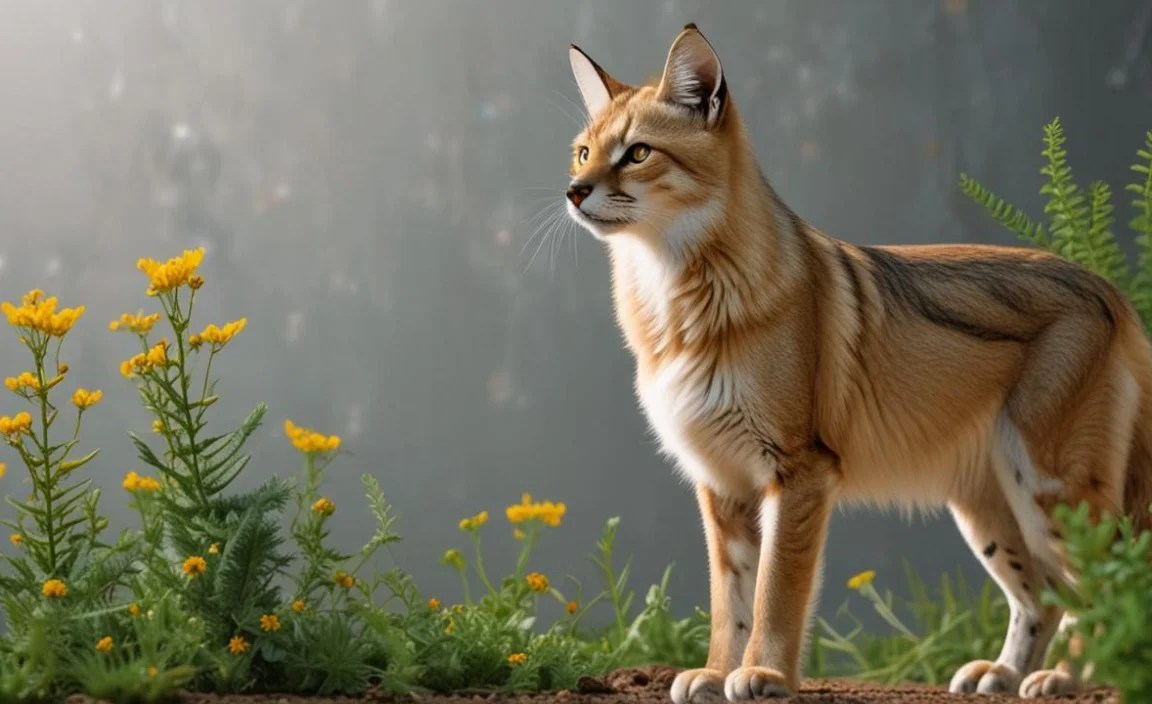
Species identification protocol is a detailed plan. It helps scientists figure out what kind of plant or animal they are looking at. Imagine you find a new type of flower. How do you know what it is? You can’t just give it any name. Scientists need a way to be sure. They need to follow steps. These steps help them compare the flower to others. They look at its shape, color, and size. They might even look at its DNA. All of this information helps them decide what species it is.
Think of it like solving a puzzle. Each piece of the puzzle is a clue. The clues help you to see the whole picture. Species identification protocol makes sure everyone uses the same clues. This way, scientists all over the world can agree on what a species is. It is like having a secret code that only scientists know. This code helps them communicate clearly. It helps them share information about different species. This is very important for protecting our planet.
- It helps scientists communicate clearly.
- It makes sure everyone agrees on species names.
- It helps us to protect different species.
- It uses many clues to identify species.
- DNA can be a very important clue.
Species identification protocol is not just for scientists. Anyone can use it! You can use it in your backyard. You can use it on a hike. All you need is a good field guide. You also need to be a good observer. Look closely at the plants and animals around you. What do you see? What do you notice? The more you observe, the better you will become at identifying species. It’s a fun way to learn about nature.
Fun Fact or Stat: There are estimated to be 8.7 million species on Earth, but only about 1.2 million have been identified and described!
Why Is It Important?
Have you ever wondered why it matters what something is called? Knowing the name of a species is the first step in understanding it. Think about your favorite animal. You probably know a lot about it. You know what it eats. You know where it lives. You might even know how many are left in the world. But you couldn’t know any of that without knowing its name. Species identification protocol helps us to learn about all the amazing plants and animals on our planet.
How Does It Work?
Imagine you find a strange bug in your garden. You want to know what it is. The species identification protocol gives you steps to follow. First, you would look at its size and shape. What color is it? Does it have wings? How many legs does it have? Then, you would look in a field guide. A field guide is a book with pictures and descriptions of different species. You would compare your bug to the pictures in the book. If you can’t find it in the book, you might ask an expert.
What Tools Do Scientists Use?
Scientists use many tools to identify species. They use field guides. They use microscopes. They even use DNA! DNA is like a secret code that tells us what a species is. Scientists can compare the DNA of different species. This helps them see how closely related they are. This is a very powerful tool. It helps us to understand the relationships between all living things. It makes species identification protocol more accurate.
Traditional Methods for Species Identification
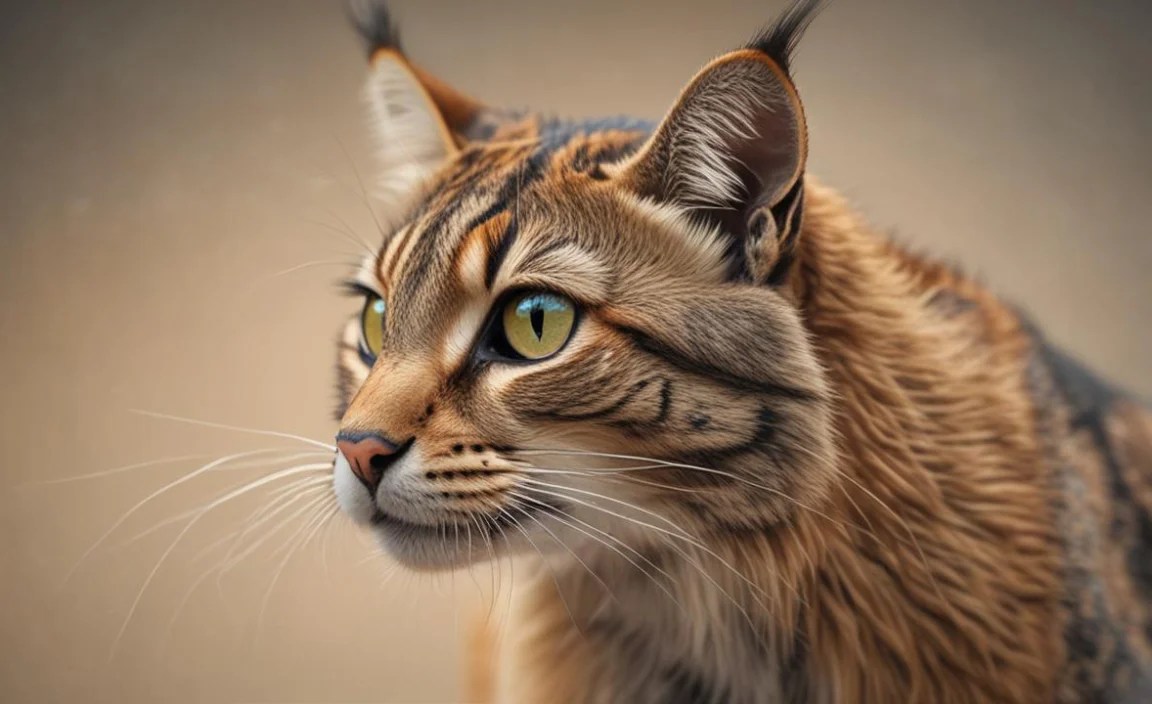
Long before fancy technology, scientists used their eyes and brains. They carefully watched animals and plants. They wrote down everything they saw. This is called traditional species identification. It relies on things you can see. Size, shape, color, and behavior are all clues. Imagine you are trying to identify a bird. You might look at the color of its feathers. You might listen to its song. You might watch how it flies. All of these things can help you figure out what kind of bird it is.
Field guides are very important for traditional methods. These books have pictures and descriptions. They help you compare what you see to known species. Experts also play a big role. They have spent years studying specific groups of plants or animals. They can often identify a species just by looking at it. Traditional methods are still important today. They are a good starting point for species identification protocol. They teach you how to observe carefully.
- Careful observation is key.
- Field guides are very helpful.
- Experts have a lot of knowledge.
- Look at size, shape, and color.
- Listen to sounds and watch behavior.
- Traditional methods are still useful.
However, traditional methods can sometimes be tricky. Some species look very similar. This can make it hard to tell them apart. Also, some species change over time. A caterpillar turns into a butterfly. A tadpole turns into a frog. If you only saw one stage, you might not know what it is. That’s why scientists sometimes use other methods. These methods can help them be more sure. But for many species, traditional methods work well.
Fun Fact or Stat: Carl Linnaeus, an 18th-century Swedish botanist, is considered the “father of taxonomy” for his system of classifying and naming organisms!
Using Field Guides
Field guides are like treasure maps for nature. They show you what to look for. They help you find the hidden treasures of the plant and animal world. Imagine you are going on a nature walk. You bring your field guide with you. You see a flower you don’t recognize. You flip through the pages of your guide. You compare the flower to the pictures. You read the descriptions. Finally, you find a match! You have identified the flower.
Consulting with Experts
Experts are like detectives. They have special knowledge about certain plants or animals. If you find something you can’t identify, they can help. Imagine you find a strange bone in the woods. You don’t know what animal it came from. You take it to an expert. The expert looks at the bone carefully. They compare it to other bones. They use their knowledge to identify it. It turns out to be a bone from a deer.
Observational Skills
Being a good observer is like having a superpower. It allows you to see things that others miss. Imagine you are walking through a forest. You see a small bird flitting through the trees. Most people wouldn’t notice it. But you are a good observer. You see the colors of its feathers. You hear its unique song. You notice how it moves. All of these observations help you identify it as a warbler.
Modern Techniques in Species Identification

Today, we have amazing tools to help identify species. One of the most powerful is DNA. DNA is like a fingerprint for every living thing. Modern species identification uses this fingerprint. Scientists can take a tiny sample of DNA from a plant or animal. They can then compare it to a database of known species. This can tell them exactly what it is. It is like having a super-accurate field guide.
Think about it like this: imagine you find a feather. You don’t know what bird it came from. You send it to a lab. The lab extracts DNA from the feather. They compare it to the DNA of different birds. The results come back: it’s from a bald eagle! This is how species identification protocol works with DNA. It is especially useful for identifying species that look very similar. It also helps to identify species from small pieces, like feathers or scat.
- DNA is like a fingerprint for species.
- It is very accurate.
- It can identify species from small samples.
- It helps with species that look alike.
- Databases of DNA are growing all the time.
However, modern techniques are not always perfect. They can be expensive. They also require special equipment and expertise. Not everyone has access to these tools. That’s why traditional methods are still important. But as technology gets better and cheaper, modern techniques will become more common. They will help us to discover and understand the amazing diversity of life on Earth.
Fun Fact or Stat: DNA barcoding, a technique using a short genetic sequence to identify species, has revolutionized species identification in many fields!
DNA Barcoding
DNA barcoding is like giving every species a unique code. This code is a short piece of their DNA. Scientists can use this code to quickly identify a species. Imagine you are a customs officer. You need to check if imported wood is from protected trees. You can use DNA barcoding to quickly find out. You take a small sample of the wood. You compare its DNA barcode to a database. You find out it is from a protected species. You stop it from being sold.
Genetic Sequencing
Genetic sequencing is like reading the entire book of a species’ DNA. It gives scientists a huge amount of information. They can learn about its history. They can learn about its relationships to other species. Imagine you are studying a rare disease. You can use genetic sequencing to find the cause. You compare the DNA of healthy people to the DNA of sick people. You find a gene that is different in the sick people. This helps you understand the disease.
Image Recognition Software
Image recognition software is like having a super-smart computer that can identify species from pictures. You can take a picture of a plant or animal. You can upload it to the software. The software will compare it to millions of other pictures. It will tell you what species it is. Imagine you are hiking in the mountains. You see a beautiful flower. You take a picture of it with your phone. You upload it to the software. The software tells you it is a rare alpine poppy.
Challenges in Species Identification

Identifying species isn’t always easy. Sometimes, different species look very similar. This is especially true for insects and plants. Imagine trying to tell the difference between two types of grass. They might look almost exactly the same! This is where species identification protocol becomes very important. It helps scientists to look for small differences that can help them tell species apart. It can be a real challenge.
Another challenge is that some species change over time. They might look different at different stages of their life. A caterpillar looks very different from a butterfly. A tadpole looks very different from a frog. This can make it hard to identify them. Also, some species can change depending on where they live. A plant might grow taller in one place than in another. All of these things can make species identification protocol more difficult.
| Challenge | Description | Solution |
|---|---|---|
| Similar Appearance | Some species look very much alike. | Look for small differences. Use DNA analysis. |
| Life Stage Changes | Species can change a lot as they grow. | Study all life stages. Use genetic markers. |
| Environmental Variation | Species can look different in different places. | Study species in different environments. |
| Incomplete Data | We don’t know everything about every species. | Continue research. Share information. |
- Species can look very similar.
- Species change over time.
- Environment affects appearance.
- Data on species is incomplete.
- New species are still being discovered.
Despite these challenges, scientists are making progress all the time. They are developing new tools and techniques. They are learning more about the world around us. Species identification protocol is constantly improving. This is helping us to protect the amazing diversity of life on Earth. It is important to keep working on these challenges. Every species is important. We need to understand them to protect them.
Fun Fact or Stat: It is estimated that we are currently losing species at 1,000 to 10,000 times the natural extinction rate!
Cryptic Species
Cryptic species are like secret twins. They look almost exactly alike. But they are actually different species. Imagine you are studying a group of insects. You think they are all the same species. But then you look at their DNA. You find out that there are actually two different species living together. These are cryptic species. They can be very hard to tell apart. Species identification protocol helps us to find them.
Hybridization
Hybridization is like mixing two different colors of paint. You get a new color. When two different species reproduce, they can create a hybrid. A hybrid is a mix of the two parent species. This can make species identification protocol very difficult. The hybrid might look like one parent. Or it might look like a mix of both. It can be hard to tell what it is.
Incomplete Taxonomic Data
Imagine trying to build a puzzle with missing pieces. That’s what it’s like when we have incomplete taxonomic data. Taxonomy is the science of classifying species. Sometimes, we don’t have enough information about a species. We don’t know what it looks like. We don’t know where it lives. We don’t know how it behaves. This makes species identification protocol very difficult. We need more research to fill in the gaps.
The Role of Taxonomy in Species Identification

Taxonomy is the science of classifying living things. It’s like organizing all the plants and animals into a giant filing system. Each species has its own file. The file includes its name, its description, and information about where it lives. Taxonomy provides the framework for species identification protocol. It gives scientists a way to organize and understand the diversity of life.
Think of it like this: imagine you are trying to find a book in a library. If the books are not organized, it would be very difficult. But if the books are organized by category and author, it is much easier. Taxonomy does the same thing for species. It organizes them into groups based on their similarities and differences. This makes it easier to identify them. Species identification protocol relies on this organization.
- Taxonomy organizes living things.
- It provides a framework for identification.
- It helps us understand relationships.
- It uses a system of classification.
- It gives each species a unique name.
Taxonomy is not just about naming things. It is also about understanding the relationships between species. It helps us see how different species are related to each other. This can help us understand how they evolved. It can also help us to protect them. By understanding their relationships, we can better understand their role in the ecosystem. This is very important for conservation.
Fun Fact or Stat: The scientific naming system (binomial nomenclature) was developed by Carl Linnaeus and uses two names: the genus and the species!
Hierarchical Classification
Hierarchical classification is like organizing things into a series of boxes within boxes. The biggest box is the kingdom. This includes all living things. Then there are smaller boxes like phylum, class, order, family, genus, and species. Each box is more specific than the one before. This helps us to understand the relationships between species. It is a key part of species identification protocol.
Binomial Nomenclature
Binomial nomenclature is like giving each species a first and last name. The first name is the genus. The second name is the species. For example, the scientific name for humans is Homo sapiens. Homo is the genus. Sapiens is the species. This system makes it easy to identify species. It is used by scientists all over the world. It ensures everyone knows what species they are talking about.
Phylogenetic Trees
Phylogenetic trees are like family trees for species. They show how different species are related to each other. The closer two species are on the tree, the more closely related they are. This can help us understand how they evolved. It can also help us to identify them. Species identification protocol uses these trees to understand relationships.
Conservation Efforts and Species Identification
Knowing what species we have is the first step in protecting them. If we don’t know a species exists, we can’t protect it. Species identification protocol is very important for conservation. It helps us to identify species that are threatened or endangered. This allows us to take action to protect them. It is like being a doctor for the planet. We need to diagnose the problem before we can treat it.
Think about it like this: imagine you are trying to save a forest. You need to know what kinds of trees and animals live there. You need to know which ones are rare or endangered. You need to know what threats they face. Species identification protocol helps you to gather this information. It allows you to make informed decisions about how to protect the forest. It is an essential tool for conservation.
- Identification is key to protection.
- It helps identify threatened species.
- It informs conservation decisions.
- It helps monitor populations.
- It supports habitat protection.
Conservation efforts rely on accurate species identification protocol. If we misidentify a species, we could waste time and money on the wrong things. We might even accidentally harm the species we are trying to protect. That’s why it is so important to get it right. Scientists are constantly working to improve species identification protocol. They are developing new tools and techniques. They are learning more about the world around us.
Fun Fact or Stat: Many species are going extinct before they are even discovered, highlighting the urgent need for species identification and conservation efforts!
Monitoring Biodiversity
Monitoring biodiversity is like taking the planet’s temperature. It helps us to see how healthy the planet is. By tracking the number and types of species in an area, we can see if biodiversity is increasing or decreasing. This can tell us if our conservation efforts are working. Species identification protocol is essential for monitoring biodiversity.
Protecting Endangered Species
Protecting endangered species is like being a bodyguard for a VIP. We need to protect them from harm. We need to make sure they have the resources they need to survive. Species identification protocol helps us to identify which species are in danger. It allows us to focus our efforts on protecting them.
Habitat Preservation
Habitat preservation is like building a safe house for species. We need to protect the places where they live. This includes forests, oceans, and grasslands. Species identification protocol helps us to understand which habitats are most important. It allows us to prioritize our efforts on protecting them.
Future Directions in Species Identification
The future of species identification protocol is exciting. New technologies are making it faster and more accurate. Scientists are using artificial intelligence to identify species from pictures and sounds. They are using drones to survey large areas. They are even using citizen scientists to collect data. All of these things are helping us to learn more about the world around us.
Imagine a world where anyone can identify a species with their phone. You could point your phone at a plant or animal. The phone would instantly tell you what it is. This would make learning about nature more accessible to everyone. It would also help us to protect the planet. The future of species identification protocol is bright. It will help us to understand and protect the amazing diversity of life on Earth.
- AI will help with identification.
- Drones will survey large areas.
- Citizen scientists will collect data.
- Databases will become more complete.
- New technologies will emerge.
However, it is important to remember that technology is not a magic bullet. We still need people who are trained in traditional species identification protocol. We still need experts who can identify species by sight. We still need people who are passionate about protecting the planet. Technology can help us, but it can’t replace human knowledge and dedication.
Fun Fact or Stat: The use of artificial intelligence in species identification is growing rapidly, with some AI models achieving over 90% accuracy in identifying plants and animals!
Artificial Intelligence
Artificial intelligence is like having a super-smart computer that can learn from data. It can learn to identify species from pictures, sounds, and even DNA. This can make species identification protocol much faster and more accurate. Imagine you are studying a group of birds. You can record their songs. You can feed the recordings to an AI. The AI will learn to identify the different species by their songs.
Remote Sensing Technologies
Remote sensing technologies are like having a superpower that allows you to see the world from above. Drones and satellites can take pictures of large areas. Scientists can use these pictures to identify different types of habitats. They can also track the movement of animals. This can help us to understand how species are using their environment. It is a key part of species identification protocol.
Citizen Science Initiatives
Citizen science initiatives are like having an army of volunteers who are helping to collect data. Anyone can participate. You can take pictures of plants and animals. You can record their locations. You can upload the data to a central database. Scientists can use this data to learn more about the world around us. It makes species identification protocol more democratic and inclusive.
Summary
Species identification protocol is a set of steps that scientists use to identify plants and animals. It is like being a detective for nature. Scientists use clues to figure out what a species is. They look at its size, shape, color, and behavior. They might also look at its DNA. Traditional methods rely on observation and field guides. Modern methods use DNA and other technologies.
Identifying species is very important for conservation. If we don’t know a species exists, we can’t protect it. Species identification protocol helps us to identify threatened and endangered species. It also helps us to monitor biodiversity. The future of species identification protocol is exciting. New technologies are making it faster and more accurate.
Conclusion
Species identification protocol is an important process. It helps us understand the world around us. Knowing what a species is allows us to learn about it. We can study its behavior and its role in the ecosystem. We can also protect it from harm. As technology advances, species identification protocol will become even more important. It will help us to discover new species and protect the ones we already know.
Frequently Asked Questions
Question No 1: Why is species identification important?
Answer: Species identification is important because it helps us understand the natural world. Knowing what a species is allows us to study its behavior, its habitat, and its role in the ecosystem. It also helps us to protect it from harm. Without knowing what species we have, we can’t effectively conserve biodiversity. Species identification protocol is a key part of this process. It helps us learn about the world and protect it.
Question No 2: What are the different methods of species identification?
Answer: There are two main types of methods: traditional and modern. Traditional methods rely on careful observation and the use of field guides. Scientists look at the size, shape, color, and behavior of a species. Modern methods use technology such as DNA analysis. Scientists can compare the DNA of different species to identify them. Both types of methods are important. They provide different types of information. They help us understand the world around us. Species identification protocol benefits from both.
Question No 3: What is DNA barcoding?
Answer: DNA barcoding is a modern technique. It uses a short piece of DNA to identify a species. It is like giving each species a unique barcode. Scientists can compare the DNA barcode of an unknown species to a database of known species. This allows them to quickly identify it. DNA barcoding is very useful for identifying species that look very similar. It is also useful for identifying species from small samples. It makes species identification protocol faster and more accurate.
Question No 4: What are the challenges in species identification?
Answer: There are several challenges. One challenge is that some species look very similar. It can be hard to tell them apart. Another challenge is that some species change over time. A caterpillar looks very different from a butterfly. This can make it hard to identify them. Another challenge is that we don’t know everything about every species. We are still discovering new species all the time. Species identification protocol aims to overcome these hurdles.
Question No 5: How can I get involved in species identification?
Answer: You can get involved in many ways. You can become a citizen scientist. You can take pictures of plants and animals and upload them to a database. You can volunteer at a local nature center. You can learn more about the plants and animals in your area. You can also support organizations that are working to protect biodiversity. Even learning about species identification protocol is a great first step.
Question No 6: What is the role of taxonomy in species identification?
Answer: Taxonomy is the science of classifying living things. It provides a framework for species identification protocol. It organizes species into groups based on their similarities and differences. This makes it easier to identify them. Taxonomy also gives each species a unique name. This ensures that scientists all over the world can communicate clearly about them. Without taxonomy, species identification protocol would be much more difficult.


