
Climate Change & Butterfly Decline: The Secret Link

Quick Summary: Climate change significantly impacts butterflies. Rising temperatures disrupt their life cycles, reduce habitat, and alter food availability. Extreme weather events further decrease butterfly populations. Conservation efforts, habitat restoration, and reducing your carbon footprint can help protect these vital pollinators.
Butterflies are beautiful, and they play a vital role in our ecosystems. But have you noticed fewer fluttering around lately? It’s a worrying trend, and climate change is a big reason why. The changing climate is making it harder for butterflies to survive and thrive. It affects everything from where they can live to what they eat.
Understanding how climate change impacts butterflies is the first step in helping them. In this article, we will explore the specific ways climate change is affecting these delicate creatures. We’ll also look at what we can do to protect them, ensuring future generations can enjoy their beauty. Let’s dive in and discover how to make a difference!
Understanding the Butterfly Life Cycle
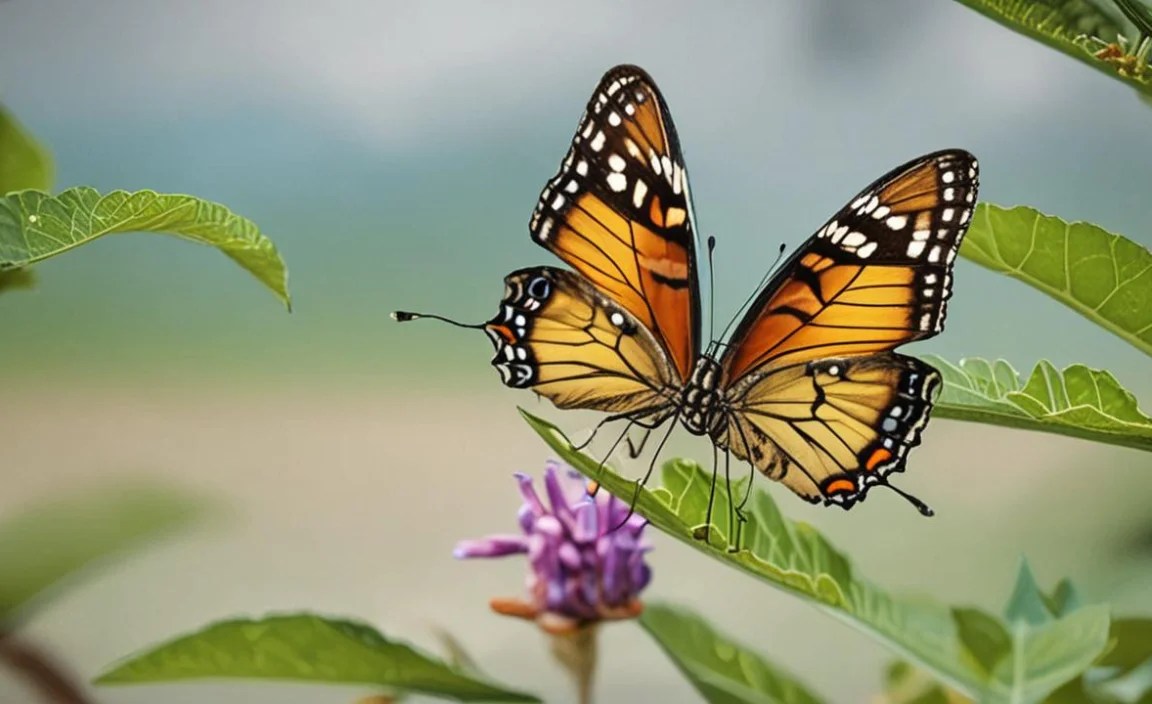
To grasp how climate change affects butterflies, it’s helpful to understand their life cycle. Butterflies undergo a complete metamorphosis, passing through four distinct stages: egg, larva (caterpillar), pupa (chrysalis), and adult.
The Four Stages
- Egg: Butterflies lay their eggs on specific host plants that caterpillars will eat.
- Larva (Caterpillar): Caterpillars are eating machines! They grow rapidly, molting their skin several times.
- Pupa (Chrysalis): The caterpillar transforms inside the chrysalis. This stage can last from a few weeks to two years.
- Adult: The butterfly emerges, ready to reproduce. Adult butterflies primarily feed on nectar from flowers.
Why the Life Cycle Matters
Each stage of the butterfly’s life cycle is sensitive to environmental conditions. Temperature, humidity, and the availability of food sources play critical roles in their survival. Climate change disrupts these conditions, impacting butterfly populations at every stage.
How Climate Change Impacts Butterflies
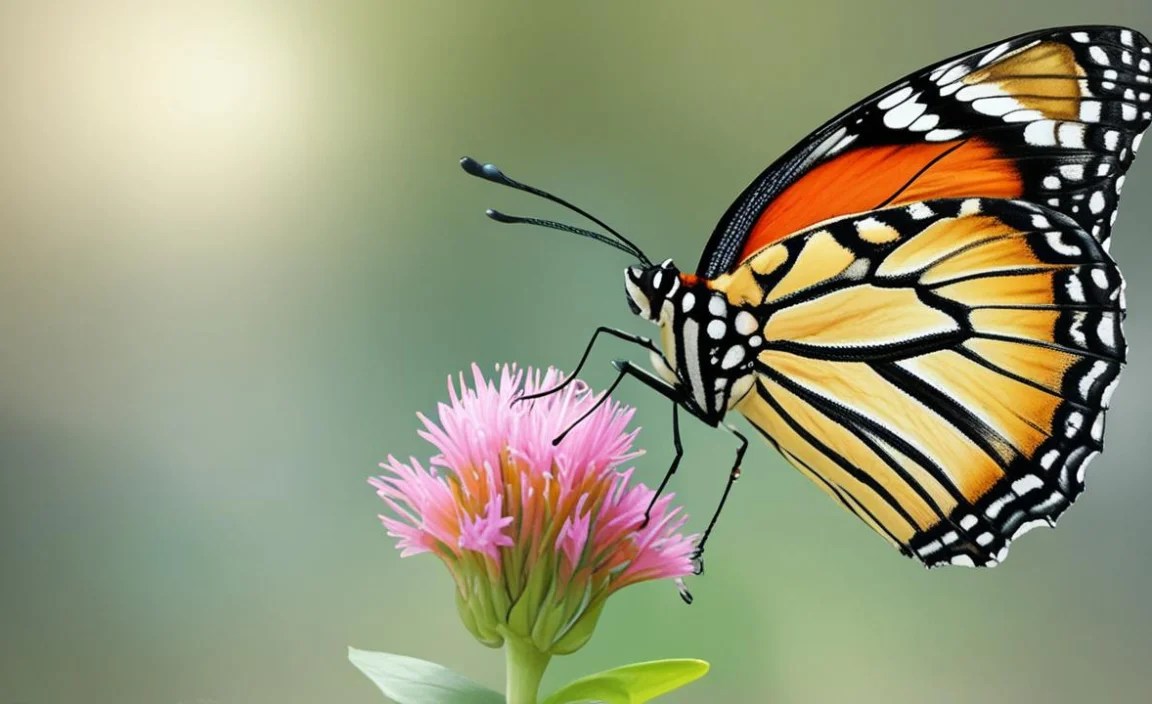
Climate change manifests in several ways that directly affect butterflies. These include rising temperatures, altered rainfall patterns, and more frequent extreme weather events.
Rising Temperatures
Butterflies are ectothermic, meaning their body temperature depends on the environment. Rising temperatures can:
- Speed up their development, leading to earlier emergence.
- Disrupt synchronization with host plants, causing caterpillars to hatch before or after their food source is available.
- Increase their metabolic rate, requiring more food.
For example, a study by the Xerces Society found that warmer temperatures caused some butterfly species to emerge earlier in the spring, before their host plants had fully leafed out, leading to starvation.
Altered Rainfall Patterns
Changes in rainfall patterns can also harm butterflies. Droughts can reduce the availability of nectar sources and host plants, while excessive rainfall can damage eggs and larvae.
- Droughts: Reduce plant growth, leading to food shortages.
- Floods: Wash away eggs and larvae.
- Unpredictable Rainfall: Disrupts breeding cycles.
In regions experiencing prolonged droughts, such as California, butterfly populations have declined due to the lack of essential resources.
Extreme Weather Events
Extreme weather events, such as heatwaves, cold snaps, and severe storms, can directly kill butterflies and destroy their habitats.
- Heatwaves: Cause dehydration and heat stress.
- Cold Snaps: Freeze eggs, larvae, and pupae.
- Severe Storms: Destroy habitats and disrupt migration patterns.
A 2021 report by the National Geographic highlighted how extreme weather events in Texas led to significant butterfly losses, particularly among overwintering Monarch populations.
Specific Effects of Climate Change on Butterfly Populations

The impacts of climate change are not uniform across all butterfly species. Some are more vulnerable than others, and the effects can vary depending on the region.
Range Shifts
As temperatures rise, some butterfly species are shifting their ranges northward or to higher elevations in search of suitable habitats.
- Northward Migration: Species move to cooler areas.
- Altitude Shifts: Butterflies seek cooler temperatures at higher elevations.
- Habitat Loss: Suitable habitats may not be available in new areas.
However, not all species can adapt quickly enough, and they may face habitat loss if they cannot migrate or if suitable habitats are unavailable.
Disrupted Synchronization
Climate change can disrupt the timing between butterfly life cycles and the availability of their host plants.
- Earlier Emergence: Butterflies emerge before host plants are ready.
- Mismatched Timing: Caterpillars hatch when food is scarce.
- Population Decline: Lack of food leads to starvation and reduced reproduction.
This phenomenon is particularly concerning for specialist butterfly species that rely on a single host plant.
Changes in Migration Patterns
Climate change can alter butterfly migration patterns, making them less predictable and more challenging for butterflies to complete.
- Altered Routes: Traditional migration routes become unsuitable.
- Increased Mortality: Difficult conditions lead to higher death rates.
- Reduced Reproduction: Stressed butterflies reproduce less successfully.
Monarch butterflies, known for their long-distance migration, are particularly vulnerable to these changes.
Case Studies: Butterfly Species at Risk

Several butterfly species are already experiencing significant declines due to climate change. Examining these cases can help us understand the broader impacts and inform conservation efforts.
Monarch Butterflies
Monarch butterflies are famous for their annual migration from Canada and the United States to Mexico. Climate change threatens their overwintering habitats and milkweed, their host plant.
- Habitat Loss: Deforestation and changing land use reduce overwintering sites.
- Milkweed Decline: Herbicides and habitat loss decrease milkweed availability.
- Extreme Weather: Severe storms and droughts impact migration routes.
Monarch populations have declined dramatically in recent decades, prompting conservation efforts such as milkweed planting and habitat restoration.
Quino Checkerspot Butterfly
The Quino Checkerspot Butterfly, found in Southern California and Baja California, is endangered due to habitat loss and climate change.
- Habitat Fragmentation: Development reduces suitable habitats.
- Drought: Lack of rainfall affects host plants.
- Temperature Changes: Alters the timing of their life cycle.
Conservation efforts include habitat preservation and restoration, as well as captive breeding programs.
Other Vulnerable Species
Many other butterfly species are at risk due to climate change, including:
- Karner Blue Butterfly: Depends on wild lupine, which is affected by drought.
- Oregon Silverspot Butterfly: Relies on specific habitats that are threatened by climate change.
- Miami Blue Butterfly: Endangered by habitat loss and extreme weather events.
What You Can Do to Help Butterflies

While the challenges posed by climate change are significant, there are many actions we can take to help butterflies. Here are some effective strategies:
Create a Butterfly-Friendly Garden
Planting a butterfly garden can provide essential resources for butterflies, including nectar sources and host plants.
- Choose Native Plants: Native plants are best adapted to your local climate and provide the most suitable food for butterflies.
- Provide Nectar Sources: Plant flowers that bloom throughout the butterfly season.
- Include Host Plants: Plant host plants for caterpillars, such as milkweed for Monarchs.
- Avoid Pesticides: Pesticides can harm or kill butterflies and other beneficial insects.
Here’s a quick guide to creating your butterfly garden:
| Step | Action | Benefit |
|---|---|---|
| 1 | Choose a sunny location | Butterflies need sunlight for warmth. |
| 2 | Plant a variety of flowers | Provides nectar throughout the season. |
| 3 | Include host plants | Supports caterpillar growth. |
| 4 | Provide a water source | Butterflies need water to stay hydrated. |
| 5 | Avoid pesticides | Protects butterflies from harmful chemicals. |
Support Habitat Conservation
Protecting and restoring natural habitats is crucial for butterfly conservation.
- Support Conservation Organizations: Donate to or volunteer with organizations that protect butterfly habitats.
- Advocate for Conservation Policies: Support policies that protect natural areas and promote sustainable land use.
- Participate in Habitat Restoration Projects: Help restore degraded habitats by planting native plants and removing invasive species.
Reduce Your Carbon Footprint
Reducing your carbon footprint can help mitigate climate change and its impacts on butterflies.
- Use Energy Efficiently: Reduce energy consumption by using energy-efficient appliances and lighting.
- Drive Less: Walk, bike, or use public transportation whenever possible.
- Eat Locally: Support local farmers and reduce the carbon emissions associated with transporting food.
- Reduce, Reuse, Recycle: Minimize waste by reducing consumption, reusing items, and recycling materials.
Participate in Citizen Science
Citizen science projects allow you to contribute to butterfly research and conservation.
- butterfly Counts: Participate in butterfly counts to monitor populations and track changes over time.
- Report Sightings: Report butterfly sightings to online databases to help researchers track their distribution and abundance.
- Monitor Host Plants: Monitor host plants for butterfly eggs and larvae to assess their reproductive success.
The Butterflies and Moths of North America website is a great resource for reporting sightings and learning about local butterfly species.
Educate Others
Raising awareness about the importance of butterflies and the threats they face is essential for promoting conservation.
- Share Information: Share information about butterflies and climate change with friends, family, and colleagues.
- Give Presentations: Give presentations to local groups and schools to educate others about butterfly conservation.
- Write Articles: Write articles for local newspapers and websites to raise awareness about butterfly issues.
Conclusion: A Call to Action
Climate change poses a significant threat to butterfly populations worldwide. Rising temperatures, altered rainfall patterns, and extreme weather events disrupt their life cycles, reduce their habitats, and alter their food availability. However, by understanding these impacts and taking action, we can help protect these vital pollinators.
Creating butterfly-friendly gardens, supporting habitat conservation, reducing our carbon footprint, participating in citizen science, and educating others are all effective strategies for helping butterflies thrive in a changing world. Let’s work together to ensure that future generations can enjoy the beauty and ecological benefits of these delicate creatures. Every small action counts, and together, we can make a big difference.
FAQ: Climate Change and Butterfly Decline
1. How does climate change affect butterfly migration?
Climate change can alter butterfly migration routes, making them less predictable. Extreme weather events and changes in temperature can disrupt their navigation and reduce their chances of completing their journey successfully.
2. What are host plants, and why are they important for butterflies?
Host plants are specific plants that butterfly caterpillars feed on. They are essential because caterpillars need these plants to grow and develop into butterflies. Without host plants, butterfly populations can decline.
3. Can planting a butterfly garden really make a difference?
Yes! Planting a butterfly garden provides crucial resources like nectar and host plants, which support butterfly populations. Even a small garden can offer a refuge for butterflies in urban and suburban areas.
4. What is citizen science, and how can I get involved?
Citizen science involves members of the public participating in scientific research. You can get involved by joining butterfly counts, reporting sightings, or monitoring host plants. These efforts help scientists track butterfly populations and understand their needs.
5. How does reducing my carbon footprint help butterflies?
Reducing your carbon footprint helps mitigate climate change, which is a major threat to butterflies. By using energy efficiently, driving less, and making sustainable choices, you can help create a more stable environment for butterflies to thrive.
6. Are all butterfly species affected equally by climate change?
No, some butterfly species are more vulnerable than others. Species with specific habitat requirements or those that rely on a single host plant are particularly at risk. Generalist species that can adapt to different conditions may be more resilient.
7. What conservation organizations are working to protect butterflies?
Several organizations are dedicated to butterfly conservation, including the Xerces Society, the North American Butterfly Association (NABA), and local nature centers. Supporting these organizations can help protect butterfly habitats and promote conservation efforts.


