
Day vs Night Butterfly Species: Spot the Difference!

Quick Summary: Telling the difference between day and night butterflies (moths) can be tricky! Butterflies are usually active during the day, have thin antennae with clubbed tips, and often display bright colors. Moths are often active at night, have feathery or comb-like antennae, and tend to have duller colors. But there are exceptions, so look at a combination of features for accurate identification!
Have you ever spotted a beautiful winged creature flitting around your garden and wondered if it was a butterfly or a moth? It’s a common question! Many people find it hard to tell them apart. Don’t worry, you’re not alone! Figuring out whether you’re looking at a daytime butterfly or a nighttime moth can be confusing. This guide will walk you through the key differences, so you can confidently identify these amazing insects. Let’s explore the fascinating world of butterflies and moths together!
Day vs. Night Butterfly Species: Unveiling the Differences

Butterflies and moths both belong to the order Lepidoptera, but they have evolved to fill different ecological niches. Understanding their differences helps us appreciate their unique adaptations and behaviors. Let’s dive into the key characteristics that set them apart.
Activity Period: When Do They Fly?
One of the most obvious differences lies in their activity patterns.
- Butterflies: Generally diurnal, meaning they are active during the day. They bask in the sunlight to warm their bodies and are often seen fluttering around flowers in search of nectar.
- Moths: Most are nocturnal, meaning they are active at night. They navigate using the moon and stars (and sometimes artificial lights, which can cause them to become disoriented). However, some moth species are also active during the day.
Antennae: A Key Distinguishing Feature
Antennae are a reliable way to tell butterflies and moths apart.
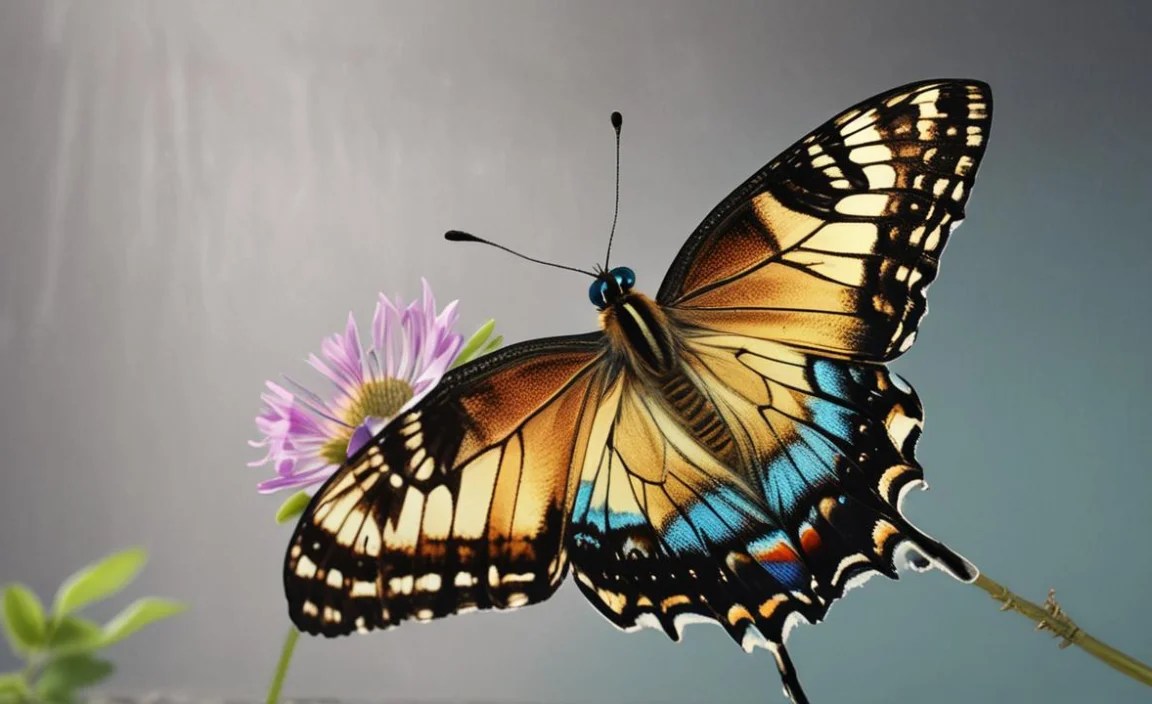
- Butterflies: Typically have slender, club-tipped antennae. The club at the end is a distinct feature.
- Moths: Usually have feathery or comb-like antennae. This helps them detect pheromones released by potential mates. Some moths have thread-like antennae, but they lack the clubbed tip seen in butterflies.
Wing Position at Rest: How Do They Hold Their Wings?
The way butterflies and moths hold their wings when at rest is another helpful clue.
- Butterflies: Often fold their wings vertically above their bodies when at rest. Some species may hold their wings open flat, especially when basking in the sun.
- Moths: Typically hold their wings flat against their bodies or spread out to the sides when at rest. Some moths fold their wings around their bodies in a tent-like fashion.
Body Shape: Look at the Abdomen
Body shape can also provide clues about whether you’re looking at a butterfly or a moth.
- Butterflies: Generally have slender, smooth abdomens.
- Moths: Often have thicker, furrier abdomens. This helps them retain heat during the cooler nights.
Coloration and Patterns: Bright vs. Camouflaged
While not a foolproof method, color and pattern can offer hints.
- Butterflies: Tend to have bright, vibrant colors and intricate patterns. These colors serve various purposes, including attracting mates and warning predators.
- Moths: Often have more muted, earthy tones that provide camouflage. This helps them blend in with their surroundings and avoid detection by predators during the day. However, there are many exceptions, with some moths displaying bright colors and patterns.
Pupal Stage: Chrysalis vs. Cocoon
The pupal stage, where the larva transforms into an adult, differs significantly between butterflies and moths.
- Butterflies: Form a chrysalis, which is a hard, smooth, and often colorful casing. The chrysalis is typically suspended from a branch or leaf.
- Moths: Typically form a cocoon, which is a silken casing spun by the larva. The cocoon provides protection during the pupal stage and is often camouflaged with leaves and twigs. Some moths pupate in the soil or leaf litter without forming a cocoon.
Detailed Comparison Table

To summarize the key differences, here’s a handy comparison table:
| Feature | Butterfly | Moth |
|---|---|---|
| Activity Period | Diurnal (active during the day) | Nocturnal (active at night), but some are diurnal |
| Antennae | Slender with clubbed tips | Feathery or comb-like (some are thread-like but without clubbed tips) |
| Wing Position at Rest | Wings held vertically above body or open flat | Wings held flat against body or spread out to the sides |
| Body Shape | Slender, smooth abdomen | Thicker, furrier abdomen |
| Coloration | Bright, vibrant colors and patterns | Muted, earthy tones (but some are brightly colored) |
| Pupal Stage | Chrysalis (hard, smooth casing) | Cocoon (silken casing) or pupates in soil/leaf litter |
Exceptions to the Rule
It’s important to remember that there are always exceptions to these general rules. Some moths are active during the day, and some butterflies have dull colors. For example:
- Day-flying moths: Many species of moths, such as the Hummingbird Clearwing Moth, are active during the day and resemble small hummingbirds as they hover and feed on nectar.
- Dull-colored butterflies: Some butterfly species, like the various shades of browns in the Skipper family, have more subdued colors that help them blend in with their surroundings.
To accurately identify a butterfly or moth, it’s best to consider a combination of features rather than relying on just one characteristic.
Examples of Day and Night Butterfly/Moth Species

Let’s look at some specific examples to illustrate the differences.
Day Butterflies
- Monarch Butterfly (Danaus plexippus): A well-known butterfly with bright orange wings and black markings. It is famous for its long-distance migration.
- Swallowtail Butterfly (Family Papilionidae): These butterflies are known for their large size and the distinctive “tails” on their hindwings. They come in a variety of colors and patterns.
- Painted Lady Butterfly (Vanessa cardui): A widespread butterfly with orange, brown, and black markings. It is found on every continent except Antarctica.
Night Moths
- Luna Moth (Actias luna): A large, pale green moth with long, flowing tails on its hindwings. It is a nocturnal species found in North America.
- Polyphemus Moth (Antheraea polyphemus): A large, yellowish-brown moth with a distinctive eyespot on each hindwing. It is also a nocturnal species.
- Cecropia Moth (Hyalophora cecropia): North America’s largest native moth, known for its impressive size and reddish-brown coloration. These nocturnal moths are a sight to behold.
Attracting Butterflies and Moths to Your Garden

Creating a butterfly and moth-friendly garden is a rewarding way to support these important pollinators. Here are some tips:
For Butterflies:
- Plant nectar-rich flowers: Choose a variety of flowers that bloom at different times of the year to provide a continuous source of nectar. Some popular choices include butterfly bush, coneflowers, zinnias, and milkweed.
- Provide host plants for caterpillars: Butterflies lay their eggs on specific host plants that their caterpillars can feed on. For example, Monarch caterpillars feed exclusively on milkweed.
- Offer a water source: Butterflies need water to drink. Provide a shallow dish of water with pebbles or stones for them to land on.
- Provide a basking spot: Butterflies need to bask in the sun to warm their bodies. Provide a flat rock or other surface in a sunny location.
- Avoid pesticides: Pesticides can harm or kill butterflies and other beneficial insects. Choose organic gardening methods whenever possible.
For Moths:
- Plant night-scented flowers: Moths are attracted to flowers with strong fragrances that are released at night. Some good choices include moonflower, evening primrose, and honeysuckle.
- Provide host plants for caterpillars: Like butterflies, moths also rely on specific host plants for their caterpillars. Research which moth species are common in your area and plant their host plants.
- Leave leaf litter: Many moth caterpillars overwinter in leaf litter. Leaving some leaf litter in your garden provides them with a safe place to pupate.
- Reduce light pollution: Artificial lights can disorient moths and interfere with their ability to find mates and food. Reduce light pollution by using shielded lights and turning off unnecessary lights at night.
The Ecological Importance of Butterflies and Moths
Butterflies and moths play vital roles in our ecosystems.
- Pollination: Both butterflies and moths are important pollinators. They transfer pollen from flower to flower as they feed on nectar, helping plants reproduce.
- Food source: Butterflies and moths, in their various life stages, serve as a food source for many animals, including birds, bats, and other insects.
- Indicators of environmental health: Butterflies and moths are sensitive to changes in their environment. Their presence or absence can indicate the health of an ecosystem.
By understanding and appreciating these creatures, we can take steps to protect them and their habitats.
Conservation Efforts
Many butterfly and moth species are facing threats due to habitat loss, climate change, and pesticide use. Here are some ways you can help:
- Support conservation organizations: Donate to or volunteer with organizations that are working to protect butterflies and moths and their habitats, such as The Xerces Society for Invertebrate Conservation.
- Create butterfly and moth-friendly habitats: Plant native flowers and host plants in your garden or community.
- Reduce pesticide use: Choose organic gardening methods and avoid using pesticides that can harm butterflies and moths.
- Educate others: Share your knowledge and passion for butterflies and moths with others.
- Advocate for conservation policies: Support policies that protect butterfly and moth habitats and promote sustainable land management practices.
Frequently Asked Questions (FAQs)
1. Are all brightly colored insects butterflies?
No, not all brightly colored insects are butterflies. Some moths are also brightly colored. Look at the antennae and wing position to be sure!
2. Do all moths fly at night?
No, many moths fly at night, but some are active during the day. These day-flying moths often mimic bees or hummingbirds.
3. What is the difference between a chrysalis and a cocoon?
A chrysalis is the hard, smooth casing that a butterfly pupa forms. A cocoon is the silken casing that a moth larva spins around itself before pupating.
4. How can I attract more butterflies to my garden?
Plant nectar-rich flowers and host plants for caterpillars. Provide a water source and a basking spot. Avoid using pesticides.
5. Are butterflies or moths more important for pollination?
Both butterflies and moths contribute to pollination. Butterflies are more active during the day, while moths are more active at night, ensuring pollination occurs at different times.
6. Why are some moths attracted to light?
Moths are thought to navigate using the moon and stars. Artificial lights can disrupt their navigation system, causing them to become disoriented and fly towards the light.
7. What should I do if I find an injured butterfly or moth?
If you find an injured butterfly or moth, you can try to help it by providing it with a sugar-water solution (one part sugar to four parts water) on a cotton ball. Place the cotton ball near its mouthparts and allow it to feed. You can also contact a local butterfly rescue organization for assistance.
Conclusion
Distinguishing between day and night butterfly species involves observing a combination of features, including activity period, antennae shape, wing position, body shape, and coloration. While there are exceptions to the rules, understanding these key differences can help you confidently identify these fascinating insects. By creating butterfly and moth-friendly habitats and supporting conservation efforts, we can help protect these vital pollinators and ensure that future generations can enjoy their beauty and ecological importance. So, get outside, explore your garden, and appreciate the amazing diversity of butterflies and moths around you!


