
Agricultural Expansion Butterflies: A Powerful Secret?

Agricultural expansion impacts butterflies by destroying their habitats, reducing food sources, and increasing pesticide use. Protecting butterflies requires sustainable farming practices, habitat preservation, and creating butterfly-friendly gardens. By making small changes, we can help butterflies thrive.
Have you ever wondered why you see fewer butterflies than you used to? One big reason is agricultural expansion. As farms grow, they often take over the natural areas where butterflies live and find food. This can make it hard for these beautiful creatures to survive. But don’t worry, there are things we can do to help!
In this article, we’ll explore how agricultural expansion affects butterflies and what steps we can take to protect them. We’ll look at the impact of habitat loss, pesticide use, and the importance of creating butterfly-friendly gardens. Get ready to learn how you can make a real difference!
Understanding Agricultural Expansion and Its Impact

Agricultural expansion refers to the increase in land used for farming. This often involves clearing forests, grasslands, and wetlands to create fields for crops and pastures for livestock. While agriculture is essential for food production, its expansion can have serious consequences for biodiversity, especially for sensitive species like butterflies.
Habitat Loss and Fragmentation
Butterflies need specific habitats to survive. These habitats provide food sources, shelter, and breeding grounds. When agricultural land expands, these habitats are destroyed or fragmented. This means that large, connected areas of natural vegetation are broken up into smaller, isolated patches.
- Reduced Food Sources: Many butterflies rely on specific host plants for their caterpillars to feed on. When these plants are removed to make way for crops, the caterpillars starve.
- Disrupted Life Cycles: Butterflies need suitable places to lay their eggs and pupate. Habitat loss disrupts these critical stages of their life cycle.
- Increased Isolation: Fragmented habitats isolate butterfly populations, making it harder for them to find mates and increasing the risk of local extinctions.
Pesticide Use
Pesticides are widely used in agriculture to control pests and protect crops. However, these chemicals can be harmful to butterflies, even when they are not the intended target.
- Direct Toxicity: Some pesticides are directly toxic to butterflies, killing them on contact.
- Indirect Effects: Pesticides can also harm butterflies indirectly by killing their food sources or contaminating their habitats.
- Disrupted Reproduction: Exposure to pesticides can disrupt butterfly reproduction, leading to fewer offspring.
Monoculture Farming
Monoculture farming involves growing a single crop over a large area. This practice can reduce biodiversity and harm butterflies in several ways.
- Lack of Diversity: Monoculture farms provide little or no food for butterflies and other pollinators.
- Increased Pesticide Use: Monoculture crops are often more susceptible to pests, leading to increased pesticide use.
- Soil Degradation: Monoculture farming can deplete soil nutrients and reduce soil health, further impacting the environment.
Specific Examples of Butterfly Decline Due to Agricultural Expansion
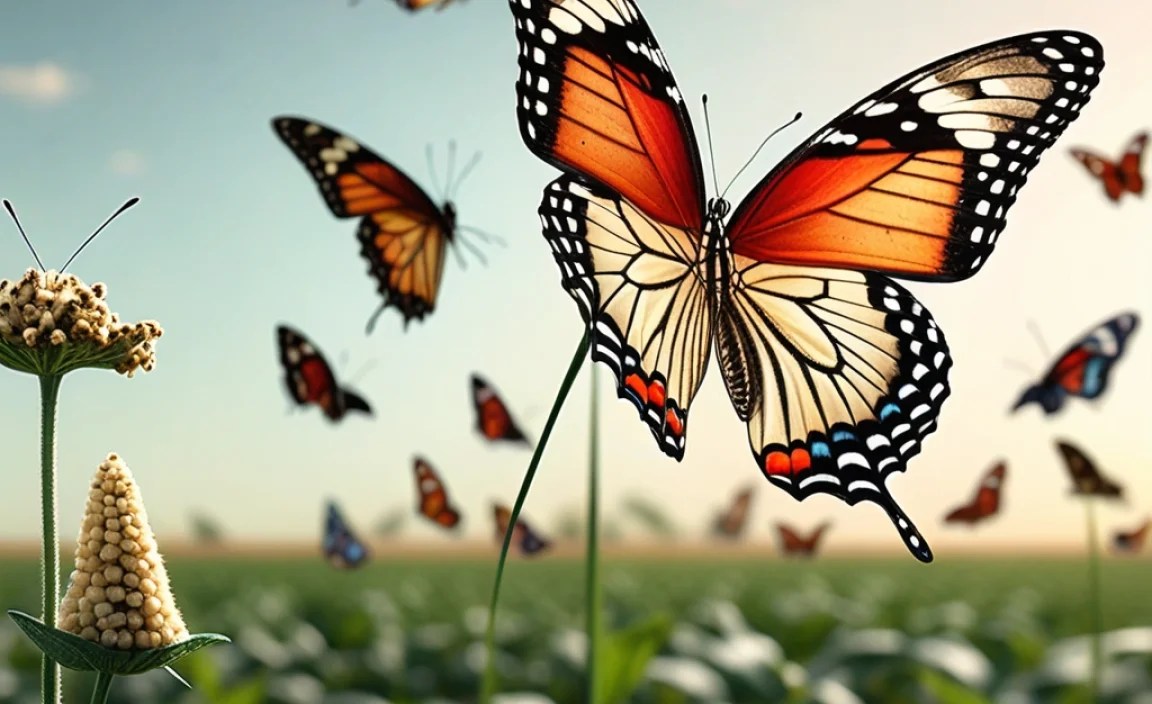
Several butterfly species have experienced significant declines due to agricultural expansion. Here are a few examples:
- Monarch Butterfly: The Monarch butterfly (Danaus plexippus) is famous for its long migration. Agricultural expansion, particularly the loss of milkweed (their larval host plant) due to herbicide use in corn and soybean fields, has significantly impacted their populations. Organizations like the U.S. Fish and Wildlife Service are working on Monarch conservation efforts.
- Regal Fritillary: The Regal Fritillary (Speyeria idalia) is a grassland butterfly that has declined due to habitat loss from agricultural conversion and fire suppression.
- Karner Blue Butterfly: The Karner Blue Butterfly (Lycaeides melissa samuelis) relies on wild lupine plants. Habitat loss and fragmentation from agriculture have severely reduced their populations.
How to Help Butterflies: Practical Steps
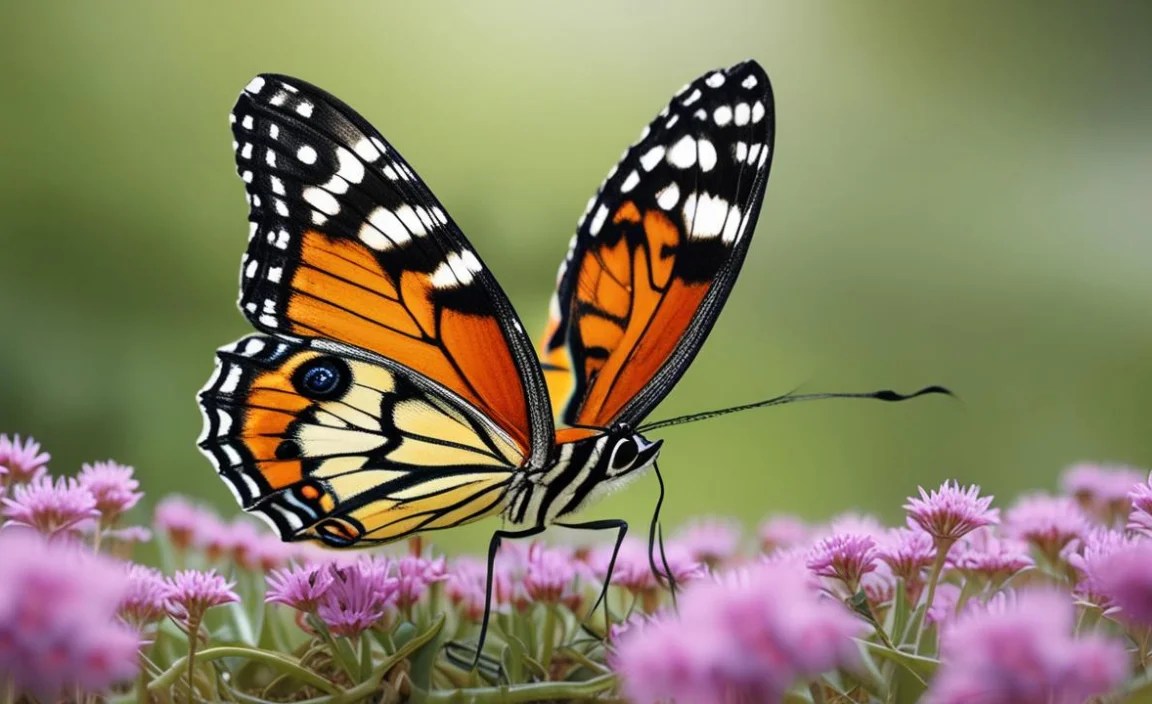
While the challenges posed by agricultural expansion are significant, there are many things we can do to help butterflies. Here are some practical steps you can take:
1. Create a Butterfly-Friendly Garden
One of the most effective ways to help butterflies is to create a butterfly-friendly garden. This involves planting flowers and host plants that provide food and shelter for butterflies at all stages of their life cycle.
- Choose Native Plants: Native plants are best because butterflies have evolved alongside them and are adapted to their local environment. The Lady Bird Johnson Wildflower Center offers a native plant database.
- Provide Nectar Sources: Plant flowers that provide nectar, such as butterfly bush, coneflowers, and zinnias.
- Include Host Plants: Plant host plants that caterpillars can feed on, such as milkweed for Monarchs, dill for Swallowtails, and lupine for Karner Blues.
- Avoid Pesticides: Do not use pesticides in your garden, as they can harm butterflies and other beneficial insects.
- Provide Water: Butterflies need water to drink. Provide a shallow dish of water with pebbles or marbles for them to land on.
- Offer Shelter: Provide shelter from wind and predators by planting shrubs and trees.
2. Support Sustainable Agriculture
Sustainable agriculture practices can help reduce the negative impacts of farming on butterflies and other wildlife.
- Buy Local and Organic: Support farmers who use sustainable farming practices by buying local and organic produce.
- Advocate for Change: Support policies that promote sustainable agriculture and protect butterfly habitats.
- Reduce Meat Consumption: Reducing meat consumption can decrease the demand for pastureland, which often comes at the expense of natural habitats.
3. Protect and Restore Habitats
Protecting and restoring butterfly habitats is crucial for their survival. You can get involved in habitat conservation efforts by:
- Supporting Conservation Organizations: Donate to or volunteer with organizations that work to protect butterfly habitats, such as The Xerces Society.
- Participating in Habitat Restoration Projects: Join local habitat restoration projects to help restore degraded areas.
- Educating Others: Raise awareness about the importance of butterfly conservation and the threats they face.
4. Reduce Pesticide Use
Reducing pesticide use is essential for protecting butterflies and other beneficial insects.
- Use Natural Pest Control Methods: Use natural pest control methods in your garden, such as introducing beneficial insects or using organic pesticides.
- Avoid Broad-Spectrum Pesticides: Avoid using broad-spectrum pesticides, which can kill a wide range of insects, including butterflies.
- Advocate for Reduced Pesticide Use: Support policies that reduce pesticide use in agriculture and promote integrated pest management.
5. Educate Yourself and Others
Education is a powerful tool for butterfly conservation. Learn as much as you can about butterflies and share your knowledge with others.
- Read Books and Articles: Read books and articles about butterflies to learn about their biology, ecology, and conservation.
- Attend Workshops and Seminars: Attend workshops and seminars on butterfly gardening and conservation.
- Share Your Knowledge: Share your knowledge with friends, family, and community members.
Examples of Successful Conservation Efforts

There are many examples of successful conservation efforts that have helped protect butterflies from the impacts of agricultural expansion. Here are a few:
- Monarch Butterfly Conservation: Efforts to restore milkweed habitat in agricultural landscapes have helped to increase Monarch butterfly populations.
- Habitat Restoration Projects: Habitat restoration projects in grasslands and wetlands have provided important habitat for many butterfly species.
- Sustainable Farming Initiatives: Sustainable farming initiatives that promote biodiversity and reduce pesticide use have helped to create more butterfly-friendly agricultural landscapes.
Butterfly-Friendly Gardening in Detail

Creating a butterfly-friendly garden involves more than just planting a few flowers. It requires careful planning and attention to detail. Here’s a more in-depth look at how to create a thriving butterfly garden:
Planning Your Garden
Before you start planting, take some time to plan your garden. Consider the following factors:
- Sunlight: Butterflies need plenty of sunlight to warm their bodies and fly. Choose a location that receives at least six hours of sunlight per day.
- Soil: Butterflies prefer well-drained soil. Amend heavy clay soils with compost or other organic matter.
- Water: Butterflies need a source of water. Provide a shallow dish of water with pebbles or marbles for them to land on.
- Shelter: Butterflies need shelter from wind and predators. Plant shrubs and trees to provide cover.
Choosing the Right Plants
Selecting the right plants is crucial for attracting butterflies to your garden. Choose a variety of nectar plants and host plants to support butterflies throughout their life cycle.
Nectar Plants
Nectar plants provide food for adult butterflies. Choose plants that bloom at different times of the year to provide a continuous source of nectar.
| Plant Name | Bloom Time | Color | Notes |
|---|---|---|---|
| Butterfly Bush (Buddleja davidii) | Summer | Various | Attracts many butterflies |
| Coneflower (Echinacea purpurea) | Summer | Purple | Easy to grow |
| Zinnia (Zinnia elegans) | Summer | Various | Annual, blooms profusely |
| Lavender (Lavandula angustifolia) | Summer | Purple | Fragrant, attracts bees and butterflies |
| Aster (Symphyotrichum) | Fall | Various | Late-season nectar source |
Host Plants
Host plants provide food for butterfly caterpillars. Choose plants that are native to your area and that are known to host the butterfly species you want to attract.
| Butterfly Species | Host Plant | Notes |
|---|---|---|
| Monarch (Danaus plexippus) | Milkweed (Asclepias spp.) | Essential for Monarch survival |
| Black Swallowtail (Papilio polyxenes) | Dill, Parsley, Fennel | Easy to grow herbs |
| Spicebush Swallowtail (Papilio troilus) | Spicebush, Sassafras | Native shrubs and trees |
| Eastern Tiger Swallowtail (Papilio glaucus) | Wild Cherry, Tulip Tree | Large trees, provide shade |
| Spring Azure (Celastrina ladon) | Dogwood, New Jersey Tea | Native shrubs and small trees |
Maintaining Your Garden
Once your garden is established, it’s important to maintain it properly to keep it thriving. Here are some tips:
- Water Regularly: Water your plants regularly, especially during dry periods.
- Fertilize Sparingly: Avoid over-fertilizing, as this can reduce the nectar content of flowers.
- Deadhead Flowers: Deadhead spent flowers to encourage more blooms.
- Control Pests Naturally: Use natural pest control methods to protect your plants from pests.
- Leave the Leaves: Leave fallen leaves in your garden over the winter to provide habitat for overwintering butterflies and other insects.
The Role of Conservation Organizations

Conservation organizations play a crucial role in protecting butterflies and their habitats. These organizations work to:
- Conduct Research: Conduct research to understand butterfly biology, ecology, and conservation needs.
- Protect Habitats: Protect and restore butterfly habitats through land acquisition and management.
- Educate the Public: Educate the public about the importance of butterfly conservation.
- Advocate for Policy Change: Advocate for policies that protect butterflies and their habitats.
Here are some notable conservation organizations working to protect butterflies:
- The Xerces Society: The Xerces Society is a non-profit organization that protects wildlife through the conservation of invertebrates and their habitats.
- National Wildlife Federation: The National Wildlife Federation works to protect and restore wildlife habitats across the United States.
- U.S. Fish and Wildlife Service: The U.S. Fish and Wildlife Service is a federal agency that works to conserve and protect fish, wildlife, and their habitats.
The Economic Value of Butterflies

Butterflies provide valuable ecosystem services, including pollination. Pollination is essential for the production of many crops, and butterflies play a significant role in this process. The economic value of butterfly pollination is estimated to be in the billions of dollars per year.
In addition to pollination, butterflies also contribute to ecotourism. Many people enjoy visiting butterfly gardens and natural areas to observe these beautiful creatures. Ecotourism can provide economic benefits to local communities and support conservation efforts.
The Cultural Significance of Butterflies
Butterflies have cultural significance in many societies around the world. They are often seen as symbols of transformation, beauty, and hope.
In some cultures, butterflies are believed to be the souls of the dead. In others, they are seen as messengers from the spirit world.
Butterflies are also popular motifs in art, literature, and music. Their beauty and grace have inspired countless artists and writers.
Conclusion: Protecting Butterflies for Future Generations
Agricultural expansion poses a significant threat to butterflies and their habitats. However, by taking action to create butterfly-friendly gardens, support sustainable agriculture, protect and restore habitats, reduce pesticide use, and educate ourselves and others, we can help butterflies thrive. Protecting butterflies is not only important for their own sake, but also for the health of our ecosystems and the well-being of future generations. Let’s all do our part to create a world where butterflies can flourish.
FAQ: Agricultural Expansion and Butterflies
1. What is agricultural expansion?
Agricultural expansion is the increase in land used for farming, often involving clearing natural habitats to create fields for crops or pastures for livestock.
2. How does agricultural expansion harm butterflies?
It destroys butterfly habitats, reduces food sources (both nectar for adults and host plants for caterpillars), and often leads to increased pesticide use, which can directly harm or kill butterflies.
3. What can I do to help butterflies in my backyard?
Create a butterfly-friendly garden by planting native nectar-rich flowers and host plants for caterpillars. Avoid using pesticides and provide a shallow dish of water.
4. What are some examples of host plants for butterflies?
Milkweed is a host plant for Monarch butterflies, dill and parsley for Black Swallowtails, and lupine for Karner Blue butterflies.
5. How does buying local and organic food help butterflies?
It supports farmers who use sustainable farming practices that reduce pesticide use and protect butterfly habitats, promoting biodiversity.
6. What are some organizations that help protect butterflies?
The Xerces Society, National Wildlife Federation, and U.S. Fish and Wildlife Service are organizations dedicated to butterfly conservation and habitat protection.
7. Why are butterflies important?
Butterflies are important pollinators, contributing to crop production and maintaining healthy ecosystems. They also hold cultural significance as symbols of beauty and transformation.


