
Cloud Forest Glasswing Butterfly: See the Secret

The cloud forest glasswing butterfly (Greta oto) is famous for its transparent wings, which help it camouflage in its cloud forest habitat. You can find these butterflies in the rainforests of Central and South America. They feed on nectar and are important pollinators. Glasswings also have a unique defense mechanism, storing toxins from plants they eat to make themselves unpalatable to predators.
Have you ever dreamed of seeing a butterfly with wings so clear, it seems to disappear right before your eyes? The cloud forest glasswing butterfly is a true marvel of nature. However, finding them in their natural habitat can be challenging, and understanding their unique biology is key to appreciating these delicate creatures. This article will guide you through everything you need to know about the cloud forest glasswing, from its habitat and diet to its fascinating life cycle and conservation status. Get ready to explore the enchanting world of the glasswing butterfly!
What is a Cloud Forest Glasswing Butterfly?

The cloud forest glasswing butterfly (Greta oto) is a unique butterfly species belonging to the Nymphalidae family. What truly sets it apart is the transparent membrane in its wings. This remarkable adaptation allows it to blend seamlessly into its lush cloud forest habitat. Unlike most butterflies with colorful, scaled wings, the glasswing has evolved to minimize light reflection, making it nearly invisible against the backdrop of foliage and sunlight.
Distribution and Habitat
Glasswing butterflies are primarily found in the humid cloud forests of Central and South America. Their range extends from Mexico to Panama and southward through Colombia, Ecuador, Peru, and Venezuela. These butterflies thrive in the understory of tropical rainforests, where high humidity and dense vegetation provide the perfect conditions for their survival. The specific elevations and microclimates of cloud forests are crucial for their life cycle, as they depend on the host plants available in these regions.
Physical Characteristics
The most striking feature of the glasswing butterfly is, of course, its wings. The tissue between the veins is transparent, giving the butterfly its common name. The borders of the wings are typically a dark brown or reddish-brown color, which helps to outline the shape and provide some structural support. The size of the glasswing butterfly varies, but it typically has a wingspan of about 5.6 to 6.1 cm (2.2 to 2.4 inches). The transparency is due to the nanostructures on the wing surface that minimize light reflection. These structures, called nanopillars, are arranged irregularly and are smaller than the wavelength of visible light, which reduces scattering and allows light to pass through.
Life Cycle of the Glasswing Butterfly

Understanding the life cycle of the glasswing butterfly is essential to appreciating its unique adaptations and conservation needs. The life cycle includes several stages, from egg to larva (caterpillar), pupa (chrysalis), and finally, the adult butterfly.
Egg Stage
The life cycle begins with the female glasswing butterfly laying her eggs. These eggs are typically laid on host plants belonging to the genus Cestrum, which are common in cloud forests. The eggs are small, round, and often a pale green or yellow color. The female carefully selects these plants because they provide the necessary nutrients for the developing larvae. She deposits the eggs singly or in small clusters on the underside of the leaves to protect them from predators and harsh weather conditions.
Larval Stage (Caterpillar)
Once the eggs hatch, the larvae emerge. These caterpillars are voracious eaters, feeding almost exclusively on the leaves of their host plants. The larval stage is marked by several instars, or molting stages, as the caterpillar grows and sheds its skin. Glasswing butterfly caterpillars are typically translucent with bright red or purple stripes, which serve as a warning coloration to potential predators. This is because they sequester toxins from the host plants, making them unpalatable. The caterpillars can consume a large amount of foliage during this stage, growing rapidly in preparation for pupation.
Pupal Stage (Chrysalis)
After the final larval instar, the caterpillar enters the pupal stage, forming a chrysalis. The chrysalis of the glasswing butterfly is a remarkable sight. It is typically metallic silver or gold in color and hangs suspended from a leaf or stem. This reflective surface helps to camouflage the pupa, mimicking dewdrops or small shiny objects to deter predators. Inside the chrysalis, the caterpillar undergoes a complete metamorphosis, transforming into the adult butterfly. This stage can last from a few days to several weeks, depending on environmental conditions such as temperature and humidity.
Adult Stage
Finally, the adult glasswing butterfly emerges from the chrysalis. The newly emerged butterfly has soft, crumpled wings that need to expand and harden. It pumps hemolymph (the insect equivalent of blood) into the wing veins to stretch them out. Once the wings are fully expanded and dry, the butterfly is ready to fly and begin its adult life. Adult glasswing butterflies feed on nectar from various flowering plants, playing a crucial role in pollination. They also mate and reproduce, continuing the cycle. The lifespan of an adult glasswing butterfly is relatively short, typically lasting only a few weeks to a few months.
Diet and Feeding Habits

The diet of the cloud forest glasswing butterfly is crucial to its survival and unique characteristics. Both the larval and adult stages have specific feeding habits that contribute to their overall health and ecological role.
Larval Diet
Glasswing butterfly larvae are highly specialized feeders, primarily consuming plants from the genus Cestrum. These plants contain alkaloids that the caterpillars sequester in their bodies. These toxins make the caterpillars unpalatable to predators, providing a chemical defense. The selection of Cestrum species as host plants is critical, as the availability and quality of these plants directly impact the growth and survival of the larvae. Gardeners and conservationists often focus on preserving these host plants to support glasswing butterfly populations.
Adult Diet
Adult glasswing butterflies feed on nectar from a variety of flowering plants. They use their long proboscis to extract nectar from flowers, providing them with the energy needed for flight, mating, and reproduction. Unlike some butterflies that are attracted to brightly colored flowers, glasswings often visit flowers that are less conspicuous, blending in with the surrounding foliage. In addition to nectar, adult glasswing butterflies also obtain nutrients from other sources, such as bird droppings and decaying fruit. These sources provide essential minerals and amino acids that are not readily available in nectar.
Predators and Defense Mechanisms
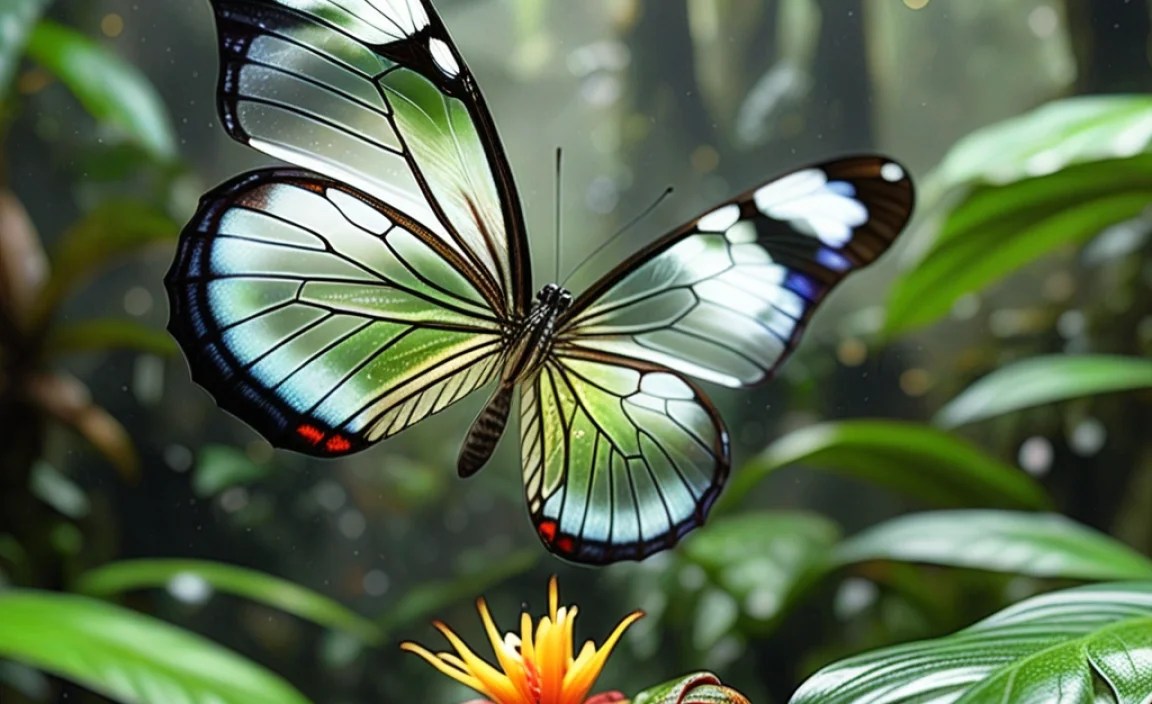
The cloud forest glasswing butterfly faces threats from various predators. To survive, it has developed several defense mechanisms.
Predators
Glasswing butterflies are preyed upon by a variety of animals, including birds, lizards, spiders, and insectivorous insects. These predators are common in the cloud forest habitat and pose a constant threat to both the larvae and adults. Birds are particularly effective predators, using their keen eyesight to spot the butterflies in flight. Lizards and spiders often ambush the butterflies as they rest on foliage. Insectivorous insects, such as praying mantises and assassin bugs, also prey on glasswing butterflies.
Defense Mechanisms
To protect themselves from predators, glasswing butterflies employ several defense strategies:
- Camouflage: The transparent wings of the glasswing butterfly provide excellent camouflage, allowing it to blend in with its surroundings. This makes it difficult for predators to spot the butterfly, especially when it is resting on foliage.
- Toxicity: As mentioned earlier, glasswing butterfly larvae sequester toxins from their host plants. These toxins make the caterpillars and adult butterflies unpalatable to predators. Predators that attempt to eat a glasswing butterfly may experience a bitter taste or even become sick, learning to avoid them in the future.
- Flight Behavior: Glasswing butterflies are strong fliers and can quickly escape from predators. They often fly in erratic patterns, making it difficult for predators to track them. They also tend to stay in the shaded understory of the forest, where they are less visible to predators.
Ecological Importance
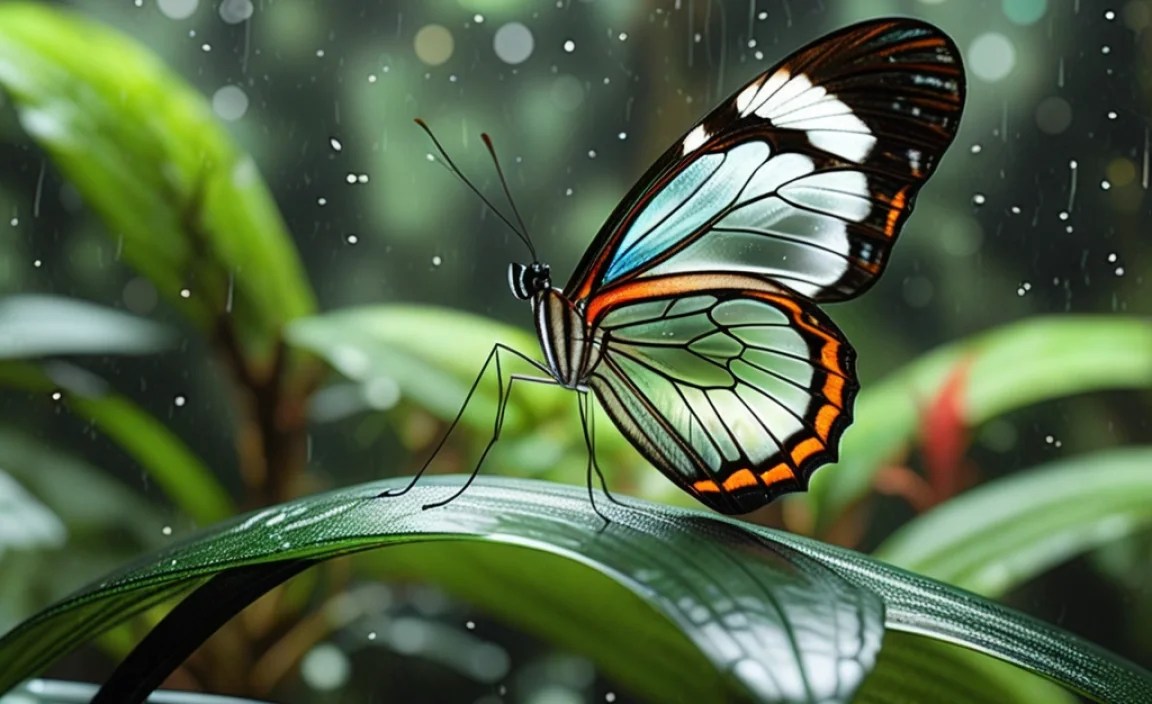
The cloud forest glasswing butterfly plays several important roles in its ecosystem.
Pollination
Adult glasswing butterflies are important pollinators, transferring pollen from flower to flower as they feed on nectar. This pollination is essential for the reproduction of many plant species in the cloud forest. By visiting a variety of flowering plants, glasswing butterflies contribute to the genetic diversity and overall health of the plant community.
Indicator Species
Glasswing butterflies are considered indicator species, meaning their presence and health reflect the overall condition of their habitat. A decline in glasswing butterfly populations can indicate environmental problems such as habitat loss, pollution, or climate change. Monitoring glasswing butterfly populations can provide valuable information about the health of the cloud forest ecosystem.
Food Web
Glasswing butterflies are an important part of the food web, serving as a food source for various predators. Their presence supports the populations of birds, lizards, and other insectivorous animals. The larvae also play a role in the ecosystem by consuming plant foliage, which helps to regulate plant growth and nutrient cycling.
Conservation Status and Threats
Understanding the conservation status and the threats faced by the cloud forest glasswing butterfly is vital for implementing effective conservation strategies.
Conservation Status
The cloud forest glasswing butterfly is not currently listed as endangered or threatened by major conservation organizations such as the International Union for Conservation of Nature (IUCN). However, local populations may be vulnerable due to habitat loss and other threats. Ongoing monitoring and conservation efforts are necessary to ensure the long-term survival of this species.
Threats
Several factors threaten glasswing butterfly populations:
- Habitat Loss: The primary threat to glasswing butterflies is habitat loss due to deforestation, agriculture, and urbanization. The destruction of cloud forests reduces the availability of host plants and nectar sources, making it difficult for the butterflies to survive.
- Climate Change: Climate change can alter the temperature and rainfall patterns in cloud forests, affecting the growth and distribution of host plants and nectar sources. Changes in climate can also disrupt the life cycle of the glasswing butterfly, making it more difficult for them to reproduce.
- Pesticide Use: The use of pesticides in agriculture can harm glasswing butterflies and their larvae. Pesticides can contaminate host plants and nectar sources, poisoning the butterflies.
- Collection: In some areas, glasswing butterflies are collected for the butterfly trade, which can reduce local populations. Sustainable ecotourism and regulated collection practices are needed to minimize this threat.
How to Attract Glasswing Butterflies to Your Garden
While glasswing butterflies are primarily found in cloud forests, there are ways to create a garden that attracts these and other butterfly species. Even if you don’t live in their native range, you can contribute to butterfly conservation by providing suitable habitats and resources.
Plant Host Plants
If you live in an area where Cestrum species can grow, consider planting them in your garden. These plants serve as host plants for the larvae and provide a valuable food source. Ensure that the plants are not treated with pesticides, as these can harm the caterpillars.
Provide Nectar Sources
Plant a variety of flowering plants that provide nectar for adult butterflies. Choose plants with different bloom times to ensure a continuous supply of nectar throughout the growing season. Native flowering plants are often the best choice, as they are adapted to the local climate and provide the most suitable nectar for local butterfly species.
Create a Butterfly-Friendly Habitat
Create a butterfly-friendly habitat by providing shelter, water, and basking spots. Plant trees and shrubs to provide shade and protection from the wind. Place shallow dishes of water with pebbles for butterflies to drink from. Provide basking spots by placing flat rocks in sunny areas where butterflies can warm themselves.
Avoid Pesticides
Avoid using pesticides in your garden, as these can harm butterflies and other beneficial insects. Use organic gardening practices to control pests and diseases. Encourage natural predators, such as birds and ladybugs, to help keep pest populations in check.
Support Conservation Efforts
Support local and national conservation organizations that work to protect butterfly habitats. Participate in citizen science projects, such as butterfly counts, to help monitor butterfly populations. Educate others about the importance of butterfly conservation and encourage them to take action to protect these beautiful creatures.
Glasswing Butterfly in Culture and Art
The unique appearance of the glasswing butterfly has made it a popular subject in art, culture, and symbolism.
Symbolism
In various cultures, butterflies often symbolize transformation, rebirth, and the beauty of nature. The glasswing butterfly, with its transparent wings, adds an additional layer of meaning. Its transparency can symbolize clarity, adaptability, and the ability to see through illusions. It represents the delicate balance of nature and the importance of preserving fragile ecosystems.
Art and Design
The glasswing butterfly has inspired artists and designers around the world. Its unique appearance has been featured in paintings, sculptures, jewelry, and fashion. The butterfly’s transparent wings are often depicted using glass, resin, or other transparent materials to capture its ethereal beauty. Designers also use the glasswing butterfly as a motif in textiles, wallpapers, and other decorative items.
Photography
Photographers are drawn to the glasswing butterfly because of its striking appearance and the challenge of capturing its transparency. Photographing these butterflies requires patience and skill, as they are often found in shaded areas and their wings can be difficult to focus on. The resulting images showcase the butterfly’s delicate beauty and highlight its unique adaptations.
Interesting Facts About Cloud Forest Glasswing Butterflies
Here are some fascinating facts about cloud forest glasswing butterflies that you might find interesting:
- Transparency Mechanism: The transparency of the glasswing butterfly’s wings is due to the presence of nanopillars on the wing surface. These structures are smaller than the wavelength of visible light and reduce light reflection, making the wings appear transparent.
- Toxin Sequestration: Glasswing butterfly larvae sequester toxins from their host plants, making them unpalatable to predators. This chemical defense is an effective way to protect themselves from being eaten.
- Camouflage: The transparent wings of the glasswing butterfly provide excellent camouflage, allowing it to blend in with its surroundings. This makes it difficult for predators to spot the butterfly, especially when it is resting on foliage.
- Pollination: Adult glasswing butterflies are important pollinators, transferring pollen from flower to flower as they feed on nectar. This pollination is essential for the reproduction of many plant species in the cloud forest.
- Indicator Species: Glasswing butterflies are considered indicator species, meaning their presence and health reflect the overall condition of their habitat. Monitoring glasswing butterfly populations can provide valuable information about the health of the cloud forest ecosystem.
- Habitat Specificity: Glasswing butterflies are primarily found in cloud forests, which are characterized by high humidity, dense vegetation, and specific microclimates. These conditions are essential for their survival.
Cloud Forest Glasswing Butterfly FAQs
Here are some frequently asked questions about cloud forest glasswing butterflies:
- What makes the glasswing butterfly’s wings transparent?
- The transparency is due to the nanopillars on their wings, which are smaller than the wavelength of visible light, reducing reflection and allowing light to pass through.
- Where do glasswing butterflies live?
- They primarily inhabit cloud forests in Central and South America, from Mexico to Panama, and south through countries like Colombia, Ecuador, and Peru.
- What do glasswing butterfly larvae eat?
- The larvae primarily feed on plants from the genus Cestrum, which contain toxins that make them unpalatable to predators.
- Are glasswing butterflies endangered?
- Currently, they are not listed as endangered, but their populations are threatened by habitat loss, climate change, and pesticide use.
- How can I help protect glasswing butterflies?
- You can support conservation organizations, plant host and nectar plants, avoid pesticide use, and educate others about the importance of butterfly conservation.
- What is the lifespan of a glasswing butterfly?
- The lifespan of an adult glasswing butterfly is relatively short, typically lasting only a few weeks to a few months.
- What role do glasswing butterflies play in their ecosystem?
- They are important pollinators and serve as indicator species, reflecting the overall health of their cloud forest habitat.
Conclusion
The cloud forest glasswing butterfly is a testament to the wonders of nature, showcasing remarkable adaptations and playing a crucial role in its ecosystem. From its transparent wings to its unique feeding habits and defense mechanisms, every aspect of its life is fascinating. By understanding the threats it faces and taking action to protect its habitat, we can ensure that future generations have the opportunity to witness the beauty of this extraordinary butterfly. Whether you’re a nature enthusiast, a gardener, or simply someone who appreciates the beauty of the natural world, the glasswing butterfly offers a compelling example of the importance of conservation and the interconnectedness of life on Earth. Let’s all do our part to protect these delicate creatures and the cloud forests they call home.


