
Species Identification in Asia: Your Easy Guide

Have you ever seen a bug you could not name? Asia is home to many plants and animals. Some are easy to spot. Others hide well. Figuring out what they are is species identification in Asia. It helps us learn about our world.
Why is naming a plant or animal so important? What if that plant is medicine? What if that animal needs our help? Knowing what it is lets us protect it. It also lets us learn from it.
Imagine a tiny frog in a rainforest. It might have a special power. Maybe it can help doctors make new medicine. We would never know if we did not identify it first. Species identification in Asia opens a door to discovery.
Key Takeaways
- Species identification in Asia is key to understanding and protecting its diverse wildlife.
- Scientists use tools like DNA testing and field guides to identify species.
- Knowing the name of a species helps us study its behavior and needs.
- Many new species are still being discovered in Asia’s remote areas.
- Protecting habitats is important for preserving Asia’s unique species.
The Importance of Species Identification in Asia

Species identification in Asia is super important. Asia has lots of different plants and animals. Some are big, like elephants. Some are small, like tiny insects. Knowing what they are helps us understand nature. It helps us protect them too. If we do not know what lives in a forest, how can we save it? If we do not know a plant is rare, how can we keep it safe? Species identification in Asia is like giving each living thing a name. This name helps us learn about its life.
- It helps us protect rare animals.
- We can learn about new plants.
- It lets us study how animals live.
- We can track changes in nature.
- It helps us understand ecosystems.
Think about a panda. We know what a panda is. Because of that, we can help pandas. We can protect where they live. We can study how they eat and sleep. If we did not know what a panda was, we could not do any of that. Species identification in Asia is the first step to helping nature. It is also the first step to learning about the amazing world around us. It helps us appreciate all the different kinds of life on Earth.
Fun Fact or Stat: More species of tiger live in Asia than anywhere else in the world!
Why is Taxonomy Important?
Taxonomy is like a big family tree for all living things. It helps us organize and understand how different plants and animals are related. Without taxonomy, it would be hard to keep track of all the different species in Asia. Imagine trying to find a book in a library with no system! Taxonomy gives each species a unique name. This name is used by scientists all over the world. It helps them talk about the same animal or plant, even if they speak different languages.
How Does Classification Work?
Classification is how scientists group living things together. They look at what things have in common. For example, all mammals have fur or hair. They also feed their babies milk. So, scientists put them in the same group. The classification system goes from big groups to small groups. The biggest group is called a kingdom. The smallest group is called a species. Species identification in Asia often relies on careful classification. This helps scientists understand the relationships between different organisms.
What are the Benefits of Knowing Names?
Knowing the names of plants and animals has many benefits. It helps us study them better. We can learn about what they eat. We can learn about where they live. We can also learn about how they act. Names also help us protect them. If we know a species is in danger, we can try to save it. Species identification in Asia is the first step to conservation. It also helps us appreciate the amazing variety of life on Earth.
Fun Fact or Stat: The scientific name for humans is Homo sapiens.
Methods for Species Identification in Asia

Species identification in Asia can be tricky. Some animals look very similar. Some plants are hard to find. Scientists use many different methods. One way is to look at the animal or plant closely. They look at its size, shape, and color. They might also look at its bones or leaves. Another way is to use DNA. DNA is like a code inside every living thing. Scientists can compare DNA to see if two animals or plants are the same species. They can also use field guides. These books have pictures and descriptions of different species.
- Careful observation is very important.
- DNA testing can help identify species.
- Field guides provide helpful images.
- Experts use their knowledge of the area.
- Sometimes, you need special equipment.
Imagine you find a strange bird in your backyard. You can use a field guide to try to identify it. You can look at the bird’s colors and size. You can compare it to the pictures in the book. If you are not sure, you can ask an expert. Experts know a lot about plants and animals. They can help you figure out what you have found. Species identification in Asia relies on both careful observation and expert knowledge.
Fun Fact or Stat: Some butterflies look like leaves to hide from predators.
Using Field Guides Effectively
Field guides are like helpful dictionaries for nature. They show you pictures and descriptions of different plants and animals. To use a field guide, first find the right section. If you are looking at a bird, go to the bird section. Then, look at the pictures. Try to find a picture that looks like the animal or plant you saw. Read the description to see if it matches. Species identification in Asia often starts with a good field guide. Remember to look at the small details too.
The Role of DNA Analysis
DNA is like a secret code inside every living thing. Scientists can use DNA to identify species. They take a small sample of the animal or plant. Then, they look at its DNA. They can compare the DNA to other samples. If the DNA is very similar, the animals or plants are probably the same species. DNA analysis is very useful for species identification in Asia. It can help identify species that look very similar. It can also help find new species.
How Experts Contribute to the Process
Experts know a lot about plants and animals. They can often identify a species just by looking at it. They have studied many different species. They know what to look for. They also know where to find different species. Experts are very important for species identification in Asia. They can help identify rare or unusual species. They can also help train new scientists. Their knowledge is essential for protecting Asia’s amazing wildlife.
Fun Fact or Stat: Some scientists study animal poop to learn about what they eat.
Challenges in Identifying Asian Species
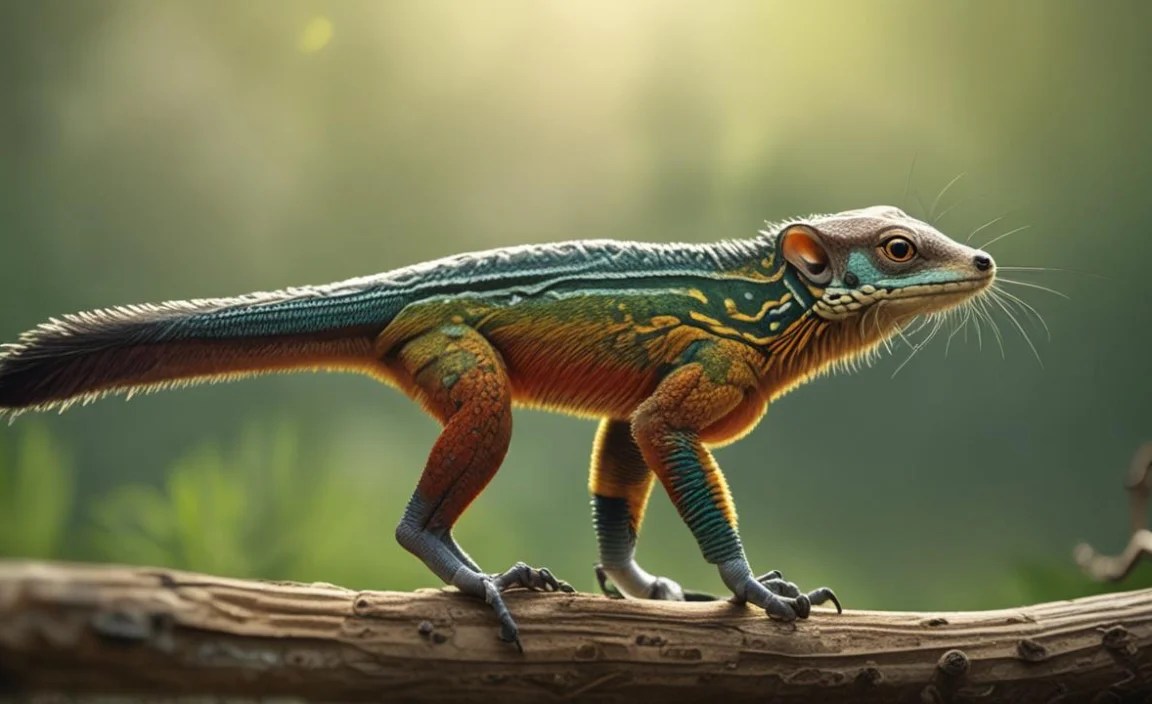
Species identification in Asia can be hard. Asia is a very big place. It has many different kinds of habitats. There are rainforests, mountains, and deserts. Many species live in remote areas. It can be hard to get to them. Some species look very similar to each other. This can make it hard to tell them apart. Sometimes, there is not much information about a species. Scientists may not know what it eats or how it lives. This makes it harder to identify it correctly. Climate change is also making it harder.
- Asia is a very large continent.
- Some species live in remote areas.
- Many species look very alike.
- Climate change affects species.
- Habitats are being destroyed.
Imagine trying to find a tiny insect in a huge rainforest. It would be very hard! Or imagine trying to tell two kinds of frogs apart when they look almost exactly the same. These are some of the challenges that scientists face. Species identification in Asia requires patience and skill. It also requires new tools and methods. Scientists are always working to improve the way they identify species.
Fun Fact or Stat: Some insects can only be found on one specific type of plant.
Habitat Loss and Its Effects
Habitat loss is a big problem for many species in Asia. When forests are cut down or wetlands are drained, animals lose their homes. They also lose their food and water. This can make it hard for them to survive. Habitat loss can also make species identification in Asia more difficult. When animals are forced to move, they may go to new areas. This can make it harder to know where they live and how many there are.
Climate Change and Species Distribution
Climate change is changing the world’s weather. This can affect where animals and plants can live. Some species may have to move to cooler areas. Others may not be able to survive. Climate change can also make species identification in Asia more difficult. It can change the way species look and act. This can make it harder to tell them apart. Scientists need to understand how climate change is affecting species. This will help them protect them in the future.
The Need for More Research
There is still a lot we do not know about species in Asia. Scientists need to do more research. They need to study where different species live. They need to learn about what they eat. They also need to understand how they act. This information is important for protecting species. It can also help us understand the world around us. More research is essential for successful species identification in Asia.
Fun Fact or Stat: Some plants can only grow in one specific place on Earth.
Tools Used in Asian Species Identification

Species identification in Asia uses many tools. Scientists use microscopes to see tiny details. They use binoculars to watch animals from far away. They use cameras to take pictures of plants and animals. They also use computers to analyze DNA. Field guides are also important tools. These books help scientists identify species. They have pictures and descriptions of different plants and animals. Scientists also use traps to catch animals. This lets them study them up close.
- Microscopes help see tiny things.
- Binoculars help watch animals.
- Cameras help record observations.
- Computers analyze data.
- Traps help catch animals safely.
Imagine you are a scientist studying insects. You would need a microscope to see their tiny body parts. You would also need a camera to take pictures of them. If you wanted to study their DNA, you would need a computer. All of these tools help scientists learn more about species identification in Asia. They also help them protect these amazing creatures.
Fun Fact or Stat: Some microscopes can see things as small as atoms.
High-Tech Imaging Techniques
High-tech imaging techniques are helping scientists learn more about species. They use special cameras and scanners to see inside animals and plants. This can help them identify diseases. It can also help them study how animals move. These techniques are very useful for species identification in Asia. They can help scientists learn about rare and endangered species. They can also help them understand how different species are related.
The Use of Acoustic Monitoring
Acoustic monitoring is when scientists record the sounds that animals make. They can use these sounds to identify different species. For example, different birds have different songs. Scientists can use acoustic monitoring to study birds. They can also use it to study other animals, like frogs and insects. This method is very useful for species identification in Asia. It can help scientists find species that are hard to see. It can also help them track how species are moving.
Remote Sensing and GIS Technology
Remote sensing is when scientists use satellites and airplanes to study the Earth. They can use this technology to map habitats. They can also use it to track changes in the environment. GIS technology helps scientists organize and analyze data. They can use it to create maps and models. These technologies are very useful for species identification in Asia. They can help scientists understand where different species live. They can also help them protect those species.
Fun Fact or Stat: Some satellites can see things as small as a car.
Case Studies: Successful Identification in Asia
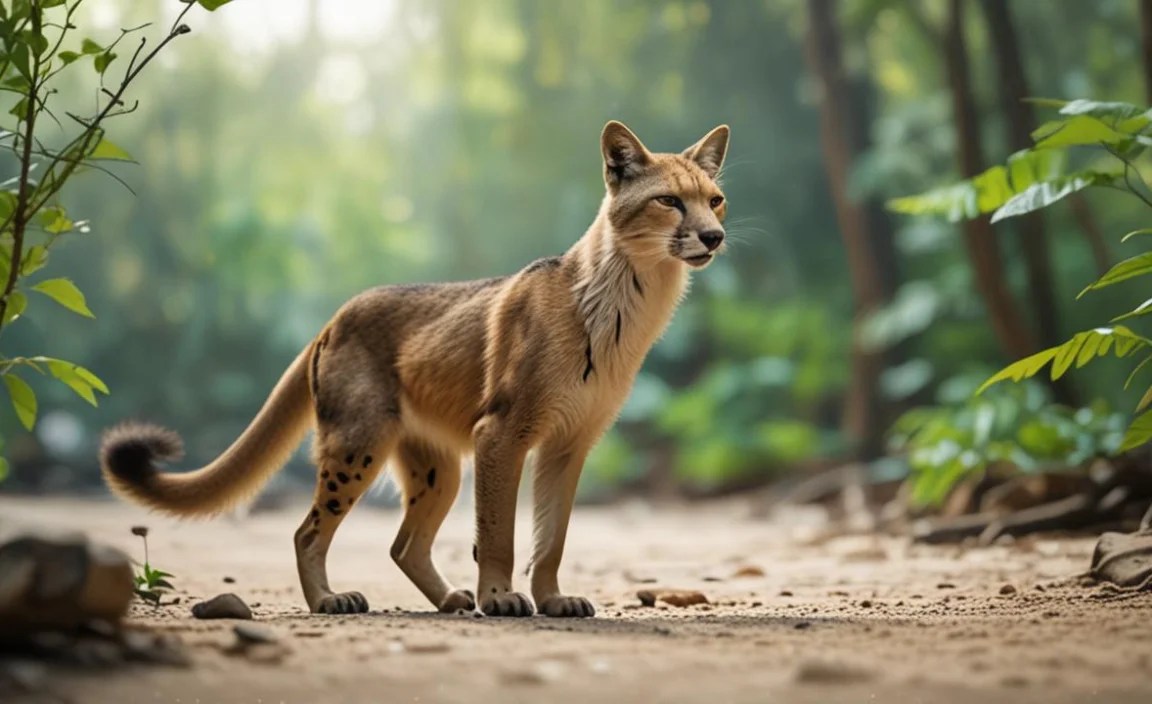
Many species in Asia have been successfully identified. One example is the Saola. This animal is a type of wild cattle. It was only discovered in the 1990s. Scientists used DNA to confirm that it was a new species. Another example is the Mekong giant catfish. This is one of the largest freshwater fish in the world. Scientists used traditional methods to identify it. They looked at its size and shape. Species identification in Asia has led to many exciting discoveries.
- The Saola was discovered recently.
- The Mekong giant catfish is huge.
- New frog species are found often.
- Unique insects keep appearing.
- Plant discoveries happen every year.
Imagine finding a brand-new animal that no one has ever seen before. That is what it is like to discover a new species. Species identification in Asia is important. It helps us understand the world around us. It also helps us protect the amazing variety of life on Earth. It is an ongoing effort. Scientists are always working to find and identify new species.
Fun Fact or Stat: Some animals are only found in one small area of Asia.
Discovering the Saola in Vietnam
The Saola is a rare animal that lives in Vietnam and Laos. It looks like a deer but is related to wild cattle. Scientists first discovered the Saola in 1992. They found a skull with long, straight horns. They knew right away that it was something special. It took many years to get a good picture of a Saola. This animal is very shy and hard to find. The discovery of the Saola showed how much we still need to learn about species identification in Asia.
Identifying New Frog Species in Borneo
Borneo is an island in Southeast Asia. It is home to many different kinds of frogs. Scientists are constantly discovering new frog species there. Some of these frogs are very small. Some of them are very colorful. Scientists use DNA and other methods to identify them. Each new frog species tells us something about the biodiversity of Borneo. It also shows us how important it is to protect these habitats. Species identification in Asia is key to understanding these frogs.
Uncovering Unique Insect Species in the Himalayas
The Himalayas are a mountain range in Asia. They are home to many unique insect species. Some of these insects are adapted to living in very cold conditions. Others are adapted to living at high altitudes. Scientists are always discovering new insect species in the Himalayas. They use different methods to identify them. These include looking at their body parts and studying their DNA. These discoveries show how much we still need to learn about species identification in Asia and its insects.
Fun Fact or Stat: Some insects can survive being frozen solid.
The Future of Species Identification in Asia
The future of species identification in Asia looks bright. Scientists are developing new tools and methods. These tools will help them identify species more quickly and easily. They are also using computers to analyze data. This will help them understand how different species are related. More people are becoming interested in nature. This will lead to more discoveries. Protecting habitats is also very important. This will help ensure that species can survive.
- New technologies are being developed.
- More people are interested in nature.
- Protecting habitats is very important.
- International cooperation is growing.
- Citizen science can help a lot.
Imagine a world where we know every single species on Earth. This is the goal of species identification in Asia. It is a big goal, but it is possible. With new tools and more people helping, we can learn about all the amazing plants and animals that share our planet. This knowledge will help us protect them for future generations.
Fun Fact or Stat: Some scientists are using drones to study animals in the wild.
Advancements in Technology
Technology is changing the way we identify species. Scientists are using new tools like DNA sequencers and high-powered microscopes. These tools allow them to see things they could not see before. They can also analyze data much faster. This is helping them to identify new species and learn more about existing ones. These advancements are very important for species identification in Asia.
The Role of Citizen Science
Citizen science is when regular people help scientists with their research. They can do this by taking pictures of plants and animals. They can also help collect data. This data can be used to identify species. Citizen science is becoming more and more popular. It is a great way to get people involved in nature. It is also a valuable tool for species identification in Asia.
Conservation Efforts and Species Preservation
Conservation is about protecting plants and animals. It is also about protecting their habitats. Conservation efforts are very important for species identification in Asia. If we do not protect species, they may disappear before we even know they exist. By protecting habitats and reducing pollution, we can help ensure that species survive. We can also help them to thrive.
Here is a table showing a comparison of different methods for identifying a type of snake:
| Method | Pros | Cons | Cost |
|---|---|---|---|
| Visual Identification | Quick, easy, and cheap. | Can be inaccurate, needs expert. | Low |
| Scale Counting | More accurate than visual ID. | Time-consuming, needs training. | Low to medium |
| DNA Analysis | Very accurate, can ID cryptic species. | Expensive, needs lab equipment. | High |
| Geographic Location | Helpful for known distributions. | Can be misleading if species is moved. | Low |
Summary
Species identification in Asia is very important. It helps us understand the amazing variety of life. It also helps us protect plants and animals. Scientists use many different tools and methods. They look at the size, shape, and color of animals. They also use DNA to identify species. It can be hard because Asia is a big place. Many species live in remote areas. Some species look very similar.
Despite the challenges, scientists are making progress. They are discovering new species all the time. They are also learning more about existing species. This knowledge is helping us to protect them. New technologies and more people helping are key. Protecting habitats and species is very important for the future.
Conclusion
Species identification in Asia is a vital task. It lets us learn about and protect the amazing plants and animals. Scientists work hard to find, name, and understand the different species. By learning their names and how they live, we can help them. Protecting their homes is also very important. Together, we can help ensure that all species thrive in Asia.
Frequently Asked Questions
Question No 1: Why is species identification in Asia important?
Answer: It is important because Asia has lots of different plants and animals. Some are rare, and some are in danger. Knowing what they are helps us protect them. If we do not know what a plant or animal is, we cannot help it. We also cannot learn from it. Species identification in Asia is the first step to understanding and protecting nature. It lets us appreciate the amazing variety of life.
Question No 2: What tools do scientists use to identify species?
Answer: Scientists use many tools. They use microscopes to see tiny things. They use binoculars to watch animals from far away. They use cameras to take pictures. They also use DNA to identify species. Field guides are also important. These books have pictures and descriptions of different species. Traps can help catch animals to study them up close. All these tools help scientists learn more about species identification in Asia.
Question No 3: What are some challenges in identifying species in Asia?
Answer: There are many challenges. Asia is a very big place. Some species live in remote areas. It can be hard to get to them. Some species look very similar to each other. This can make it hard to tell them apart. Climate change is also making it harder. It is changing where animals and plants can live. All these things make species identification in Asia difficult.
Question No 4: How can I help with species identification in Asia?
Answer: You can help by becoming a citizen scientist. You can take pictures of plants and animals. You can share your pictures with scientists. You can also learn about different species. The more you know, the better you can help. You can also support organizations that are working to protect species. Every little bit helps. Your observations can contribute to the larger understanding of species identification in Asia.
Question No 5: What is DNA barcoding?
Answer: DNA barcoding is a way to identify species using DNA. Scientists take a small sample of DNA from an animal or plant. Then, they compare it to a database of DNA barcodes. If the DNA matches a barcode, they can identify the species. DNA barcoding is a very useful tool. It can help identify species that look very similar. It can also help find new species. This method is very important for species identification in Asia.
Question No 6: How does climate change affect species identification?
Answer: Climate change is changing the world’s weather. This can affect where animals and plants can live. Some species may have to move to cooler areas. Others may not be able to survive. Climate change can also make species identification in Asia more difficult. It can change the way species look and act. This can make it harder to tell them apart. Scientists need to understand how climate change is affecting species. This will help them protect them in the future.


