
Species Identification for Conservation: Your Powerful Guide

Did you know some animals look very similar? It can be hard to tell them apart. But knowing what they are is super important. This helps us protect them. This is why species identification for conservation matters. It is like being a detective for nature.
Have you ever seen a bird and wondered what kind it was? Or maybe a cool bug in your backyard? Figuring out what they are helps scientists. They can learn about where animals live. They can also learn how to keep them safe.
Imagine if we didn’t know which animals were in danger. We might not be able to help them. Species identification for conservation is like giving them a name. It lets us understand their needs. Then, we can work to protect them. It’s all about knowing who our neighbors are.
Key Takeaways
- Species identification for conservation is vital for protecting endangered animals and plants.
- Knowing species helps us understand ecosystems and how they work.
- Scientists use many tools to identify species, like DNA and photos.
- Protecting habitats is key to helping all kinds of plants and animals thrive.
- Everyone can help by learning about local species and sharing that knowledge.
The Importance of Species Identification for Conservation

Have you ever wondered why we need to know the names of all the different plants and animals? It’s not just about being able to say “That’s a robin!” or “That’s a daisy!” Knowing exactly what species we’re looking at is super important for protecting them. Think of it like this: if you don’t know someone’s name, how can you help them? Species identification for conservation helps us understand what plants and animals are in danger. It also shows us where they live. This knowledge is the first step in making sure they have a safe place to live. Scientists use special clues to figure out what species something is. They might look at its colors, its size, or even its DNA. All of this information helps us understand the amazing variety of life on Earth. It also helps us protect it for the future. Without knowing what we have, we can’t protect it properly.
- Knowing species helps us track changes in the environment.
- We can protect endangered species with correct identification.
- It also helps us manage ecosystems better.
- Species identification for conservation supports research projects.
- It informs decisions about land use and development.
- Knowing species helps prevent the spread of invasive species.
Imagine a forest. It seems like just a bunch of trees, right? But each tree is a different species. Each one plays a special role in the forest. Some trees give food to animals. Other trees give shelter. If we don’t know what kinds of trees are there, we might accidentally cut down the wrong ones. That could hurt the whole forest. Species identification for conservation helps us understand how all the different plants and animals work together. When we understand this, we can make better choices about how to protect them. It’s like putting together a puzzle. Each species is a piece of the puzzle. When we know what all the pieces are, we can see the whole picture. This helps us keep the picture safe and healthy for everyone.
Fun Fact or Stat: There are an estimated 8.7 million species on Earth, but only about 1.2 million have been identified!
Why Does Species Identification Matter?
Have you ever played hide-and-seek? Species identification for conservation is a bit like that. But instead of finding people, we’re finding plants and animals. And instead of just playing a game, we’re trying to save them. When we know what species are in an area, we can learn about their needs. Do they need a lot of water? Do they need a certain kind of food? Do they need a safe place to raise their babies? When we know these things, we can make sure they have what they need to survive. It’s like being a good friend to the plants and animals around us. We want to make sure they’re happy and healthy. And by identifying them, we can do just that.
How Does Identification Help Conservation?
Imagine you’re a doctor. A patient comes in feeling sick. What’s the first thing you do? You try to figure out what’s wrong, right? You ask questions. You do tests. You try to identify the problem. Species identification for conservation is kind of like that. When a species is in trouble, we need to figure out why. Are they losing their habitat? Are they being hunted too much? Is the climate changing? By identifying the species, we can start to answer these questions. We can learn about the threats they face. Then, we can come up with a plan to help them. It’s like being a detective for nature. We’re trying to solve the mystery of why a species is disappearing.
What Happens Without Species ID?
Let’s say you’re building a house. You need to know what kind of wood to use. You need to know how strong the walls need to be. You need to know how to keep the house warm in the winter. If you don’t have this information, your house might fall down! The same is true for conservation. If we don’t know what species are in an area, we might make mistakes. We might build a road through their habitat. We might pollute their water. We might introduce a new species that hurts them. Without species identification for conservation, we’re like builders without a blueprint. We’re just guessing. And that’s not a good way to protect the plants and animals around us.
Methods Used in Species Identification for Conservation
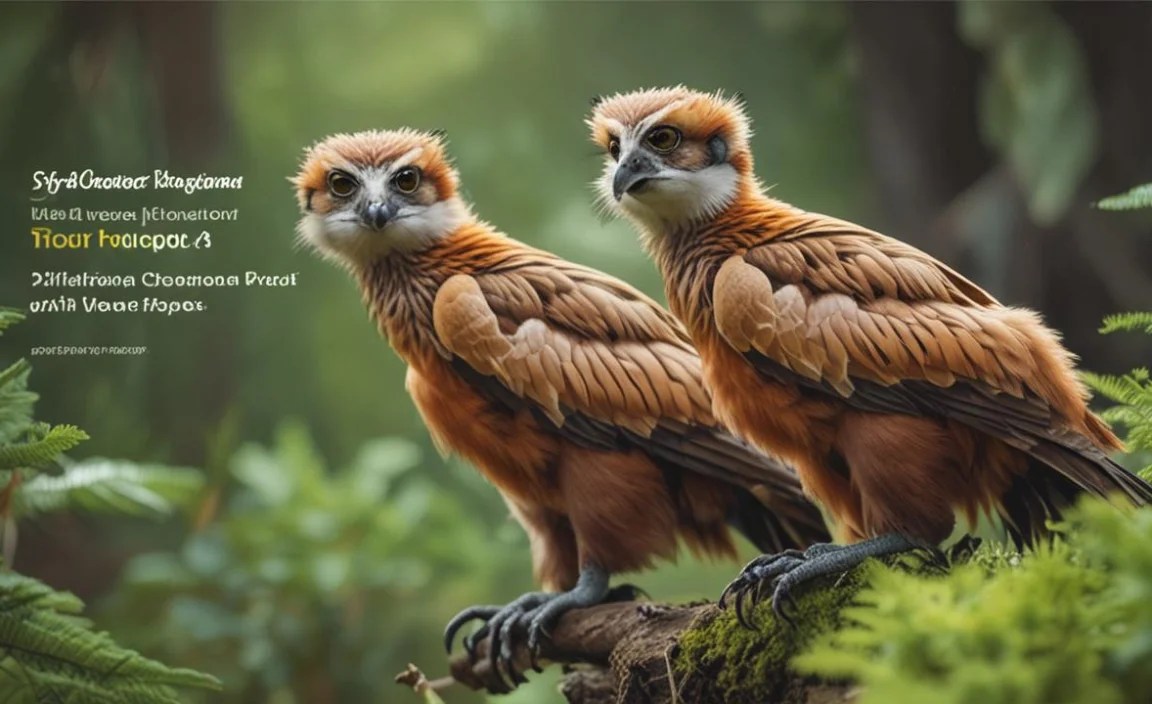
How do scientists know what kind of animal or plant they are looking at? It’s not always easy! Sometimes, species look very similar. Scientists use many different tools and techniques. They might look at the animal’s physical features, like its size, shape, and color. They might listen to its sounds, like bird songs or frog calls. They might even collect DNA samples to compare to other species. It’s like being a detective, using all the clues to solve a mystery. One of the coolest tools is using cameras to take pictures of animals in the wild. These pictures can help scientists identify species without even having to catch them. Learning these methods is a key part of species identification for conservation. This helps protect our planet’s amazing variety of life.
- Scientists use field guides to identify plants and animals.
- Microscopes help them see tiny details.
- DNA analysis can confirm a species’ identity.
- Camera traps capture images of animals in their habitat.
- Acoustic monitoring records animal sounds.
- Sometimes, experts rely on traditional knowledge.
Imagine you find a feather on the ground. How can you tell what bird it came from? You might start by looking at its color and size. Is it bright blue? Is it long and pointy? You could also look at its shape. Is it curved? Is it straight? Then, you could compare it to pictures in a bird book. You could even ask an expert to help you. Scientists use the same kinds of methods to identify all kinds of species. They look at the clues, compare them to known species, and use their knowledge to make a determination. It’s like putting together a puzzle, one piece at a time. This careful work is essential for species identification for conservation. We need to know what we’re protecting before we can protect it.
Fun Fact or Stat: Some scientists use special dogs to sniff out endangered species, like the black-footed ferret!
What are the Basic Tools for Identification?
Have you ever used a magnifying glass to look at a bug? That’s a basic tool for species identification for conservation. Scientists use magnifying glasses and microscopes to see tiny details. These details can help them tell one species from another. They also use field guides. These are books with pictures and descriptions of different plants and animals. Scientists take these guides with them when they go out into the field. They can use them to compare what they see to what’s in the book. It’s like having a cheat sheet for nature. But the most important tool is knowledge. The more you know about plants and animals, the easier it is to identify them.
How Does DNA Help in Species ID?
Imagine that every plant and animal has a secret code inside them. This code is called DNA. DNA is like a fingerprint. It’s unique to each species. Scientists can use DNA to identify species, even if they look very similar. They can also use DNA to learn about how species are related to each other. It’s like building a family tree for all living things. DNA analysis is a powerful tool for species identification for conservation. It can help us understand the relationships between species. It can also help us protect endangered species by making sure we’re not accidentally mixing them up with other species.
Are There New Technologies for Species ID?
Think about how much technology has changed in the last few years. We have smartphones, drones, and even robots that can explore other planets. Technology is also changing the way we identify species. Scientists are using drones to take pictures of large areas of land. They’re using special software to analyze these pictures and identify different species. They’re also using acoustic monitoring to record animal sounds. They can then use computers to analyze these sounds and identify different species. These new technologies are making species identification for conservation faster and easier than ever before. They’re also helping us discover new species that we never knew existed.
Challenges in Species Identification for Conservation
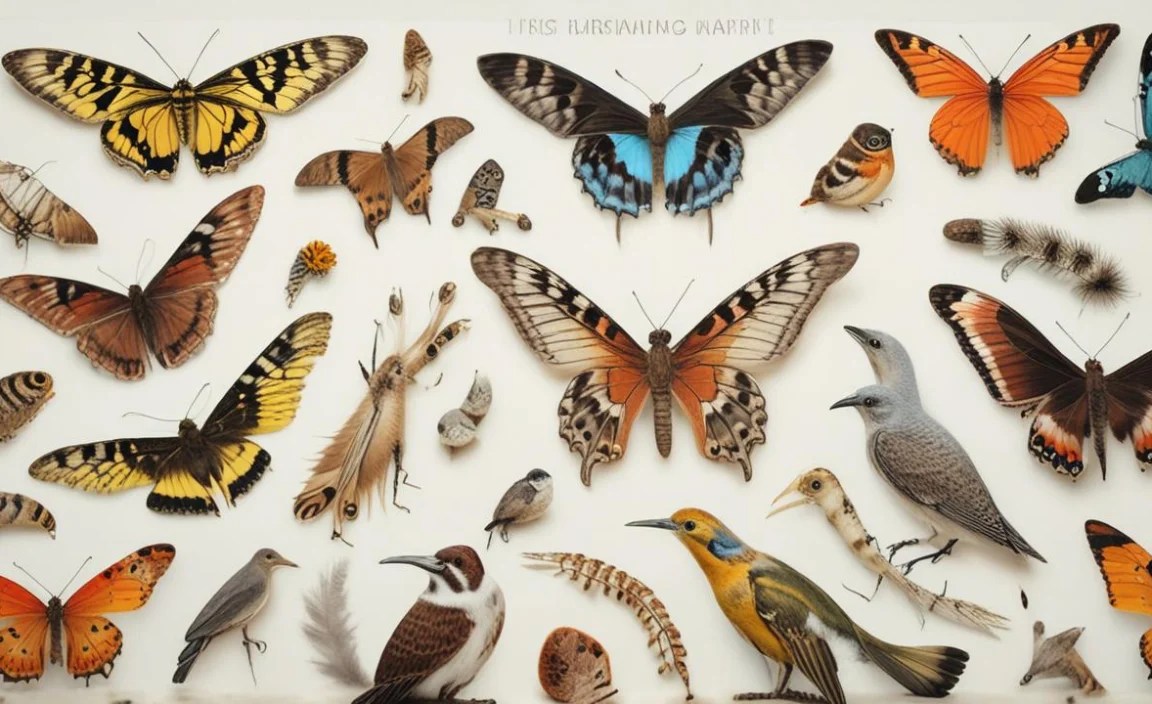
Species identification for conservation is not always easy. Sometimes, species look very similar to each other. This can make it hard to tell them apart. Other times, species are very rare. There may not be many of them left to study. This can make it hard to collect the information we need to identify them. Another challenge is that some species change over time. They might look different at different stages of their lives. Or they might change their appearance to blend in with their environment. Despite these challenges, scientists are working hard to identify all the species on Earth. They know that it’s important for protecting our planet’s biodiversity. We need to protect all species.
- Some species are difficult to find.
- Species can look very similar to each other.
- Limited resources can hinder identification efforts.
- Climate change is altering species distributions.
- Habitat loss makes it harder to find species.
- Hybridization can blur species boundaries.
Have you ever tried to find a specific toy in a messy room? It can be really hard, right? You have to look under things, move things around, and keep searching until you find it. Identifying species can be like that. Sometimes, the species we’re looking for are hiding in plain sight. They might be camouflaged. Or they might be living in a hard-to-reach place. Other times, the species might be very rare. There might not be many of them left. This makes it hard to find them and study them. Despite these challenges, scientists are determined to find all the species on Earth. They know that it’s important for protecting our planet. Species identification for conservation is a key part of that effort.
Fun Fact or Stat: New species are still being discovered all the time, even in well-studied areas!
Why Are Some Species Hard to Find?
Imagine you’re trying to find a tiny ant in a giant forest. It would be pretty tough, right? Some species are hard to find because they’re very small. Others are hard to find because they live in remote areas. They might live deep in the jungle, high in the mountains, or far out at sea. Still others are hard to find because they’re nocturnal. They only come out at night. This makes it hard for scientists to see them and study them. But even though it’s hard, scientists keep searching. They know that every species plays a role in the ecosystem. Species identification for conservation means finding and understanding even the most elusive creatures.
How Does Climate Change Affect ID?
Think about how the weather has been changing lately. It’s getting hotter in some places. It’s getting wetter in others. These changes are affecting where plants and animals can live. Some species are moving to new areas to find cooler temperatures or more water. This can make it hard to identify them. Scientists might be looking for a species in one place, but it’s already moved somewhere else! Climate change is making species identification for conservation even more important. We need to understand how species are responding to climate change. This can help us protect them in the future.
What About Look-Alike Species?
Have you ever seen two things that look almost exactly the same? Maybe two different kinds of butterflies, or two different kinds of flowers. It can be hard to tell them apart! Some species are very similar to each other. They might have the same colors, the same shape, and the same size. This can make it hard for scientists to identify them. They have to look very closely at the tiny details. They might even have to use DNA analysis to tell them apart. These look-alike species makes species identification for conservation a real challenge. But with careful observation and the right tools, scientists can usually figure out what they are.
The Role of Technology in Species Identification

Technology is changing the way we do almost everything. It’s also changing how we identify species. Scientists are using new tools to study plants and animals in ways that were never before possible. Drones can fly over large areas of land and take pictures of the vegetation. These pictures can be used to identify different species of trees and plants. Camera traps can be set up in the forest to take pictures of animals as they walk by. These pictures can be used to identify different species of mammals and birds. DNA sequencing can be used to identify species from small samples of tissue or even from the air or water. These technologies are making species identification for conservation faster, easier, and more accurate than ever before.
| Technology | Description | Benefits for Species ID |
|---|---|---|
| Drones | Unmanned aerial vehicles with cameras. | Cover large areas quickly, capture high-resolution images. |
| Camera Traps | Cameras triggered by movement. | Record animals without human disturbance. |
| DNA Sequencing | Determines the order of DNA building blocks. | Identifies species from small samples. |
| Acoustic Monitoring | Records animal sounds. | Identifies species by their calls. |
- Drones map habitats and track animal movements.
- Camera traps record animal activity.
- DNA barcoding identifies species quickly.
- Acoustic monitoring identifies species by sound.
- Satellite imagery tracks changes in vegetation.
- Software analyzes images and sounds automatically.
Imagine you’re trying to count all the trees in a forest. It would take a very long time, right? You’d have to walk through the forest and count each tree one by one. But what if you had a drone? You could fly the drone over the forest and take pictures of all the trees. Then, you could use special software to count the trees automatically. Technology is making it easier to do all kinds of things related to species identification for conservation. It’s helping us learn more about the plants and animals around us. It’s also helping us protect them from harm. With these cool tools, we are able to protect more species.
Fun Fact or Stat: Some scientists are using artificial intelligence to identify species from photos taken by citizen scientists!
How Do Drones Help Identify Species?
Have you ever seen a drone flying in the sky? Drones are like flying robots. They can take pictures and videos from above. Scientists use drones to take pictures of forests, grasslands, and other habitats. They can then use these pictures to identify different species of plants and animals. Drones can also be used to track animal movements. Scientists can attach GPS trackers to animals. They can then use drones to follow the animals and see where they go. This helps them learn about the animals’ behavior and their habitat needs. Drones are a powerful tool for species identification for conservation.
What is DNA Barcoding?
Think of DNA as a special code that’s inside every living thing. DNA barcoding is like taking a snapshot of that code. Scientists can use DNA barcoding to identify species quickly and easily. They just need a small sample of tissue, like a leaf or a feather. They can then analyze the DNA and compare it to a database of known species. If the DNA matches a known species, then they know what it is. DNA barcoding is a powerful tool for species identification for conservation. It can help us identify species that are hard to tell apart by looking at them.
Can Computers Identify Species?
Imagine you have a huge pile of photos of different animals. It would take you a long time to sort through them all and identify each animal. But what if you had a computer that could do it for you? Scientists are developing computer programs that can identify species from photos, sounds, and even DNA. These programs use artificial intelligence to learn how to recognize different species. The more data they have, the better they get at identifying species. These computer programs are making species identification for conservation much faster and easier. They’re helping us learn more about the plants and animals around us.
Community Involvement in Species Identification
Species identification for conservation isn’t just for scientists. Anyone can help! You can learn about the plants and animals in your backyard, your schoolyard, or your local park. You can take pictures of them and share them with others. You can also report sightings of rare or endangered species to local conservation organizations. By getting involved, you can help scientists track changes in the environment. You can also help protect the plants and animals that you care about. It’s a great way to make a difference in your community. We all have a role to play in protecting nature.
- Citizen scientists can report species sightings.
- Local communities can monitor their environment.
- Schools can teach about local species.
- Nature clubs organize species identification events.
- Apps help people identify plants and animals.
- Community projects restore habitats.
Imagine you’re walking in the park. You see a bird that you’ve never seen before. You take a picture of it with your phone. Then, you upload the picture to a website or app that helps people identify species. Experts can then look at your picture and tell you what kind of bird it is. This is called citizen science. It’s a way for everyday people to help scientists collect data. Citizen science projects are helping us learn more about the plants and animals around us. They’re also helping us protect them. Species identification for conservation is something that everyone can participate in. You can learn so much by learning about the species around you.
Fun Fact or Stat: There are apps that can identify plants and animals just by taking a picture with your phone!
How Can Kids Help with Species ID?
Have you ever gone on a nature walk with your family or your class? That’s a great way to learn about the plants and animals around you. You can use a field guide to identify different species. You can also draw pictures of the plants and animals you see. Later, you can share your drawings with your friends and family. This is a fun way to learn about species identification for conservation. You can also help scientists by reporting your sightings of rare or endangered species. Every little bit helps with protecting our planet.
What are Citizen Science Projects?
Think of citizen science projects as teamwork between scientists and regular people. Scientists need lots of data to understand the environment. But they can’t collect it all themselves. That’s where citizen scientists come in. Citizen scientists are people who volunteer their time to help scientists collect data. They might count birds, monitor water quality, or identify plants. They then share their data with scientists. Scientists can then use this data to learn more about the environment. Citizen science projects are a great way to get involved in species identification for conservation.
Why is Local Knowledge Important?
Imagine you’ve lived in the same area your whole life. You know the land, the plants, and the animals. You know when the different species are in season. You know where they like to live. This is called local knowledge. It’s very valuable for species identification for conservation. Local people can often identify species that scientists might miss. They can also provide information about the species’ behavior and habitat needs. Scientists are increasingly working with local communities to learn from their knowledge. This helps them protect the environment more effectively.
Future Directions in Species Identification
Species identification for conservation is constantly evolving. Scientists are developing new technologies and techniques to identify species more quickly and accurately. They are also working to build larger and more comprehensive databases of species information. These databases will help them track changes in species populations and distributions over time. In the future, we may even be able to identify species using sensors that can detect their DNA in the air or water. These advances will help us protect the planet’s biodiversity for generations to come. It is up to everyone to protect these species.
- Artificial intelligence will automate species ID.
- Remote sensing will monitor species from space.
- Environmental DNA will detect species in water.
- Global databases will share species information.
- Virtual reality will simulate species habitats.
- Robotics will explore inaccessible habitats.
Imagine a world where we can identify any species, anywhere, at any time. This may sound like science fiction, but it’s becoming increasingly possible. Scientists are developing new sensors that can detect the DNA of different species in the air or water. This means that we could potentially identify species without even seeing them! We could also use remote sensing technology to monitor species from space. This would allow us to track changes in species populations and distributions over time. These advances will revolutionize species identification for conservation. They will help us protect the planet’s biodiversity more effectively.
Fun Fact or Stat: Scientists are working on a “tricorder” device, like in Star Trek, that could identify species instantly!
What Role Will AI Play in Species ID?
Have you ever used a computer program that can recognize faces? That’s an example of artificial intelligence (AI). AI is getting better and better at recognizing patterns. Scientists are using AI to identify species from photos, sounds, and DNA. They’re training AI programs to recognize the unique characteristics of different species. In the future, AI could automate species identification for conservation. It could help us identify species more quickly and accurately. This would free up scientists to focus on other important tasks.
How Can We Use Space to Track Species?
Think about the satellites that orbit the Earth. These satellites can take pictures of the Earth’s surface. They can also collect data about temperature, rainfall, and other environmental factors. Scientists are using this data to track changes in species populations and distributions. They can see where species are moving in response to climate change. They can also see where habitats are being destroyed. This information is crucial for species identification for conservation. It helps us understand how species are responding to environmental changes.
Will Robots Help in Species Conservation?
Imagine robots exploring the deepest parts of the ocean. Or climbing the highest mountains. Robots can go places that humans can’t. They can also collect data for long periods of time without getting tired. Scientists are using robots to study species in remote and inaccessible habitats. These robots can take pictures, collect samples, and monitor environmental conditions. This information is helping us learn more about the species that live in these habitats. Robots are a valuable tool for species identification for conservation.
Summary
Species identification for conservation is very important. It helps us know what plants and animals need to survive. Scientists use many tools. They use DNA, pictures, and sounds. Technology helps a lot. Drones and computers make it easier. It is not just scientists who can help. Everyone can learn about the species near them. They can share what they learn. Knowing what species are in danger is important. It is the first step in helping them. Protecting species helps our planet. When we protect species, we protect our home.
Conclusion
Knowing what species are around us is very important. It helps us protect them. Species identification for conservation lets us understand their needs. We can then work to keep them safe. Everyone can help. Learn about local plants and animals. Share what you learn. Together, we can protect our planet’s amazing variety of life. It is up to us to make sure that these species continue to thrive for generations to come. We can all do our part to help.
Frequently Asked Questions
Question No 1: Why is identifying species important for conservation?
Answer: Identifying species is like giving each plant and animal a name. Once we know what they are, we can learn about their needs. We can find out where they live, what they eat, and what dangers they face. This information helps us protect them. Without knowing what species we have, we can’t protect them properly. Species identification for conservation is vital because it forms the foundation for all other conservation efforts. It’s the first step in making sure that endangered species don’t disappear forever.
Question No 2: How do scientists identify different species?
Answer: Scientists use many different tools to identify species. They might look at the animal’s physical features, like its size, shape, and color. They might listen to its sounds, like bird songs or frog calls. They might even collect DNA samples to compare to other species. It’s like being a detective, using all the clues to solve a mystery. This also involves checking field guides. These books have pictures and descriptions of different species. They use microscopes and other tools to see tiny details. All of these things are part of species identification for conservation.
Question No 3: Can anyone help with species identification?
Answer: Yes! Anyone can help with species identification for conservation. You can start by learning about the plants and animals in your backyard or local park. You can take pictures of them and share them with others. You can also report sightings of rare or endangered species to local conservation organizations. There are even apps that can help you identify plants and animals. Citizen science projects allow you to contribute data to scientific research. Every little bit helps!
Question No 4: What are some of the challenges in species identification?
Answer: Species identification for conservation can be tricky. Some species look very similar to each other, making it hard to tell them apart. Other species are very rare or live in remote areas, making them difficult to find. Climate change is also making it harder to identify species, as they move to new areas in search of suitable habitats. Despite these challenges, scientists are constantly developing new technologies and techniques to improve species identification.
Question No 5: How does technology help with species identification?
Answer: Technology is changing the way we identify species. Drones can fly over large areas and take pictures of the vegetation. Camera traps can capture images of animals in the wild. DNA sequencing can be used to identify species from small samples of tissue. These technologies are making species identification for conservation faster, easier, and more accurate. With these tools, it is easier to protect these species.
Question No 6: What can I do to help protect endangered species?
Answer: There are many things you can do to help protect endangered species. You can learn about the endangered species in your area and what threats they face. You can support conservation organizations that are working to protect these species. You can also make changes in your own life to reduce your impact on the environment. This could include reducing your use of plastic, conserving water, and planting native plants in your yard. Also, participate in species identification for conservation.


