
Poweshiek Skipperling: Saving This Rare Butterfly

Quick Summary:
The Poweshiek skipperling (Oarisma poweshiek) is a critically endangered butterfly found in small pockets of the North American prairie. Recognizable by its small size, orange-brown wings with a checkered fringe, and rapid, skipping flight, it faces threats from habitat loss and climate change. Conservation efforts are crucial to protect this rare and beautiful butterfly.
Have you ever heard of a butterfly so rare it’s on the brink of extinction? The Poweshiek skipperling is one such creature, a tiny prairie gem struggling to survive. Identifying it can be tricky, and understanding its plight even more so. But don’t worry, we’re here to help!
In this guide, we’ll explore the fascinating world of the Poweshiek skipperling. We’ll cover everything from its appearance and habitat to the threats it faces and how you can help protect it. Get ready to discover the beauty and importance of this endangered butterfly.
What is the Poweshiek Skipperling?
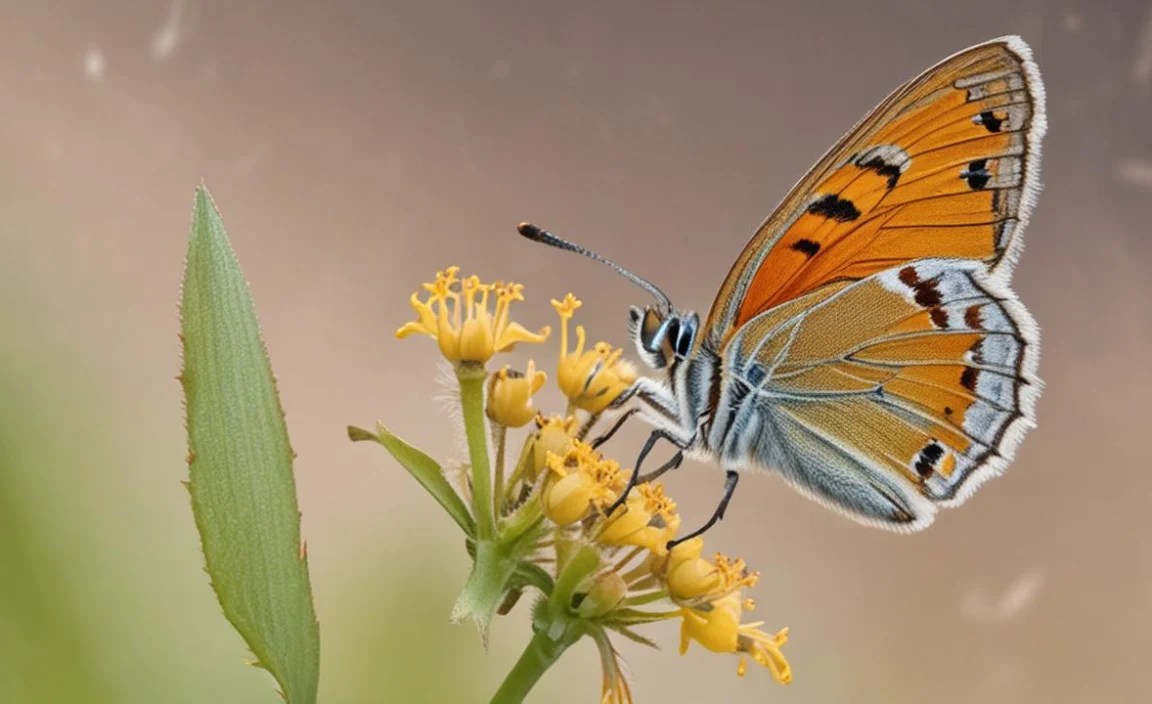
The Poweshiek skipperling (Oarisma poweshiek) is a small, North American butterfly belonging to the skipper family (Hesperiidae). It was once found in abundance across the tallgrass prairies of the Midwest, but its population has drastically declined, making it one of the most endangered butterflies in North America.
Appearance
The Poweshiek skipperling is a small butterfly, with a wingspan of about 0.9 to 1.1 inches (2.2 to 2.8 cm). Here’s what to look for:
- Wings: Orange-brown on the upperside, with a checkered fringe along the edges. Males have a darker band of scent scales on their forewings. The underside of the hindwings is grayish-brown with faint pale spots.
- Body: Fuzzy, with a brownish-orange thorax and abdomen.
- Antennae: Clubbed at the tips, typical of skippers.
Habitat
This butterfly is a prairie specialist, meaning it depends on specific prairie habitats for its survival. Ideal habitats include:
- Tallgrass prairies with a mix of grasses and wildflowers.
- Wet meadows and sedge meadows.
- Areas with undisturbed native vegetation.
Life Cycle
Understanding the Poweshiek skipperling’s life cycle is key to understanding its conservation needs:
- Eggs: Females lay eggs on or near their host plants in late summer.
- Larvae (Caterpillars): The caterpillars hatch and feed on grasses and sedges. They overwinter as partially grown larvae.
- Pupae (Chrysalis): In spring, the larvae resume feeding, then pupate.
- Adults: Adult butterflies emerge in late June and July, mate, and lay eggs, completing the cycle.
Identifying the Poweshiek Skipperling
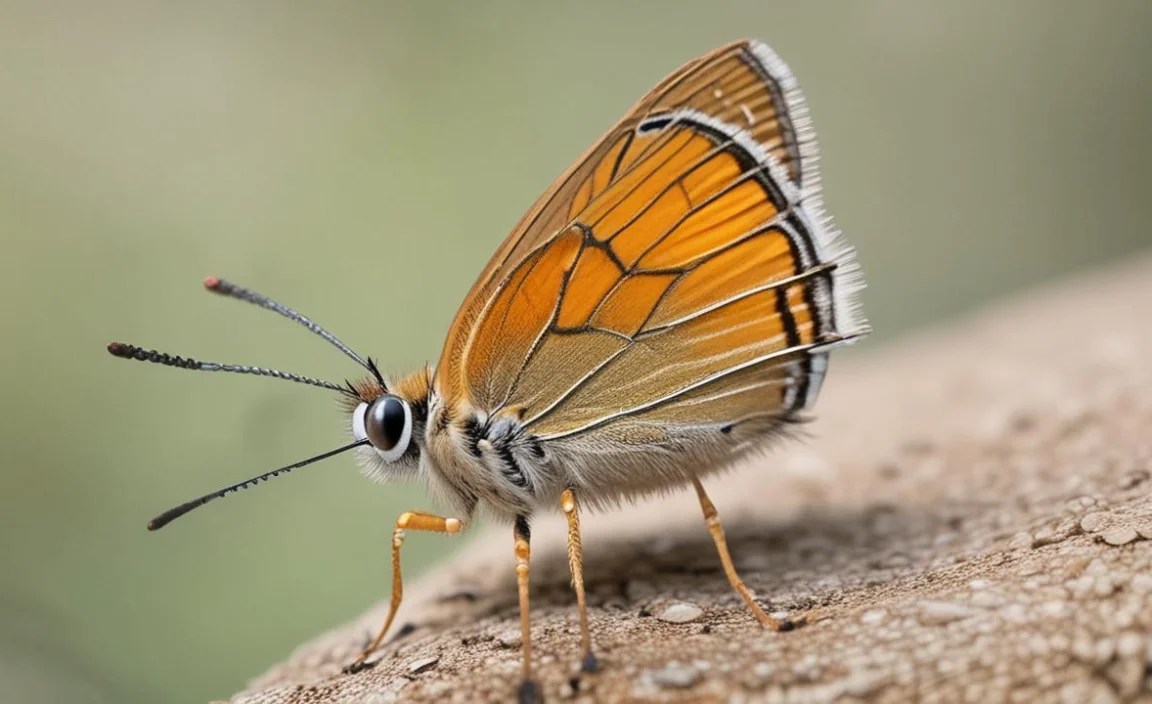
Identifying the Poweshiek skipperling can be challenging, as it resembles other skipper species. Here’s a guide to help you distinguish it:
Key Identification Features
- Size: Relatively small compared to other skippers.
- Wing Color: Orange-brown with a checkered fringe.
- Flight Pattern: Rapid, skipping flight (hence the name).
- Habitat: Found in specific prairie habitats.
Distinguishing from Similar Species
Several other skipper species can be confused with the Poweshiek skipperling. Here’s a comparison:
| Species | Key Features | Habitat |
|---|---|---|
| Poweshiek Skipperling (Oarisma poweshiek) | Small size, orange-brown wings, checkered fringe. | Tallgrass prairies, wet meadows. |
| Uncas Skipper (Hesperia uncas) | More prominent white spots on hindwing underside. | Dry grasslands and prairies. |
| Leonard’s Skipper (Hesperia leonardus) | Larger size, brighter orange coloration. | Dry open areas, often near woodlands. |
When and Where to Look
- Time of Year: Late June and July, during the adult flight season.
- Location: Remnant prairies in the Midwest, particularly in states like Manitoba, Wisconsin, and Michigan.
- Specific Habitats: Look for them in areas with their host plants, such as native grasses and sedges.
Why is the Poweshiek Skipperling Endangered?

The Poweshiek skipperling’s decline is a serious conservation concern. Several factors have contributed to its endangered status:
Habitat Loss and Degradation
The primary cause of the Poweshiek skipperling’s decline is the loss and degradation of its prairie habitat. Conversion of prairies to agriculture, urban development, and other land uses has reduced the available habitat for this butterfly. According to the U.S. Fish and Wildlife Service, less than 1% of the original tallgrass prairie remains.
Climate Change
Climate change is also a significant threat. Changes in temperature and precipitation patterns can disrupt the butterfly’s life cycle and alter the composition of its prairie habitat. Extreme weather events, such as droughts and floods, can further impact their populations.
Fire Suppression
Historically, fire played a crucial role in maintaining prairie ecosystems. Regular fires prevented the encroachment of trees and shrubs, promoting the growth of grasses and wildflowers. Fire suppression has led to the decline of prairie habitats, negatively affecting the Poweshiek skipperling.
Pesticide Use
Pesticide use in and around prairie habitats can directly harm Poweshiek skipperlings and other beneficial insects. Pesticides can also reduce the abundance of their host plants and nectar sources.
Conservation Efforts
Protecting the Poweshiek skipperling requires a multi-faceted approach. Several conservation efforts are underway to help recover this endangered butterfly:
Habitat Restoration and Management
Restoring and managing prairie habitats is crucial. This includes:
- Prescribed Burning: Reintroducing fire to prairie ecosystems to maintain their health and diversity.
- Invasive Species Control: Removing invasive plants that compete with native vegetation.
- Prairie Reconstruction: Restoring degraded prairies by planting native grasses and wildflowers.
Captive Breeding Programs
Captive breeding programs aim to increase the population size of the Poweshiek skipperling and provide individuals for reintroduction into the wild. These programs involve:
- Collecting eggs or larvae from wild populations.
- Raising the butterflies in a controlled environment.
- Releasing the butterflies into suitable habitats.
Organizations like the Minnesota Zoo and the Detroit Zoo have been instrumental in these efforts.
Research and Monitoring
Ongoing research and monitoring are essential to understand the Poweshiek skipperling’s population dynamics, habitat needs, and the effectiveness of conservation efforts. This includes:
- Population surveys to track changes in abundance and distribution.
- Habitat assessments to evaluate the quality of prairie habitats.
- Genetic studies to assess the genetic diversity of populations.
Public Education and Outreach
Raising public awareness about the Poweshiek skipperling and its conservation needs is crucial. This can involve:
- Educational programs for schools and community groups.
- Outreach events to engage the public in conservation efforts.
- Online resources and social media campaigns to share information.
How You Can Help
Even if you don’t live near Poweshiek skipperling habitat, there are many ways you can contribute to its conservation:
Support Conservation Organizations
Donate to or volunteer with organizations that are working to protect the Poweshiek skipperling and its habitat. Some key organizations include:
- The Xerces Society for Invertebrate Conservation (https://xerces.org/)
- U.S. Fish and Wildlife Service (https://www.fws.gov/)
- Local prairie conservation groups in your area.
Create Butterfly-Friendly Habitats
Even small-scale habitat improvements can make a difference:
- Plant Native Wildflowers: Provide nectar sources for adult butterflies.
- Avoid Pesticides: Protect butterflies and other beneficial insects from harmful chemicals.
- Leave Leaf Litter: Provide overwintering habitat for butterflies and other insects.
Advocate for Prairie Conservation
Support policies and initiatives that protect and restore prairie habitats. Contact your elected officials to express your support for prairie conservation.
Educate Others
Share information about the Poweshiek skipperling and its conservation needs with your friends, family, and community. Raise awareness about the importance of prairie ecosystems and the need to protect them.
The Future of the Poweshiek Skipperling
The future of the Poweshiek skipperling remains uncertain, but with continued conservation efforts, there is hope for its recovery. By protecting and restoring prairie habitats, implementing captive breeding programs, and raising public awareness, we can help ensure that this rare and beautiful butterfly continues to grace our prairies for generations to come.
Interesting Facts About Poweshiek Skipperlings
- The Poweshiek skipperling was once abundant across the tallgrass prairies of the Midwest, but its population has declined by over 90% in recent decades.
- This butterfly is a prairie specialist, meaning it depends on specific prairie habitats for its survival.
- The Poweshiek skipperling is listed as an endangered species by the U.S. Fish and Wildlife Service and is considered one of the most endangered butterflies in North America.
- Captive breeding programs have been successful in raising Poweshiek skipperlings in a controlled environment and releasing them into suitable habitats.
- The Xerces Society and other conservation organizations are working to protect and restore prairie habitats for the Poweshiek skipperling and other prairie-dependent species.
FAQ About Poweshiek Skipperlings
What does a Poweshiek skipperling look like?
It’s a small butterfly with orange-brown wings and a checkered fringe. Males have a darker band on their forewings. The underside of the hindwings is grayish-brown with faint pale spots.
Where do Poweshiek skipperlings live?
They live in tallgrass prairies, wet meadows, and sedge meadows in the Midwest region of North America.
Why are Poweshiek skipperlings endangered?
The main reasons are habitat loss, climate change, fire suppression, and pesticide use.
What can be done to help Poweshiek skipperlings?
Habitat restoration, captive breeding programs, research, and public education are all important conservation efforts.
How can I help Poweshiek skipperlings in my backyard?
Plant native wildflowers, avoid pesticides, and support local conservation organizations.
When is the best time to see Poweshiek skipperlings?
Late June and July, during their adult flight season.
Are Poweshiek skipperlings protected by law?
Yes, they are listed as an endangered species by the U.S. Fish and Wildlife Service, which provides them with legal protection.
Conclusion
The Poweshiek skipperling, a tiny butterfly with a big story, reminds us of the delicate balance within our ecosystems. Its struggle for survival highlights the importance of prairie conservation and the impact of human activities on the natural world. By understanding the threats it faces and supporting conservation efforts, we can all play a part in ensuring that this beautiful creature continues to grace our prairies. Let’s work together to protect the Poweshiek skipperling and the precious prairie habitats it calls home. Every small action counts!


