
European Butterflies in UK List: Spot Them All!

Quick Summary: Discover the captivating world of European butterflies that have made their home in the UK! This guide explores common species like the Brimstone, Peacock, and Red Admiral, offering tips on identification, habitat, and how you can support these beautiful creatures in your garden. Learn about their life cycles and what makes the UK a unique haven for these European butterflies.
Have you ever wondered which of Europe’s dazzling butterflies you might spot fluttering around your garden in the UK? It’s a delightful surprise to discover that many European species thrive right here! However, identifying them can be a bit tricky. Don’t worry, it’s easier than you think.
This guide will introduce you to some of the most common and beloved European butterflies found in the UK. We’ll cover everything from their unique markings to their favorite habitats. Plus, we’ll explore what makes the UK such a welcoming place for these winged visitors. Ready to become a butterfly expert? Let’s get started!
Identifying European Butterflies in the UK: A Beginner’s Guide

The UK’s diverse landscapes and relatively mild climate make it a perfect home for many European butterfly species. Learning to identify these butterflies not only enhances your appreciation for nature but also contributes to citizen science efforts that help track and conserve these delicate creatures.
Common European Butterfly Species Found in the UK

Here’s a list of some of the most frequently seen European butterflies in the UK, along with their key identification features and habitat preferences:
1. Brimstone (Gonepteryx rhamni)
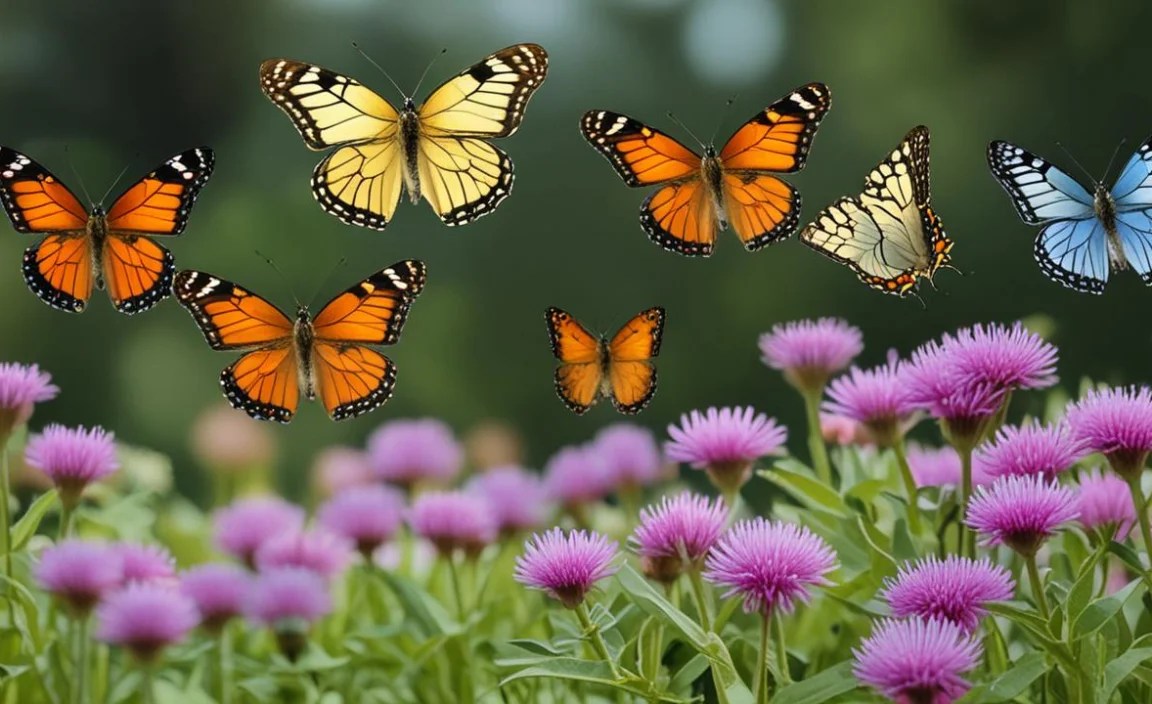
The Brimstone is one of the longer-lived butterflies, often overwintering as adults. Its distinctive, sulfur-yellow wings (paler in females) make it easy to spot. They are often seen in gardens, woodlands, and hedgerows.
- Wings: Bright yellow (male), pale green/white (female)
- Shape: Leaf-like shape when wings are closed
- Habitat: Woodlands, gardens, hedgerows
- Foodplants: Buckthorn, Alder Buckthorn
2. Peacock (Aglais io)
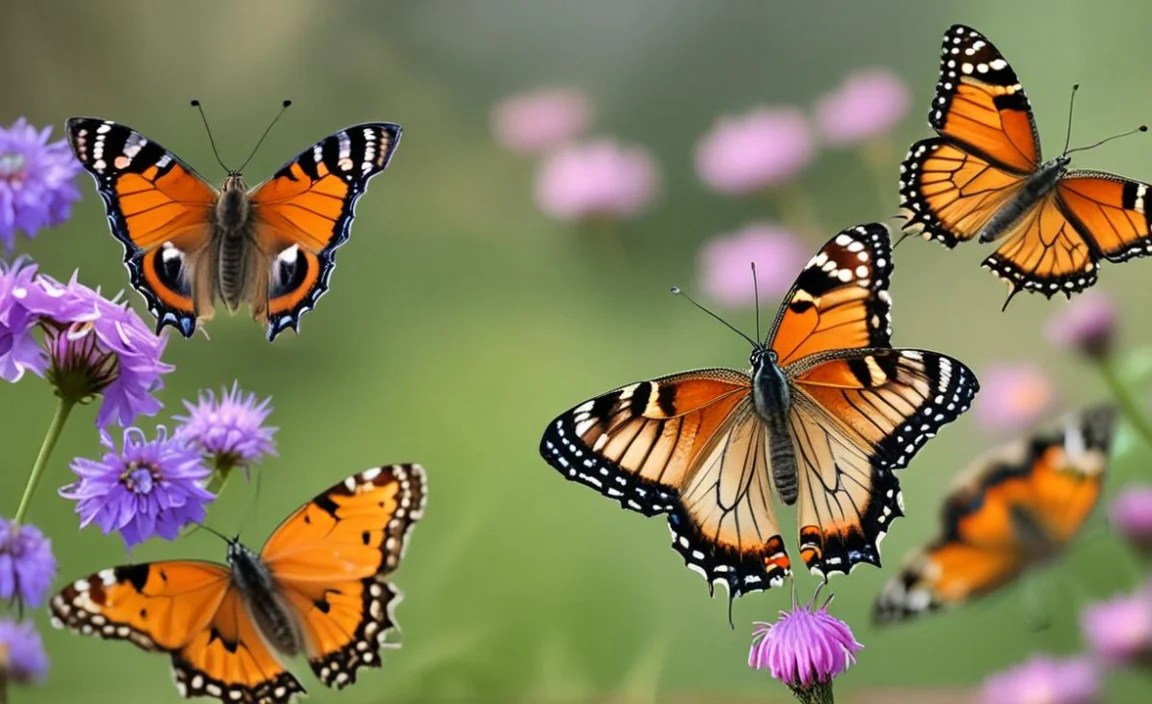
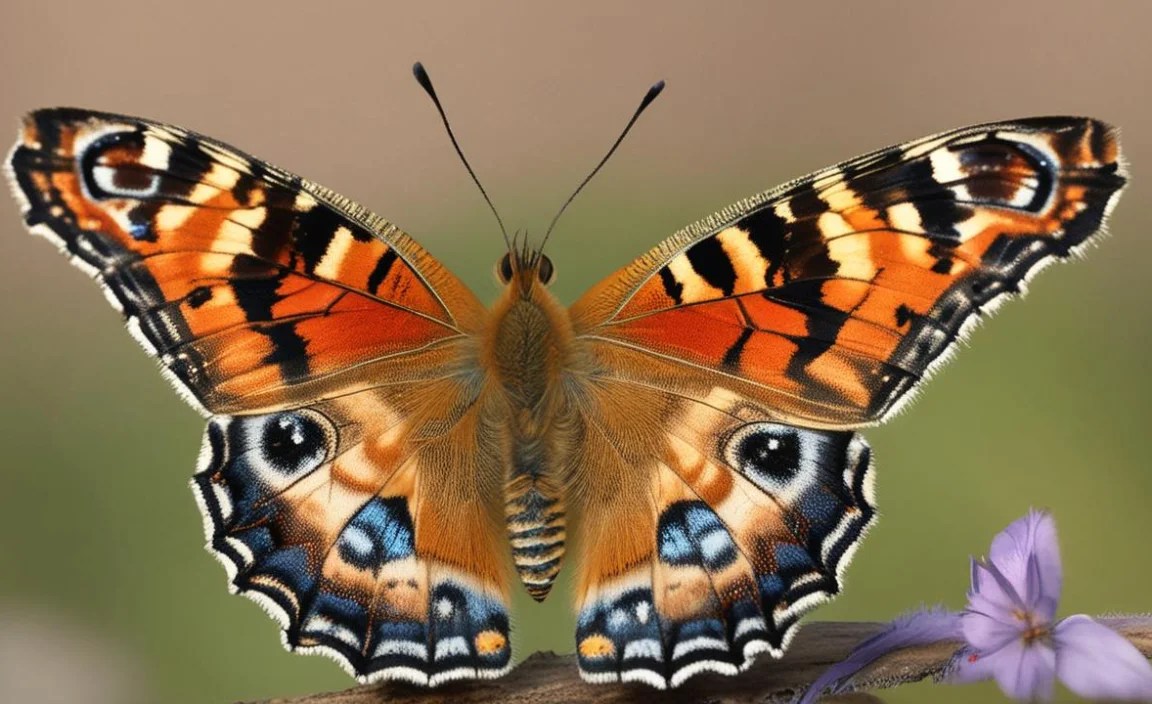
The Peacock butterfly is easily recognized by its striking eyespots on each wing. These eyespots serve as a defense mechanism, startling potential predators. They are commonly found in gardens, parks, and woodlands.
- Wings: Reddish-brown with prominent blue eyespots
- Behavior: Often basks in the sun with wings open
- Habitat: Gardens, parks, woodlands
- Foodplants: Nettles
3. Red Admiral (Vanessa atalanta)
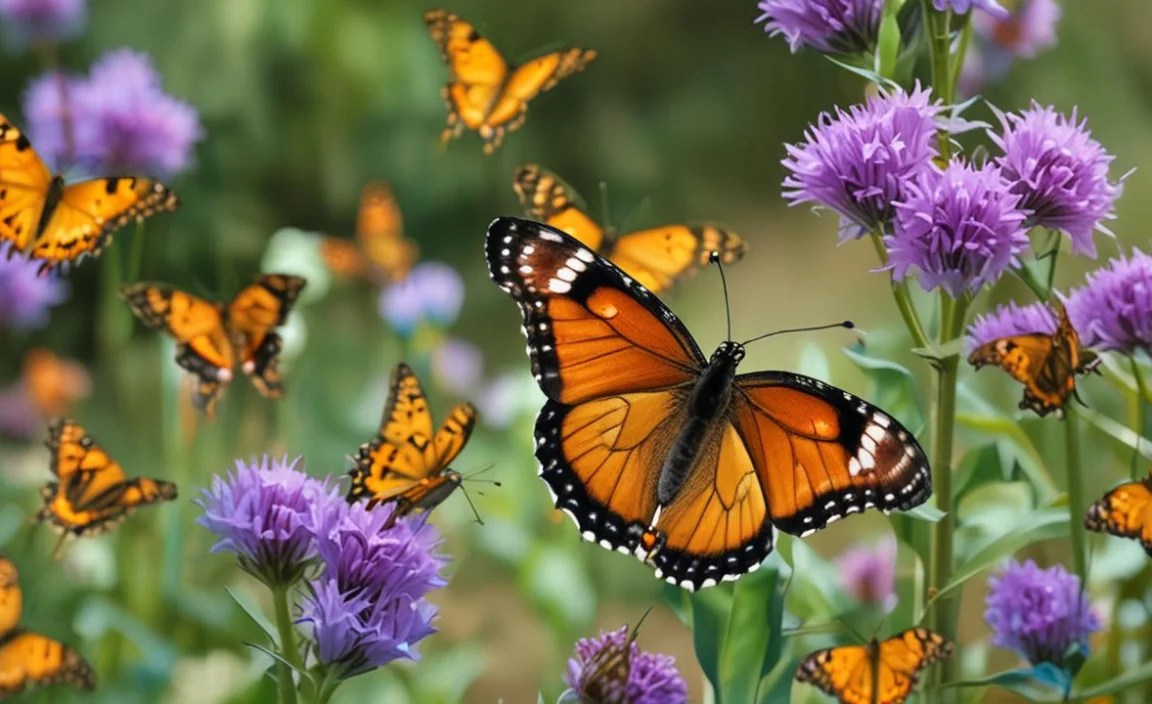
The Red Admiral is a migratory butterfly, arriving in the UK from mainland Europe each summer. It’s characterized by its black wings with red bands and white spots. They are often seen feeding on nectar-rich flowers in gardens and parks.
- Wings: Black with red bands and white spots
- Migration: Migrates from Europe to the UK
- Habitat: Gardens, parks, coastal areas
- Foodplants: Nettles
4. Small Tortoiseshell (Aglais urticae)
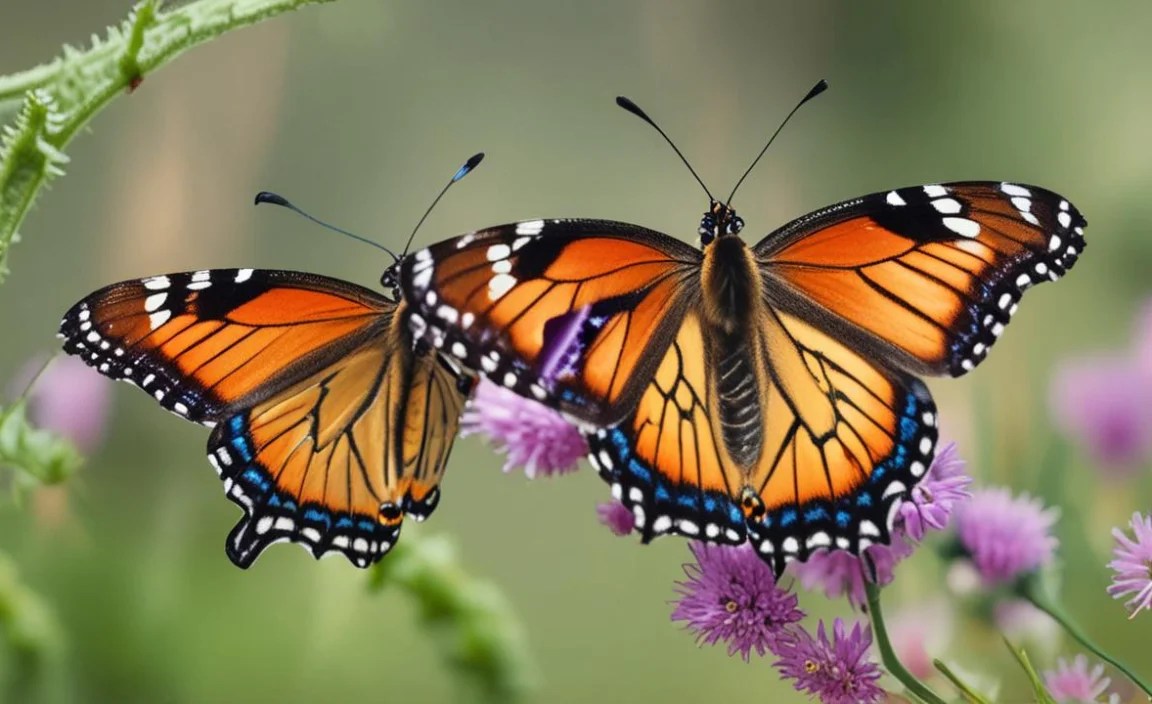
The Small Tortoiseshell is a common sight in gardens and urban areas. It has orange and black wings with blue spots along the edges. Like the Peacock, it uses nettles as its primary foodplant.
- Wings: Orange and black with blue spots
- Behavior: Often seen in urban gardens
- Habitat: Gardens, parks, woodlands
- Foodplants: Nettles
5. Comma (Polygonia c-album)
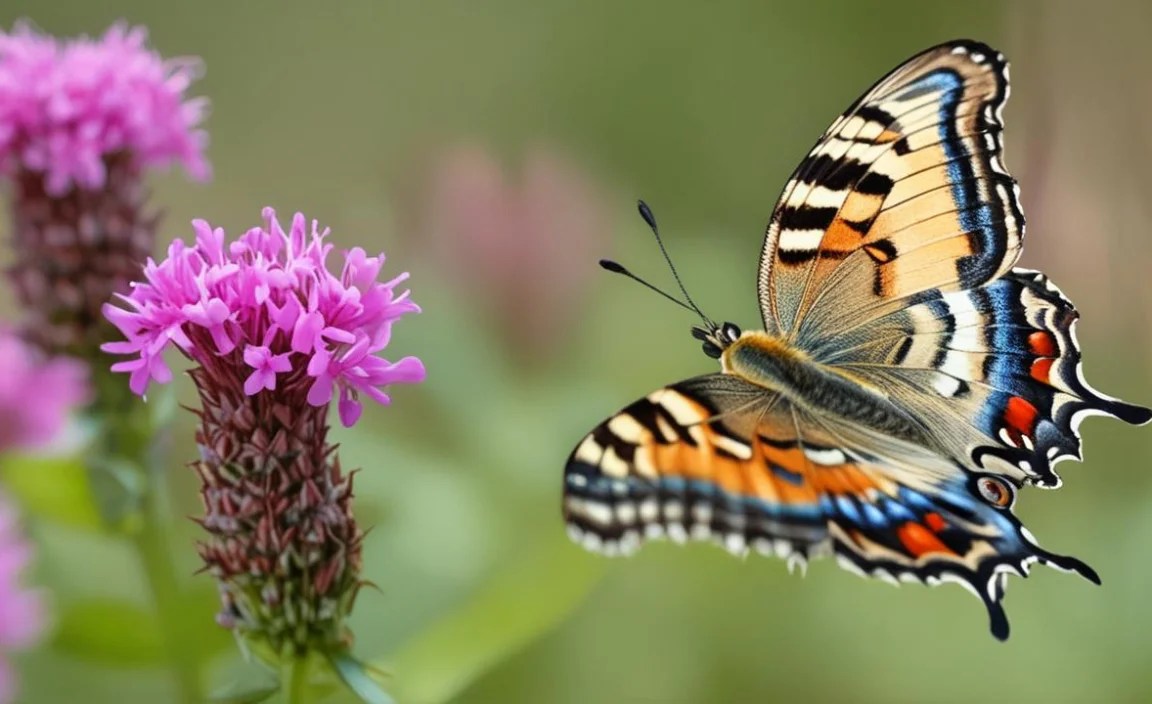
The Comma butterfly gets its name from the small white comma-shaped mark on its underwing. Its jagged wing edges provide excellent camouflage. They are frequently found near woodland edges and in gardens.
- Wings: Orange-brown with jagged edges
- Marking: White comma on underwing
- Habitat: Woodland edges, gardens
- Foodplants: Nettles, hops, elms
6. Painted Lady (Vanessa cardui)
The Painted Lady is a long-distance migrant, undertaking incredible journeys from North Africa and Europe to reach the UK. Its mottled orange, brown, and white wings are unmistakable. They can be found in various habitats, including gardens, fields, and coastal areas.
- Wings: Mottled orange, brown, and white
- Migration: Long-distance migrant
- Habitat: Gardens, fields, coastal areas
- Foodplants: Thistles, mallows
7. Clouded Yellow (Colias croceus)
The Clouded Yellow is another migratory species that visits the UK in varying numbers each year. The males have bright yellow wings with a dark border, while females can be yellow or a paler white. They are often seen in grasslands and coastal areas.
- Wings: Bright yellow (male), yellow or white (female)
- Migration: Migratory species
- Habitat: Grasslands, coastal areas
- Foodplants: Clover, lucerne
Butterfly Identification Table
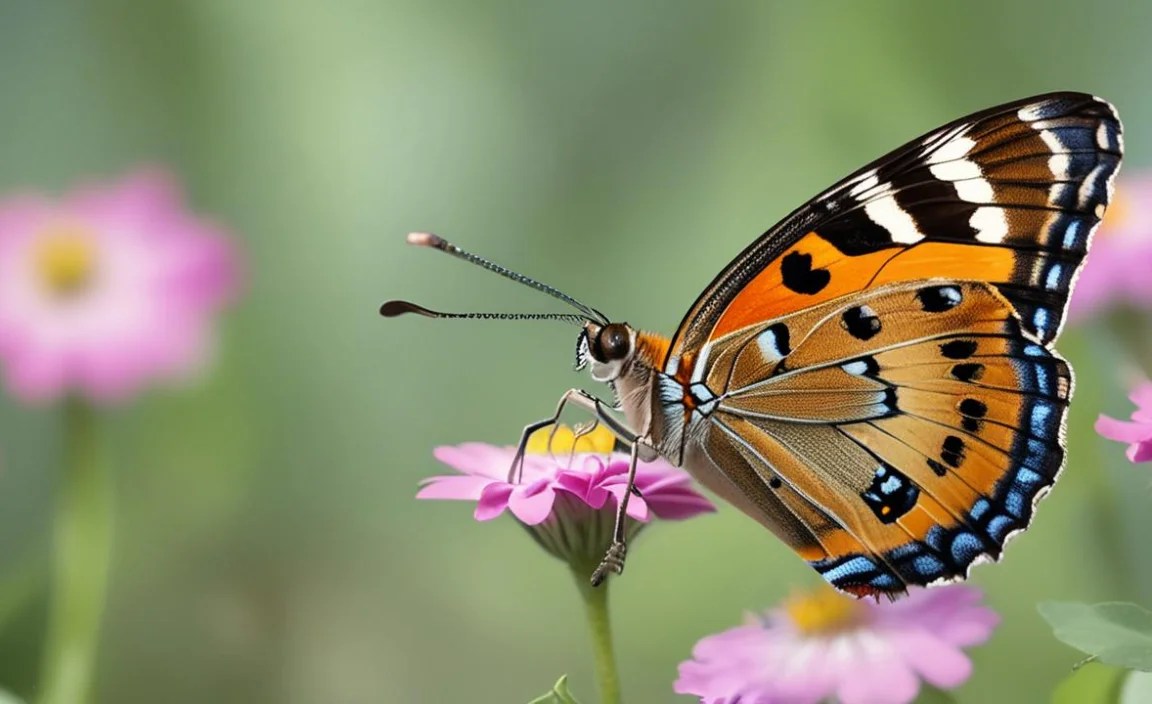
Here’s a quick reference table to help you identify these European butterflies:
| Butterfly Species | Key Identification Features | Typical Habitat | Primary Foodplants |
|---|---|---|---|
| Brimstone | Bright yellow/pale green wings, leaf-like shape | Woodlands, gardens, hedgerows | Buckthorn, Alder Buckthorn |
| Peacock | Reddish-brown wings with blue eyespots | Gardens, parks, woodlands | Nettles |
| Red Admiral | Black wings with red bands and white spots | Gardens, parks, coastal areas | Nettles |
| Small Tortoiseshell | Orange and black wings with blue spots | Gardens, parks, woodlands | Nettles |
| Comma | Jagged orange-brown wings, white comma mark | Woodland edges, gardens | Nettles, hops, elms |
| Painted Lady | Mottled orange, brown, and white wings | Gardens, fields, coastal areas | Thistles, mallows |
| Clouded Yellow | Bright yellow/white wings with dark border | Grasslands, coastal areas | Clover, lucerne |
Understanding Butterfly Habitats in the UK

The UK offers a variety of habitats that support different butterfly species. Here are some of the key habitats and the butterflies you might find there:
- Woodlands: Brimstone, Comma, White Admiral, Silver-washed Fritillary
- Gardens: Peacock, Small Tortoiseshell, Red Admiral, Painted Lady
- Grasslands: Clouded Yellow, Meadow Brown, Small Heath
- Coastal Areas: Clouded Yellow, Painted Lady, Wall Brown
- Hedgerows: Brimstone, Brown Hairstreak, Small Copper
Attracting European Butterflies to Your Garden

Creating a butterfly-friendly garden is a rewarding experience that benefits both you and these beautiful creatures. Here are some tips to help you attract European butterflies to your garden:
- Plant Nectar-Rich Flowers: Choose a variety of flowers that bloom at different times of the year to provide a continuous source of nectar. Good choices include Buddleja (Butterfly Bush), Lavender, Verbena, and Sedum.
- Provide Foodplants for Caterpillars: Don’t forget to plant the foodplants that caterpillars need to survive. Nettles are essential for Peacock, Small Tortoiseshell, and Red Admiral butterflies. Buckthorn is the foodplant for Brimstone butterflies.
- Create a Sunny Spot: Butterflies need sunlight to warm their bodies, so create a sunny spot in your garden where they can bask.
- Provide Shelter: Plant shrubs and trees to provide shelter from wind and rain.
- Avoid Pesticides: Pesticides can harm or kill butterflies and other beneficial insects. Use organic gardening methods instead.
- Offer a Water Source: Butterflies need water to drink, so provide a shallow dish of water with pebbles or stones for them to land on.
Butterfly Life Cycle: A Closer Look

Understanding the butterfly life cycle is essential for appreciating their beauty and supporting their conservation. The life cycle consists of four stages:
- Egg: Butterflies lay their eggs on specific foodplants. The eggs can vary in shape, size, and color depending on the species.
- Larva (Caterpillar): The caterpillar hatches from the egg and spends its time eating and growing. It molts its skin several times as it grows larger.
- Pupa (Chrysalis): The caterpillar transforms into a pupa, also known as a chrysalis. Inside the chrysalis, the caterpillar undergoes a complete metamorphosis.
- Adult Butterfly: The adult butterfly emerges from the chrysalis. It flies off to reproduce and continue the cycle.
The Role of Migration in Butterfly Populations

Migration plays a crucial role in the populations of several European butterfly species found in the UK. Species like the Red Admiral and Painted Lady undertake long journeys from mainland Europe and North Africa to reach the UK each year. These migrations are influenced by factors such as weather patterns, food availability, and breeding opportunities.
You can track butterfly migrations using resources like the Butterfly Conservation website and contribute your sightings to help scientists monitor these movements.
Threats to European Butterflies in the UK

Despite their resilience, European butterflies in the UK face numerous threats, including:
- Habitat Loss: The destruction and fragmentation of habitats due to agriculture, urbanization, and deforestation are major threats.
- Climate Change: Changes in temperature and rainfall patterns can disrupt butterfly life cycles and alter their distribution.
- Pesticide Use: Pesticides can directly harm or kill butterflies and their caterpillars, as well as reduce the availability of their foodplants.
- Pollution: Air and water pollution can negatively impact butterfly health and their habitats.
Conservation Efforts and How You Can Help
Numerous organizations and individuals are working to protect European butterflies in the UK. Here are some ways you can get involved:
- Support Conservation Organizations: Donate to or volunteer with organizations like Butterfly Conservation, the Wildlife Trusts, and the Royal Society for the Protection of Birds (RSPB).
- Create Butterfly-Friendly Habitats: Plant nectar-rich flowers and foodplants in your garden, school, or community.
- Reduce Pesticide Use: Use organic gardening methods and avoid using pesticides in your garden.
- Participate in Citizen Science Projects: Contribute your butterfly sightings to online databases and participate in butterfly monitoring schemes.
- Educate Others: Share your knowledge and passion for butterflies with friends, family, and your community.
Butterfly Symbolism and Cultural Significance

Butterflies have captivated humans for centuries, and they hold significant symbolism in many cultures around the world. They are often associated with:
- Transformation: The butterfly’s metamorphosis from caterpillar to pupa to adult butterfly symbolizes transformation, rebirth, and renewal.
- Hope: Butterflies are often seen as symbols of hope, resilience, and the beauty of life.
- Freedom: Their ability to fly freely represents freedom, joy, and the pursuit of dreams.
- Soul: In some cultures, butterflies are believed to represent the human soul or spirit.
Resources for Further Learning
To deepen your knowledge of European butterflies in the UK, consider exploring these resources:
- Books: “The Butterflies of Britain and Ireland” by Jeremy Thomas and Richard Lewington, “Britain’s Butterflies: A Field Guide to the Butterflies of Britain and Ireland” by David Newland, Robert Still, David Tomlinson, and Andy Swash.
- Websites: Butterfly Conservation, UK Butterflies, RSPB.
- Apps: Butterfly Identification apps for smartphones and tablets.
Frequently Asked Questions (FAQ)
1. What is the most common European butterfly in the UK?

The Small Tortoiseshell is one of the most common European butterflies found in the UK. You’ll often see it in gardens and urban areas, easily recognized by its orange and black wings with blue spots.
2. How can I attract more European butterflies to my garden?

Plant nectar-rich flowers like Buddleja (Butterfly Bush) and Lavender, and provide foodplants for caterpillars, such as nettles. Ensure your garden has sunny spots, shelter, and avoid using pesticides.
3. Are Red Admirals native to the UK?

Red Admirals are migratory butterflies that arrive in the UK from mainland Europe each summer. While they’re not native, they’re regular visitors and breed here.
4. What do butterfly caterpillars eat?
Butterfly caterpillars eat specific plants called foodplants. For example, Peacock, Small Tortoiseshell, and Red Admiral caterpillars primarily feed on nettles, while Brimstone caterpillars eat buckthorn.
5. Why are butterfly populations declining in the UK?

Butterfly populations are declining due to habitat loss, climate change, pesticide use, and pollution. Conservation efforts are crucial to protect these delicate creatures.
6. What is the difference between a butterfly and a moth?
Butterflies are typically active during the day, have brightly colored wings, and hold their wings upright when at rest. Moths are often active at night, have duller colors, and hold their wings flat.
7. How can I participate in butterfly conservation efforts?

You can support conservation organizations, create butterfly-friendly habitats, reduce pesticide use, participate in citizen science projects, and educate others about the importance of butterfly conservation.
By learning about these European butterflies and their habitats, you can play an active role in their conservation. Every effort, no matter how small, contributes to creating a brighter future for these winged wonders.
Conclusion
As you explore the world of European butterflies in the UK, you’ll discover a tapestry of beauty, resilience, and ecological importance. From the vibrant wings of the Peacock to the migratory journeys of the Painted Lady, each species has a unique story to tell. By learning to identify these butterflies, understanding their habitats, and supporting conservation efforts, you can contribute to their survival and ensure that future generations can enjoy their enchanting presence.
Whether you’re a seasoned naturalist or a curious beginner, the world of butterflies offers endless opportunities for learning, discovery, and connection with nature. So, step outside, explore your surroundings, and let the beauty of these European butterflies inspire you to protect and cherish our natural world.


