
Species Identification in Tundra: Your Easy Guide

The Arctic tundra is a cold and vast place. Have you ever wondered what lives there? Figuring out the plants and animals can be tricky. This is where species identification in tundra becomes important. It helps us understand this unique environment.
Key Takeaways
- Species identification in tundra is key to studying the Arctic ecosystem.
- Scientists use field guides and technology to identify species.
- Many plants and animals have adapted to survive the cold.
- Understanding tundra species helps with conservation efforts.
- Learning about tundra life can be fun and exciting for everyone.
Understanding Tundra Species Identification
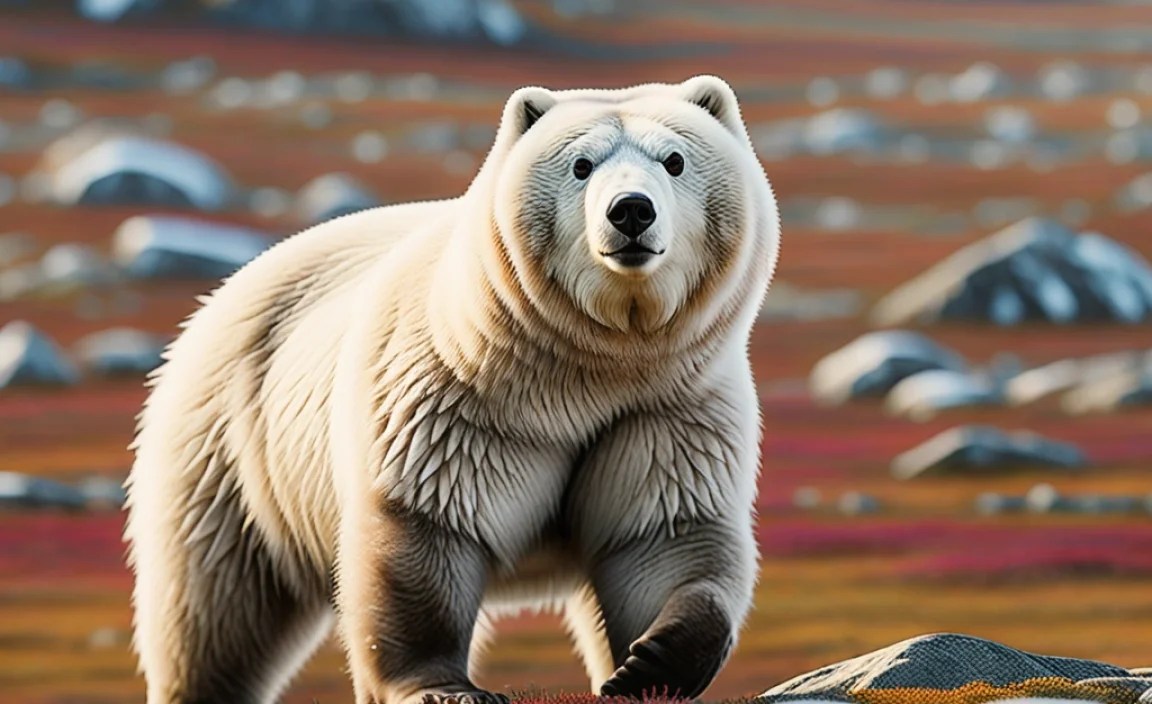
Species identification in tundra is like being a detective. You look for clues to figure out what plant or animal you are seeing. The tundra is a cold and treeless area. It is found in the Arctic and other cold regions. Many unique plants and animals live there. Identifying these species helps us learn about their lives. We can understand how they survive in such a harsh place. This knowledge helps us protect them and their home.
- Look at the size and shape of the plant or animal.
- Note the colors and any special markings.
- Observe where it lives and what it eats.
- Listen for any sounds it makes.
- Use a field guide to compare your observations.
Identifying species in the tundra can be challenging. The weather can be very cold and windy. Sometimes, plants and animals are hard to find. They might be hiding or camouflaged. But with practice, anyone can learn to identify tundra species. It’s like learning a new language. The more you practice, the better you get. Soon, you’ll be able to spot different plants and animals easily. Remember to be patient and have fun exploring! The tundra is full of surprises waiting to be discovered.
Fun Fact or Stat: The Arctic tundra covers about 5 million square miles of the Earth!
Why Is It Important?
Have you ever wondered why it matters to know the names of plants and animals? Species identification in tundra helps us understand how the ecosystem works. An ecosystem is a community of living things. These living things interact with each other and their environment. Each species has a role to play. Some plants provide food for animals. Some animals help spread seeds. When we know what species are present, we can see how they all connect. This helps us understand what might happen if a species disappears. It also helps us protect the tundra from harm.
What Tools Do Scientists Use?
Imagine you are a scientist studying the tundra. What tools would you need? Scientists use many tools for species identification in tundra. They use field guides with pictures and descriptions. They use binoculars to see animals from far away. They also use cameras to take pictures. Some scientists even use special devices to record animal sounds. These tools help them gather information. This information helps them identify different species. With these tools, scientists can learn a lot about the tundra.
How Can Kids Help?
Do you want to help scientists study the tundra? You can! There are many ways kids can help with species identification in tundra. You can learn about tundra plants and animals. You can draw pictures of them. You can even write stories about them. When you visit a tundra area, you can take pictures. You can share your observations with others. By learning and sharing, you can help protect the tundra. Every little bit helps.
Methods for Tundra Species Identification
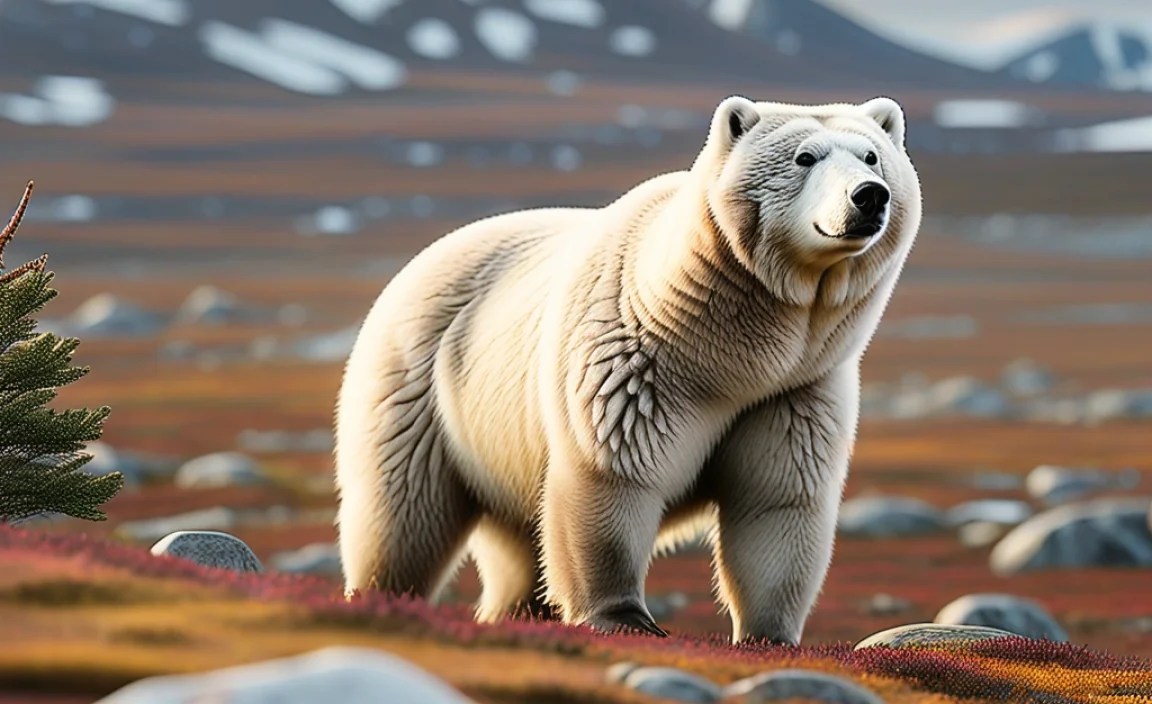
There are many ways to do species identification in tundra. Some methods are simple. Others are more complex. One simple method is to use a field guide. A field guide has pictures and descriptions of different species. You can compare what you see to the pictures in the guide. Another method is to look at tracks and signs. Animals leave footprints and droppings. These can help you identify what animals are in the area. Scientists also use DNA analysis. This is a more complex method. They collect samples and analyze the DNA. This can tell them exactly what species it is.
- Using field guides with pictures and descriptions.
- Observing animal tracks and other signs.
- Collecting and analyzing DNA samples.
- Recording and analyzing animal sounds.
- Using remote sensing technology like drones.
No matter what method you use, it’s important to be careful. The tundra is a fragile environment. It’s important to avoid disturbing plants and animals. Always follow the rules and regulations. Be respectful of the environment. Remember, the goal is to learn about the tundra. We want to protect it for future generations. Species identification in tundra helps us do just that. It gives us the information we need to make smart choices.
Fun Fact or Stat: Some tundra plants can survive for hundreds of years!
Field Guides and Apps
Imagine you are hiking in the tundra. You see a plant you don’t recognize. What do you do? A field guide can help. Field guides are books with pictures and descriptions. They help you identify plants and animals. Now, there are also apps for your phone! These apps have pictures and information. Some even have sounds of animals. They make species identification in tundra easier than ever. You can carry a whole library in your pocket.
Tracking and Signs
Animals are often hiding. But they leave clues behind. These clues are called tracks and signs. Tracks are footprints in the snow or mud. Signs can be droppings, feathers, or chewed plants. By looking at these clues, you can tell what animals are around. You can learn about their behavior. Tracking and signs are like reading a story. They tell you what happened in the tundra. It’s a vital part of species identification in tundra.
DNA Analysis
Sometimes, it’s hard to tell what species something is. Even with field guides and tracks. That’s where DNA analysis comes in. Scientists collect a small sample. They analyze the DNA in a lab. DNA is like a code. It tells you exactly what species it is. This method is very accurate. It can even identify species that look very similar. DNA analysis is a powerful tool. It helps us understand the tundra. It makes species identification in tundra much more precise.
Challenges in Identifying Tundra Species

Species identification in tundra is not always easy. The tundra is a harsh environment. The weather can be unpredictable. Plants and animals can be hard to find. Some species look very similar to each other. This can make it hard to tell them apart. Also, some species are rare. You might not see them very often. These challenges make it important to be patient. You also need to be observant. The more you practice, the better you will become.
- Harsh weather conditions make fieldwork difficult.
- Many species are small and well-camouflaged.
- Some species look very similar to each other.
- Remote locations can be hard to reach.
- Limited resources for research and identification.
Despite these challenges, scientists are making progress. They are developing new tools and methods. They are using technology to study the tundra. They are also working with local communities. This helps them learn from traditional knowledge. By working together, we can overcome these challenges. We can better understand the tundra. We can protect it for future generations.
Fun Fact or Stat: The tundra is home to the Arctic fox, which can survive temperatures as low as -70°F!
Weather Conditions
Imagine trying to identify a plant in a blizzard. The wind is howling, and the snow is falling. It’s hard to see anything! Weather can make species identification in tundra very difficult. Cold temperatures can freeze equipment. Wind can blow away samples. Snow can cover up plants and tracks. Scientists have to be prepared for anything. They need to dress warmly. They need to bring extra supplies. They need to be patient and persistent.
Camouflage and Mimicry
Many tundra plants and animals are masters of disguise. They use camouflage to blend in with their surroundings. The Arctic fox has white fur in winter. This helps it hide in the snow. Some insects mimic other species. This protects them from predators. Camouflage and mimicry make species identification in tundra harder. You have to look closely. You have to know what to look for.
Remote Locations
The tundra is often far away from towns and cities. It can be hard to get there. This makes it difficult to study. Scientists need to travel long distances. They need to carry all their supplies. They need to be self-sufficient. Remote locations add to the challenges of species identification in tundra. But they also make it exciting. You get to explore places few people have ever seen.
Importance of Conservation in the Tundra

The tundra is a special place. It is home to many unique species. But the tundra is also under threat. Climate change is causing the permafrost to melt. Pollution is harming plants and animals. Human activities are disturbing habitats. That’s why conservation is so important. Conservation means protecting the tundra. It means preserving its plants and animals. Species identification in tundra helps us with conservation. It helps us understand what we need to protect.
| Threat | Impact | Conservation Action |
|---|---|---|
| Climate Change | Melting permafrost, changing habitats | Reduce greenhouse gas emissions |
| Pollution | Harm to plants and animals | Reduce pollution sources |
| Habitat Destruction | Loss of homes for species | Protect tundra areas from development |
| Overhunting/Fishing | Decline in animal populations | Implement sustainable hunting/fishing practices |
- Protecting tundra habitats from destruction.
- Reducing pollution that harms plants and animals.
- Managing hunting and fishing to prevent overexploitation.
- Addressing climate change to protect permafrost.
- Educating people about the importance of the tundra.
We can all help with tundra conservation. We can learn about the tundra. We can support organizations that protect it. We can make choices that reduce our impact. Every little bit helps. By working together, we can ensure that the tundra thrives. We can protect it for future generations. Species identification in tundra is a key part of this effort. It helps us understand what we are protecting.
Fun Fact or Stat: Many migratory birds rely on the tundra for breeding grounds.
Protecting Habitats
Imagine the tundra as a giant puzzle. Each piece is a different habitat. There are wetlands, grasslands, and rocky areas. Each habitat supports different species. Protecting these habitats is important. It gives plants and animals a place to live. It helps them survive. Habitat protection is a key part of tundra conservation. Species identification in tundra helps us know what habitats to protect.
Reducing Pollution
Pollution can harm tundra plants and animals. It can come from far away. Pollution can travel through the air and water. It can contaminate the soil. Reducing pollution is important for tundra conservation. We can reduce pollution by making smart choices. We can use less energy. We can recycle. We can support companies that are environmentally friendly. These actions help protect the tundra. They are all helped by species identification in tundra.
Sustainable Practices
Sustainable practices are ways of doing things. Ways that don’t harm the environment. Sustainable hunting and fishing are important. They prevent overexploitation of species. Sustainable tourism is also important. It allows people to visit the tundra. Without damaging the environment. Sustainable practices help protect the tundra. They ensure that it will be healthy for years to come. They depend on good species identification in tundra.
The Role of Technology in Species ID

Technology is changing how we do species identification in tundra. Drones can fly over large areas. They take pictures and videos. These images can be used to identify plants and animals. GPS devices can track animal movements. Sensors can monitor environmental conditions. These technologies provide valuable data. This data helps us understand the tundra. It helps us protect it.
- Using drones to survey large areas quickly.
- Employing GPS trackers to monitor animal movement.
- Analyzing satellite images to track habitat changes.
- Using acoustic monitoring to identify bird songs.
- Developing AI to automate species identification.
As technology improves, it will become even more useful. Scientists will be able to collect more data. They will be able to analyze it more quickly. This will help them make better decisions. Technology is a powerful tool. It can help us protect the tundra. However, it’s important to use technology responsibly. We need to make sure that it doesn’t harm the environment.
Fun Fact or Stat: Some drones can be equipped with thermal cameras to detect animals even in the dark!
Remote Sensing
Imagine you could see the tundra from space. You could see changes in the landscape. You could track the movement of animals. Remote sensing allows us to do this. Satellites and airplanes can take pictures of the tundra. These images can be used to study the environment. Remote sensing provides a big picture view. It helps us understand the tundra. It plays a huge role in species identification in tundra.
Acoustic Monitoring
Many animals communicate with sounds. Birds sing, and mammals call. Acoustic monitoring allows us to listen to these sounds. Scientists can place recorders in the tundra. These recorders capture animal sounds. Scientists can then analyze the sounds. They can identify different species. Acoustic monitoring is a non-invasive way to study animals. It doesn’t disturb them. This is important for species identification in tundra.
Artificial Intelligence
Artificial intelligence (AI) is a type of computer program. AI can learn from data. It can identify patterns. AI can be used to identify species. You can feed AI lots of pictures of plants. The AI can learn to identify them. AI can also be used to analyze sounds. It can identify animal calls. AI can make species identification in tundra faster and more accurate.
Citizen Science and Tundra Research
You don’t have to be a scientist to study the tundra. Citizen science projects allow anyone to participate. You can collect data and share your observations. This helps scientists learn more about the tundra. Citizen science is a great way to get involved. It’s also a fun way to learn. Species identification in tundra is often a key part.
- Participating in online platforms to identify species from photos.
- Reporting sightings of rare or invasive species.
- Collecting data on plant growth and distribution.
- Monitoring bird populations and migration patterns.
- Assisting with habitat restoration projects.
There are many different citizen science projects. Some projects focus on plants. Others focus on animals. Some projects are online. Others are in the field. You can find a project that interests you. By participating, you can make a difference. You can help protect the tundra.
Fun Fact or Stat: Citizen scientists have helped discover new species in various ecosystems!
Online Platforms
There are many online platforms for citizen science. These platforms allow you to identify species from photos. You can also report sightings of rare species. Some platforms have quizzes and games. These help you learn about the tundra. Online platforms make citizen science accessible to everyone. It makes species identification in tundra easier.
Field Observations
Field observations involve going out into the tundra. You can look for plants and animals. You can record your observations. You can take pictures. Field observations are a great way to connect with nature. They allow you to see the tundra up close. They also contribute to species identification in tundra.
Data Collection
Scientists need data to study the tundra. Data can include information about plant growth. It can include information about animal populations. Citizen scientists can help collect this data. You can measure plant heights. You can count animals. You can record weather conditions. This data helps scientists understand the tundra. It is essential for species identification in tundra.
Future Directions in Tundra Research
Tundra research is constantly evolving. Scientists are developing new tools and methods. They are exploring new questions. The future of tundra research is exciting. We will learn even more about this unique ecosystem. This will help us protect it for future generations. Species identification in tundra will become even more precise.
- Developing more sophisticated AI for species identification.
- Using advanced genomics to understand species adaptations.
- Integrating traditional knowledge with scientific research.
- Monitoring the impacts of climate change on species distribution.
- Creating more effective conservation strategies.
One important area of research is climate change. Scientists are studying how climate change is affecting the tundra. They are looking at how it is impacting plants and animals. They are also developing strategies to help the tundra adapt. Another area of research is conservation. Scientists are working to protect tundra habitats. They are also working to reduce pollution.
Fun Fact or Stat: Research suggests the tundra is changing faster than many other ecosystems due to climate change!
Advanced Genomics
Genomics is the study of genes. Genes are the instructions that make up living things. Advanced genomics can help us understand how species adapt. How they survive in the tundra. It can also help us identify new species. Genomics is a powerful tool for tundra research. It supports better species identification in tundra.
Integrating Knowledge
Traditional knowledge is the knowledge of indigenous people. People who have lived in the tundra for generations. This knowledge can be very valuable. It can help scientists understand the tundra. It can also help them develop conservation strategies. Integrating traditional knowledge with scientific research is important. Species identification in tundra benefits greatly from this partnership.
Climate Change Impacts
Climate change is a major threat to the tundra. It is causing the permafrost to melt. It is changing habitats. It is impacting plants and animals. Scientists are studying these impacts. They are developing strategies to help the tundra adapt. Understanding the impacts of climate change is crucial. It’s vital for species identification in tundra efforts.
Summary
Species identification in tundra is the process of figuring out what plants and animals live in the Arctic tundra. It’s important for understanding the ecosystem. Scientists use field guides, tracks, and DNA to identify species. There are challenges like harsh weather and camouflage. Conservation is crucial to protect the tundra. Technology and citizen science play a big role. Future research will focus on climate change and genomics.
Identifying species helps us understand how they survive. It shows how they interact with each other. This knowledge helps us protect them. It allows us to make smart choices about the tundra. Species identification in tundra helps us protect this unique environment.
Conclusion
The tundra is a special and fragile place. It is home to many unique plants and animals. Understanding the species that live there is crucial. Species identification in tundra helps us learn about the ecosystem. It allows us to protect it from threats like climate change. By working together, we can ensure that the tundra thrives.
Frequently Asked Questions
Question No 1: Why is species identification in tundra important?
Answer: Species identification in tundra is important because it helps us understand the ecosystem. Knowing which plants and animals live there allows scientists to study their interactions. We can learn how they survive in the harsh environment. This knowledge is essential for conservation efforts. If we don’t know what species are present, we can’t protect them properly. It also helps us track changes in the environment. For example, if a species disappears, it could be a sign of a problem.
Question No 2: What are some common tundra plants?
Answer: The tundra is home to many interesting plants. Some common ones include Arctic moss, lichen, and dwarf shrubs. Arctic moss is a small, hardy plant. It can survive in very cold temperatures. Lichen is a combination of algae and fungi. It grows on rocks and other surfaces. Dwarf shrubs are small, woody plants. They are adapted to the short growing season. These plants provide food and shelter for animals. They are an important part of the tundra ecosystem. Understanding these plants starts with good species identification in tundra.
Question No 3: What animals live in the tundra?
Answer: Many amazing animals live in the tundra. Some examples are Arctic foxes, caribou, and snowy owls. Arctic foxes have thick fur to keep them warm. Caribou are large deer that migrate across the tundra. Snowy owls are white birds that hunt rodents. These animals have adapted to the cold. They have special ways of finding food and staying warm. They are all part of the tundra ecosystem. Species identification in tundra is key to studying them.
Question No 4: How does climate change affect the tundra?
Answer: Climate change is a big threat to the tundra. The Arctic is warming faster than other parts of the world. This is causing the permafrost to melt. Permafrost is frozen ground that stays frozen year-round. When it melts, it releases greenhouse gases. These gases contribute to climate change. Melting permafrost also changes habitats. This impacts plants and animals. Scientists are studying these changes. They are working to protect the tundra. Accurate species identification in tundra is vital for this work.
Question No 5: Can kids help with tundra research?
Answer: Yes, kids can definitely help with tundra research! There are many citizen science projects. These projects allow anyone to participate. You can collect data and share your observations. You can also learn about the tundra. You can spread the word about conservation. Every little bit helps. By getting involved, you can make a difference. Even learning about species identification in tundra can help!
Question No 6: What are some challenges in species identification in tundra?
Answer: There are several challenges in identifying species in the tundra. The weather can be harsh and unpredictable. It can be cold, windy, and snowy. This makes fieldwork difficult. Many species are small and well-camouflaged. This makes them hard to spot. Some species look very similar to each other. This makes it hard to tell them apart. Remote locations can be hard to reach. Limited resources can also be a challenge. Despite these challenges, scientists are making progress. They are developing new tools and methods.


