
Butterfly Emergence Guide: See the Magic!

The butterfly emergence process, also known as eclosion, involves several key steps: The butterfly larva pupates and forms a chrysalis, inside which it undergoes metamorphosis. When ready, the butterfly emerges, pumps fluid into its wings to expand them, and then waits for its wings to dry and harden before flying off. Successfully guiding a butterfly through emergence is essential for its survival.
Have you ever wondered how a caterpillar transforms into a beautiful butterfly? Watching a butterfly emerge from its chrysalis is one of nature’s most magical events. However, this delicate process can sometimes be challenging. Many enthusiasts find themselves unsure of how to best support a butterfly during this critical time.
Don’t worry! I’m Frances O’Brien, and with years of experience observing and caring for butterflies, I’ll guide you through each step. We’ll explore everything from creating the perfect environment to recognizing signs of trouble and offering gentle assistance. Get ready to witness the wonder of emergence and help these amazing creatures thrive!
Understanding Butterfly Emergence
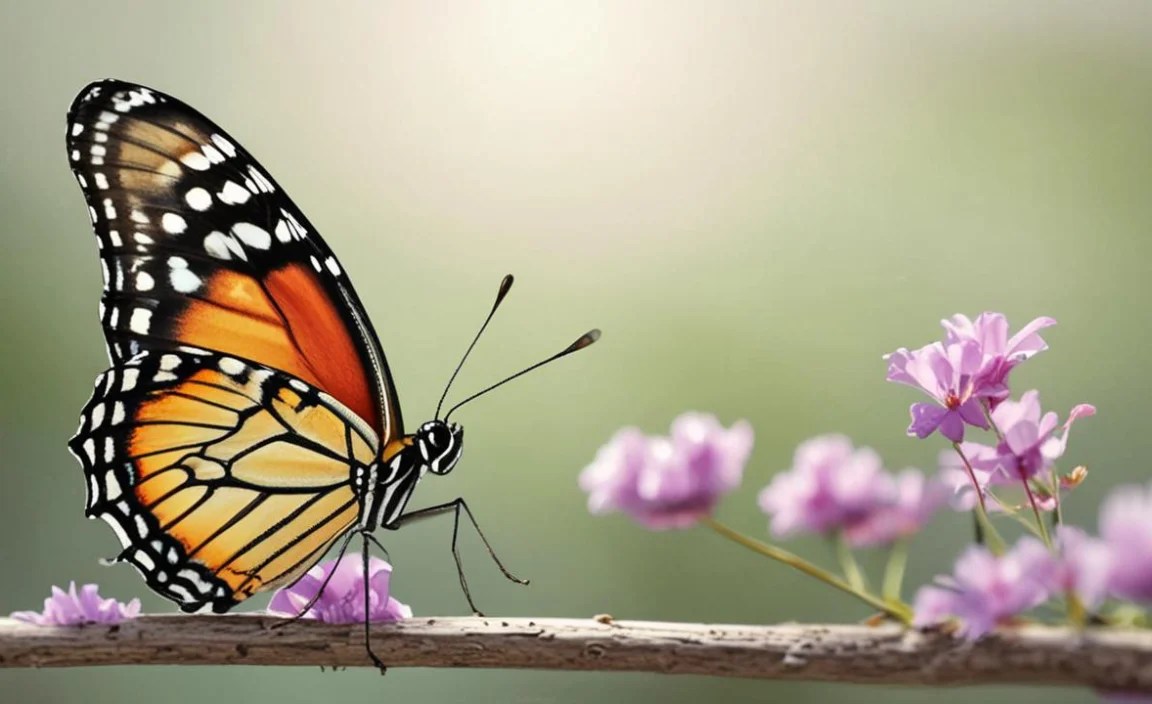
Butterfly emergence, or eclosion, is the final stage of metamorphosis. During this stage, the fully formed butterfly breaks free from its pupal cuticle, known as the chrysalis. Understanding this process is crucial for anyone hoping to assist butterflies, whether in a classroom, garden, or home environment.
The Stages of Emergence
The emergence process can be broken down into several distinct stages, each with its own set of challenges and requirements:
- Preparation: Before emergence, the pupa often becomes transparent, allowing you to see the butterfly inside. This is a sign that emergence is imminent.
- Breaking the Chrysalis: The butterfly uses small hooks on its feet and body to split the chrysalis open. This process can take anywhere from a few minutes to an hour.
- Emerging: The butterfly slowly wriggles out of the chrysalis. Its wings are crumpled and wet at this stage.
- Pumping Hemolymph: The butterfly pumps hemolymph (insect blood) into its wings to expand them to their full size. This process is critical for flight.
- Drying and Hardening: The butterfly rests while its wings dry and harden. This can take several hours.
Factors Affecting Successful Emergence
Several factors can influence whether a butterfly successfully emerges:
- Humidity: Proper humidity levels are crucial to prevent the pupal cuticle from drying out and hindering emergence.
- Temperature: Temperature affects the speed of development. Too cold, and the process slows down; too hot, and it can cause deformities.
- Physical Space: The butterfly needs enough space to fully expand its wings. A cramped environment can lead to deformed wings.
- Support: The butterfly needs a secure place to hang while it expands and dries its wings.
Creating the Ideal Environment
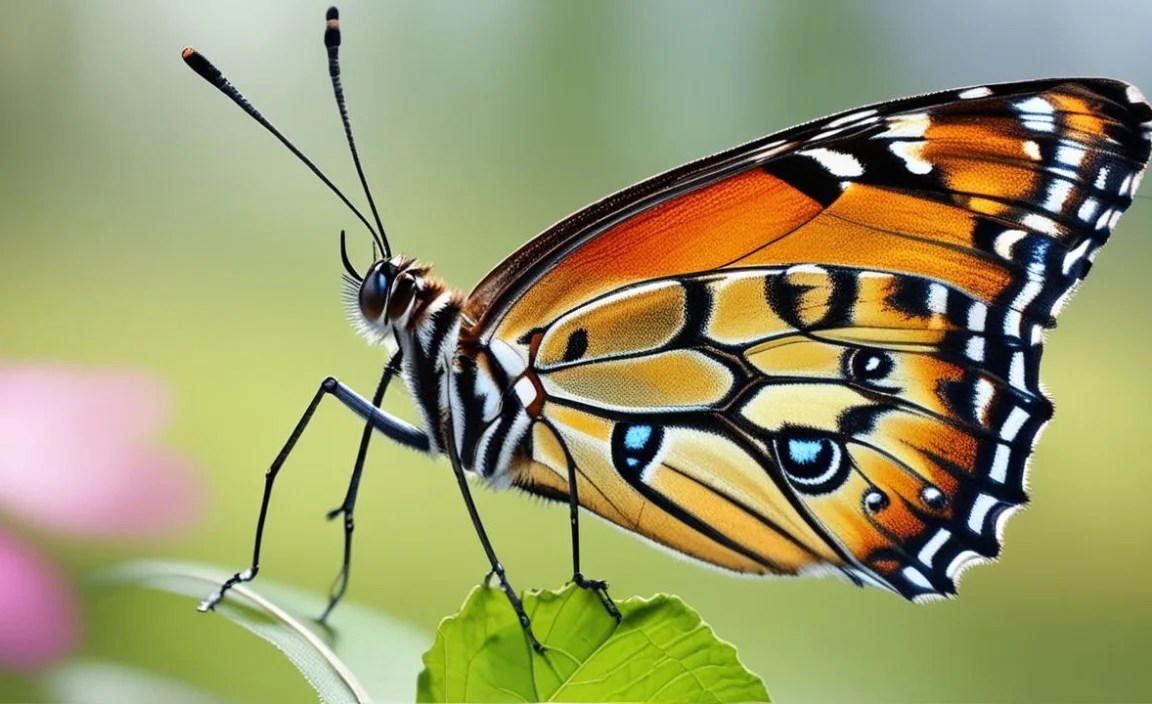
To ensure a successful emergence, creating the right environment is essential. This involves controlling humidity, temperature, and providing adequate space and support.
Humidity Control
Maintaining the correct humidity level is vital. Too little humidity can cause the pupal cuticle to harden, making it difficult for the butterfly to emerge. Too much humidity can promote fungal growth.
- Ideal Humidity: Aim for a humidity level between 50% and 70%.
- Methods to Increase Humidity: You can increase humidity by misting the enclosure with water, placing a wet sponge inside, or using a humidifier.
- Methods to Decrease Humidity: Ensure good ventilation to prevent excessive humidity.
Temperature Regulation
Temperature plays a significant role in the rate of development. Most butterfly species thrive in temperatures between 70°F and 80°F (21°C and 27°C).
- Ideal Temperature: Maintain a stable temperature within the preferred range for your specific butterfly species.
- Heating: Use a heat lamp or heat mat if necessary, but avoid direct heat, which can dry out the pupa.
- Cooling: If the temperature is too high, move the enclosure to a cooler location or use a fan to circulate air.
Providing Adequate Space and Support
Butterflies need enough vertical space to hang and expand their wings fully. They also need a secure surface to grip during emergence.
- Enclosure Size: The enclosure should be at least three times the butterfly’s wingspan in height.
- Support Structures: Provide branches, twigs, or netting for the butterfly to hang from.
- Orientation: Ensure the support structure is positioned vertically to allow the butterfly to hang downwards.
Step-by-Step Guide to Assisting Emergence
Sometimes, butterflies encounter difficulties during emergence and may require assistance. Here’s a step-by-step guide on how to help:
Step 1: Recognizing Signs of Trouble
Before intervening, it’s crucial to identify whether the butterfly is genuinely struggling. Signs of trouble include:
- Prolonged Struggle: If the butterfly has been trying to emerge for more than a few hours without success.
- Incomplete Emergence: If part of the butterfly’s body is stuck in the chrysalis.
- Deformed Chrysalis: If the chrysalis is damaged or misshapen.
Step 2: Preparing Your Tools
Gather the necessary tools before attempting to assist the butterfly:
- Sterile Scissors or Tweezers: For gently cutting the chrysalis.
- Soft Cloth or Paper Towel: For providing a soft surface.
- Shallow Dish of Sugar Water: For providing energy to the newly emerged butterfly (mix 1 part sugar with 4 parts water).
- Clean, Disinfected Work Area: To minimize the risk of infection.
Step 3: Assisting with Emergence
If the butterfly is struggling to break free, you can gently assist:
- Moisten the Chrysalis: Use a damp cloth to gently moisten the area where the butterfly is stuck.
- Carefully Cut the Chrysalis: Use sterile scissors or tweezers to make small, careful cuts along the chrysalis, avoiding the butterfly’s body.
- Gently Free the Butterfly: Use the tweezers to gently peel back the chrysalis, freeing the butterfly.
Step 4: Providing Post-Emergence Care
Once the butterfly has emerged, provide the following care:
- Positioning: Place the butterfly on a soft cloth or paper towel in a vertical position, allowing it to hang and expand its wings.
- Hydration and Energy: Offer a shallow dish of sugar water. Place the dish near the butterfly’s head, or gently uncurl its proboscis and place it in the water.
- Observation: Observe the butterfly closely for the next few hours, ensuring it can fully expand its wings.
Troubleshooting Common Issues
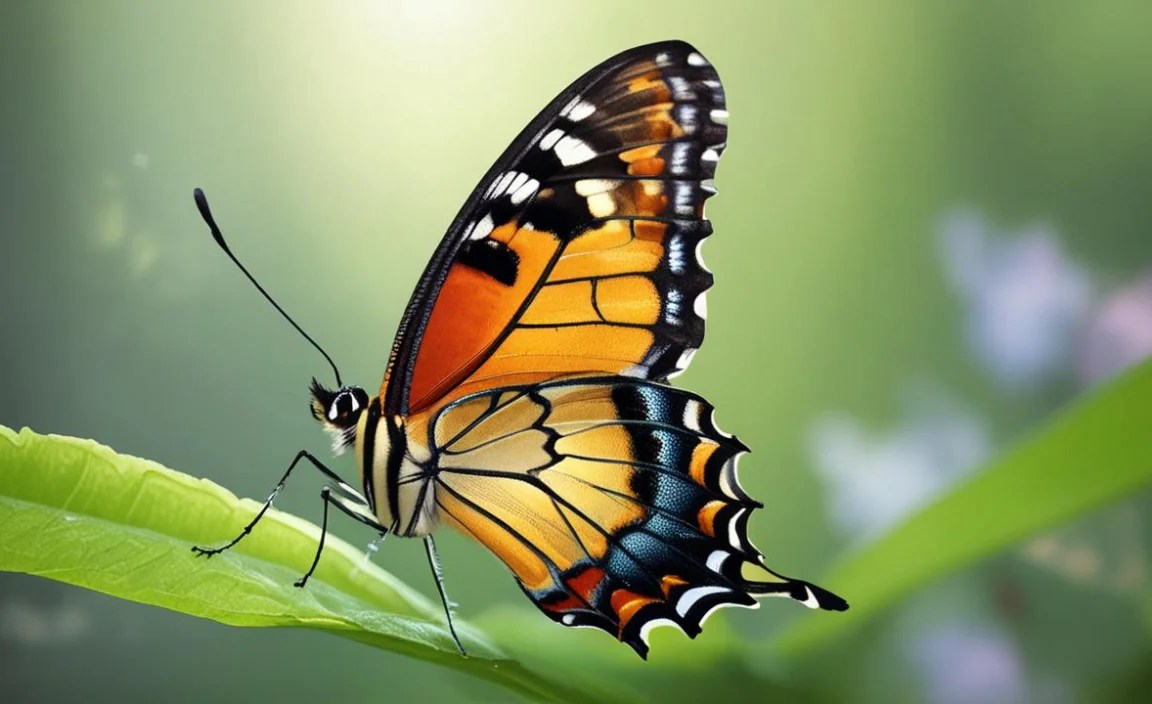
Despite your best efforts, issues can still arise during emergence. Here’s how to troubleshoot some common problems:
Deformed Wings
Deformed wings are a common issue, often caused by insufficient humidity or lack of space.
- Causes: Low humidity, cramped environment, genetic factors.
- Solutions:
- Increase humidity by misting the enclosure.
- Ensure the butterfly has enough vertical space to expand its wings.
- Unfortunately, if the wings are severely deformed, the butterfly may not be able to fly and may not survive in the wild.
Failure to Expand Wings
Sometimes, butterflies fail to fully expand their wings, which can be due to dehydration or physical obstruction.
- Causes: Dehydration, physical obstruction, weak butterfly.
- Solutions:
- Offer sugar water to hydrate the butterfly.
- Ensure there are no obstructions preventing wing expansion.
- Gently support the wings to help them expand, but be extremely careful not to damage them.
Stuck in Chrysalis
If the butterfly is stuck in the chrysalis, it may need assistance to break free.
- Causes: Dry chrysalis, weak butterfly.
- Solutions:
- Moisten the chrysalis with a damp cloth.
- Carefully cut the chrysalis to help the butterfly emerge.
Understanding Butterfly Anatomy and Physiology

To better assist butterflies, it’s helpful to understand some basic anatomy and physiology. This knowledge will help you recognize potential issues and provide appropriate care.
Key Anatomical Features
| Feature | Description | Function |
|---|---|---|
| Wings | Delicate, scaled structures | Flight and thermoregulation |
| Proboscis | Long, straw-like appendage | Feeding on nectar |
| Legs | Six legs with sensory receptors | Walking and gripping |
| Antennae | Sensory organs | Detecting scents and air currents |
Physiological Processes
- Hemolymph Circulation: Hemolymph is the insect equivalent of blood, circulating nutrients and hormones.
- Respiration: Butterflies breathe through spiracles, small openings on their abdomen.
- Thermoregulation: Butterflies regulate their body temperature by basking in the sun or seeking shade.
Butterfly Conservation and Ethical Considerations
As butterfly enthusiasts, it’s essential to consider the ethical implications of our actions and support conservation efforts. Responsible butterfly care includes:
Sourcing Butterflies Ethically
Ensure that you obtain butterflies from reputable sources that practice sustainable breeding. Avoid collecting wild butterflies, which can harm local populations.
- Reputable Breeders: Purchase butterflies from breeders who prioritize the health and genetic diversity of their stock.
- Avoid Wild Collection: Never collect butterflies from the wild, as this can negatively impact local ecosystems.
Releasing Butterflies Responsibly
When releasing butterflies, consider the following:
- Native Species: Only release butterflies that are native to your area.
- Suitable Habitat: Release butterflies in an area with ample food sources and shelter.
- Timing: Release butterflies during appropriate weather conditions (warm and sunny) and time of year.
Supporting Conservation Efforts
Support organizations dedicated to butterfly conservation through donations, volunteer work, or educational outreach.
- The Xerces Society: A non-profit organization focused on invertebrate conservation. Xerces Society
- Butterfly Conservation: An organization dedicated to protecting butterflies and their habitats.
- Local Conservation Groups: Get involved with local conservation groups that focus on habitat restoration and butterfly monitoring.
Advanced Techniques for Butterfly Care
For those looking to deepen their knowledge and skills, here are some advanced techniques for butterfly care:
Hand-Pairing Butterflies
Hand-pairing involves manually assisting butterflies to mate, which can be useful for breeding specific genetic lines.
- Technique: Gently hold the butterflies together, aligning their abdomens until they naturally pair.
- Considerations: This technique requires a delicate touch and a thorough understanding of butterfly mating behavior.
Rearing Caterpillars on Artificial Diets
Rearing caterpillars on artificial diets can provide a consistent and controlled food source, especially for species with specific dietary needs.
- Formulation: Artificial diets typically consist of a blend of powdered leaves, vitamins, and preservatives.
- Considerations: Developing the right diet requires research and experimentation to meet the nutritional needs of the caterpillars.
Microscopic Examination of Butterfly Scales
Examining butterfly scales under a microscope can reveal fascinating details about their structure and coloration, as well as help identify different species.
- Technique: Gently remove a few scales from the butterfly’s wing and mount them on a microscope slide.
- Considerations: This technique requires a microscope and specialized skills in microscopy.
Resources for Further Learning
To continue your journey in butterfly care, here are some valuable resources:
- Books:
- “Butterflies of North America” by Jim P. Brock and Kenn Kaufman
- The Butterfly Gardener’s Guide” by Miriam Rothschild and Clive Farrell
- Websites:
- Organizations:
- The Butterfly Conservation Society
- The Xerces Society
FAQ About Butterfly Emergence
Here are some frequently asked questions about butterfly emergence:
- Q: How long does it take for a butterfly to emerge from its chrysalis?
- A: The emergence process can take anywhere from a few minutes to an hour, depending on the species and environmental conditions.
- Q: What should I do if a butterfly is stuck in its chrysalis?
- A: Gently moisten the chrysalis with a damp cloth and carefully cut it open with sterile scissors or tweezers to help the butterfly emerge.
- Q: Why are my butterfly’s wings deformed?
- A: Deformed wings can be caused by low humidity, a cramped environment, or genetic factors. Ensure proper humidity and adequate space for wing expansion.
- Q: How can I provide food for a newly emerged butterfly?
- A: Offer a shallow dish of sugar water (1 part sugar to 4 parts water) near the butterfly’s head, or gently uncurl its proboscis and place it in the water.
- Q: What is the ideal temperature for butterfly emergence?
- A: Maintain a stable temperature between 70°F and 80°F (21°C and 27°C) for optimal development and emergence.
- Q: Can I touch a butterfly’s wings?
- A: Avoid touching a butterfly’s wings, as the scales are delicate and essential for flight. Handling can damage the wings and reduce the butterfly’s ability to fly.
- Q: How do I know when a butterfly is about to emerge?
- A: The pupa often becomes transparent, allowing you to see the butterfly inside. This is a sign that emergence is imminent.
Conclusion
Witnessing a butterfly emerge is a truly remarkable experience, and by following this guide, you can play an active role in ensuring these delicate creatures thrive. From creating the perfect environment to gently assisting with emergence and providing post-emergence care, your efforts can make a significant difference. Remember to source butterflies ethically, release them responsibly, and support conservation efforts. As you continue your journey in butterfly care, you’ll not only deepen your appreciation for these amazing insects but also contribute to their preservation for generations to come. Happy butterfly watching!


