
Butterfly Photo Identification: Free, Easy Guide

Quick Summary: Identifying butterflies from photos can be easy! Focus on key features like wing patterns, size, color, and shape. Note the butterfly’s location and habitat. Use online resources like butterfly identification guides, apps, and expert forums to narrow down the possibilities. With practice, you’ll become a butterfly identification pro!
Have you ever snapped a photo of a beautiful butterfly and wondered, “What kind is that?” It’s a common question! With so many different species flitting around, telling them apart can seem tricky. But don’t worry, it’s totally possible to identify butterflies from photos, even if you’re a beginner. We’ll walk through a simple, step-by-step process. Get ready to unlock the secrets hidden in those colorful wings!
How to Identify Butterflies from Photos: A Beginner’s Guide

Butterfly identification can seem daunting at first, but with a few simple steps, you can learn to identify these beautiful creatures from your photos. Here’s how to get started:
Step 1: Observe Key Features
The first step is to closely observe the butterfly in your photo. Pay attention to these key characteristics:
- Wing Patterns: Note the colors, spots, stripes, and any unique markings. Are the patterns symmetrical?
- Size: Estimate the butterfly’s wingspan. Is it small, medium, or large?
- Color: Describe the dominant colors and any color variations. Are they bright and vibrant or muted and subtle?
- Shape: Examine the shape of the wings. Are they rounded, pointed, or swallow-tailed?
- Habitat and Location: Where did you see the butterfly? A forest, garden, or meadow? Location is very important.
These initial observations will help you narrow down the possibilities.
Step 2: Wing Pattern Details
Let’s dive deeper into wing patterns. This is often the most distinctive feature for identification.
- Spots: Note the size, shape, color, and arrangement of any spots. Are they clustered or evenly spaced? Do they have distinct borders?
- Lines and Bands: Describe any lines or bands. Are they thick or thin, straight or curved? Do they run parallel to the wing edge or across the wing?
- Eye Spots (Ocelli): Look for eye-like spots. How many are there, and where are they located? These are common in many butterfly species and can be a key identifier.
- Wing Edges: Are the wing edges smooth, scalloped, or jagged? Are there any tails or extensions?
Even subtle differences in wing patterns can distinguish one species from another.
Step 3: Note the Butterfly’s Size and Shape
Butterfly size and shape provide additional clues. Consider the following:
- Wingspan: Estimate the wingspan in inches or centimeters. Compare it to common objects for reference.
- Body Shape: Is the body slender or stout? What color is the body?
- Wing Shape: Are the wings rounded, angular, or elongated? Are there any distinctive features like swallowtails (pointed extensions on the hindwings)?
For example, Monarch butterflies are relatively large with a wingspan of 3.5-4 inches, while Spring Azures are much smaller, with a wingspan of about 1 inch.
Step 4: Consider Location and Habitat
Knowing where you saw the butterfly is crucial. Different species are found in different geographic regions and habitats.
- Geographic Location: Note the state, region, or country where you observed the butterfly.
- Habitat: Was it in a forest, meadow, garden, or near water? Different butterflies prefer different habitats. For example, the Pipevine Swallowtail is often found near its host plant, the pipevine.
- Time of Year: Some butterflies are only active during certain seasons.
Resources like the Butterflies and Moths of North America website (https://www.butterfliesandmoths.org/) are excellent for narrowing down possibilities based on location.
Step 5: Use Online Identification Resources
The internet is full of fantastic resources to help you identify butterflies.
- Butterfly Identification Websites: Websites like Butterflies and Moths of North America, BugGuide.net, and local butterfly society websites offer extensive photo galleries and identification keys.
- Butterfly Identification Apps: Apps like iNaturalist and Seek can identify butterflies based on your photos. These apps use image recognition technology and community input to provide identifications.
- Online Forums and Communities: Share your photos on butterfly identification forums or social media groups. Experienced butterfly enthusiasts can often provide accurate identifications.
When using online resources, be sure to provide as much information as possible, including the photo, location, date, and habitat.
Step 6: Compare Your Photo to Images in Identification Guides
Once you’ve gathered information about the butterfly’s features, location, and habitat, compare your photo to images in butterfly identification guides.
- Online Guides: Many websites offer online identification guides with photos and descriptions of different butterfly species.
- Field Guides: Consider purchasing a field guide specific to your region. These guides provide detailed information and illustrations to help you identify butterflies in the field.
Pay close attention to the key features you observed in your photo and compare them to the descriptions and images in the guide. Look for a match that closely resembles your butterfly.
Step 7: Consider Similar Species
Butterfly identification can be tricky because some species look very similar. Be aware of similar species in your area and carefully compare the subtle differences.
- Variations: Be aware that there can be variations within a species. Some butterflies may have slightly different color patterns or sizes.
- Male vs. Female: In some species, males and females have different wing patterns or colors.
- Seasonal Forms: Some butterflies have different forms depending on the season.
If you’re unsure about an identification, it’s always best to consult with an expert or seek a second opinion.
Step 8: Refine Your Search
As you compare your photo to images in identification guides, refine your search by focusing on specific features that match your butterfly. For example, if your butterfly has a distinctive tail, focus on species known to have tails.
Use keywords in your online searches that describe the butterfly’s features, such as “orange butterfly black stripes” or “small blue butterfly meadow.” This can help you narrow down the possibilities and find a match.
Step 9: Learn Butterfly Terminology
Understanding basic butterfly terminology can be helpful for identification. Here are a few key terms to know:
- Forewing: The front wing of the butterfly.
- Hindwing: The back wing of the butterfly.
- Dorsal: The upper side of the wing.
- Ventral: The underside of the wing.
- Marginal: The outer edge of the wing.
- Basal: The area near the base of the wing.
Knowing these terms will help you understand descriptions in identification guides and communicate more effectively with other butterfly enthusiasts.
Step 10: Practice and Patience
Butterfly identification takes practice. The more you observe butterflies and use identification resources, the better you’ll become at identifying them. Don’t get discouraged if you can’t identify every butterfly right away. Keep learning, keep exploring, and enjoy the process!
Tools for Butterfly Photo Identification
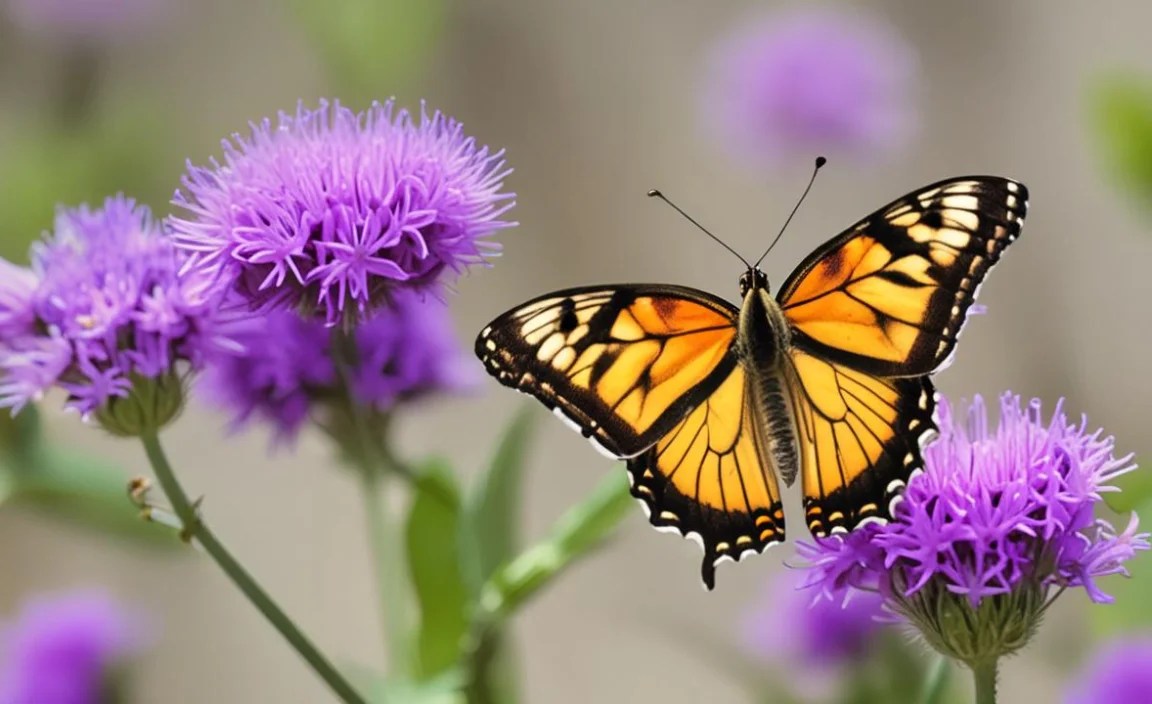
Having the right tools can greatly assist in butterfly photo identification. Here’s a list of useful resources:
- Camera: A good quality camera allows you to capture clear and detailed photos of butterflies.
- Notebook and Pen: Keep a notebook and pen handy to record your observations, including location, date, habitat, and key features.
- Magnifying Glass: A magnifying glass can help you examine small details on butterfly wings.
- Butterfly Field Guides: A field guide specific to your region is an invaluable resource for identifying butterflies.
- Smartphone or Tablet: A smartphone or tablet allows you to access online identification resources in the field.
- Butterfly Net: While not essential for photo identification, a butterfly net can help you get a closer look at a butterfly (handle with care and release unharmed).
Pros and Cons of Using Butterfly Photo Identification

Using butterfly photo identification has its advantages and disadvantages.
| Pros | Cons |
|---|---|
| Convenient: You can identify butterflies anytime, anywhere, using photos you’ve taken. | Accuracy: Photo identification can be challenging, especially for similar species. |
| Accessible: Online resources and apps make identification accessible to everyone. | Lighting: Poor lighting in photos can obscure key features, making identification difficult. |
| Non-Invasive: You can identify butterflies without disturbing them or their habitat. | Angle: The angle of the photo may not show all the necessary details. |
| Educational: Learning to identify butterflies from photos is a great way to learn about butterfly biology and ecology. | Variations: Natural variations within a species can confuse identification. |
Frequently Asked Questions (FAQs)
Here are some frequently asked questions about butterfly photo identification:
- Q: What’s the best way to take a good butterfly photo for identification?
- A: Try to get a clear, close-up shot of the butterfly’s wings. Make sure the wings are in focus and well-lit. Capture both the upper and lower sides of the wings if possible.
- Q: Can I identify a butterfly from a blurry photo?
- A: It’s more difficult, but sometimes possible if key features are still visible. Focus on distinctive patterns or colors. Providing location and habitat information can also help.
- Q: Are butterfly identification apps accurate?
- A: They can be helpful, but not always 100% accurate. Always double-check the app’s suggestion with other resources and your own observations.
- Q: How important is location when identifying butterflies?
- A: Very important! Different species are found in different regions. Knowing the location helps narrow down the possibilities.
- Q: What if I can’t identify a butterfly, even with all the resources?
- A: Don’t worry! Share your photo on a butterfly identification forum or with a local expert. They can often provide assistance.
- Q: Are there any poisonous butterflies I should be aware of?
- A: Some butterflies are poisonous or toxic if ingested, but they are not aggressive. The main danger is usually to predators. Monarchs, for example, are toxic to birds. Learn about the butterflies in your area to be aware.
- Q: How can I attract more butterflies to my garden so I can practice my identification skills?
- A: Plant a variety of nectar-rich flowers that bloom throughout the seasons. Also, provide host plants for caterpillars. Avoid using pesticides, which can harm butterflies. Provide a shallow dish of water with pebbles for butterflies to drink from.
Butterfly Anatomy Chart
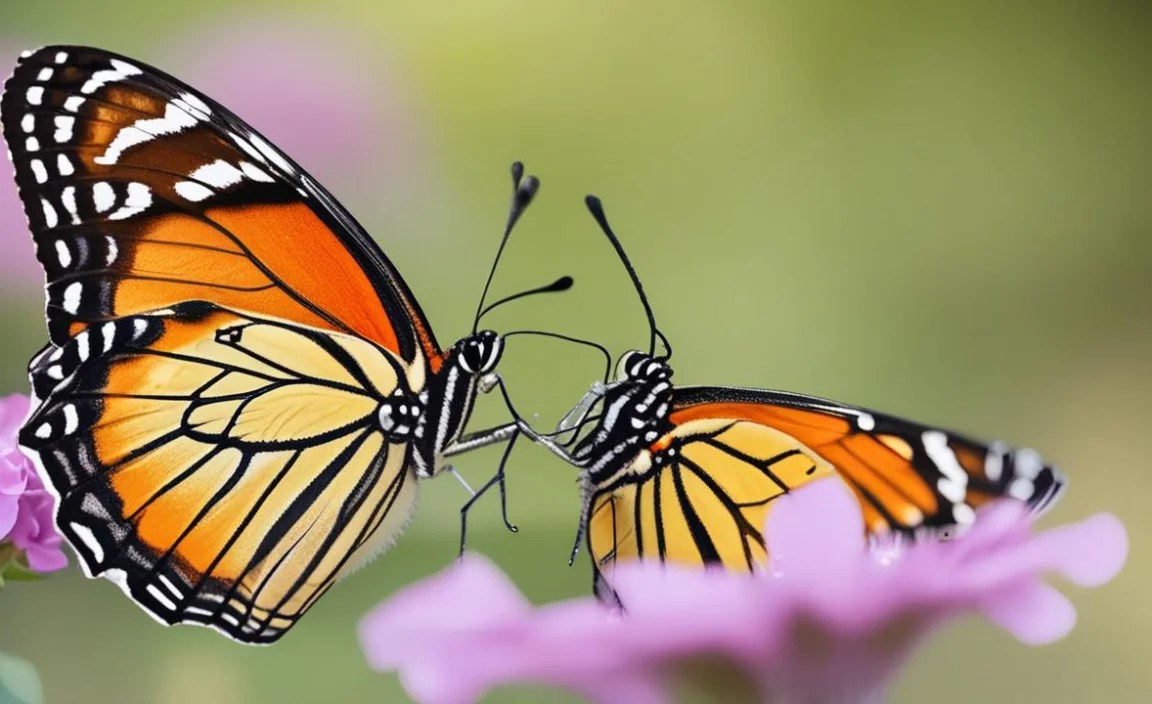
Understanding the basic anatomy of a butterfly is helpful for identification. Here’s a simple chart:
| Anatomical Feature | Description | Relevance to Identification |
|---|---|---|
| Forewing | The larger, front wing. | Often displays key patterns and colors used for identification. |
| Hindwing | The smaller, rear wing. | Can have distinct patterns, tails, or extensions that aid in identification. |
| Antennae | Sensory organs on the head. | Shape and color can sometimes be helpful in distinguishing between butterfly families. |
| Proboscis | A long, straw-like tongue used for feeding. | Not typically used for identification but indicates feeding habits. |
| Thorax | The middle section of the butterfly’s body. | Provides attachment for wings and legs. |
| Abdomen | The posterior section of the butterfly’s body. | Contains digestive and reproductive organs. |
| Ocelli (Eyespots) | Spots resembling eyes on the wings. | Serve to startle predators and are key features for species ID. |
The Importance of Butterfly Conservation

As you learn to identify butterflies, you’ll also become more aware of their importance to our ecosystem. Butterflies are pollinators, playing a vital role in plant reproduction. They are also an important food source for birds and other animals. Unfortunately, many butterfly species are threatened by habitat loss, climate change, and pesticide use.
You can contribute to butterfly conservation by:
- Planting a butterfly garden: Provide nectar-rich flowers and host plants for caterpillars.
- Avoiding pesticides: Use natural pest control methods instead of harmful chemicals.
- Supporting conservation organizations: Donate to or volunteer with organizations that protect butterfly habitats. The Xerces Society (https://xerces.org/) is a great resource.
- Educating others: Share your knowledge and passion for butterflies with friends, family, and your community.
By taking these steps, you can help ensure that future generations can enjoy the beauty and ecological benefits of butterflies. Together, we can make a difference!
Conclusion
Butterfly photo identification is a rewarding skill that allows you to connect with nature and learn more about the fascinating world of insects. By observing key features, using online resources, and practicing regularly, you can become a butterfly identification expert. Remember to be patient, enjoy the process, and contribute to butterfly conservation. Happy butterflying!


