
Digital Butterfly Atlas: Your Powerful ID Guide

The Digital Butterfly Atlas is an online resource that lets you explore butterfly distributions, identify species, and contribute your own sightings. By using these atlases, you can learn about butterfly habitats, track migration patterns, and support conservation efforts. It’s a great way to connect with nature and help protect these beautiful creatures!
Have you ever wondered which butterflies live in your area? Or maybe you’re curious about how their ranges are changing over time? Finding reliable information about butterfly distributions can be tricky. But don’t worry! Digital butterfly atlases make it easy to explore the fascinating world of butterflies. In this guide, I’ll show you how to use these amazing online tools to identify species, track migration patterns, and even contribute your own sightings. Get ready to discover the butterflies around you!
What is a Digital Butterfly Atlas?

A digital butterfly atlas is an online database and mapping system that shows where different butterfly species are found. These atlases collect data from various sources, including:
- Citizen scientists who report their sightings
- Museum collections
- Research projects
By bringing all this information together, digital atlases provide a comprehensive picture of butterfly distributions. They often include:
- Interactive maps showing species ranges
- Photos and descriptions to help with identification
- Information about butterfly habitats and life cycles
- Tools for submitting your own butterfly sightings
Think of it as a virtual field guide that’s always up-to-date!
Why Use a Digital Butterfly Atlas?
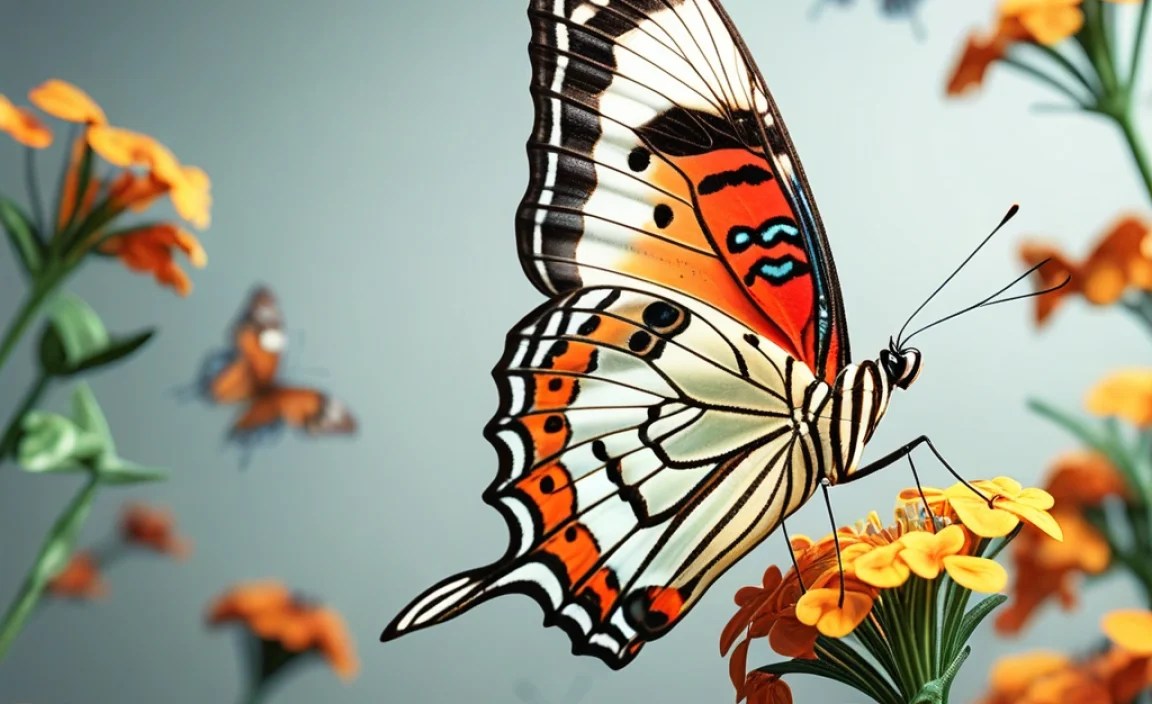
There are many reasons to use a digital butterfly atlas:
- Identify Butterflies: Easily find out what species are in your area and learn how to identify them.
- Track Migration: See where butterflies migrate and how their ranges change over time.
- Support Conservation: Contribute your own sightings to help scientists monitor butterfly populations and protect their habitats.
- Learn About Ecology: Understand the relationship between butterflies and their environment.
- Plan Butterfly Gardens: Discover which plants attract specific butterfly species in your region.
Digital butterfly atlases are valuable tools for both amateur butterfly enthusiasts and professional researchers.
How to Use a Digital Butterfly Atlas: A Step-by-Step Guide

Let’s walk through the process of using a digital butterfly atlas. I’ll use the Butterflies and Moths of North America (BAMONA) website as an example, but the general steps are similar for most atlases.
Step 1: Find a Digital Butterfly Atlas for Your Region
The first step is to find an atlas that covers your geographic area. Here are a few popular options:
- Butterflies and Moths of North America (BAMONA): Covers North America.
- European Butterfly Atlas: Focuses on European butterfly species.
- Local or State Atlases: Many states or regions have their own butterfly atlases. Search online for “[your region] butterfly atlas.”
Make sure the atlas you choose is relevant to your location for the most accurate information.
Step 2: Navigate to the Atlas Website
Once you’ve found an atlas, go to its website. The homepage usually has a search bar or interactive map.
For BAMONA, you’ll see a map of North America and a search box to find specific species.
Step 3: Search for a Butterfly Species
There are a few ways to find information about a specific butterfly:
- Search by Name: If you know the butterfly’s name, type it into the search bar.
- Browse by Region: Use the interactive map to zoom in on your area and see a list of butterflies found there.
- Use the Identification Tool: Some atlases have tools that help you identify a butterfly based on its appearance (color, size, markings).
Let’s say you want to learn about Monarch butterflies. Type “Monarch” into the BAMONA search bar and click on the result.
Step 4: Explore the Species Profile
After selecting a butterfly species, you’ll see a profile page with detailed information, including:
- Photos: Images of the butterfly in different life stages (egg, larva, pupa, adult).
- Description: Information about its appearance, size, and distinguishing features.
- Range Map: A map showing where the butterfly is found.
- Habitat: Details about the types of environments where it lives.
- Life Cycle: Information about its eggs, caterpillars, and pupae.
- Food: What the caterpillars and adult butterflies eat.
Take some time to explore all the sections of the species profile. The range map is especially useful for seeing if the butterfly is found in your area.
Step 5: Submit Your Own Sightings (Optional)
Many digital butterfly atlases allow you to contribute your own butterfly sightings. This is a great way to help scientists and conservationists track butterfly populations.
To submit a sighting, you’ll usually need to create an account on the atlas website. Then, you can enter information about:
- Species: The name of the butterfly you saw.
- Location: Where you saw the butterfly (latitude and longitude or a specific address).
- Date and Time: When you saw the butterfly.
- Number of Individuals: How many butterflies you saw.
- Photos: A photo of the butterfly (if you have one).
Your sightings will be reviewed by experts to ensure accuracy. Once approved, they’ll be added to the atlas and used for research and conservation efforts.
Tips for Using Digital Butterfly Atlases
Here are some tips to help you get the most out of digital butterfly atlases:
- Start with a Local Atlas: If your state or region has its own atlas, start there. It will likely have more detailed information about local butterfly populations.
- Use Multiple Atlases: Compare information from different atlases to get a more complete picture.
- Check the Date of the Data: Butterfly distributions can change over time, so make sure the data in the atlas is up-to-date.
- Verify Your Identification: Use multiple sources (photos, descriptions, identification tools) to confirm the identity of a butterfly before submitting a sighting.
- Take Good Photos: If you’re submitting sightings, try to take clear photos of the butterfly from multiple angles.
- Respect Butterfly Habitats: When observing butterflies, avoid disturbing their habitats or getting too close.
By following these tips, you can become a valuable contributor to butterfly research and conservation.
Benefits of Contributing to a Digital Butterfly Atlas
Contributing to a digital butterfly atlas offers several benefits, both for you and for butterfly conservation:
- Enhance Your Knowledge: You’ll learn more about butterflies and their ecology as you identify and record your sightings.
- Support Conservation Efforts: Your data will help scientists monitor butterfly populations and identify areas that need protection.
- Connect with Nature: You’ll become more aware of the butterflies around you and develop a deeper appreciation for nature.
- Participate in Citizen Science: You’ll be part of a community of people who are passionate about butterflies and conservation.
- Make a Difference: You’ll be contributing to a valuable resource that helps protect these beautiful creatures for future generations.
Examples of Digital Butterfly Atlases
Here’s a table summarizing some popular digital butterfly atlases:
| Atlas Name | Geographic Coverage | Key Features | Website |
|---|---|---|---|
| Butterflies and Moths of North America (BAMONA) | North America | Interactive maps, species profiles, sighting submission | butterfliesandmoths.org |
| European Butterfly Atlas | Europe | Distribution maps, species descriptions, habitat information | (Hypothetical – Replace with actual link if available) |
| UK Butterfly Monitoring Scheme | United Kingdom | Long-term monitoring data, population trends, conservation reports | ukbms.org |
| eButterfly | Global | Real-time mapping, photo verification, community platform | e-butterfly.org |
The Role of Citizen Science in Butterfly Atlases
Citizen science plays a crucial role in the success of digital butterfly atlases. Citizen scientists are volunteers who collect and submit data about butterfly sightings. This data is then used by scientists to:
- Track butterfly populations
- Monitor migration patterns
- Assess the impact of climate change and habitat loss
- Identify areas that need conservation efforts
Citizen science provides a cost-effective way to collect large amounts of data over a wide geographic area. It also engages the public in scientific research and promotes environmental awareness. Organizations like the Xerces Society rely heavily on citizen science data to inform their conservation efforts.
Digital Butterfly Atlases and Conservation
Digital butterfly atlases are essential tools for butterfly conservation. They provide valuable information that can be used to:
- Identify endangered species
- Protect critical habitats
- Develop conservation strategies
- Assess the effectiveness of conservation efforts
For example, range maps from digital atlases can be used to identify areas where a particular butterfly species is declining. This information can then be used to prioritize conservation efforts in those areas. Atlases also help track the spread of invasive species and monitor the impact of pesticides on butterfly populations.
Butterfly Biology Basics
Understanding the basics of butterfly biology can enhance your experience with digital butterfly atlases. Here are some key concepts:
- Life Cycle: Butterflies undergo complete metamorphosis, with four distinct life stages: egg, larva (caterpillar), pupa (chrysalis), and adult.
- Food: Caterpillars eat plants, while adult butterflies feed on nectar from flowers.
- Habitat: Butterflies require specific habitats that provide food, shelter, and breeding sites.
- Migration: Some butterfly species migrate long distances to find suitable breeding grounds or overwintering sites.
- Camouflage and Mimicry: Butterflies use camouflage and mimicry to protect themselves from predators.
By learning about these concepts, you’ll be better equipped to understand the information presented in digital butterfly atlases.
Butterfly Habitats
Butterflies are found in a wide variety of habitats, including:
- Forests: Many butterfly species live in forests, where they feed on nectar from wildflowers and lay their eggs on tree leaves.
- Meadows and Prairies: Open grasslands provide abundant nectar sources and host plants for caterpillars.
- Gardens: Butterfly gardens can attract a variety of species with nectar-rich flowers and host plants.
- Wetlands: Marshes and swamps provide habitat for specialized butterfly species that feed on aquatic plants.
- Deserts: Some butterflies are adapted to survive in harsh desert environments.
The type of habitat a butterfly species prefers depends on its food requirements and life cycle.
Attracting Butterflies to Your Garden
You can create a butterfly-friendly habitat in your own backyard by planting nectar-rich flowers and host plants. Here are some tips:
- Choose Native Plants: Native plants are best adapted to your local climate and provide the most nutritious food for butterflies.
- Plant a Variety of Flowers: Different butterfly species prefer different types of flowers, so plant a variety of shapes, colors, and sizes.
- Provide Host Plants: Plant the specific plants that caterpillars need to eat. For example, Monarch caterpillars feed exclusively on milkweed.
- Provide Water: Butterflies need water to drink. You can provide a shallow dish of water with pebbles for them to land on.
- Avoid Pesticides: Pesticides can harm or kill butterflies and other beneficial insects.
By creating a butterfly garden, you can help support butterfly populations and enjoy their beauty up close.
Butterfly Symbolism and Cultural Significance
Butterflies have been symbols of transformation, hope, and beauty in many cultures throughout history. They often represent:
- Transformation: The butterfly’s metamorphosis from caterpillar to pupa to adult is a powerful symbol of change and growth.
- Hope: Butterflies are seen as a sign of hope and renewal, especially after difficult times.
- Beauty: Butterflies are admired for their delicate wings and vibrant colors.
- Soul: In some cultures, butterflies are believed to represent the human soul.
- Freedom: Butterflies are often associated with freedom and independence.
Frequently Asked Questions (FAQs)
What is the best digital butterfly atlas for beginners?
For beginners in North America, Butterflies and Moths of North America (BAMONA) is an excellent starting point. It’s user-friendly, has a wealth of information, and allows you to submit your sightings.
How accurate are digital butterfly atlases?
Digital butterfly atlases are generally accurate, but it’s essential to remember that the data comes from various sources, including citizen scientists. Sightings are usually reviewed by experts, but some errors may occur. Always cross-reference information with multiple sources.
Can I use a digital butterfly atlas to identify a butterfly I saw in my garden?
Yes! Digital butterfly atlases are great for identifying butterflies. Use the search function or browse by region to find species that are known to occur in your area. Compare your butterfly to the photos and descriptions in the atlas.
Do I need to be a scientist to contribute to a digital butterfly atlas?
No, you don’t need to be a scientist! Anyone can contribute to a digital butterfly atlas. Citizen scientists play a vital role in collecting data and expanding our knowledge of butterfly distributions.
How can I ensure my butterfly sightings are accurate?
To ensure accuracy, take clear photos of the butterfly from multiple angles. Note the location, date, and time of your sighting. Use multiple resources (field guides, online tools) to confirm the identity of the butterfly before submitting it.
Are digital butterfly atlases useful for conservation?
Absolutely! Digital butterfly atlases provide valuable data for conservation efforts. They help scientists track butterfly populations, monitor migration patterns, and identify areas that need protection.
Are there any apps available for butterfly identification?
Yes, there are several apps available for butterfly identification, such as iNaturalist and Picture Insect. These apps use image recognition technology to help you identify butterflies based on photos you take with your smartphone.
Conclusion
Digital butterfly atlases are amazing resources that open up a world of discovery about these fascinating creatures. Whether you’re a seasoned naturalist or just starting to explore the world around you, these online tools offer something for everyone. By using these atlases, you can identify butterflies, track migration patterns, support conservation efforts, and connect with a community of like-minded enthusiasts. So, go ahead and dive into the digital world of butterflies – you might be surprised at what you discover!


