
Glasswing Andromica Difference: The Easy Guide

Quick Summary: The main difference between glasswing butterflies involves the *Greta andromica* and other similar species within the *Greta* genus. While all glasswings have transparent wings, *Greta andromica* is distinguished by its specific wing shape, size, and geographical location. The patterns on the wing borders and body markings also help differentiate it from other glasswing butterflies. These subtle yet distinct characteristics are key to identifying this fascinating species.
Have you ever been mesmerized by a butterfly with wings so clear they seem to disappear? That’s the magic of glasswing butterflies! But with several types of glasswings flitting around, telling them apart can be a bit tricky. You might be wondering, what exactly makes a *Greta andromica* different from the others? Don’t worry, you’re not alone! Many butterfly enthusiasts find themselves puzzled by these delicate creatures. In this guide, we’ll explore the unique features of *Greta andromica* and provide you with simple steps to confidently identify it.
What are Glasswing Butterflies?

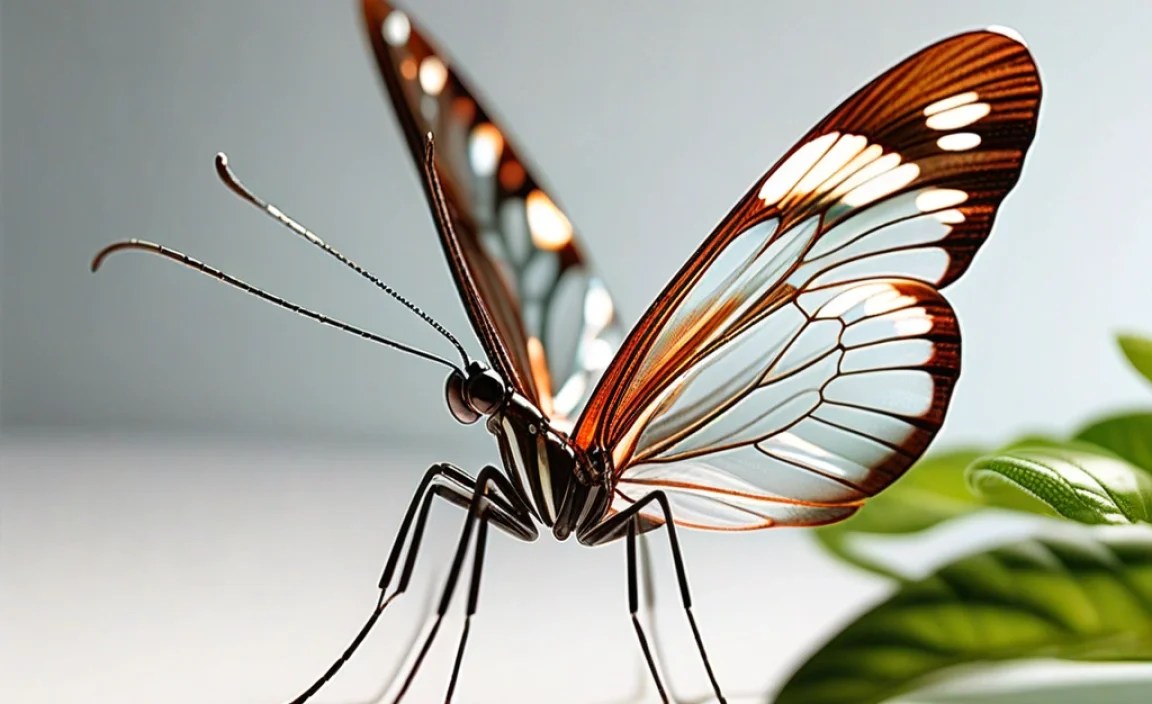
Glasswing butterflies belong to the tribe Ithomiini in the nymphalid subfamily Danainae. What sets them apart is the transparent sections of their wings, which are nearly see-through. This unique adaptation helps them blend into their environment, providing excellent camouflage against predators. The transparent appearance results from the lack of colored scales on certain wing areas, allowing light to pass through.
- Scientific Classification: Tribe Ithomiini, Subfamily Danainae
- Key Feature: Transparent wings due to a lack of colored scales
- Habitat: Primarily found in Central and South America
- Camouflage: Transparency aids in avoiding predators
These butterflies are not only beautiful but also ecologically important. They play a role in pollination and contribute to the biodiversity of their habitats. Their presence can indicate the health of local ecosystems, making them valuable indicators for environmental monitoring.
Meet *Greta andromica*: The Andromeda Glasswing

*Greta andromica*, commonly known as the Andromeda glasswing, is a specific species within the glasswing butterfly group. This butterfly is known for its delicate appearance and unique wing patterns. It’s important to understand its specific characteristics to distinguish it from other glasswing varieties.
Distinguishing Features of *Greta andromica*
To accurately identify *Greta andromica*, pay close attention to the following features:
- Wing Shape: *Greta andromica* has a distinctive wing shape that differs slightly from other glasswings. The wings are generally more elongated.
- Size: This species tends to be medium-sized compared to other glasswing butterflies.
- Wing Borders: Look for specific patterns or colors along the wing borders. *Greta andromica* typically has a dark brown border.
- Body Markings: Observe the markings on the body, including the thorax and abdomen. *Greta andromica* usually has distinct markings.
- Geographical Location: Knowing the region where you spotted the butterfly can help narrow down the possibilities. *Greta andromica* is usually found in specific regions.
Key Differences Between *Greta andromica* and Other Glasswings

While all glasswing butterflies share the characteristic of transparent wings, several subtle differences set *Greta andromica* apart. Let’s explore these distinctions in more detail.
Wing Patterns and Markings
One of the most reliable ways to differentiate *Greta andromica* from other glasswings is by examining the patterns and markings on their wings. These patterns can vary significantly between species.
- *Greta andromica*: Features a distinct pattern of dark brown along the wing borders, with a clear, transparent center. The dark markings are usually consistent.
- Other Glasswings: May have different colors along the wing borders, such as orange, red, or yellow. The patterns might also be more intricate or less defined.
Size and Shape Comparison
The size and shape of the wings can also provide valuable clues for identification. While size can vary slightly depending on environmental factors, the overall shape is generally consistent within a species.
| Species | Average Size (Wingspan) | Wing Shape |
|---|---|---|
| *Greta andromica* | 5.5 – 6.0 cm | Elongated, with rounded edges |
| *Greta oto* (Glasswing Butterfly) | 5.6 – 6.1 cm | More rounded, less elongated |
| *Greta morgane* | 5.0 – 5.5 cm | Slightly elongated, sharper edges |
Geographical Distribution
Knowing the geographical distribution of different glasswing species can greatly assist in identification. Each species tends to inhabit specific regions, although there can be some overlap.
- *Greta andromica*: Typically found in specific regions within Central and South America.
- *Greta oto*: Widely distributed across Central and South America, from Mexico to Panama and Colombia.
- Other Glasswings: Each species has its own specific range, which can be checked against distribution maps for accurate identification.
Body Markings and Coloration
The markings and coloration on the body, including the thorax and abdomen, can also help differentiate *Greta andromica* from other glasswing butterflies. These markings are often subtle but can be useful when combined with other identifying features.
- *Greta andromica*: Usually has distinct dark markings on the thorax and abdomen.
- Other Glasswings: May have different colors or patterns on their bodies, which can be compared to reference images or field guides.
Step-by-Step Guide to Identifying *Greta andromica*

Now that we’ve covered the key differences, let’s walk through a step-by-step guide to help you confidently identify *Greta andromica*.
Step 1: Observe the Wing Shape
Begin by carefully observing the shape of the wings. *Greta andromica* has an elongated wing shape with rounded edges. Compare this to images of other glasswing species to get a sense of the difference. Notice how the wings appear longer and more slender compared to the more rounded wings of *Greta oto*.
Step 2: Check the Wing Size
Next, estimate the size of the butterfly. *Greta andromica* is generally medium-sized, with a wingspan of about 5.5 to 6.0 cm. Use a ruler or other measuring tool if possible, or compare it to familiar objects for a rough estimate. Keep in mind that size can vary slightly depending on environmental conditions, but this provides a general guideline.
Step 3: Examine Wing Border Patterns
Pay close attention to the patterns along the wing borders. *Greta andromica* typically has a dark brown border. Look for the consistency and clarity of these markings. Compare your observations with photographs of *Greta andromica* and other glasswing species to note any differences in the border patterns.
Step 4: Note the Body Markings
Observe the markings on the body, including the thorax and abdomen. *Greta andromica* usually has distinct dark markings. Check for the presence, color, and pattern of these markings. These details can be subtle but are valuable for accurate identification.
Step 5: Consider the Location
Take into account the geographical location where you spotted the butterfly. *Greta andromica* is typically found in specific regions. Use field guides or online resources to determine which glasswing species are known to inhabit that area. This can help narrow down the possibilities and increase the accuracy of your identification.
Step 6: Use Field Guides and Online Resources
Consult field guides and online resources to compare your observations with known characteristics of *Greta andromica* and other glasswing species. Websites like the Butterflies and Moths of North America and the Xerces Society offer valuable information and images. These resources can provide additional details and help confirm your identification.
Why Accurate Identification Matters
Accurate identification of butterflies, including *Greta andromica*, is crucial for several reasons. It supports scientific research, conservation efforts, and our understanding of biodiversity.
- Scientific Research: Accurate identification allows researchers to track populations, study behavior, and understand the ecological roles of different species.
- Conservation Efforts: Knowing which species are present in a particular area helps conservationists develop targeted strategies to protect them and their habitats.
- Biodiversity Monitoring: Identifying and monitoring butterfly populations can provide valuable insights into the health and stability of ecosystems.
- Citizen Science: By accurately identifying butterflies, citizen scientists can contribute valuable data to scientific research and conservation efforts.
Tips for Attracting Glasswing Butterflies to Your Garden
If you’re passionate about butterflies, you might want to attract glasswing butterflies to your garden. Here are some tips to create a butterfly-friendly habitat:
- Plant Host Plants: Glasswing butterflies lay their eggs on specific host plants. Research which plants are preferred by *Greta andromica* and other glasswing species in your area.
- Provide Nectar Sources: Plant nectar-rich flowers that provide food for adult butterflies. Choose a variety of colors and shapes to attract different species.
- Create a Water Source: Butterflies need water to stay hydrated. Provide a shallow dish of water with pebbles or stones for them to land on.
- Avoid Pesticides: Pesticides can harm or kill butterflies and other beneficial insects. Use natural pest control methods instead.
- Offer Shelter: Provide shrubs and trees where butterflies can take shelter from the wind and rain.
Common Mistakes to Avoid When Identifying Glasswings
Identifying glasswing butterflies can be challenging, and it’s easy to make mistakes. Here are some common pitfalls to avoid:
- Ignoring Subtle Differences: Pay attention to subtle differences in wing shape, size, and markings. These details are often crucial for accurate identification.
- Relying on Color Alone: While color is important, don’t rely on it exclusively. Wing patterns and body markings are equally important.
- Neglecting Location: Always consider the geographical location where you spotted the butterfly. This can help narrow down the possibilities.
- Using Unreliable Resources: Use reputable field guides and online resources to ensure you’re getting accurate information.
- Not Practicing: Practice makes perfect. The more you observe and identify butterflies, the better you’ll become at it.
Frequently Asked Questions (FAQ)
1. What is the lifespan of a *Greta andromica* butterfly?
The lifespan of a *Greta andromica* butterfly is typically around 2 to 4 weeks as an adult. The entire life cycle, from egg to adult, takes about 2 to 3 months, depending on environmental conditions.
2. Are glasswing butterflies endangered?
While some glasswing butterfly species may face localized threats, *Greta andromica* is not currently listed as endangered. However, habitat loss and degradation pose ongoing challenges to their populations.
3. What do glasswing butterfly caterpillars eat?
Glasswing butterfly caterpillars primarily feed on plants from the nightshade family (Solanaceae). Specific host plants vary depending on the species and geographical location.
4. How does the transparency of glasswing wings help them?
The transparency of their wings provides excellent camouflage, allowing them to blend into their surroundings and avoid predators. It also helps them regulate their body temperature by reducing heat absorption.
5. Can I raise glasswing butterflies at home?
Raising glasswing butterflies at home is possible but requires careful attention to their specific needs, including providing the correct host plants and maintaining a suitable environment. Ensure you have the necessary knowledge and resources before attempting to raise them.
6. What is the best time of year to see glasswing butterflies?
Glasswing butterflies can typically be seen year-round in tropical regions. However, their activity may vary depending on the season and local climate conditions.
7. Where can I find reliable information about butterfly conservation?
You can find reliable information about butterfly conservation from organizations such as the Xerces Society, the U.S. Fish and Wildlife Service, and local conservation groups. These organizations provide resources, research, and conservation initiatives to protect butterflies and their habitats.
Conclusion
Distinguishing *Greta andromica* from other glasswing butterflies requires a keen eye and attention to detail. By focusing on wing shape, size, patterns, body markings, and geographical location, you can confidently identify this beautiful species. Remember to consult field guides and online resources, and practice your observation skills. Accurate identification not only enriches your appreciation of nature but also supports important scientific and conservation efforts. Happy butterfly watching!


