
Blue Morpho Best Viewing Countries: The Ultimate Guide

Have you ever seen a butterfly with wings that shine like jewels? These are Blue Morpho butterflies. They are big and beautiful. People travel far to see them. What are the best viewing countries for these amazing insects? Let’s find out where you can see them!
Key Takeaways
- Many places in Central and South America offer great views of Blue Morphos.
- Costa Rica is known as one of the best viewing countries for Blue Morphos.
- Visiting during the rainy season increases your chances of spotting these butterflies.
- Look for Blue Morphos near rainforests and botanical gardens.
- Ecuador, Panama, and Brazil are also excellent choices to observe Blue Morphos.
Best Countries to See Blue Morpho Butterflies

The Blue Morpho butterfly is a sight to behold. Its bright blue wings shimmer in the sunlight. These butterflies live in the rainforests of Central and South America. Many people want to know the best viewing countries to see them. Several countries offer great opportunities. Costa Rica, Panama, and Brazil are some top choices. These countries have large rainforests. The rainforests are where Blue Morphos love to live. When planning a trip, consider the time of year. The rainy season often brings more butterflies out. Knowing the best spots and times will help you see these beauties.
- Costa Rica has many butterfly gardens.
- Panama’s rainforests are full of life.
- Brazil is home to the Amazon rainforest.
- Ecuador also boasts rich biodiversity.
- Belize offers guided tours in the jungle.
To make the most of your trip, research local butterfly farms. These farms often have Blue Morphos. They can teach you about the butterfly’s life cycle. Look for tour guides who know the rainforest well. They can point out the best places to spot them. Remember to bring your camera. You will want to capture the beauty of these butterflies. Be patient and observant. Blue Morphos are fast fliers. They often perch high in the trees.
Fun Fact or Stat: The Blue Morpho’s wings appear iridescent due to microscopic scales that reflect light!
What Makes Costa Rica a Top Spot?
Costa Rica is famous for its beautiful nature. Many tourists visit to see the rainforests. The country is also known as one of the best viewing countries for the Blue Morpho. Costa Rica has many protected areas. These areas provide a safe home for the butterflies. The climate is perfect for them. The country also invests in ecotourism. This means they help protect the environment. Many butterfly gardens are in Costa Rica. These gardens are great places to see Blue Morphos up close.
Why is Panama a Great Choice?
Panama is another excellent option. It has large areas of undisturbed rainforest. These rainforests are home to many species. Panama’s biodiversity is very rich. You can find Blue Morphos near rivers and streams. The butterflies like to lay their eggs on certain plants. These plants grow near the water. Panama also has a famous canal. The rainforests surround the canal. This makes it easy to combine a canal tour with butterfly watching.
How About Seeing Them in Brazil?
Brazil is a huge country. It has the largest rainforest in the world, the Amazon. The Amazon rainforest is full of life. It is home to countless species of insects, birds, and mammals. Blue Morphos are among the many beautiful creatures you can find here. However, spotting them in the Amazon can be challenging. The rainforest is vast. It is best to go with a guided tour. Local guides know the best spots. They can help you find these stunning butterflies.
Where Else to See Blue Morpho Butterflies

Besides Costa Rica, Panama, and Brazil, other countries offer great viewing opportunities. Ecuador is known for its cloud forests. These forests are at higher elevations. They provide a unique habitat for Blue Morphos. Belize has many nature reserves. These reserves protect the rainforest. You can often see Blue Morphos while hiking. Colombia also has rich biodiversity. The country is working to protect its rainforests. These efforts help to preserve the habitat of Blue Morphos. Consider these countries when planning your trip.
- Ecuador’s cloud forests are unique.
- Belize has well-protected nature reserves.
- Colombia is rich in biodiversity.
- Peru offers access to the Amazon.
- Guatemala has ancient Mayan ruins and rainforests.
- Honduras has stunning coastal rainforest.
When choosing a location, think about what else you want to see. Do you want to hike in the mountains? Or explore ancient ruins? Maybe you want to relax on a beach. Some countries offer a combination of these activities. This can make your trip even more exciting. Be sure to check the local weather conditions. The rainy season can affect your travel plans. But it can also increase your chances of seeing butterflies.
Fun Fact or Stat: Male Blue Morphos are more brightly colored than females to attract mates!
Ecuador: Land of Cloud Forests
Ecuador is a small country with a big variety of landscapes. From the Andes Mountains to the Amazon rainforest, it has it all. The cloud forests are especially interesting. They are misty and full of unique plants and animals. Blue Morphos thrive in these forests. The humidity and temperature are perfect for them. Many eco-lodges offer guided tours. These tours can help you spot Blue Morphos. Do you think you would enjoy hiking in a cloud forest?
Belize: A Nature Lover’s Paradise
Belize is known for its beautiful Caribbean coast. But it also has large areas of rainforest. These rainforests are home to many creatures. Belize is a popular destination for ecotourism. The government works hard to protect the environment. You can find many nature reserves and national parks. These areas offer great opportunities for bird watching and butterfly spotting. Would you like to explore the Mayan ruins in Belize?
Colombia: A Biodiversity Hotspot
Colombia is a country with a rich history and culture. It is also one of the most biodiverse countries in the world. This means it has a lot of different species of plants and animals. Colombia is working to protect its rainforests. These efforts are important for preserving the habitat of Blue Morphos. You can visit coffee plantations and explore colonial cities. Combine these activities with butterfly watching. Have you ever tasted Colombian coffee?
Timing Your Trip for Best Blue Morpho Sightings

When you plan your trip, timing is very important. The best time to see Blue Morphos is often during the rainy season. This is when the butterflies are most active. The increased humidity helps them thrive. However, the rainy season can also bring challenges. It might rain a lot. The trails can be muddy. Be prepared for these conditions. Bring rain gear and sturdy shoes. Also, check the local weather forecast before you go. This will help you plan your activities.
- Rainy season often brings more butterflies.
- Check the local weather forecast.
- Bring rain gear and sturdy shoes.
- Morning hours are often best for spotting.
- Sunny days after rain are ideal.
Consider visiting in the early morning. This is when butterflies are often most active. They like to bask in the sun to warm up. Look for sunny days after a period of rain. This is when you are most likely to see Blue Morphos. Be patient and observant. It might take some time to spot them. But the reward is worth the effort. Seeing a Blue Morpho in its natural habitat is an unforgettable experience.
Fun Fact or Stat: Blue Morphos often fly high in the canopy but descend to the forest floor for minerals!
Why Rainy Season is Better?
The rainy season might seem like a bad time to travel. But for butterfly watching, it can be ideal. The increased rainfall helps plants grow. This provides more food for caterpillars. The butterflies lay their eggs on these plants. More food means more butterflies. The humidity also helps the butterflies stay hydrated. This is especially important in the hot rainforest. Would you be willing to brave the rain to see more butterflies?
The Best Time of Day to Spot Them
The time of day can also affect your chances of seeing Blue Morphos. They are most active in the morning. This is when the sun is warming up the forest. The butterflies need to warm up their wings so they can fly. They often bask in sunny spots. Look for them near forest clearings. They might also be near streams or rivers. Are you an early riser?
Checking the Weather Conditions
Before you travel, always check the local weather conditions. This will help you prepare for your trip. If there is a lot of rain, pack accordingly. Bring rain gear and waterproof bags. If it is very hot, bring plenty of water. Wear light clothing. The weather can change quickly in the rainforest. Be prepared for anything. Do you always check the weather before you go on a trip?
Blue Morpho Habitats: Where to Look

Knowing where to look for Blue Morphos is key. They live in rainforests and near streams. They like areas with lots of trees and plants. Look for them near forest edges. They often fly along trails. Butterfly gardens are also great places to see them. These gardens have plants that attract butterflies. The best viewing countries have many of these habitats. Costa Rica’s rainforests are perfect. Panama’s nature reserves are also good. Brazil’s Amazon offers a chance, too.
- Rainforests are their primary habitat.
- Look near streams and rivers.
- Forest edges are good spots.
- Butterfly gardens attract them.
- Trails through the forest offer views.
- Canopy walkways provide a higher vantage.
When you are in the rainforest, be observant. Look up into the trees. Blue Morphos often perch on high branches. They might be hard to see at first. But once you spot one, you will recognize it. Their bright blue wings are very distinctive. Listen for the sound of their wings. They make a soft fluttering sound. This can help you locate them. Be patient and enjoy the experience.
Fun Fact or Stat: The Blue Morpho caterpillar is cannibalistic, sometimes eating other caterpillars!
Exploring Rainforest Edges
Rainforest edges are where the forest meets open areas. These areas are often sunny. Butterflies like sunny spots. They need the sun to warm their wings. Rainforest edges also have a variety of plants. These plants provide food for caterpillars. Blue Morphos often lay their eggs on these plants. Walking along the edge of the forest can be a good way to spot them. Have you ever walked along the edge of a forest?
Visiting Butterfly Gardens
Butterfly gardens are designed to attract butterflies. They have plants that provide nectar for adults. They also have plants that caterpillars eat. Butterfly gardens are often enclosed. This protects the butterflies from predators. You can see many different species of butterflies in these gardens. Blue Morphos are often among them. Visiting a butterfly garden is a great way to learn about butterflies. Would you like to visit a butterfly garden?
Hiking Forest Trails
Hiking forest trails can be a great way to see Blue Morphos. The trails often wind through the rainforest. This gives you a chance to see many different plants and animals. Be sure to wear comfortable shoes. Bring water and snacks. Stay on the trail. This will help protect the environment. Look up into the trees as you hike. You might spot a Blue Morpho. Do you enjoy hiking in the forest?
Understanding Blue Morpho Butterfly Behavior
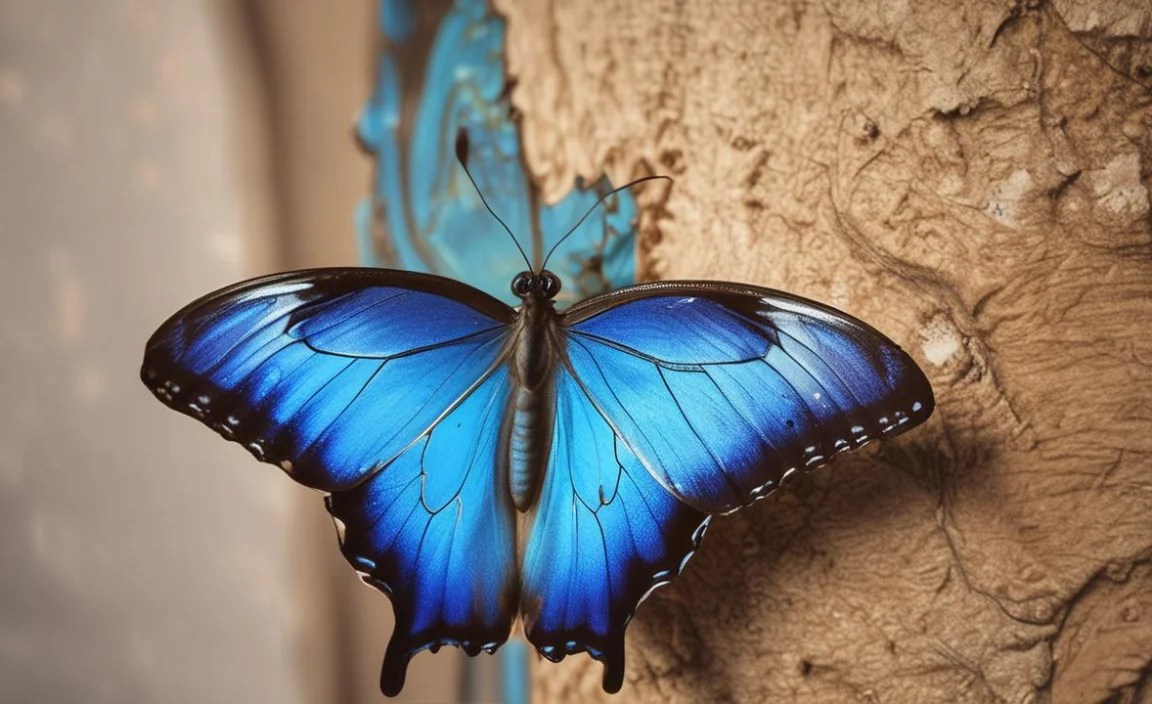
To find Blue Morphos, it helps to understand their behavior. They are most active during the day. They like to fly in sunny weather. They often perch on leaves to bask in the sun. Male Blue Morphos are very territorial. They will chase away other males. They are also attracted to bright colors. This is why they are sometimes seen near blue objects. Knowing these behaviors can help you spot them. Understanding their habits makes finding them easier.
- They are active during the day.
- They like sunny weather.
- Males are territorial.
- They are attracted to bright colors.
- They often perch on leaves.
- They fly in a distinctive, erratic pattern.
Blue Morphos have a unique way of flying. They fly in an erratic pattern. This means they fly up and down and side to side. This makes it hard for predators to catch them. Their bright blue wings are only visible when they are flying. When they are perched, they close their wings. The underside of their wings is brown. This helps them blend in with the trees. This camouflage protects them from predators.
Fun Fact or Stat: The lifespan of a Blue Morpho butterfly is only about 115 days!
Why Are Males Territorial?
Male Blue Morphos are territorial because they want to attract mates. They want to be the only male in their area. This gives them the best chance of finding a female. They will chase away any other males that come into their territory. They might even fight with other males. This behavior helps them protect their breeding rights. Do you think it is important for animals to have territories?
Their Attraction to Bright Colors
Blue Morphos are attracted to bright colors. This is because they associate these colors with flowers. Flowers provide nectar. Nectar is a source of food for butterflies. They are especially attracted to blue colors. This is because their wings are blue. They might see blue objects as other butterflies. This can lead them to investigate these objects. Have you ever seen a butterfly attracted to a bright color?
Basking Behavior Explained
Basking is when butterflies sit in the sun to warm their wings. They need to warm their wings so they can fly. Butterflies are cold-blooded. This means they cannot regulate their own body temperature. They rely on the sun to warm them up. They often perch on leaves to bask. They will spread their wings to catch the sunlight. This helps them warm up quickly. Do you like to bask in the sun?
Essential Gear for Blue Morpho Watching
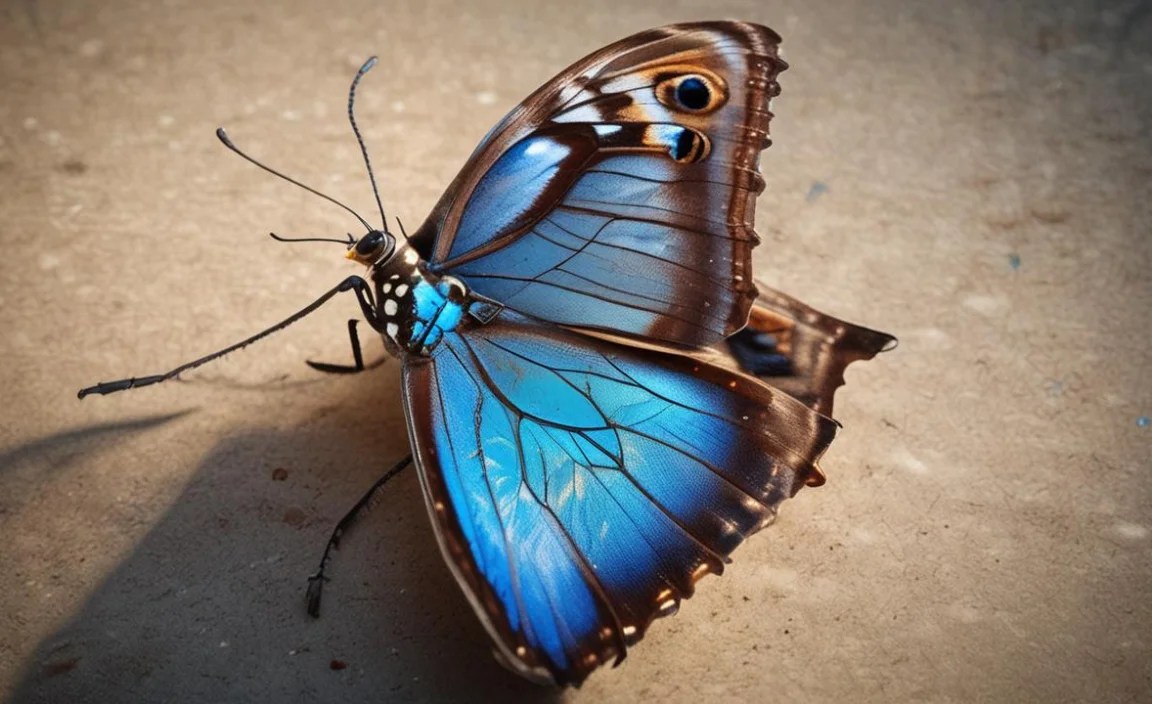
Having the right gear can make your butterfly watching trip more enjoyable. Bring a good pair of binoculars. This will help you see the butterflies up close. Wear light-colored clothing. This will help you stay cool in the rainforest. Bring insect repellent. This will protect you from mosquito bites. Wear sturdy shoes. This will help you walk on the trails. Don’t forget your camera. You will want to capture the beauty of these butterflies.
| Gear | Why It’s Important |
|---|---|
| Binoculars | Helps you see butterflies up close. |
| Light-Colored Clothing | Keeps you cool in the rainforest. |
| Insect Repellent | Protects you from mosquito bites. |
| Sturdy Shoes | Helps you walk on the trails. |
| Camera | Captures the beauty of the butterflies. |
- Binoculars for close-up views.
- Light clothing to stay cool.
- Insect repellent for protection.
- Sturdy shoes for hiking.
- Camera to capture photos.
- Water bottle to stay hydrated.
Remember to bring a water bottle. It is important to stay hydrated in the rainforest. The humidity can make you sweat a lot. Bring a small backpack to carry your gear. This will keep your hands free. Be sure to check the weather forecast. Pack accordingly. If it is going to rain, bring a raincoat. If it is going to be sunny, bring sunscreen. Being prepared will help you have a great trip.
Fun Fact or Stat: Blue Morpho butterflies taste with sensors on their feet!
Choosing the Right Binoculars
Binoculars can help you see butterflies up close. Look for binoculars that are lightweight. They should also be waterproof. This will protect them from the rain. Choose binoculars with a good magnification. This will help you see the butterflies clearly. Practice using your binoculars before you go on your trip. This will help you get used to them. Have you ever used binoculars?
Why Light Clothing is Important
Light-colored clothing can help you stay cool in the rainforest. Dark colors absorb heat. Light colors reflect heat. This will help you stay comfortable. Wear loose-fitting clothing. This will allow your skin to breathe. Avoid wearing synthetic fabrics. These fabrics can trap heat. Choose natural fabrics like cotton. Do you prefer to wear light colors or dark colors?
The Best Insect Repellent
Insect repellent is essential for protecting yourself from mosquito bites. Mosquitoes can carry diseases. Choose an insect repellent that contains DEET. This is the most effective ingredient. Apply the repellent to your skin and clothing. Reapply it every few hours. Avoid spraying repellent near your eyes or mouth. Are you bothered by mosquitoes?
Conservation Efforts and Blue Morphos
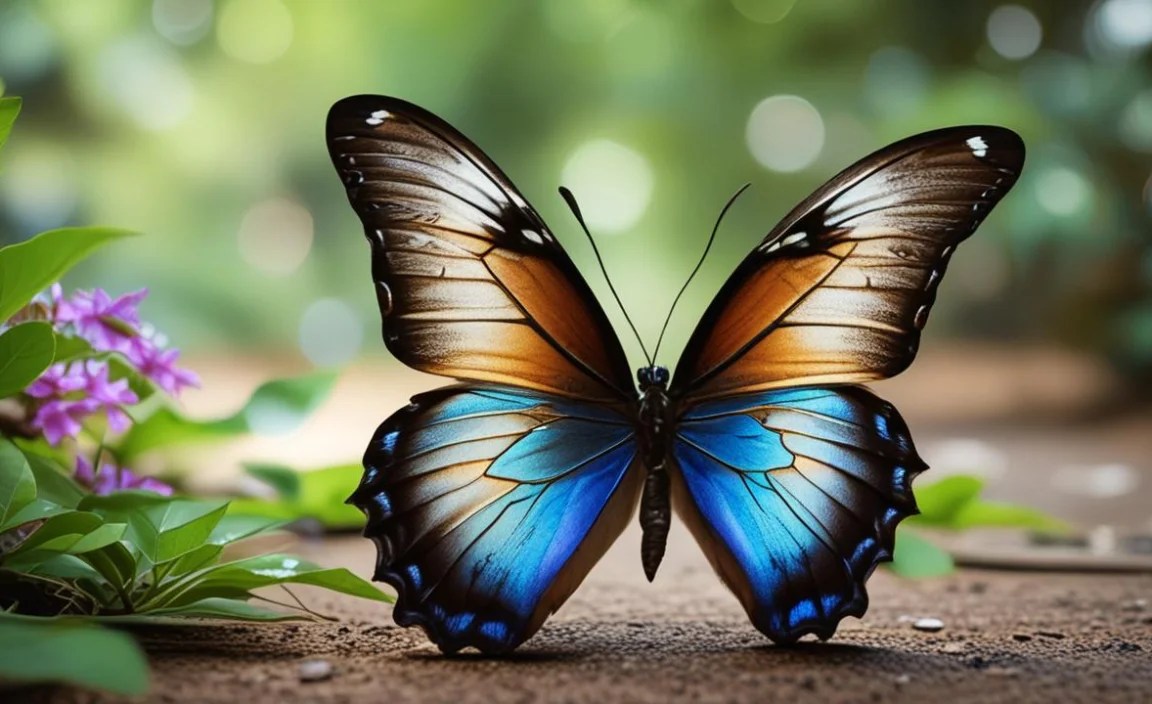
Many people are working to protect Blue Morphos. Their habitat is threatened by deforestation. This is when forests are cut down. Conservation efforts are important. These efforts help to protect the rainforest. Some organizations are working to replant trees. This helps to restore the habitat of Blue Morphos. Others are working to educate people about the importance of rainforests. Supporting these efforts can help save these butterflies. The best viewing countries also have conservation programs.
- Deforestation threatens their habitat.
- Conservation efforts are vital.
- Organizations replant trees.
- Education raises awareness.
- Ecotourism supports conservation.
You can help by supporting ecotourism. This is when you travel to see nature. But you do it in a way that helps protect the environment. Choose tour operators that are committed to sustainability. Stay in eco-lodges. These lodges are designed to minimize their impact on the environment. Learn about the local culture. Respect the local customs. By being a responsible traveler, you can help protect Blue Morphos.
Fun Fact or Stat: Some Blue Morpho species are becoming endangered due to habitat loss!
The Impact of Deforestation
Deforestation is a major threat to Blue Morphos. When forests are cut down, the butterflies lose their habitat. They have nowhere to live. They also lose their food source. Caterpillars eat the leaves of certain plants. When these plants are destroyed, the caterpillars starve. Deforestation also leads to soil erosion. This can pollute rivers and streams. Are you concerned about deforestation?
How Replanting Trees Helps
Replanting trees can help to restore the habitat of Blue Morphos. New trees provide food and shelter for the butterflies. They also help to prevent soil erosion. Replanting trees can also help to combat climate change. Trees absorb carbon dioxide from the atmosphere. This helps to reduce greenhouse gases. Have you ever planted a tree?
The Role of Ecotourism
Ecotourism can help to support conservation efforts. When you visit a rainforest, you are contributing to the local economy. This provides jobs for local people. It also gives them an incentive to protect the rainforest. Choose tour operators that are committed to sustainability. They will help you learn about the environment. They will also help you minimize your impact on the rainforest. Do you think ecotourism is a good idea?
Summary
Blue Morpho butterflies are beautiful creatures. They live in the rainforests of Central and South America. The best viewing countries include Costa Rica, Panama, and Brazil. These countries have large rainforests. The rainy season is often the best time to see them. Look for them near streams and forest edges. Understanding their behavior can help you spot them. Bring the right gear, like binoculars and insect repellent. Support conservation efforts to protect their habitat.
Remember that timing and location are key. Be patient and observant. Enjoy the experience of seeing these amazing butterflies. By following these tips, you can have a successful and rewarding butterfly watching trip.
Conclusion
Seeing a Blue Morpho butterfly is an unforgettable experience. These butterflies are truly stunning. They are a symbol of the beauty and biodiversity of the rainforest. By visiting the best viewing countries and supporting conservation efforts, we can help protect these creatures. We can ensure that future generations will also have the chance to see them. Let’s all do our part to protect the rainforest.
Frequently Asked Questions
Question No 1: What makes Costa Rica one of the best countries to see Blue Morpho butterflies?
Answer: Costa Rica is an excellent choice because it has many protected rainforest areas and butterfly gardens. The climate is perfect for Blue Morphos, with consistent warmth and humidity. The country also invests heavily in ecotourism, ensuring that the environment is well-preserved. You can easily find guided tours and butterfly farms that specialize in showcasing these beautiful insects. The combination of these factors makes Costa Rica a top destination for butterfly enthusiasts.
Question No 2: When is the best time of year to visit the Blue Morpho’s habitat?
Answer: The rainy season is often the best time to visit if you want to see Blue Morphos. During this time, there is more humidity, which the butterflies love. The increased rainfall also helps the plants grow, providing more food for the caterpillars. However, be prepared for rain and muddy trails. Early morning is often the best time of day, as the butterflies are most active when the sun first warms the forest. Sunny days after rain are also ideal.
Question No 3: What kind of habitat do Blue Morpho butterflies prefer?
Answer: Blue Morphos primarily live in rainforests, especially near streams and rivers. They like areas with lots of trees and plants, as well as forest edges where they can find sunlight. Butterfly gardens are also great places to spot them, as these gardens are designed to attract butterflies with specific plants that provide nectar for adults and food for caterpillars. Look for them in areas with dense vegetation and plenty of moisture.
Question No 4: What can I do to help protect Blue Morpho butterflies and their habitats?
Answer: You can help by supporting conservation efforts and ecotourism. Choose tour operators that are committed to sustainability and stay in eco-lodges that minimize their impact on the environment. Educate yourself and others about the importance of rainforests and the threats they face. You can also donate to organizations that are working to replant trees and protect Blue Morpho habitats. Every little bit helps!
Question No 5: What should I pack when going to the best viewing countries to see Blue Morpho butterflies?
Answer: When traveling to see Blue Morphos, pack light-colored clothing to stay cool, sturdy shoes for hiking, and insect repellent to protect against mosquito bites. Binoculars are essential for getting a close-up view of the butterflies. Don’t forget your camera to capture the beautiful moments. A water bottle is important to stay hydrated in the humid rainforest. Rain gear is also a good idea, especially if you are visiting during the rainy season.
Question No 6: Are Blue Morpho butterflies endangered?
Answer: While not all Blue Morpho species are currently endangered, some are becoming increasingly threatened due to habitat loss and deforestation. It’s important to support conservation efforts to protect their rainforest homes. By promoting sustainable practices and raising awareness, we can help ensure that these beautiful butterflies continue to thrive in their natural environments. Choosing responsible travel options in the best viewing countries can make a big difference.


