
Baltimore Checkerspot Butterfly: A Powerful Guide

Quick Summary: The Baltimore checkerspot butterfly is a beautiful, rare insect. It’s known for its striking orange and black checkered wings. Sadly, it’s endangered in many areas. You can help by planting its favorite food, the white turtlehead plant, and protecting its habitat.
Have you ever seen a flash of brilliant orange and black in your garden and wondered what it was? It might have been the Baltimore checkerspot butterfly! This beauty is becoming harder to find, and many people are eager to learn how they can help. Don’t worry, you’re in the right place. We’ll explore this fascinating butterfly together. We’ll learn how to identify it, what it eats, and, most importantly, how you can help protect it.
Identifying the Baltimore Checkerspot Butterfly
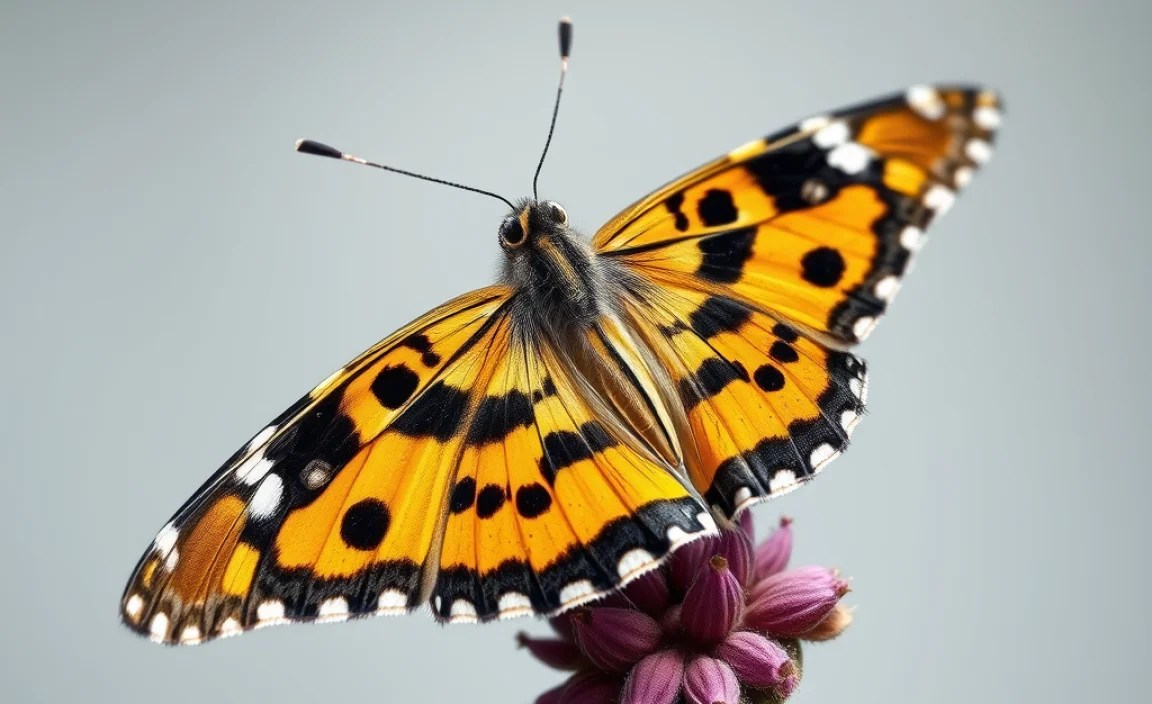
Knowing what to look for is the first step in appreciating and protecting any creature. The Baltimore checkerspot has some unique features.
Distinctive Wing Patterns
The most obvious identifier is its wing pattern. Look for:
- Checkered Wings: Alternating squares of orange, red, and black create a checkerboard effect.
- Wing Shape: They have rounded wings, giving them a delicate appearance.
- Size: They are medium-sized butterflies, with a wingspan of about 1.5 to 2.5 inches.
Color Variations
While the basic pattern is consistent, there can be slight color variations. The intensity of the orange and the amount of black can differ depending on the region and even individual butterflies.
Similar Species
It’s easy to confuse the Baltimore checkerspot with other similar butterflies. Here’s how to tell them apart:
- Pearl Crescent: Smaller, with more crescent shapes on the wings.
- Question Mark Butterfly: Has a silver “question mark” marking on the underside of its hindwing.
- Other Checkerspots: Pay close attention to the specific patterns and colors. The Baltimore checkerspot has a very distinct and vibrant orange.
Life Cycle of the Baltimore Checkerspot

Understanding the butterfly’s life cycle helps us appreciate its needs and how to protect it.
Egg Stage
The life cycle starts with tiny eggs. Female butterflies lay their eggs in clusters on or near their host plant, usually the white turtlehead.
Larval Stage (Caterpillar)
Once the eggs hatch, the caterpillars emerge. These caterpillars are:
- Appearance: Dark colored with orange spines.
- Feeding: They feed voraciously on the host plant.
- Hibernation: They hibernate as larvae, often in groups.
Pupal Stage (Chrysalis)
After growing, the caterpillar transforms into a chrysalis. The chrysalis is:
- Appearance: Brownish or tan, blending in with its surroundings.
- Duration: This stage lasts for about two weeks.
Adult Stage (Butterfly)
Finally, the adult butterfly emerges. The adult butterfly:
- Lifespan: Lives for only a few weeks.
- Reproduction: Focuses on reproduction, laying eggs to start the cycle again.
- Feeding: Feeds on nectar from various flowers.
Habitat and Distribution
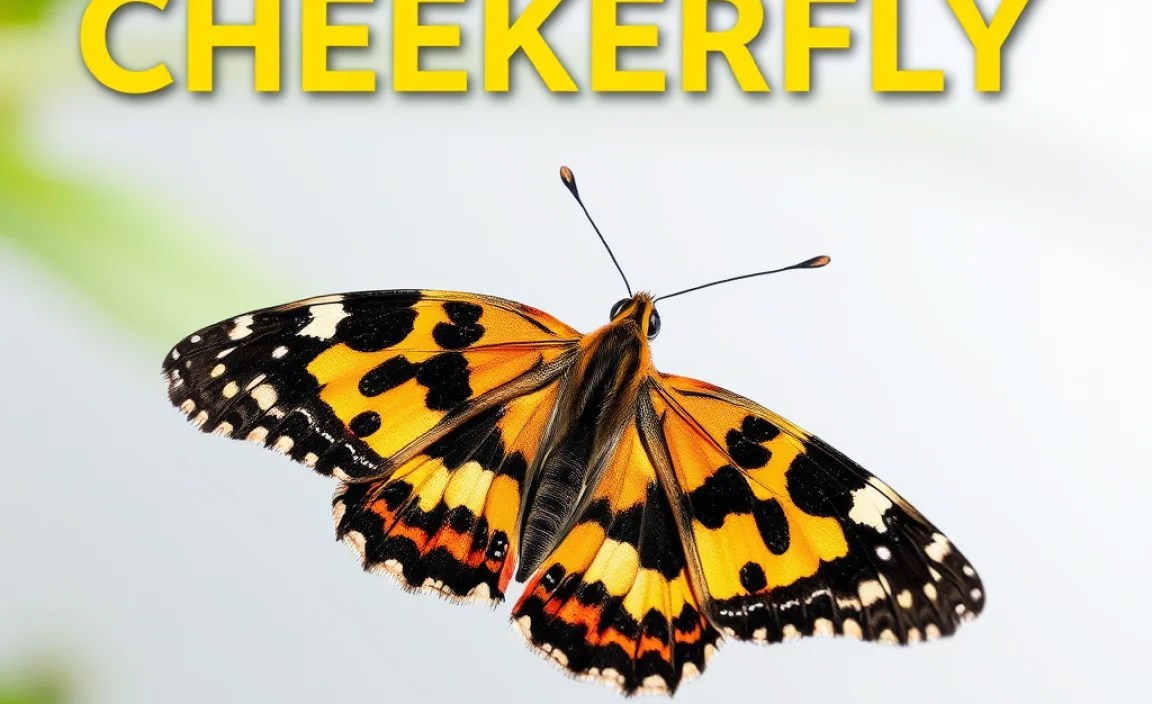
Knowing where the Baltimore checkerspot lives and the type of environment it needs is crucial for conservation efforts.
Preferred Habitats
These butterflies prefer specific habitats, including:
- Wet Meadows: Areas with plenty of moisture.
- Swamps: Wetlands with standing water.
- Bogs: Acidic, peat-rich wetlands.
- Open Woodlands: Areas with a mix of trees and open spaces.
Geographic Distribution
Historically, the Baltimore checkerspot was found across a wide range. Today, its populations are fragmented. It’s primarily found in:
- Northeastern United States: From New England to the Mid-Atlantic region.
- Midwestern States: Smaller populations exist in some Midwestern states.
- Canada: Southern Ontario and Quebec have some populations.
Factors Affecting Habitat
Several factors threaten the butterfly’s habitat:
- Habitat Loss: Development and agriculture destroy their homes.
- Invasive Species: Non-native plants can outcompete the host plant.
- Climate Change: Altered weather patterns can disrupt their life cycle.
Diet and Host Plants
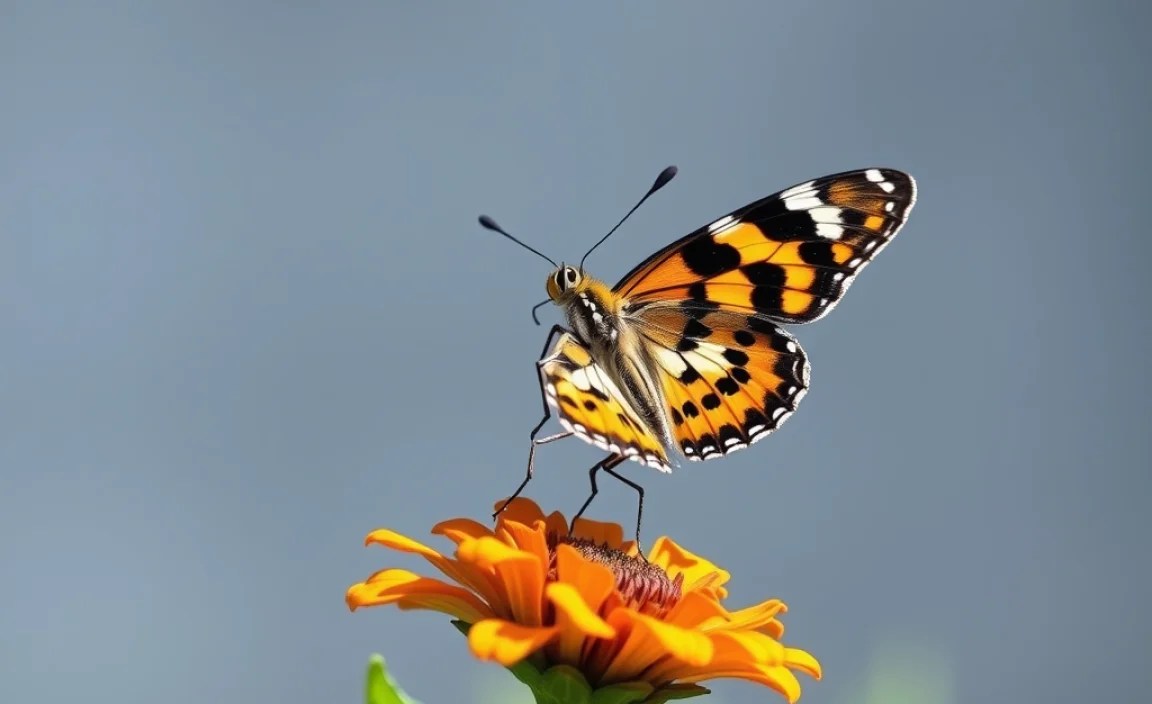
Understanding what the Baltimore checkerspot eats is key to providing the right resources in your garden or conservation area.
Caterpillar Diet
The caterpillars are very specific in their diet. They primarily feed on:
- White Turtlehead (Chelone glabra): This is the main host plant.
- Other Host Plants: Occasionally, they may feed on other plants in the same family.
Adult Butterfly Diet
Adult butterflies feed on nectar from a variety of flowers, including:
- Milkweed: A favorite nectar source for many butterflies.
- Joe-Pye Weed: Provides late-season nectar.
- Asters: Another important late-season food source.
- Other Native Flowers: A variety of native flowers will support them.
Importance of Native Plants
Native plants are crucial for the butterfly’s survival. They provide the right nutrients and support the entire ecosystem.
Threats to the Baltimore Checkerspot

The Baltimore checkerspot faces many challenges. Understanding these threats is the first step in helping them.
Habitat Loss and Fragmentation
As mentioned earlier, habitat loss is a major threat. Development, agriculture, and forestry practices can destroy or fragment their habitats.
Pesticide Use
Pesticides can directly kill butterflies and caterpillars. They can also harm the host plants and nectar sources.
Climate Change
Climate change can disrupt the butterfly’s life cycle. Changes in temperature and precipitation can affect the timing of their emergence and the availability of food.
Invasive Species
Invasive plants can outcompete the native host plants. This reduces the food available for the caterpillars.
Over-Collection
While less of a threat now, over-collection by butterfly enthusiasts in the past contributed to their decline.
Conservation Efforts
Many organizations and individuals are working to protect the Baltimore checkerspot. Here are some of the efforts underway:
Habitat Restoration
Restoring and managing habitats is crucial. This includes:
- Planting Native Plants: Planting white turtlehead and other native nectar sources.
- Controlling Invasive Species: Removing non-native plants that compete with the host plant.
- Managing Water Levels: Maintaining appropriate water levels in wetlands.
Captive Breeding Programs
Some organizations are breeding Baltimore checkerspots in captivity and releasing them into the wild.
Monitoring Populations
Monitoring populations helps track their numbers and distribution. This information is used to guide conservation efforts.
Education and Outreach
Educating the public about the importance of the Baltimore checkerspot is crucial. This can inspire people to take action to protect them.
How You Can Help the Baltimore Checkerspot
You don’t have to be a scientist to help! Here are some simple things you can do to support the Baltimore checkerspot:
Plant a Butterfly Garden
Create a butterfly garden with native plants that provide food for caterpillars and nectar for adults.
- Include White Turtlehead: This is the most important plant for the caterpillars.
- Add Nectar Sources: Plant milkweed, Joe-Pye weed, asters, and other native flowers.
Avoid Pesticides
Avoid using pesticides in your garden. They can harm butterflies and other beneficial insects.
Support Conservation Organizations
Donate to or volunteer with organizations that are working to protect the Baltimore checkerspot.
Educate Others
Share your knowledge about the Baltimore checkerspot with friends, family, and neighbors.
Advocate for Conservation
Contact your elected officials and urge them to support conservation policies.
Creating a Butterfly Garden for the Baltimore Checkerspot
Let’s dive deeper into creating the perfect butterfly garden for the Baltimore checkerspot.
Choosing the Right Location
Consider these factors when choosing a location for your garden:
- Sunlight: Butterflies need plenty of sunlight.
- Water: The Baltimore checkerspot prefers moist habitats, so consider a location near a stream or pond.
- Shelter: Provide shelter from wind and rain.
Selecting Native Plants
Choose native plants that provide food for caterpillars and nectar for adults.
| Plant Name | Type | Benefits |
|---|---|---|
| White Turtlehead (Chelone glabra) | Host Plant | Primary food source for caterpillars |
| Milkweed (Asclepias spp.) | Nectar Source | Provides nectar for adult butterflies |
| Joe-Pye Weed (Eutrochium spp.) | Nectar Source | Late-season nectar source |
| Asters (Symphyotrichum spp.) | Nectar Source | Late-season nectar source |
Designing Your Garden
Consider these design tips:
- Plant in Clusters: Plant flowers in clusters to make it easier for butterflies to find them.
- Provide a Water Source: Butterflies need water. Provide a shallow dish of water with pebbles for them to land on.
- Avoid Hybrids: Choose native plant species over hybrids, which may not provide as much food for caterpillars.
Maintaining Your Garden
Regular maintenance is important:
- Water Regularly: Keep the soil moist, especially during dry periods.
- Weed Regularly: Remove weeds that compete with the host plants and nectar sources.
- Avoid Pesticides: Never use pesticides in your butterfly garden.
Baltimore Checkerspot Butterfly: Symbolism and Cultural Significance
Butterflies, in general, have rich symbolism across cultures. The Baltimore Checkerspot, with its striking appearance, is no exception.
Transformation and Rebirth
Like all butterflies, the Baltimore Checkerspot symbolizes transformation and rebirth. The caterpillar’s metamorphosis into a butterfly represents personal growth and change.
Beauty and Grace
Its vibrant colors and delicate wings make it a symbol of beauty and grace.
Resilience
Given its endangered status, the Baltimore Checkerspot also represents resilience. It reminds us of the importance of protecting vulnerable species.
State Insect of Maryland
The Baltimore Checkerspot is the state insect of Maryland. This recognition highlights its cultural significance in the region.
Interesting Facts About the Baltimore Checkerspot Butterfly
Here are some fascinating facts about this beautiful butterfly:
- Scientific Name: Its scientific name is Euphydryas phaeton.
- Hibernation: The caterpillars hibernate as a group, often under leaf litter.
- Flight Period: Adult butterflies typically fly from late May to early July.
- Population Fluctuations: Populations can fluctuate dramatically from year to year.
- Conservation Status: It is listed as endangered or threatened in many states.
Resources for Further Learning
Want to learn more? Here are some helpful resources:
- U.S. Fish and Wildlife Service
- The Xerces Society for Invertebrate Conservation
- Butterflies and Moths of North America
FAQ About the Baltimore Checkerspot Butterfly
Here are some frequently asked questions about the Baltimore Checkerspot Butterfly:
What is the Baltimore Checkerspot Butterfly?
It’s a medium-sized butterfly with orange and black checkered wings, native to eastern North America.
Why is the Baltimore Checkerspot Butterfly endangered?
Habitat loss, pesticide use, climate change, and invasive species have led to its decline.
What do Baltimore Checkerspot caterpillars eat?
They primarily eat the leaves of the white turtlehead plant.
How can I help the Baltimore Checkerspot Butterfly?
Plant a butterfly garden with native plants, avoid pesticides, and support conservation organizations.
Where does the Baltimore Checkerspot Butterfly live?
It lives in wet meadows, swamps, bogs, and open woodlands in the northeastern and midwestern United States and parts of Canada.
What is the lifespan of a Baltimore Checkerspot Butterfly?
Adults live for only a few weeks, focusing on reproduction.
Is the Baltimore Checkerspot Butterfly the state insect of Maryland?
Yes, it is the state insect of Maryland.
Conclusion
The Baltimore checkerspot butterfly, with its striking beauty and fragile existence, serves as a potent reminder of the importance of conservation. By understanding its needs and the threats it faces, we can all play a part in its survival.
Whether you plant a butterfly garden, support conservation efforts, or simply spread awareness, every action counts. Let’s work together to ensure that future generations can enjoy the sight of these magnificent creatures gracing our meadows and woodlands. The future of the Baltimore checkerspot depends on our collective efforts. Let’s make a difference, one butterfly at a time.


