
Banded Peacock Butterfly: Discover This Beauty!

The Banded Peacock Butterfly (Anartia fatima) is a beautiful, medium-sized butterfly with striking black and white bands on its wings. To identify it, look for its distinctive wing pattern, found in tropical and subtropical regions. Attract them to your garden by planting host plants like water hyssop and nectar-rich flowers.
Have you ever been captivated by a butterfly flitting through your garden, wondering what its name is? Identifying butterflies can be both fun and rewarding! One butterfly that often catches the eye is the Banded Peacock (Anartia fatima). Its striking patterns make it a standout in any garden. However, identifying it can sometimes be tricky. This guide will walk you through everything you need to know to recognize this beauty and attract it to your backyard.
We’ll cover the key features that set the Banded Peacock apart. You’ll learn about its life cycle, habitat, and the best plants to include in your garden to make it a butterfly haven. Get ready to deepen your appreciation for this beautiful creature!
What is the Banded Peacock Butterfly?

The Banded Peacock Butterfly, scientifically known as Anartia fatima, is a member of the Nymphalidae family, often called brush-footed butterflies. These butterflies are known for their vibrant colors and intricate wing patterns. The Banded Peacock is particularly striking due to its bold black and white bands, which make it relatively easy to identify.
These butterflies are commonly found in tropical and subtropical regions, including parts of North, Central, and South America. They thrive in open, sunny areas near bodies of water, where their host plants are abundant. Keep an eye out for them in gardens, parks, and along roadsides.
Key Characteristics
To accurately identify a Banded Peacock Butterfly, focus on these key characteristics:
- Size: Medium-sized, with a wingspan typically ranging from 2 to 2.5 inches.
- Wing Pattern: The most distinctive feature is the alternating black and white bands across both the forewings and hindwings.
- Coloration: Predominantly black with crisp white bands. Some individuals may have subtle variations in the intensity of these colors.
- Shape: The wings have a somewhat angular shape, with slightly scalloped edges.
Distinguishing Features from Similar Species
Several other butterflies have similar coloration or patterns, so it’s important to know how to differentiate the Banded Peacock:
- White Peacock (Anartia jatrophae): While both have white markings, the White Peacock is mostly white with brown spots, lacking the bold banded pattern of Anartia fatima.
- Tropical Buckeye (Junonia genoveva): This butterfly has eye-catching spots and lacks the distinct bands of the Banded Peacock.
Pay close attention to the specific patterns and colors to avoid misidentification.
Life Cycle of the Banded Peacock Butterfly
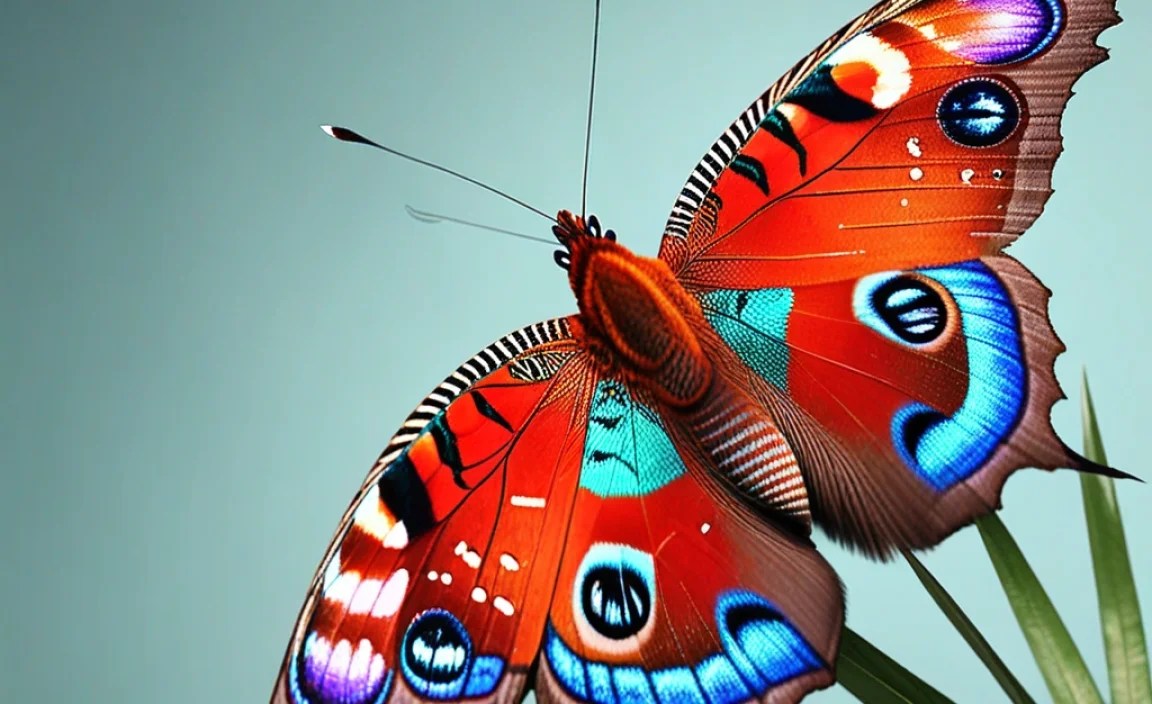
Understanding the life cycle of the Banded Peacock Butterfly can deepen your appreciation for this insect and help you support its survival in your garden. Like all butterflies, it undergoes complete metamorphosis, which includes four distinct stages:
Egg Stage
The life cycle begins when a female Banded Peacock lays her eggs on or near the host plant. These eggs are typically small and greenish, often laid singly on the leaves. The female carefully selects plants that will provide nourishment for the caterpillars once they hatch.
Larva (Caterpillar) Stage
Once the eggs hatch, the larvae, or caterpillars, emerge. The Banded Peacock caterpillar is usually dark in color and feeds voraciously on the leaves of its host plant. This stage is crucial for growth, as the caterpillar molts several times as it increases in size. Caterpillars of the Banded Peacock typically feed on plants in the Bacopa and Mecardonia genera.
Pupa (Chrysalis) Stage
After reaching its full size, the caterpillar enters the pupa stage, forming a chrysalis. The chrysalis is usually green or brown and hangs from a stem or leaf. Inside the chrysalis, the caterpillar undergoes a remarkable transformation, reorganizing its tissues to form the adult butterfly. This stage can last from a few days to several weeks, depending on environmental conditions.
Adult Stage
Finally, the adult butterfly emerges from the chrysalis. The newly emerged butterfly’s wings are soft and crumpled, but they soon expand and harden as it pumps hemolymph (insect blood) through its veins. The adult Banded Peacock is now ready to reproduce, continuing the cycle. Adult butterflies primarily feed on nectar from flowers, providing them with the energy they need to fly and mate.
| Stage | Description | Duration |
|---|---|---|
| Egg | Small, greenish eggs laid on host plants | 3-5 days |
| Larva (Caterpillar) | Dark-colored, voracious eaters of host plant leaves | 2-4 weeks |
| Pupa (Chrysalis) | Green or brown chrysalis hanging from plant stems | 1-2 weeks |
| Adult | Black and white banded butterfly, feeds on nectar | 2-4 weeks |
Habitat and Distribution

The Banded Peacock Butterfly is primarily found in the warmer regions of the Americas. Understanding its habitat and distribution can help you know where to look for it and how to create suitable environments in your garden.
Geographic Range
This butterfly is commonly found in:
- Southern United States (especially Texas and Florida)
- Mexico
- Central America
- Parts of South America
They thrive in tropical and subtropical climates, where the weather is warm and host plants are readily available.
Preferred Habitats
Banded Peacocks prefer open, sunny areas with access to water sources. Common habitats include:
- Gardens
- Parks
- Roadsides
- Open woodlands
- Near streams or ponds
They are often seen fluttering around nectar-rich flowers and host plants, making gardens an ideal spot to observe them.
Attracting Banded Peacock Butterflies to Your Garden
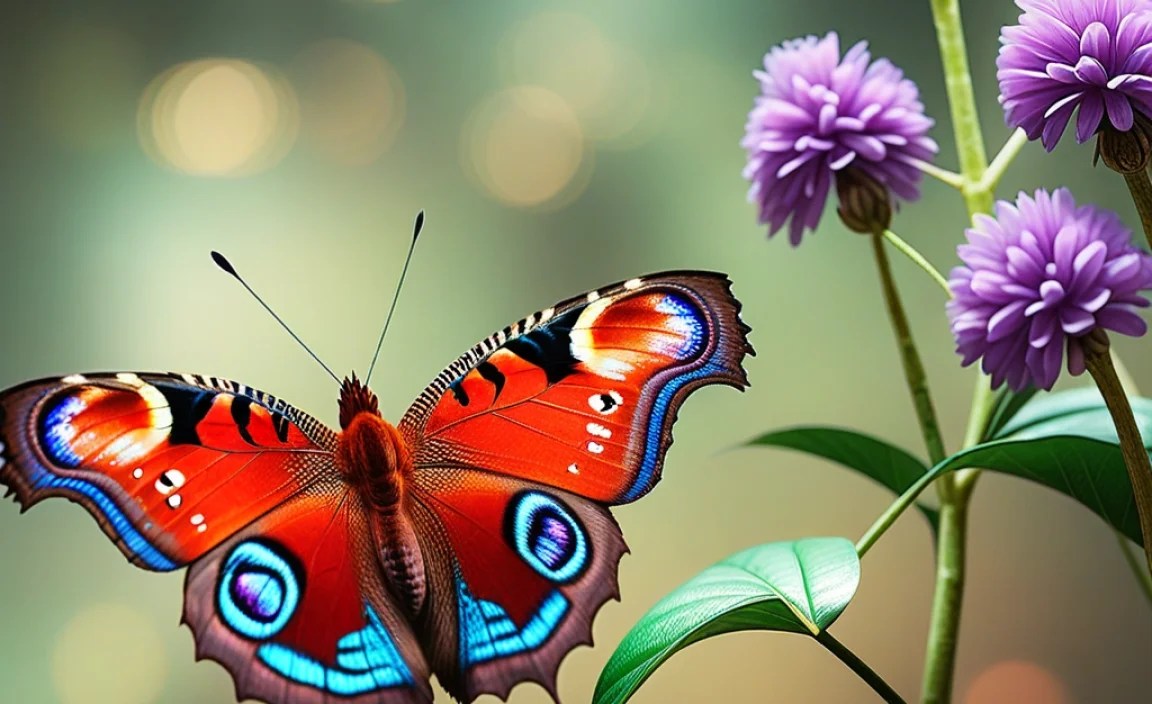
Creating a butterfly-friendly garden is a rewarding experience. By providing the right host plants and nectar sources, you can attract Banded Peacock Butterflies and support their life cycle. Here’s how to do it:
Host Plants
Host plants are essential for the survival of Banded Peacock caterpillars. These are the plants on which the female butterfly lays her eggs, and the caterpillars feed upon hatching. Key host plants for the Banded Peacock include:
- Water Hyssop (Bacopa monnieri): This plant is a favorite among Banded Peacock caterpillars. It grows well in moist soil and can tolerate both sun and partial shade.
- Mecardonia species: These plants are also readily eaten by Banded Peacock caterpillars.
Planting these host plants in your garden ensures that the caterpillars have a reliable food source.
Nectar Plants
Adult butterflies need nectar for energy. Planting a variety of nectar-rich flowers will attract Banded Peacocks and other butterfly species to your garden. Good choices include:
- Lantana (Lantana camara): Lantana produces clusters of colorful flowers that are highly attractive to butterflies.
- Pentas (Pentas lanceolata): Pentas are known for their star-shaped flowers and come in various colors, making them a vibrant addition to any butterfly garden.
- Salvia (Salvia spp.): Salvia offers a wide range of colors and is a favorite nectar source for many butterfly species.
- Zinnia (Zinnia elegans): Zinnias are easy to grow and produce bright, cheerful flowers that butterflies love.
Creating the Ideal Environment
In addition to host and nectar plants, consider these tips to create an inviting environment for Banded Peacock Butterflies:
- Sunny Location: Butterflies need sunlight to warm their bodies, so choose a sunny spot for your butterfly garden.
- Shelter: Provide shelter from wind and rain with shrubs or trees.
- Water Source: Butterflies need water, but they can’t drink from open water sources. Provide a shallow dish with wet sand or pebbles.
- Avoid Pesticides: Pesticides can harm or kill butterflies and caterpillars, so avoid using them in your garden.
Threats and Conservation
Like many butterfly species, the Banded Peacock faces several threats that can impact its populations. Understanding these threats and taking conservation measures can help protect this beautiful butterfly.
Habitat Loss
One of the primary threats to the Banded Peacock is habitat loss. As natural areas are converted for agriculture, development, and other human activities, the butterflies lose their breeding and feeding grounds. This can lead to a decline in their populations.
Pesticide Use
The widespread use of pesticides poses a significant threat to butterflies and other insects. Pesticides can directly kill butterflies and caterpillars, as well as contaminate their food sources. Even organic pesticides can be harmful if not used carefully.
Climate Change
Climate change can also impact Banded Peacock populations by altering their habitats and disrupting their life cycles. Changes in temperature and rainfall patterns can affect the availability of host plants and nectar sources, making it harder for butterflies to survive.
Conservation Measures
Here are some ways you can help conserve Banded Peacock Butterflies:
- Create Butterfly Gardens: Planting host plants and nectar-rich flowers in your garden provides essential resources for butterflies.
- Avoid Pesticides: Refrain from using pesticides in your garden and encourage others to do the same.
- Support Conservation Organizations: Donate to or volunteer with organizations that work to protect butterfly habitats and promote conservation.
- Educate Others: Share your knowledge about butterflies and the importance of conservation with friends, family, and your community.
The Cultural Significance of Butterflies
Butterflies have held cultural significance in many societies throughout history. They are often seen as symbols of transformation, beauty, and the ephemeral nature of life.
Symbolism
In many cultures, butterflies represent:
- Transformation: The metamorphosis from caterpillar to butterfly is a powerful symbol of change and renewal.
- Hope: Butterflies are often seen as messengers of hope and new beginnings.
- Souls: In some cultures, butterflies are believed to represent the souls of the departed.
- Beauty: Their vibrant colors and delicate wings make them symbols of beauty and grace.
Butterflies in Art and Literature
Butterflies have been depicted in art and literature for centuries. They often appear in paintings, poems, and stories as symbols of beauty, freedom, and transformation. Their presence in these works reflects the deep connection between humans and nature.
Frequently Asked Questions
What do Banded Peacock caterpillars eat?
Banded Peacock caterpillars primarily eat the leaves of water hyssop (Bacopa monnieri) and plants in the Mecardonia genus. These plants are essential for their growth and development.
How can I tell the difference between a male and female Banded Peacock butterfly?
It’s difficult to tell the difference between male and female Banded Peacock butterflies just by looking at them. The most reliable way is to observe their behavior during mating or egg-laying, as only females lay eggs.
Are Banded Peacock butterflies migratory?
Banded Peacock butterflies are not considered migratory in the same way as Monarch butterflies. However, they may move locally in search of food or suitable breeding grounds.
How long do Banded Peacock butterflies live?
Adult Banded Peacock butterflies typically live for about 2 to 4 weeks, depending on environmental conditions and the availability of food and water.
What is the best time of year to see Banded Peacock butterflies?
The best time to see Banded Peacock butterflies is during the warmer months, typically from spring to fall. They are most active during sunny days when nectar-rich flowers are in bloom.
Can I raise Banded Peacock butterflies at home?
Yes, you can raise Banded Peacock butterflies at home by providing them with host plants and nectar sources. Collect eggs or caterpillars from your garden and keep them in a mesh enclosure with fresh host plant leaves. Release the adult butterflies back into your garden once they emerge.
Why are butterflies important for the environment?
Butterflies are important pollinators, helping to fertilize plants and maintain biodiversity. They also serve as a food source for birds and other animals, playing a crucial role in the ecosystem.
Conclusion
The Banded Peacock Butterfly is a stunning addition to any garden, bringing beauty and life wherever it flits. By understanding its unique characteristics, life cycle, and habitat, you can confidently identify this butterfly and create an inviting space for it to thrive. Remember to plant host plants like water hyssop and nectar-rich flowers such as lantana and zinnias. Avoid pesticides, provide a water source, and offer shelter to make your garden a true butterfly haven.
Conserving butterflies is not just about protecting a single species; it’s about preserving the delicate balance of our ecosystems. Every small action, from planting a butterfly garden to educating others about conservation, can make a significant difference. So, let’s embrace the beauty of the Banded Peacock and work together to ensure its survival for generations to come. Happy butterfly gardening!


