
Ornithoptera alexandrae Rarity: Unveiling the Secret

Have you ever seen a butterfly as big as a bird? The Ornithoptera alexandrae is just that! It’s the world’s largest butterfly. These amazing insects live only in Papua New Guinea. But why don’t we see them everywhere? The Ornithoptera alexandrae rarity makes them special and in need of our help.
These butterflies are super rare. They face dangers like habitat loss. People also want to collect them. Let’s learn why they are so unique and what we can do to protect them!
Key Takeaways
- The Ornithoptera alexandrae rarity makes it one of the most endangered butterflies.
- These butterflies are the largest in the world, with impressive wingspans.
- Habitat loss in Papua New Guinea threatens their survival.
- Conservation efforts are needed to protect their rainforest home.
- You can help by learning more and supporting conservation organizations.
Understanding Ornithoptera Alexandrae Rarity

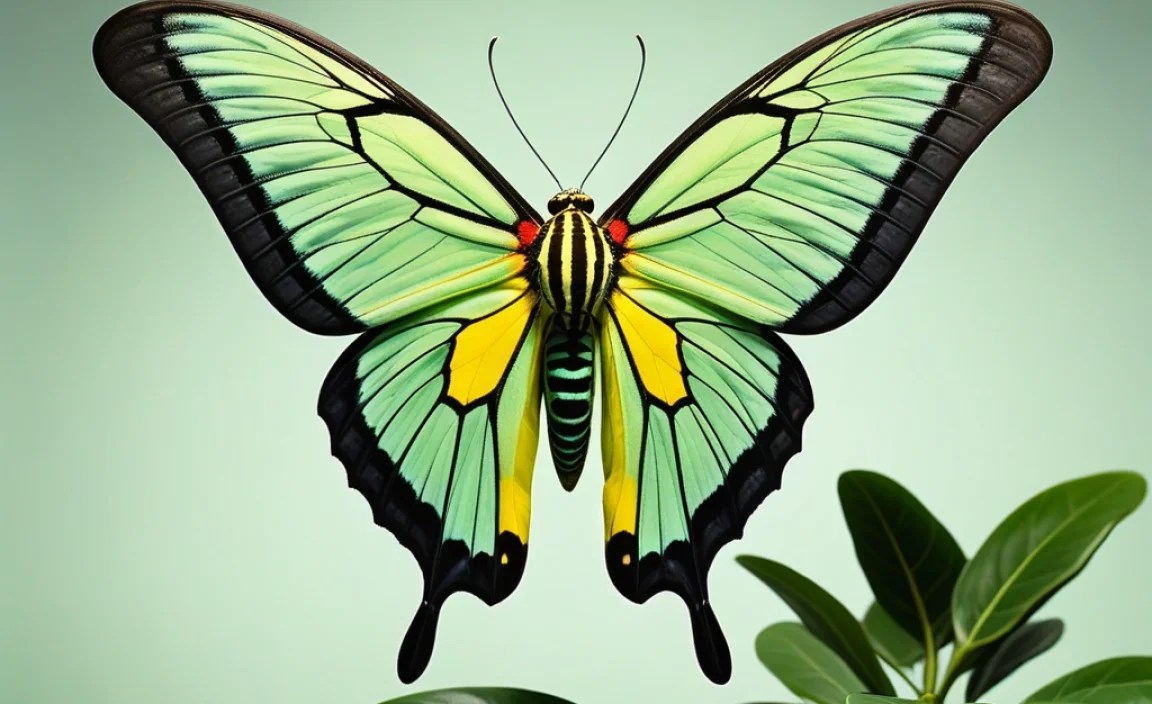
The Ornithoptera alexandrae rarity is a serious concern. These giant butterflies are only found in a small area. This area is the Popondetta region of Papua New Guinea. Their habitat is being destroyed by logging and agriculture. These activities leave them with fewer places to live and breed. Climate change also affects their habitat. Changes in rainfall and temperature can harm the plants they need. This further reduces their chances of survival. The butterflies are also at risk from collectors. Some people want to catch and sell them. This can significantly reduce the butterfly population. Protecting these amazing creatures is very important. We must act now to ensure they continue to fly in the future.
- They only live in a small area of Papua New Guinea.
- Habitat loss is a major threat.
- Climate change impacts their food sources.
- Collectors seek them for their beauty.
- Conservation efforts are essential for their survival.
The future of Ornithoptera alexandrae depends on us. We need to understand the factors that cause their rarity. By knowing the threats, we can take action. Supporting conservation groups is one way to help. Educating others about these butterflies is also important. Together, we can make a difference. We can help protect their habitat. We can also stop illegal collecting. Every effort counts towards saving these magnificent creatures. Let’s work together to ensure they thrive for generations to come.
Why Are They Only in One Place?
Have you ever wondered why some animals only live in one specific place? The Ornithoptera alexandrae is a great example. They are only found in the Popondetta region of Papua New Guinea. This is because they need specific plants to survive. Their caterpillars eat the leaves of a special vine. This vine only grows in that area. If the vine disappears, so do the butterflies. The local climate also plays a big role. The butterflies need a warm, humid environment. This type of climate is unique to that region. So, even if the vine grew somewhere else, the butterflies might not survive. It’s like trying to plant a desert cactus in the Arctic! It just won’t work. The rarity of this butterfly is closely tied to its specific needs.
How Does Habitat Loss Affect Them?
Imagine your home being torn down to build a shopping mall. That’s what’s happening to the Ornithoptera alexandrae. Their forest home is being cleared for logging and farming. This is called habitat loss. When their habitat disappears, they have nowhere to live or lay their eggs. Their food source also disappears. The special vine their caterpillars eat vanishes. Without food, the caterpillars cannot grow into butterflies. Habitat loss also breaks up their population. Small groups of butterflies become isolated. This makes it harder for them to find mates. This leads to fewer baby butterflies. It is like trying to find your friends in a huge crowd. The rarity of these butterflies increases as their habitat shrinks.
What Can Be Done to Help?
Saving the Ornithoptera alexandrae might seem like a big task. But there are many things we can do. One important step is supporting conservation organizations. These groups work to protect their habitat. They also work to stop illegal collecting. Another way to help is by educating others. Tell your friends and family about these amazing butterflies. The more people know, the more support they will get. You can also reduce your impact on the environment. Recycle, reduce waste, and plant trees. These small actions can make a big difference. By working together, we can help these butterflies thrive. We can help ensure they are not just a memory.
Fun Fact or Stat: The female Ornithoptera alexandrae has a wingspan of up to 12 inches, making it the largest butterfly in the world!
The Butterfly’s Natural Habitat


The Ornithoptera alexandrae lives in a very special place. This is the rainforests of Papua New Guinea. These rainforests are hot and humid. They get a lot of rain. This creates a perfect environment for many plants and animals. The butterfly’s habitat is full of tall trees and thick vines. These plants provide food and shelter for the butterflies. The rainforest also helps to regulate the climate. It absorbs carbon dioxide and releases oxygen. This is important for the entire planet. Unfortunately, these rainforests are under threat. Logging companies are cutting down trees. Farmers are clearing land for crops. This destroys the butterfly’s habitat. Protecting these rainforests is important for the butterflies and the planet.
- Rainforests are hot and humid.
- They provide food and shelter.
- Rainforests regulate the climate.
- Logging threatens their habitat.
- Farming clears land for crops.
The Ornithoptera alexandrae’s survival depends on its habitat. When we protect its habitat, we help protect the butterfly. We also help protect other animals and plants that live there. Supporting sustainable practices is key. This means using resources in a way that doesn’t harm the environment. We can also support organizations that work to protect rainforests. By working together, we can ensure these amazing places continue to thrive. We can help the butterflies and the planet. The rarity of this butterfly highlights the importance of conservation.
What Makes the Rainforest Special?
Have you ever wondered why rainforests are so important? Rainforests are like giant supermarkets for animals. They provide food, water, and shelter for countless species. The rainforests of Papua New Guinea are especially unique. They are home to many plants and animals found nowhere else on Earth. The tall trees create a canopy. This canopy provides shade and keeps the forest cool. The understory is full of smaller plants and insects. The forest floor is covered in leaves and decaying matter. This provides nutrients for the plants. Rainforests also help to regulate the Earth’s climate. They absorb carbon dioxide and release oxygen. Without rainforests, the world would be a very different place.
How Does Deforestation Impact the Butterfly?
Imagine someone taking away all your toys and your home. That’s what deforestation does to the Ornithoptera alexandrae. Deforestation is the clearing of forests for other uses. This includes logging, farming, and mining. When forests are cleared, the butterflies lose their habitat. They have nowhere to live, feed, or breed. Deforestation also fragments the forest. This means that the forest is broken up into smaller pieces. This makes it harder for the butterflies to find mates. It also makes them more vulnerable to predators. The rarity of the butterfly is directly linked to deforestation. As more forests are cleared, their numbers decline.
What Other Animals Live There?
The rainforests of Papua New Guinea are home to many amazing animals. Besides the Ornithoptera alexandrae, there are birds, mammals, reptiles, and amphibians. Birds of paradise are known for their colorful feathers. Tree kangaroos live in the trees and eat leaves and fruits. Cuscus are marsupials that look like small bears. Lizards and snakes slither through the undergrowth. Frogs and toads croak in the streams and ponds. These animals all depend on the rainforest for their survival. Protecting the rainforest helps protect all these amazing creatures. It’s like protecting a whole city of animals!
Fun Fact or Stat: Rainforests cover only about 6% of the Earth’s surface but contain over half of the world’s plant and animal species!
Threats Contributing to Ornithoptera Alexandrae Rarity

Several threats contribute to the Ornithoptera alexandrae rarity. Habitat destruction is a major problem. As forests are cleared, the butterflies lose their homes. Illegal collecting also poses a significant threat. Some people capture these butterflies to sell them. This reduces their numbers in the wild. Climate change is another concern. Changes in temperature and rainfall can affect their habitat. These changes can also impact the plants they need for food. Pollution from mining and agriculture can also harm them. Pesticides can kill the butterflies and their caterpillars. Protecting these butterflies requires addressing all these threats.
- Habitat destruction is a major threat.
- Illegal collecting reduces their numbers.
- Climate change affects their habitat.
- Pollution harms the butterflies.
- Pesticides kill caterpillars.
Addressing the threats to Ornithoptera alexandrae is vital. Conservation efforts must focus on protecting their habitat. This includes working with local communities to promote sustainable practices. It also means enforcing laws against illegal collecting. We also need to address climate change. Reducing our carbon footprint can help protect their habitat. By tackling these threats, we can help ensure their survival. The rarity of this species highlights the need for urgent action.
How Does Illegal Collecting Hurt Them?
Imagine someone stealing your favorite toy. That’s what illegal collecting does to the Ornithoptera alexandrae. Some people want to own these butterflies because they are rare and beautiful. They capture them and sell them to collectors. This reduces the number of butterflies in the wild. It also disrupts their breeding cycle. Fewer butterflies mean fewer eggs and caterpillars. This leads to a decline in their population. Illegal collecting is a serious threat to their survival. It’s like taking away the building blocks of their future.
What Role Does Climate Change Play?
Climate change is like a bully that messes with everyone’s home. For the Ornithoptera alexandrae, it changes their habitat. Warmer temperatures and changes in rainfall can affect the plants they need to survive. The special vine that their caterpillars eat may not grow as well. This means less food for the caterpillars. Climate change can also cause more extreme weather events. Droughts and floods can destroy their habitat. These events can also kill the butterflies and their caterpillars. The rarity of these butterflies is made worse by climate change.
How Can Pollution Affect Butterflies?
Pollution is like a poison that can harm the Ornithoptera alexandrae. Pollution comes from many sources. Mining, agriculture, and industry all release harmful chemicals into the environment. These chemicals can contaminate the air, water, and soil. Butterflies can be exposed to these chemicals through the air they breathe. They can also ingest them when they eat plants. Pollution can weaken their immune systems. It can also make them more susceptible to diseases. Pesticides used in agriculture can directly kill butterflies and caterpillars. The rarity of these butterflies is linked to the harmful effects of pollution.
| Threat | Description | Impact on Butterflies |
|---|---|---|
| Habitat Destruction | Clearing forests for logging and farming | Loss of food and shelter |
| Illegal Collecting | Capturing butterflies for sale | Reduced population size |
| Climate Change | Changes in temperature and rainfall | Disruption of food sources |
| Pollution | Chemicals from mining and agriculture | Weakened immune systems |
Fun Fact or Stat: Only about 10% of Ornithoptera alexandrae eggs survive to become adult butterflies due to various threats!
Conservation Efforts to Protect Them
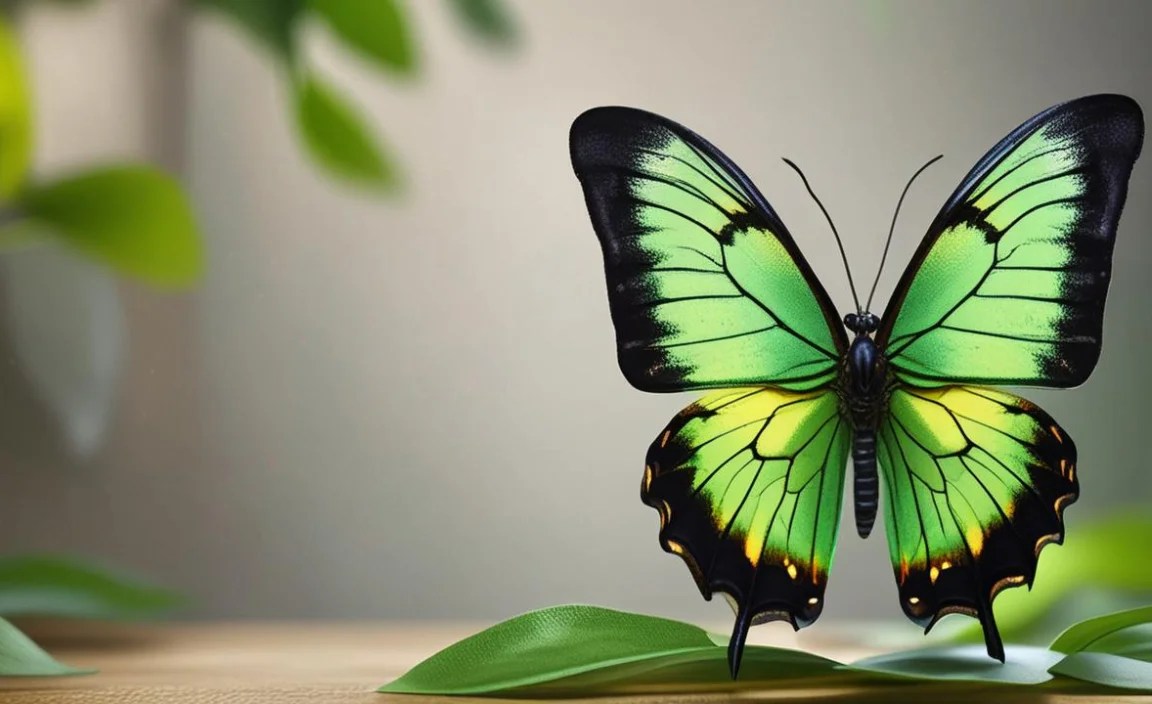
Many people are working hard to protect the Ornithoptera alexandrae. Conservation organizations are working to protect their habitat. They are also working to stop illegal collecting. These groups work with local communities to promote sustainable practices. This helps to protect the rainforest. They also educate people about the importance of these butterflies. Captive breeding programs are also being used. These programs aim to increase the butterfly population. The butterflies are bred in a safe environment. Then, they are released back into the wild. These efforts are crucial for their survival. The rarity of this butterfly makes these efforts even more important.
- Organizations protect their habitat.
- They stop illegal collecting.
- They promote sustainable practices.
- They educate local communities.
- Captive breeding programs help.
Supporting conservation efforts is essential to protect Ornithoptera alexandrae. You can help by donating to conservation organizations. You can also spread awareness about these butterflies. Educate your friends and family about their plight. Encourage them to support conservation efforts. By working together, we can make a difference. We can help protect these amazing creatures. We can help ensure they continue to fly in the future. The rarity of this butterfly reminds us of the importance of conservation.
What Are Conservation Organizations Doing?
Have you ever wondered how people help endangered animals? Conservation organizations are like superheroes for the Ornithoptera alexandrae. They work on many different projects. They protect the butterfly’s habitat by creating protected areas. They also work with local communities to promote sustainable farming. This helps to reduce deforestation. They also monitor the butterfly population. This helps them track how well the butterflies are doing. They also work to stop illegal collecting. They educate people about the importance of these butterflies. These organizations are making a big difference in the fight to save these amazing creatures.
How Do Local Communities Help?
Imagine your neighbors helping you protect your home. That’s what local communities are doing for the Ornithoptera alexandrae. They live in the same area as the butterflies. They understand the importance of protecting their habitat. They work with conservation organizations to promote sustainable practices. This includes farming and logging in a way that doesn’t harm the rainforest. They also help to monitor the butterfly population. They report any illegal activity to the authorities. By working together, they are helping to ensure the survival of these butterflies. Their efforts are crucial for their long-term survival.
What Is Captive Breeding?
Captive breeding is like a safe haven for endangered animals. For the Ornithoptera alexandrae, it’s a way to increase their population. Scientists breed the butterflies in a controlled environment. This protects them from predators and diseases. They also make sure the caterpillars have plenty of food. Once the butterflies are adults, they are released back into the wild. This helps to boost the wild population. Captive breeding is a valuable tool in the fight to save these amazing creatures. It gives them a chance to thrive and repopulate their natural habitat.
Fun Fact or Stat: Captive breeding programs have successfully released thousands of Ornithoptera alexandrae butterflies back into the wild!
The Life Cycle of Ornithoptera Alexandrae
The Ornithoptera alexandrae has a fascinating life cycle. It starts as a tiny egg. The female butterfly lays her eggs on a special vine. When the egg hatches, a caterpillar emerges. The caterpillar eats the leaves of the vine. It grows bigger and bigger. After a few weeks, the caterpillar turns into a pupa. The pupa is also called a chrysalis. Inside the pupa, the caterpillar transforms into a butterfly. After a few weeks, the pupa opens. A beautiful butterfly emerges. The butterfly flies away to find a mate and lay more eggs. This cycle continues, ensuring the survival of the species. The rarity of this butterfly makes each stage of its life cycle even more important.
- It starts as a tiny egg.
- Caterpillars eat vine leaves.
- Caterpillars grow bigger.
- It turns into a pupa.
- A butterfly emerges.
Understanding the life cycle of Ornithoptera alexandrae is important for conservation. By knowing how they live and grow, we can better protect them. We can ensure they have the food and habitat they need. We can also protect them from threats like predators and pollution. Every stage of their life cycle is important. From the tiny egg to the beautiful butterfly, each stage plays a role in their survival. The rarity of this butterfly highlights the importance of protecting every stage of its life cycle.
What Do the Eggs Look Like?
Imagine finding a tiny pearl on a green leaf. That’s what an Ornithoptera alexandrae egg looks like. The eggs are large and creamy white or pale yellow. The female butterfly lays them one at a time on the leaves of a special vine. The eggs are sticky, so they stay attached to the leaf. They are usually laid on new leaves. This ensures the caterpillars have plenty of fresh food when they hatch. The eggs are a vital part of their life cycle. Without eggs, there would be no new butterflies. They are like the first step in a long journey.
How Big Do the Caterpillars Get?
Have you ever seen a caterpillar as big as your finger? The Ornithoptera alexandrae caterpillar can grow even bigger! These caterpillars are some of the largest in the world. They can reach up to 5 inches long. They are dark brown or black with yellow spots. They have fleshy spikes on their bodies. These spikes help to protect them from predators. The caterpillars eat a lot of leaves. This helps them grow quickly. They shed their skin several times as they grow. Each time they shed their skin, they get a little bigger. These caterpillars are like eating machines!
What Happens Inside the Pupa?
The pupa stage is like a magical transformation. Inside the pupa, the caterpillar changes into a butterfly. It’s like a secret room where amazing things happen. The caterpillar’s body breaks down. Then, it rebuilds itself into a butterfly. Wings, legs, and antennae form. The pupa is usually green or brown. This helps it blend in with its surroundings. It hangs from a branch or leaf. After a few weeks, the pupa splits open. A beautiful butterfly emerges. It’s like a surprise party for the butterfly!
Fun Fact or Stat: The caterpillar of the Ornithoptera alexandrae can consume up to 30 times its own weight in leaves during its development!
Why Ornithoptera Alexandrae Matters
The Ornithoptera alexandrae is more than just a beautiful butterfly. It plays an important role in its ecosystem. Butterflies help to pollinate plants. They carry pollen from one flower to another. This helps the plants to reproduce. The butterflies are also a food source for other animals. Birds, lizards, and insects eat them. The butterfly’s presence indicates a healthy environment. When the butterflies are thriving, it means the ecosystem is doing well. Protecting these butterflies helps protect the entire ecosystem. The rarity of this butterfly highlights the importance of biodiversity.
- Butterflies pollinate plants.
- They are food for other animals.
- Their presence indicates a healthy environment.
- Protecting them protects the ecosystem.
- They highlight biodiversity.
The Ornithoptera alexandrae is a symbol of hope. It represents the beauty and fragility of nature. By protecting these butterflies, we are protecting our planet. We are ensuring that future generations can enjoy the wonders of nature. Every effort counts towards saving these magnificent creatures. Let’s work together to ensure they thrive for generations to come. The rarity of this species should inspire us to take action.
How Do Butterflies Help Pollinate Plants?
Imagine butterflies as tiny delivery trucks for flowers. As butterflies fly from flower to flower, they pick up pollen. Pollen is a yellow powder that helps plants make seeds. When a butterfly lands on a flower, some of the pollen sticks to its body. As it flies to the next flower, some of the pollen rubs off. This helps the plant to reproduce. Without butterflies, many plants would not be able to make seeds. They play a vital role in the ecosystem. They help to keep the plants healthy and thriving.
What Does Biodiversity Mean?
Biodiversity is like a giant puzzle with many different pieces. Each piece represents a different plant or animal. The more pieces there are, the more complete and healthy the puzzle is. Biodiversity means having a variety of different species living in an ecosystem. This includes plants, animals, fungi, and bacteria. A healthy ecosystem has a lot of biodiversity. This makes it more resilient to change. When there is a lot of biodiversity, the ecosystem can better withstand threats like disease and climate change. The rarity of the Ornithoptera alexandrae is a sign that biodiversity is at risk.
Why Should We Care About Rare Species?
Imagine losing a piece of your favorite puzzle. The puzzle is still there, but it’s not quite the same. Rare species are like important pieces of the Earth’s puzzle. When a species becomes rare or extinct, it’s like losing a piece of the puzzle. This can weaken the entire ecosystem. Rare species often play unique roles in their environment. They may pollinate plants, control pests, or provide food for other animals. When they disappear, it can have a ripple effect throughout the ecosystem. Protecting rare species helps to keep the Earth’s puzzle complete and healthy.
Fun Fact or Stat: Butterflies can taste with their feet! This helps them find the right plants to lay their eggs on.
Summary
The Ornithoptera alexandrae is the world’s largest butterfly. It is also one of the rarest. These amazing insects live only in Papua New Guinea. They face many threats, including habitat loss and illegal collecting. Climate change also poses a risk to their survival. Conservation efforts are underway to protect them. These efforts include habitat protection and captive breeding programs. Local communities are also playing a vital role. By working together, we can help these butterflies thrive. We can help ensure they are not just a memory. The Ornithoptera alexandrae rarity highlights the importance of biodiversity conservation.
Conclusion
The Ornithoptera alexandrae is a symbol of nature’s beauty. It is also a reminder of the importance of conservation. These butterflies face many threats. But there is still hope for their survival. By supporting conservation efforts, we can make a difference. We can help protect their habitat and stop illegal collecting. We can also help to address climate change. Let’s work together to ensure these magnificent creatures continue to fly. The Ornithoptera alexandrae rarity should inspire us to act.
Frequently Asked Questions
Question No 1: What makes the Ornithoptera alexandrae so special?
Answer: The Ornithoptera alexandrae is special because it is the largest butterfly in the world. Females can have a wingspan of up to 12 inches! They are also unique because they are only found in a small area of Papua New Guinea. These butterflies play an important role in their ecosystem. They help to pollinate plants. Their beauty and rarity make them a symbol of nature’s fragility.
Question No 2: Why is the Ornithoptera alexandrae so rare?
Answer: The Ornithoptera alexandrae is rare for several reasons. Habitat loss is a major factor. Their forest home is being cleared for logging and farming. Illegal collecting also reduces their numbers. Some people want to own these butterflies because they are beautiful and rare. Climate change also poses a threat. Changes in temperature and rainfall can affect their habitat. These factors contribute to the rarity of this magnificent butterfly.
Question No 3: What can I do to help protect the Ornithoptera alexandrae?
Answer: There are many things you can do to help. You can support conservation organizations. These groups work to protect their habitat. You can also spread awareness about these butterflies. Tell your friends and family about their plight. You can also reduce your impact on the environment. Recycle, reduce waste, and plant trees. Every little bit helps. The rarity of this butterfly means every effort counts.
Question No 4: Where does the Ornithoptera alexandrae live?
Answer: The Ornithoptera alexandrae lives only in the Popondetta region of Papua New Guinea. This area is a tropical rainforest. The butterflies need this specific environment to survive. The rainforest provides food and shelter for them. The caterpillars eat the leaves of a special vine that grows there. The rarity of this butterfly is linked to its specific habitat requirements.
Question No 5: What do Ornithoptera alexandrae caterpillars eat?
Answer: The caterpillars of the Ornithoptera alexandrae eat the leaves of a specific vine. This vine is called the Aristolochia schlecteri. The caterpillars are very picky eaters. They will only eat this type of vine. This makes them vulnerable to habitat loss. If the vine disappears, the caterpillars will not survive. Protecting their food source is vital for their survival. This specialized diet contributes to the Ornithoptera alexandrae rarity.
Question No 6: How big is the Ornithoptera alexandrae?
Answer: The Ornithoptera alexandrae is the largest butterfly in the world. The females are larger than the males. They can have a wingspan of up to 12 inches. That’s about the size of a dinner plate! The males are smaller, with a wingspan of about 8 inches. Their large size makes them a truly impressive sight. Their size and rarity make them a symbol of the beauty and fragility of nature.


