
Papilionidae Species List: Find Your Dream Butterfly

The Papilionidae family, also known as swallowtail butterflies, includes over 550 species worldwide. These butterflies are admired for their large size, vibrant colors, and distinctive “tails” on their hindwings. This list includes some of the most well-known and fascinating species, each with unique characteristics and habitats.
Have you ever wondered about the different kinds of swallowtail butterflies fluttering around the world? Identifying these beautiful creatures can be a bit overwhelming because there are so many! Don’t worry; you’re not alone. Many butterfly enthusiasts find it challenging to keep track of all the species and their unique traits. This guide will provide a clear and easy-to-understand list of Papilionidae species, helping you identify and appreciate these stunning insects. Get ready to explore the fascinating world of swallowtail butterflies!
What are Swallowtail Butterflies (Papilionidae)?

Swallowtail butterflies belong to the family Papilionidae, one of the most recognizable and admired groups of butterflies. These butterflies are generally large and brightly colored, with distinctive “tails” on their hindwings, which give them their common name. They are found on every continent except Antarctica, with the greatest diversity in tropical regions.
Characteristics of Papilionidae
Here are some key characteristics that define swallowtail butterflies:
- Size: Generally large, with wingspans ranging from 2 to 12 inches.
- Color: Vibrant colors such as yellow, black, blue, green, and red are common.
- Tails: Most species have elongated extensions on their hindwings, resembling tails.
- Flight: Strong and graceful fliers.
- Habitat: Found in a variety of habitats, including forests, gardens, and open fields.
- Larvae: Caterpillars often have bright colors and patterns, with some possessing osmeteria (scent glands) that they use for defense.
Ecological Importance
Swallowtail butterflies play a crucial role in their ecosystems:
- Pollination: As they feed on nectar, they help pollinate various plants.
- Food Source: They serve as a food source for birds, reptiles, and other insects.
- Indicator Species: Their presence and health can indicate the overall health of an ecosystem.
A Comprehensive Papilionidae Species List
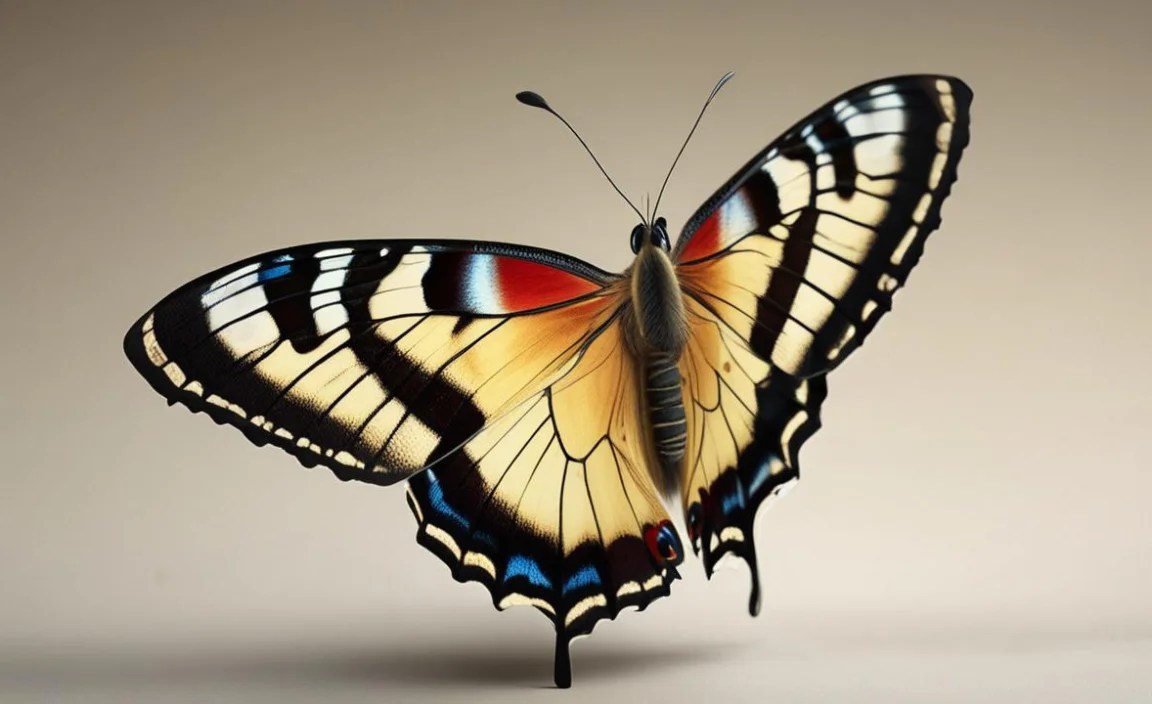
Here is a detailed list of some notable Papilionidae species, organized by genus:
Genus Papilio
The genus Papilio is the largest and most diverse within the Papilionidae family. It includes many well-known and widely distributed species.
| Species Name | Common Name | Distribution | Description | Image |
|---|---|---|---|---|
| Papilio machaon | Old World Swallowtail | Europe, Asia, North America | Yellow with black veins and blue and red spots on the hindwings. | |
| Papilio glaucus | Eastern Tiger Swallowtail | North America | Yellow with black stripes; females can be yellow or black. | |
| Papilio rutulus | Western Tiger Swallowtail | Western North America | Similar to P. glaucus but with more extensive black markings. | |
| Papilio demodocus | Citrus Swallowtail | Africa, Middle East | Black with yellow spots and blue markings on the hindwings. | |
| Papilio polytes | Common Mormon | Asia | Males are black with white spots; females have multiple forms, some mimicking poisonous butterflies. | |
| Papilio ulysses | Ulysses Butterfly | Australia, New Guinea | Bright blue with black borders. | |
| Papilio palinurus | Banded Peacock | Southeast Asia | Green with black bands and a metallic sheen. | |
| Papilio troilus | Spicebush Swallowtail | Eastern North America | Black with iridescent blue-green hindwings and orange spots. |
Genus Battus
The genus Battus includes several species known for their association with pipevine plants, which their larvae feed on.
| Species Name | Common Name | Distribution | Description | Image |
|---|---|---|---|---|
| Battus philenor | Pipevine Swallowtail | North America | Black with iridescent blue hindwings and orange spots. | |
| Battus polydamas | Polydamas Swallowtail | Americas | Black with yellow spots and elongated hindwings. |
Genus Parides
Parides butterflies are primarily found in the Americas and are known for their striking colors and patterns.
| Species Name | Common Name | Distribution | Description | Image |
|---|---|---|---|---|
| Parides arcas | Arcas Cattleheart | Central America | Black with red spots on the hindwings. | |
| Parides childrenae | Green-celled Cattleheart | Mexico | Black with green markings on the wings. |
Genus Atrophaneura
Atrophaneura butterflies are found in Asia and are often characterized by their dark colors and elegant shapes.
| Species Name | Common Name | Distribution | Description | Image |
|---|---|---|---|---|
| Atrophaneura alcinous | Chinese Windmill | East Asia | Black with white spots and red markings on the body. | |
| Atrophaneura aristolochiae | Common Rose | South Asia, Southeast Asia | Black with red spots on the hindwings and body. |
Genus Graphium
Graphium butterflies are known for their swift flight and distinctive green or white markings. This genus includes many species found in tropical regions.
| Species Name | Common Name | Distribution | Description | Image |
|---|---|---|---|---|
| Graphium agamemnon | Tailed Jay | Asia, Australia | Black with green stripes and spots. | |
| Graphium sarpedon | Common Bluebottle | Asia, Australia | Black with blue stripes. |
Genus Iphiclides
The genus Iphiclides includes a few species that are similar in appearance to Papilio but have distinct characteristics.
| Species Name | Common Name | Distribution | Description | Image |
|---|---|---|---|---|
| Iphiclides podalirius | Scarce Swallowtail | Europe, Asia | Yellow with black stripes, similar to Papilio machaon but with longer tails. |
Identifying Swallowtail Butterflies
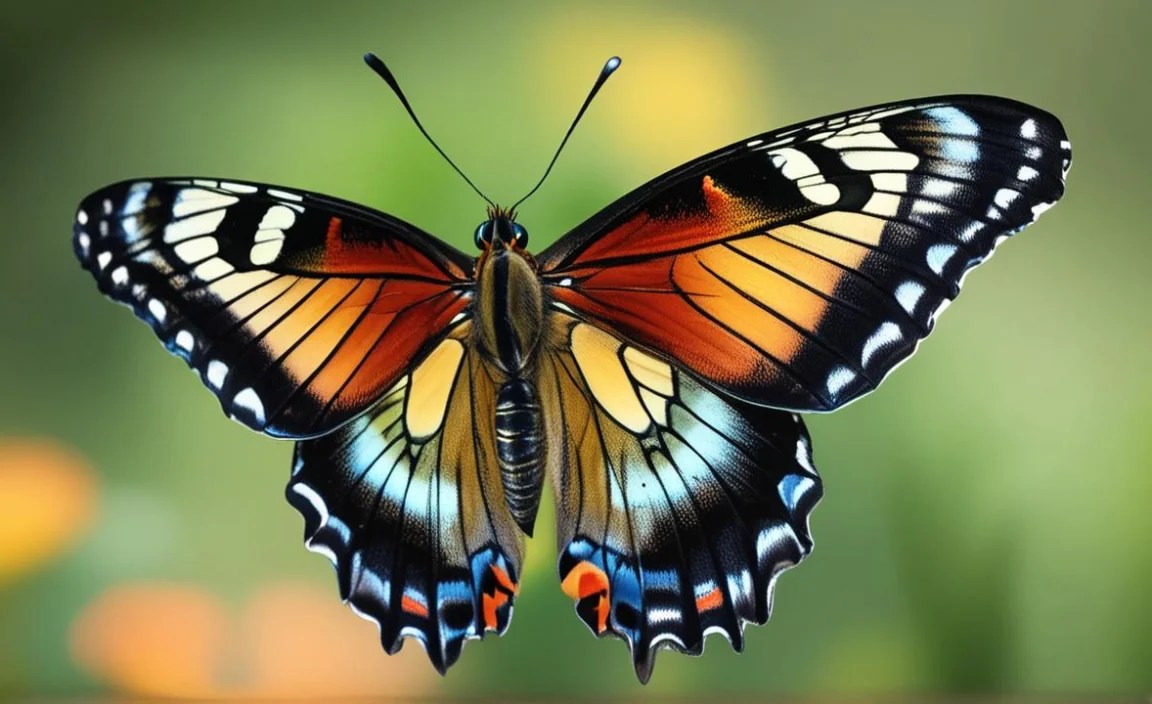
Identifying swallowtail butterflies involves observing several key characteristics. Here’s what to look for:
- Color and Pattern: Note the colors and patterns on the wings, including stripes, spots, and bands.
- Size: Measure or estimate the wingspan.
- Tail Shape: Observe the shape and length of the tails on the hindwings.
- Habitat: Consider the geographical location and habitat where the butterfly was observed.
- Behavior: Note the butterfly’s flight pattern and feeding habits.
Resources for Identification
Several resources can help you identify swallowtail butterflies:
- Butterfly Field Guides: Books with detailed descriptions and images of different species.
- Online Databases: Websites like Butterflies and Moths of North America and the Global Biodiversity Information Facility (GBIF).
- Butterfly Identification Apps: Mobile apps that use image recognition to identify species.
- Local Experts: Consult with local butterfly enthusiasts or experts at nature centers and botanical gardens.
Attracting Swallowtail Butterflies to Your Garden

Attracting swallowtail butterflies to your garden can be a rewarding experience. Here’s how to create a butterfly-friendly habitat:
Plant Host Plants
Swallowtail caterpillars are very specific about the plants they eat. Planting the right host plants is essential. Here are some popular choices:
- Pipevine Swallowtail: Plant pipevine (Aristolochia species).
- Eastern Tiger Swallowtail: Plant tulip trees, cherry trees, and ash trees.
- Black Swallowtail: Plant dill, parsley, fennel, and carrots.
- Spicebush Swallowtail: Plant spicebush and sassafras.
Provide Nectar Sources
Adult butterflies need nectar for energy. Plant flowers that provide a rich source of nectar:
- Butterfly Bush (Buddleja davidii): A favorite among many butterfly species.
- Zinnia (Zinnia elegans): Brightly colored and easy to grow.
- Lantana (Lantana camara): Offers a long blooming season.
- Salvia (Salvia species): Attracts butterflies and hummingbirds.
Create a Butterfly-Friendly Environment
In addition to host and nectar plants, consider these factors:
- Sunlight: Butterflies need sunlight to warm their bodies.
- Shelter: Provide shrubs and trees for shelter from wind and rain.
- Water Source: A shallow dish of water with pebbles for butterflies to land on.
- Avoid Pesticides: Pesticides can harm or kill butterflies and caterpillars.
Conservation Status and Efforts
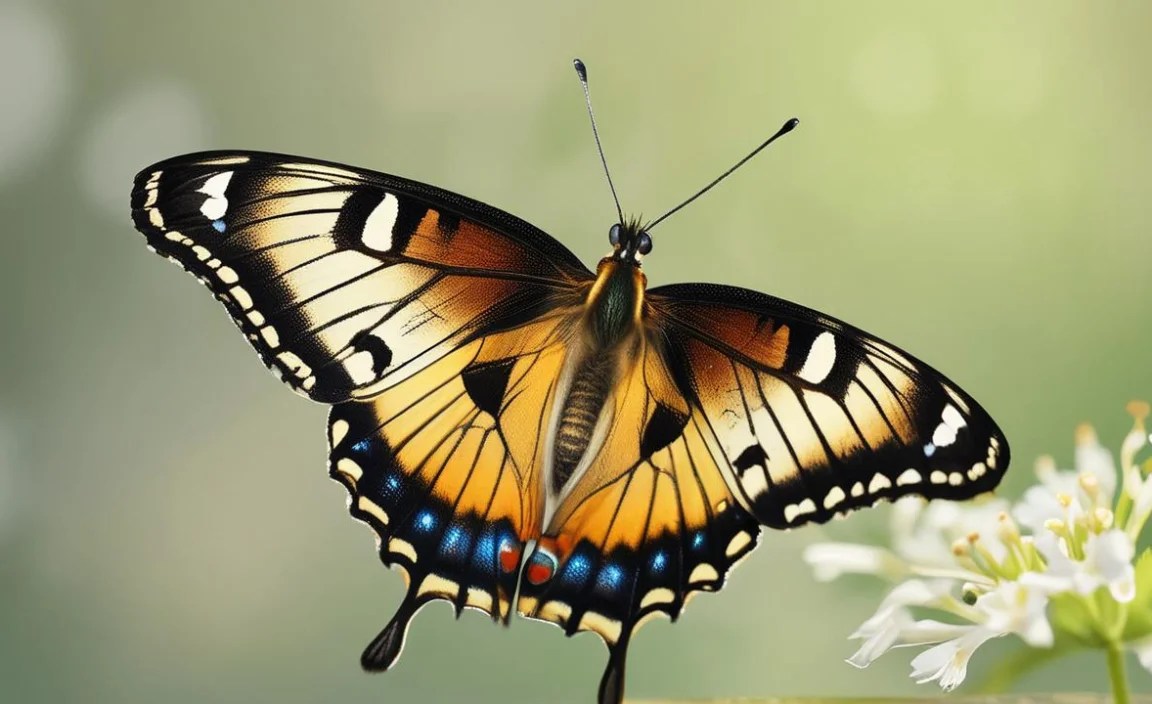
Many swallowtail butterfly species are facing threats due to habitat loss, climate change, and pesticide use. Conservation efforts are crucial to protect these beautiful creatures.
Threats to Swallowtail Butterflies
- Habitat Loss: Deforestation and urbanization reduce the availability of suitable habitats.
- Climate Change: Changes in temperature and rainfall patterns can disrupt butterfly life cycles.
- Pesticide Use: Pesticides can directly harm butterflies and their food sources.
- Over-collection: In some regions, over-collection for trade can threaten populations.
Conservation Strategies
Here are some ways to help protect swallowtail butterflies:
- Habitat Preservation: Support efforts to protect and restore natural habitats.
- Sustainable Gardening: Plant native host and nectar plants in your garden.
- Reduce Pesticide Use: Avoid using pesticides and herbicides in your garden and community.
- Citizen Science: Participate in butterfly monitoring programs to track populations.
- Education: Raise awareness about the importance of butterfly conservation.
Swallowtail Butterflies in Culture and Symbolism
Swallowtail butterflies have held cultural and symbolic significance in various societies throughout history.
Symbolism
In many cultures, butterflies symbolize:
- Transformation: Representing the metamorphosis from caterpillar to butterfly.
- Hope: Signifying new beginnings and positive change.
- Beauty: Admired for their vibrant colors and graceful flight.
- Soul: In some traditions, butterflies are believed to represent the human soul.
Cultural Significance
- Ancient Greece: The word for butterfly, “psyche,” also means soul.
- China: Butterflies are symbols of love, joy, and marital bliss.
- Japan: Butterflies are often released at weddings to symbolize happiness and longevity.
- Mexico: Monarch butterflies are associated with the Day of the Dead, believed to carry the spirits of ancestors.
FAQ About Swallowtail Butterflies
What makes a butterfly a swallowtail?
Swallowtail butterflies are known for their distinctive “tails” or elongated extensions on their hindwings. They are also typically larger and more colorful than other butterfly species.
Where can I find swallowtail butterflies?
Swallowtail butterflies are found on every continent except Antarctica. They are most diverse in tropical regions but can also be found in temperate zones, forests, gardens, and open fields.
What do swallowtail caterpillars eat?
Swallowtail caterpillars are host-plant specific. For example, Pipevine Swallowtail caterpillars eat pipevine, Eastern Tiger Swallowtail caterpillars eat tulip and cherry trees, and Black Swallowtail caterpillars eat dill, parsley, and fennel.
How can I attract swallowtail butterflies to my garden?
Plant host plants for the caterpillars and nectar-rich flowers for the adults. Provide sunlight, shelter, and a water source. Avoid using pesticides.
Are swallowtail butterflies endangered?
Some swallowtail butterfly species are threatened due to habitat loss, climate change, and pesticide use. Conservation efforts are essential to protect these species.
What is the lifespan of a swallowtail butterfly?
The lifespan of a swallowtail butterfly varies by species but is typically around 6 to 12 months, including the egg, larva, pupa, and adult stages. The adult stage usually lasts for a few weeks.
How do swallowtail butterflies contribute to the environment?
Swallowtail butterflies play a crucial role in pollination, helping to fertilize various plants. They also serve as a food source for other animals and can indicate the overall health of an ecosystem.
Conclusion
Exploring the Papilionidae species list reveals the incredible diversity and beauty of swallowtail butterflies. From the vibrant colors of the Ulysses Butterfly to the distinctive tails of the Old World Swallowtail, each species has its own unique charm and ecological role. By understanding their characteristics, habitats, and conservation needs, we can better appreciate and protect these magnificent creatures. Whether you’re a seasoned naturalist, a budding gardener, or simply a lover of nature, there’s always something new to discover in the fascinating world of swallowtail butterflies. So, get outside, explore, and let the beauty of these butterflies inspire you to make a positive impact on the environment.


