Butterfly Pheromones: The Powerful Secret?

Quick Summary:
Butterfly pheromones are special chemical signals that butterflies use to communicate, especially for finding a mate. These scents, often undetectable to humans, help butterflies identify each other, attract partners, and even signal danger. Understanding butterfly pheromones can help us learn more about their behavior and how to protect them.
Have you ever wondered how butterflies find each other in a big, wide world? It seems like magic, but it’s actually science! Butterflies use special scents called pheromones to send messages. These messages help them find a partner, warn each other about danger, and more. It’s like they have a secret language we’re just starting to understand.
In this guide, we’ll explore the fascinating world of butterfly pheromones. We’ll uncover how these scents work, what they do, and why they’re so important. Get ready to discover the secret love letters of the butterfly world!
What are Butterfly Pheromones?

Butterfly pheromones are chemical signals that butterflies release to communicate with each other. Think of them as tiny, invisible messages floating in the air. These pheromones play a vital role in butterfly behavior, especially when it comes to finding a mate.
Unlike the bright colors we see on butterfly wings, pheromones are scents that butterflies detect with special receptors on their antennae. These receptors are like tiny noses that can pick up even the faintest whiff of a pheromone. When a butterfly detects a pheromone, it knows exactly what the message is and how to respond.
Types of Butterfly Pheromones
Butterfly pheromones aren’t just one-size-fits-all. There are different types, each with its own special message:
- Sex Pheromones: These are the most well-known. They help male and female butterflies find each other for mating.
- Aggregation Pheromones: These bring butterflies together in groups, often for feeding or migration.
- Alarm Pheromones: These warn other butterflies of danger, like a predator nearby.
Each type of pheromone has a unique chemical makeup that sends a specific signal. It’s like the butterflies have their own secret code!
How Butterflies Detect Pheromones
Butterflies use their antennae to detect pheromones. These antennae are covered in tiny sensors that are super sensitive to specific chemicals. When a pheromone molecule floats by and lands on an antenna, it triggers a signal that the butterfly’s brain understands.
The male silk moth, Bombyx mori, is famous for its incredible ability to detect pheromones. The male moth can detect even a single molecule of bombykol, the female sex pheromone, from as far as 11 kilometers away! [Source: Nature]. While butterflies may not have quite the same range, their pheromone detection is still very impressive.
The Role of Pheromones in Butterfly Behavior

Pheromones influence many aspects of a butterfly’s life. From finding a mate to staying safe, these chemical signals are essential for survival. Let’s take a closer look at some key behaviors influenced by pheromones.
Mate Attraction
Sex pheromones are crucial for butterflies to find a partner. Female butterflies release these scents to attract males. The males, with their sensitive antennae, follow the scent trail to find the female. This is especially important for species that are spread out over a large area.
The queen butterfly (Danaus gilippus) is a great example. Male queen butterflies have special scent organs called hair pencils that they use to spread pheromones during courtship. These pheromones help the male win over the female.
Courtship Rituals
Once a male butterfly finds a female, pheromones continue to play a role in courtship. Males often release pheromones to show off their quality as a mate. These scents can signal that a male is healthy and has good genes.
Some butterflies even have elaborate courtship dances where they release pheromones while flying around the female. It’s like they’re serenading her with scents!
Aggregation and Migration
Some butterfly species use pheromones to gather together in large groups. This is especially common during migration. Aggregation pheromones help butterflies find each other and stay together during their long journey.
Monarch butterflies (Danaus plexippus) are famous for their mass migrations. While the exact role of pheromones in their migration is still being studied, scientists believe that these scents help them find their overwintering sites. The large clusters of monarchs in Mexico and California may be partly due to aggregation pheromones.
Defense Mechanisms
Pheromones can also help butterflies defend themselves against predators. Some species release alarm pheromones when they sense danger. These scents warn other butterflies to flee or hide.
While not as common as sex or aggregation pheromones, alarm pheromones can be crucial for survival, especially for butterflies that live in groups.
Examples of Butterfly Pheromones in Action

To really understand the power of butterfly pheromones, let’s look at some specific examples:
- Monarch Butterflies: As mentioned earlier, monarch butterflies likely use pheromones to help them find their overwintering sites. Scientists are still studying the exact pheromones involved, but it’s clear that scent plays a role in their incredible migration.
- Queen Butterflies: Male queen butterflies use hair pencils to release pheromones during courtship. These pheromones contain chemicals that help the male attract and win over the female.
- Swallowtail Butterflies: Some swallowtail butterflies use pheromones to attract mates from long distances. The males can detect these scents even when the females are far away.
These are just a few examples of how butterflies use pheromones in their daily lives. As we continue to study these amazing creatures, we’re sure to discover even more about their secret language.
How to Attract Butterflies Using Pheromone-Based Products
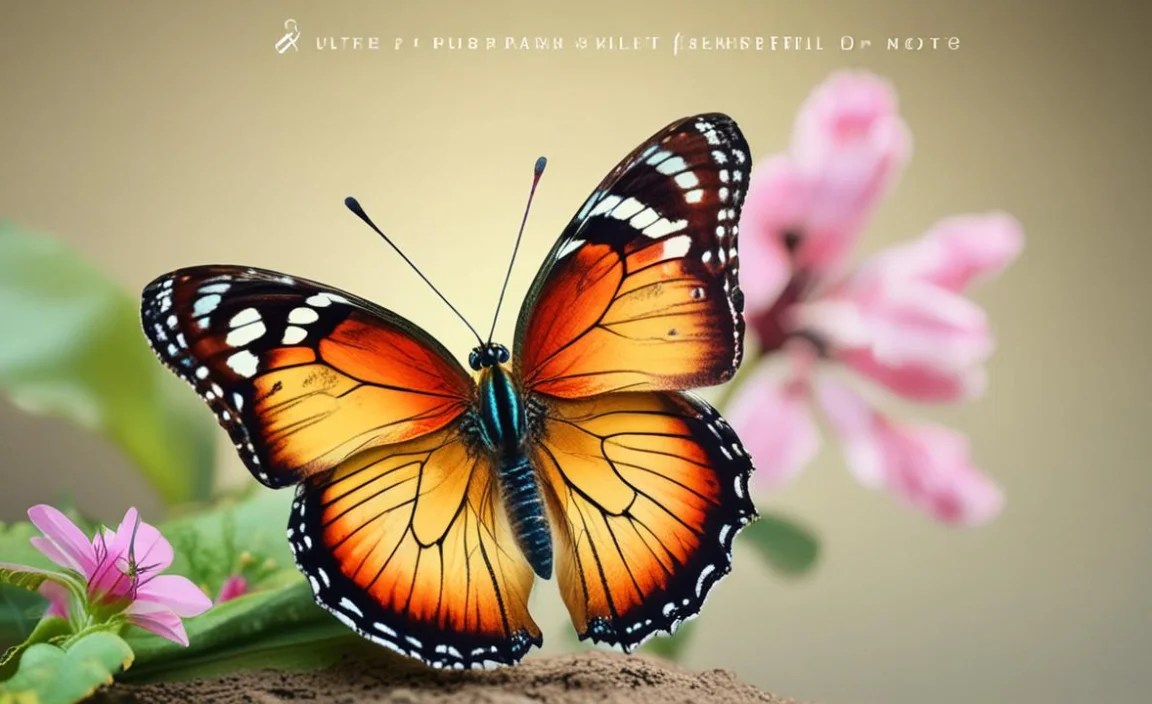
While you can’t buy a bottle of pure butterfly pheromones (yet!), there are products that mimic the effects of these scents. These products can help you attract more butterflies to your garden.
Here are some tips for using pheromone-based products to attract butterflies:
- Choose the Right Product: Look for products that are specifically designed to attract butterflies. These may contain blends of scents that mimic natural butterfly pheromones.
- Follow the Instructions: Be sure to read and follow the instructions on the product label. Using too much or too little of the product can reduce its effectiveness.
- Place Strategically: Place the product in a location where butterflies are likely to find it. This could be near nectar-rich flowers or in a sunny spot in your garden.
- Be Patient: It may take some time for butterflies to find the product and start visiting your garden. Be patient and keep the product fresh.
Keep in mind that pheromone-based products are just one tool for attracting butterflies. Providing a butterfly-friendly habitat with plenty of food and shelter is also essential.
The Science Behind Butterfly Pheromone Research

Studying butterfly pheromones is a complex and fascinating field of research. Scientists use a variety of techniques to identify and analyze these chemical signals.
Methods for Identifying Pheromones
Identifying butterfly pheromones is like solving a puzzle. Scientists use sophisticated techniques to isolate and analyze the chemicals that butterflies release. Here are some common methods:
- Gas Chromatography-Mass Spectrometry (GC-MS): This technique separates the different chemicals in a sample and identifies them based on their mass.
- Electroantennography (EAG): This measures the electrical activity in a butterfly’s antenna when it’s exposed to different scents. If the antenna responds strongly to a particular chemical, it’s likely a pheromone.
- Behavioral Assays: These involve observing how butterflies behave when exposed to different scents. If a scent attracts butterflies or triggers a specific behavior, it’s likely a pheromone.
By combining these techniques, scientists can identify the specific chemicals that make up butterfly pheromones.
Challenges in Pheromone Research
Studying butterfly pheromones isn’t always easy. There are several challenges that researchers face:
- Low Concentrations: Butterfly pheromones are often present in very low concentrations, making them difficult to detect and analyze.
- Complex Mixtures: Butterfly pheromones are often complex mixtures of different chemicals, making it hard to isolate and identify each component.
- Species-Specific: Pheromones are often species-specific, meaning that what works for one butterfly species may not work for another.
Despite these challenges, scientists are making great strides in understanding butterfly pheromones. With new technologies and innovative research methods, we’re learning more about these fascinating chemical signals every day.
Conservation Implications of Pheromone Research
Understanding butterfly pheromones isn’t just interesting from a scientific point of view. It also has important implications for conservation. By learning more about how butterflies communicate, we can develop better strategies for protecting them.
Using Pheromones for Monitoring Butterfly Populations
Pheromone traps can be used to monitor butterfly populations. These traps release synthetic pheromones that attract butterflies. By counting the number of butterflies that are caught in the traps, scientists can get an idea of how the population is doing.
This is especially useful for monitoring endangered butterfly species. By tracking their populations, we can identify areas where they need protection and take steps to help them recover.
Developing Pheromone-Based Conservation Strategies
Pheromones can also be used to develop new conservation strategies. For example, scientists could use pheromones to attract butterflies to specific areas, such as protected habitats or breeding sites.
This could be especially useful for species that are struggling to find mates. By releasing pheromones in these areas, we can help them find each other and increase their chances of reproducing.
Protecting Butterfly Habitats
Ultimately, the best way to protect butterflies is to protect their habitats. This means preserving natural areas, planting native plants, and reducing the use of pesticides.
By creating butterfly-friendly habitats, we can ensure that these amazing creatures continue to thrive for generations to come. And by continuing to study butterfly pheromones, we can gain a deeper understanding of their needs and how to best protect them.
Butterfly Pheromones: Fascinating Facts
Let’s wrap up with some fascinating facts about butterfly pheromones:
- Some male butterflies use “hair pencils” to spread pheromones during courtship.
- Butterfly pheromones can travel long distances, helping butterflies find mates from miles away.
- Scientists are still discovering new butterfly pheromones and learning about their functions.
- Pheromone-based products can help attract butterflies to your garden, but they’re not a magic bullet.
- Protecting butterfly habitats is the best way to ensure that these amazing creatures continue to thrive.
Here’s a quick reference table summarizing key pheromone types and their functions:
| Pheromone Type | Function | Example |
|---|---|---|
| Sex Pheromones | Attract mates for reproduction | Female silk moths releasing bombykol to attract males |
| Aggregation Pheromones | Bring butterflies together for feeding or migration | Monarch butterflies gathering at overwintering sites |
| Alarm Pheromones | Warn other butterflies of danger | Certain species releasing scents to signal a predator’s presence |
FAQ About Butterfly Pheromones
Here are some frequently asked questions about butterfly pheromones:
Q: Can humans smell butterfly pheromones?
A: Generally, no. Butterfly pheromones are designed to be detected by other butterflies, not humans. Our noses aren’t sensitive enough to pick up these subtle scents.
Q: Do all butterflies use pheromones?
A: Yes, most butterfly species use pheromones to some extent. However, the specific pheromones and how they’re used can vary widely from species to species.
Q: Are there products that can attract butterflies using pheromones?
A: Yes, there are products available that mimic butterfly pheromones. These can help attract butterflies to your garden, but they’re most effective when used in combination with other butterfly-friendly practices.
Q: How far can butterfly pheromones travel?
A: The distance that butterfly pheromones can travel depends on several factors, including the species of butterfly, the concentration of the pheromone, and the weather conditions. Some pheromones can travel for miles, while others only travel a few feet.
Q: What part of the butterfly detects pheromones?
A: Butterflies detect pheromones using their antennae. These antennae are covered in tiny sensors that are highly sensitive to specific chemicals.
Q: Can pheromones help with butterfly conservation?
A: Yes, pheromones can play a role in butterfly conservation. They can be used to monitor populations, attract butterflies to protected areas, and help them find mates.
Q: Is there still much to learn about butterfly pheromones?
A: Absolutely! Butterfly pheromone research is an ongoing field of study. Scientists are constantly discovering new pheromones and learning more about their functions. There’s still much to uncover about the secret language of butterflies.
Conclusion
Butterfly pheromones are a fascinating and important part of the butterfly world. These chemical signals play a crucial role in mate attraction, aggregation, and defense. By understanding butterfly pheromones, we can gain a deeper appreciation for these amazing creatures and develop better strategies for protecting them.
Whether you’re a nature enthusiast, a gardener, or a conservation supporter, there’s something for everyone to learn from the secret language of butterflies. So next time you see a butterfly fluttering by, remember that it’s not just a pretty face – it’s also a master of chemical communication!