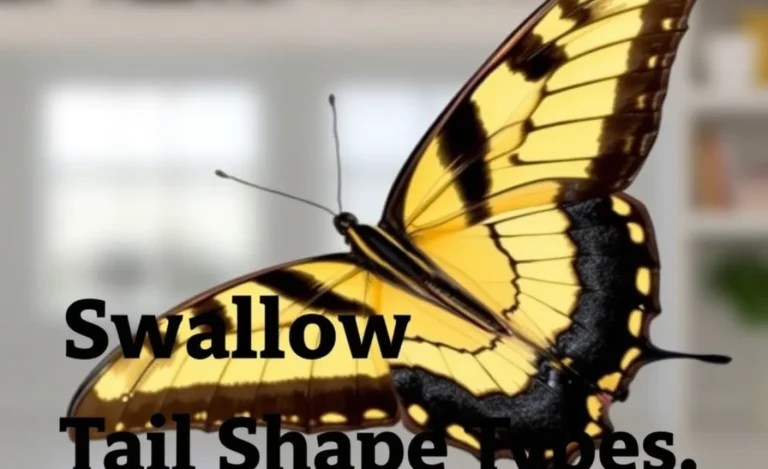
Swallowtail Butterfly Caterpillar Host Plants: Ultimate Guide

Swallowtail butterfly caterpillars need specific plants to survive. These plants, known as host plants, provide the food caterpillars need to grow into beautiful butterflies. Different swallowtail species prefer different plants, so knowing which ones to plant is key to attracting these butterflies to your garden. Plant these, and you’ll enjoy watching these amazing creatures grow!
Have you ever dreamed of seeing graceful swallowtail butterflies fluttering around your garden? Many gardeners find it frustrating when they don’t see these beauties. The secret is providing the right food for their caterpillars. Swallowtail caterpillars are picky eaters, and they need specific plants to thrive.
This guide will show you the host plants swallowtail caterpillars need to grow. You’ll learn which plants attract different species, how to care for them, and tips for creating a butterfly-friendly garden. Get ready to transform your garden into a swallowtail paradise!
Understanding Swallowtail Butterfly Host Plants
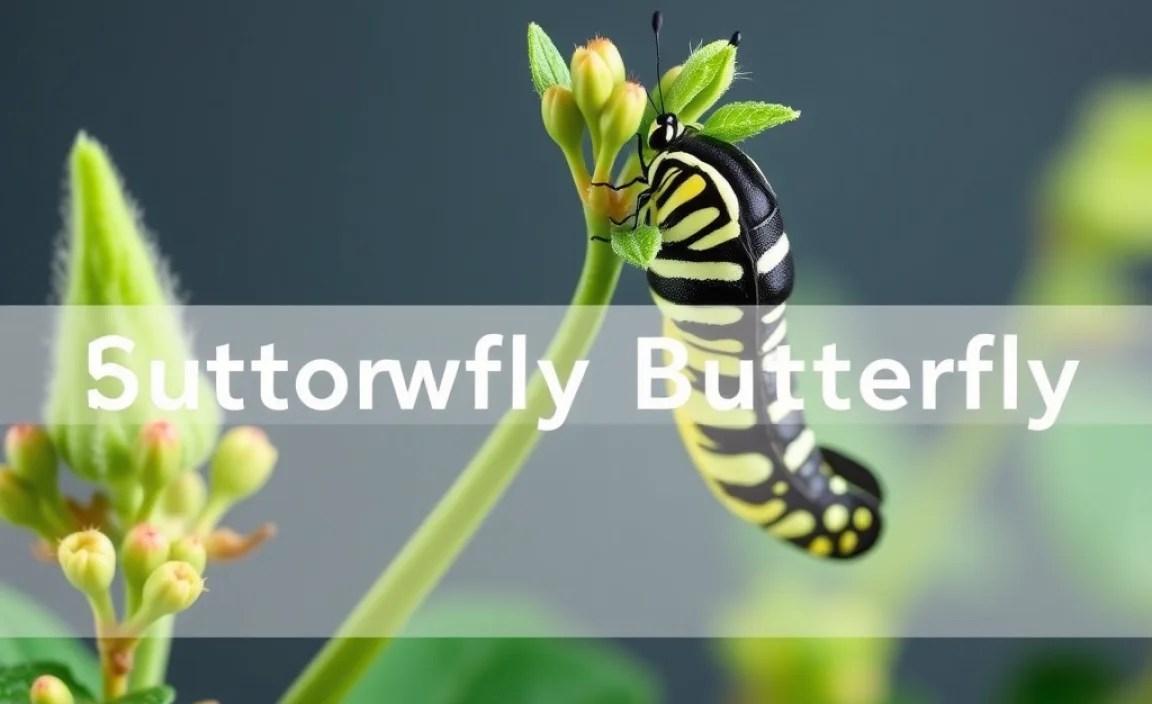
Swallowtail butterflies are among the most striking butterflies you can find. Their large size and vibrant colors make them a joy to watch. To attract these butterflies, you need to understand their life cycle and, most importantly, their caterpillars’ dietary needs.
Why Host Plants Matter
Host plants are the only food source for swallowtail caterpillars. Unlike adult butterflies, which sip nectar from many flowers, caterpillars are very specific about what they eat. If a female swallowtail can’t find the right host plant, she won’t lay her eggs there. Without the right plants, the caterpillars won’t survive.
The Life Cycle Connection
The life cycle of a swallowtail butterfly includes four stages: egg, larva (caterpillar), pupa (chrysalis), and adult. The caterpillar stage is all about eating and growing. Caterpillars munch on leaves, growing rapidly and molting several times. Choosing the right host plants ensures they have enough food to complete this crucial stage.
Common Swallowtail Species and Their Host Plants
Different swallowtail species have different preferences. Here are some common swallowtail species and their favorite host plants:
- Eastern Black Swallowtail: Parsley, dill, fennel, carrot, and rue
- Tiger Swallowtail: Wild cherry, tulip tree, willow, and ash
- Giant Swallowtail: Citrus trees, Hercules’ club, and hoptree
- Pipevine Swallowtail: Pipevine (Aristolochia)
- Zebra Swallowtail: Pawpaw
Choosing the Right Host Plants for Your Garden

Selecting the right host plants depends on which swallowtail species you want to attract and what grows well in your area. Here’s a step-by-step guide to help you choose.
Step 1: Identify Local Swallowtail Species
First, find out which swallowtail species are native to your region. You can check with local nature centers, butterfly clubs, or online resources like the Butterflies and Moths of North America website. Knowing your local species will help you narrow down your plant choices.
Step 2: Research Host Plant Preferences
Once you know which swallowtails live in your area, research their host plant preferences. Some swallowtails are very specific, while others are more flexible. For example, the Eastern Black Swallowtail is a common visitor to herb gardens, while the Zebra Swallowtail relies almost entirely on pawpaw trees.
Step 3: Consider Your Garden Conditions
Think about the conditions in your garden. Do you have full sun, partial shade, or mostly shade? Is your soil well-drained, or does it stay wet? Choose host plants that will thrive in your garden’s specific conditions. Native plants are often a good choice because they are adapted to the local climate and soil.
Step 4: Select a Variety of Plants
Planting a variety of host plants is a good idea. This provides food for different swallowtail species and ensures that caterpillars have a food source throughout the growing season. It also adds diversity and interest to your garden.
Step 5: Source Your Plants Responsibly
When buying host plants, choose a reputable nursery that doesn’t use systemic pesticides. Systemic pesticides can harm or kill caterpillars that feed on the plants. Ask the nursery staff about their pest control practices, or grow your own plants from seed.
Popular Host Plants and How to Grow Them

Here’s a closer look at some popular host plants for swallowtail butterflies, along with tips for growing them successfully.
Parsley (Petroselinum crispum)
Parsley is a favorite of Eastern Black Swallowtail caterpillars. It’s easy to grow in containers or in the ground. Here’s how:
- Sunlight: Full sun to partial shade
- Soil: Well-drained, fertile soil
- Watering: Keep the soil consistently moist
- Maintenance: Pinch off flower heads to encourage leaf production
Dill (Anethum graveolens)
Dill is another excellent choice for attracting Eastern Black Swallowtails. Its feathery foliage and aromatic seeds make it a welcome addition to any garden.
- Sunlight: Full sun
- Soil: Well-drained soil
- Watering: Water regularly, especially during dry spells
- Maintenance: Allow some plants to flower and go to seed to attract beneficial insects
Fennel (Foeniculum vulgare)
Fennel is similar to dill and is also loved by Eastern Black Swallowtail caterpillars. It has a licorice-like flavor and can grow quite tall.
- Sunlight: Full sun
- Soil: Well-drained soil
- Watering: Water regularly
- Maintenance: Cut back flower stalks to prevent excessive self-seeding
Citrus Trees (Citrus spp.)
Citrus trees are the primary host plant for Giant Swallowtail caterpillars. If you live in a warm climate, consider planting one of these trees.
- Sunlight: Full sun
- Soil: Well-drained, slightly acidic soil
- Watering: Water deeply but infrequently
- Maintenance: Protect from frost and fertilize regularly
Pipevine (Aristolochia spp.)
Pipevine is the exclusive host plant for Pipevine Swallowtail caterpillars. Its unique flowers and heart-shaped leaves make it an attractive addition to the garden.
- Sunlight: Partial shade
- Soil: Well-drained, moist soil
- Watering: Water regularly
- Maintenance: Provide a trellis or support for the vine to climb
Pawpaw (Asimina triloba)
Pawpaw is the sole host plant for Zebra Swallowtail caterpillars. This small, native tree produces delicious fruit and is relatively easy to grow.
- Sunlight: Full sun to partial shade
- Soil: Well-drained, slightly acidic soil
- Watering: Water regularly, especially when young
- Maintenance: Protect from deer and provide support when young
Wild Cherry (Prunus serotina)
Wild cherry trees are a favorite of Tiger Swallowtail caterpillars. These trees provide food and shelter for many other wildlife species as well.
- Sunlight: Full sun
- Soil: Well-drained soil
- Watering: Water regularly when young
- Maintenance: Prune to maintain shape and remove dead or diseased branches
Creating a Butterfly-Friendly Habitat
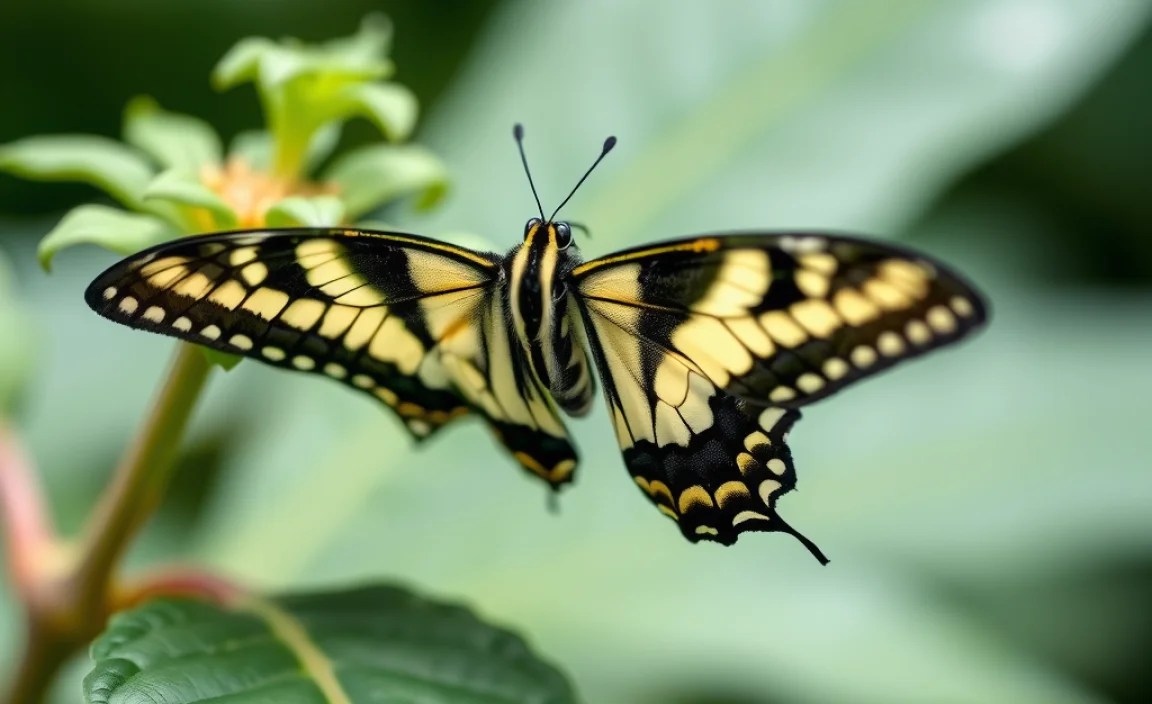
Attracting swallowtail butterflies is about more than just providing host plants. You also need to create a welcoming habitat with nectar sources, shelter, and water.
Provide Nectar Sources
Adult butterflies need nectar for energy. Plant a variety of nectar-rich flowers that bloom throughout the growing season. Some good choices include:
- Zinnia
- Butterfly bush (Buddleja davidii)
- Lantana
- Salvia
- Coneflower (Echinacea)
Offer Shelter
Butterflies need shelter from wind and rain. Plant trees, shrubs, and tall grasses to provide protected areas in your garden. A brush pile or rock pile can also offer shelter for overwintering butterflies and other beneficial insects.
Provide Water
Butterflies need water to stay hydrated. Create a shallow dish of water with pebbles or marbles for them to land on. You can also use a bird bath with a shallow area or a dripping hose.
Avoid Pesticides
Pesticides can harm or kill butterflies and other beneficial insects. Avoid using pesticides in your garden, or choose organic pest control methods. Encourage natural predators like ladybugs and lacewings to control pests.
Protecting Caterpillars from Predators
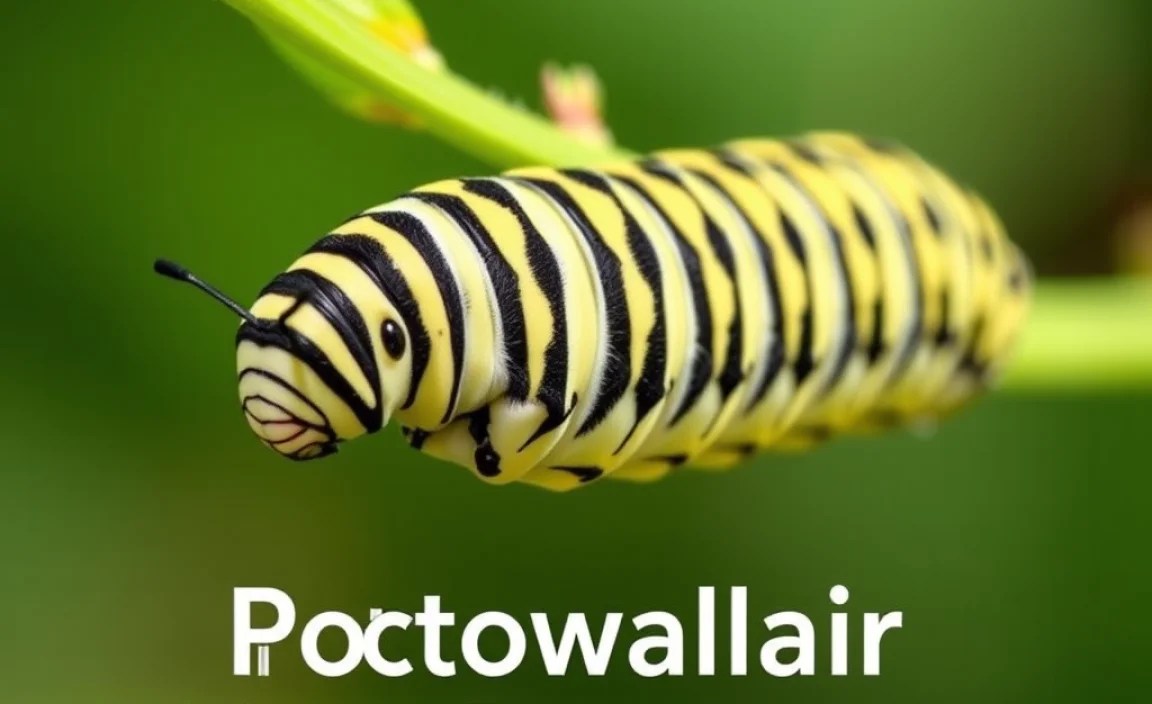
Caterpillars are vulnerable to predators like birds, wasps, and spiders. Here are some ways to protect them:
Cover Plants with Netting
Covering host plants with fine netting can protect caterpillars from predators. Make sure the netting is securely attached to the ground so that predators can’t get underneath.
Handpick Caterpillars
If you find caterpillars on your plants, you can handpick them and move them to a safer location. Place them on a different part of the same plant or on a similar host plant nearby.
Provide Shelter for Caterpillars
Plant dense shrubs or groundcovers near host plants to provide shelter for caterpillars. This will give them a place to hide from predators.
Encourage Natural Predators
Attract natural predators like ladybugs, lacewings, and parasitic wasps to your garden. These insects will help control caterpillar populations and other pests.
Troubleshooting Common Problems
Even with the best planning, you may encounter some problems when growing host plants for swallowtail caterpillars. Here are some common issues and how to address them.
Plants Being Eaten Too Quickly
If caterpillars are devouring your plants faster than they can grow, you may need to plant more host plants. You can also move some caterpillars to other host plants in the area.
Plants Not Growing Well
If your host plants are not thriving, check the soil conditions, sunlight, and watering. Make sure the plants are getting enough of what they need to grow.
Caterpillars Disappearing
If you notice caterpillars disappearing, it could be due to predators, disease, or lack of food. Check the plants regularly for signs of pests or diseases and take steps to protect the caterpillars.
Swallowtail Host Plant Table
Here is a quick reference table summarizing swallowtail species and their primary host plants. This table will help you quickly determine the best plants for attracting specific swallowtail butterflies to your garden.
| Swallowtail Species | Primary Host Plants |
|---|---|
| Eastern Black Swallowtail | Parsley, Dill, Fennel, Carrot, Rue |
| Tiger Swallowtail | Wild Cherry, Tulip Tree, Willow, Ash |
| Giant Swallowtail | Citrus Trees, Hercules’ Club, Hoptree |
| Pipevine Swallowtail | Pipevine (Aristolochia) |
| Zebra Swallowtail | Pawpaw |
Swallowtail Caterpillar Identification Table
Use this table to identify the caterpillars in your garden. Knowing which caterpillars you have can help you provide the best host plants and care.
| Caterpillar | Description | Host Plant |
|---|---|---|
| Eastern Black Swallowtail | Green with black bands and yellow spots | Parsley, Dill, Fennel |
| Tiger Swallowtail | Smooth, green with a yellow and black eyespot | Wild Cherry, Tulip Tree |
| Giant Swallowtail | Resembles bird droppings when young; mottled brown and white | Citrus Trees |
| Pipevine Swallowtail | Dark, velvety with orange tubercles | Pipevine |
| Zebra Swallowtail | Pale green with black stripes | Pawpaw |
Frequently Asked Questions
What are host plants?
Host plants are specific plants that butterfly caterpillars need to eat in order to grow and develop into adult butterflies. Each butterfly species has its preferred host plants.
Why are host plants important?
Host plants provide the necessary nutrition for caterpillars to grow. Without the right host plants, caterpillars won’t survive, and the butterfly life cycle will be disrupted.
How do I attract swallowtail butterflies to my garden?
To attract swallowtail butterflies, plant their favorite host plants and nectar sources. Also, provide shelter and water, and avoid using pesticides.
Can I move caterpillars to different host plants?
It’s best to keep caterpillars on their preferred host plants. If you need to move them, make sure the new plant is the same species or a very similar one.
What if caterpillars eat all of my host plants?
If caterpillars are eating your plants too quickly, plant more host plants or move some caterpillars to other plants in the area.
How can I protect caterpillars from predators?
You can protect caterpillars by covering plants with netting, handpicking them and moving them to safer locations, or encouraging natural predators in your garden.
Are systemic pesticides harmful to caterpillars?
Yes, systemic pesticides can be very harmful to caterpillars. Avoid using them in your garden, or choose organic pest control methods.
Conclusion
By understanding the importance of host plants and providing the right environment, you can create a garden that attracts and supports beautiful swallowtail butterflies. Choose the host plants that appeal to the swallowtail species in your region, and remember to select a variety of plants to ensure a continuous food source throughout the growing season. With a little planning and care, you can enjoy the beauty of swallowtail butterflies in your garden for years to come. So, get planting, and watch your garden transform into a butterfly haven!