
Papilio: Discover This Stunning Swallowtail Genus

The genus Papilio encompasses many of the world’s most beautiful and recognizable butterflies, commonly known as swallowtails. These butterflies are celebrated for their vibrant colors, large size, and distinctive “tails” on their hindwings. Identifying Papilio butterflies involves observing their wing patterns, size, and geographical location. This guide will help you understand the key characteristics and learn how to identify various species within this fascinating genus.
Have you ever been captivated by a large, brightly colored butterfly fluttering through your garden, its wings adorned with elegant tails? Chances are, you’ve encountered a swallowtail butterfly from the Papilio genus! These butterflies are among the most striking and beloved insects in the world. However, with so many different species, telling them apart can be a bit tricky. Don’t worry! This guide will walk you through the essential steps to confidently identify these magnificent creatures. We’ll explore their key features, habitats, and unique characteristics, so you can appreciate the diversity of the Papilio genus. Get ready to become a swallowtail sleuth!
What Makes a Butterfly a Papilio?

Papilio is a large genus within the swallowtail butterfly family, Papilionidae. These butterflies share several key characteristics that set them apart from other butterflies.
Key Characteristics of Papilio Butterflies
- Size: Generally large butterflies, with wingspans ranging from 2 to 6 inches.
- Wing Shape: Characterized by elongated hindwings that often feature distinct “tails,” giving them the name “swallowtail.”
- Coloration: Many species exhibit vibrant colors and patterns, including black, yellow, blue, green, and red.
- Larvae (Caterpillars): Often have fleshy tubercles (small, rounded projections) and osmeteria (a forked, defensive organ that emits a foul odor when threatened).
- Habitat: Found on every continent except Antarctica, in a variety of habitats from tropical rainforests to temperate gardens.
Anatomy of a Papilio Butterfly
Understanding the basic anatomy of a Papilio butterfly will help you identify key features. Here’s a breakdown:
- Wings: Swallowtails have four wings – two forewings and two hindwings. The shape, color, and patterns on the wings are crucial for identification.
- Tails: The elongated extensions on the hindwings are called “tails.” The length, shape, and color of these tails vary among species.
- Body: The body is divided into three segments: the head, thorax, and abdomen. The thorax is where the wings and legs attach.
- Antennae: Long, slender antennae with clubbed tips are used for sensing the environment.
- Eyes: Large, compound eyes provide a wide field of vision.
Identifying Common Papilio Species
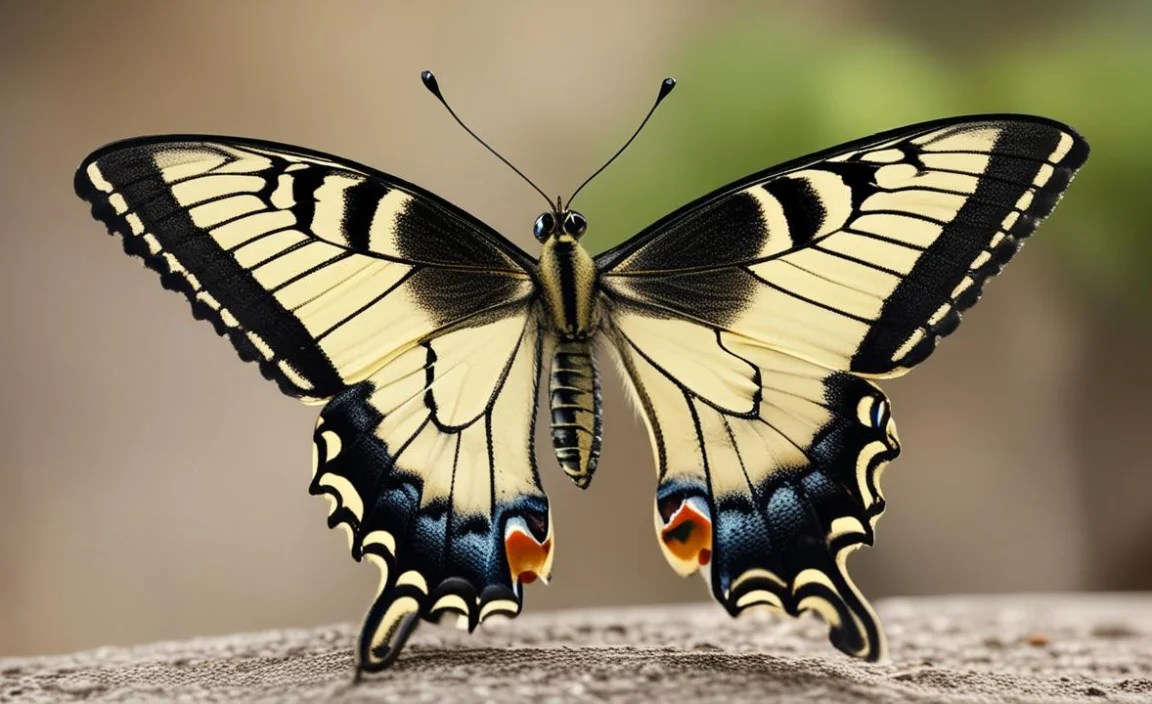
The Papilio genus is vast, with numerous species found around the world. Let’s explore some of the most common and recognizable ones.
North American Papilio Species
North America is home to several stunning Papilio species. Here are a few you might encounter:
Eastern Tiger Swallowtail (Papilio glaucus)
- Description: Bright yellow wings with black stripes. Females can be either yellow or black.
- Habitat: Deciduous forests, woodlands, gardens, and parks.
- Range: Eastern North America.
- Host Plants: Wild cherry, tulip tree, and sweetbay.
Black Swallowtail (Papilio polyxenes)
- Description: Black wings with a row of yellow spots. Hindwings have blue and orange spots.
- Habitat: Open areas, fields, gardens, and roadsides.
- Range: North America, from southern Canada to northern Mexico.
- Host Plants: Parsley, dill, fennel, and carrot.
Giant Swallowtail (Papilio cresphontes)
- Description: Large butterfly with brown wings and yellow markings.
- Habitat: Open woodlands, citrus groves, and gardens.
- Range: Southern United States and Central America.
- Host Plants: Citrus trees, prickly ash, and rue.
Pipevine Swallowtail (Papilio philenor)
- Description: Black wings with iridescent blue-green sheen. Hindwings have orange spots.
- Habitat: Woodlands, gardens, and areas with pipevine plants.
- Range: North America, from southern Canada to Mexico.
- Host Plants: Pipevine (Aristolochia species).
European Papilio Species
Europe has a few notable Papilio species, each with unique characteristics.
Swallowtail (Papilio machaon)
- Description: Yellow wings with black stripes and blue and orange spots on the hindwings.
- Habitat: Open areas, meadows, and gardens.
- Range: Europe, Asia, and North Africa.
- Host Plants: Fennel, parsley, and rue.
Asian Papilio Species
Asia is home to a diverse array of Papilio butterflies, many of which are incredibly striking.
Common Mormon (Papilio polytes)
- Description: Highly variable species with different forms mimicking toxic butterflies. Males are typically black with white markings. Females have multiple forms, some mimicking the Common Rose butterfly.
- Habitat: Gardens, forests, and urban areas.
- Range: South and Southeast Asia.
- Host Plants: Citrus trees and rue.
Great Mormon (Papilio memnon)
- Description: Large butterfly with black wings and variable patterns. Females can mimic toxic butterflies.
- Habitat: Forests, gardens, and plantations.
- Range: South and Southeast Asia.
- Host Plants: Citrus trees and Aegle marmelos.
African Papilio Species
Africa boasts a wide variety of Papilio butterflies, many of which are endemic to the continent.
Mocker Swallowtail (Papilio dardanus)
- Description: Females exhibit remarkable mimicry, resembling various toxic butterfly species to avoid predation. Males are typically black and yellow.
- Habitat: Forests, woodlands, and gardens.
- Range: Sub-Saharan Africa.
- Host Plants: Citrus trees and various shrubs.
Constantine’s Swallowtail (Papilio constantinus)
- Description: Yellow and black butterfly with distinctive markings.
- Habitat: Savannah and woodland areas.
- Range: Eastern and Southern Africa.
- Host Plants: Vepris lanceolata and other Rutaceae family members.
Table of Key Identification Features
Here’s a table summarizing the key identification features of some common Papilio species:
| Species | Description | Habitat | Range | Host Plants |
|---|---|---|---|---|
| Eastern Tiger Swallowtail (Papilio glaucus) | Yellow with black stripes (females can be black) | Deciduous forests, gardens | Eastern North America | Wild cherry, tulip tree |
| Black Swallowtail (Papilio polyxenes) | Black with yellow spots, blue and orange spots on hindwings | Open areas, gardens | North America | Parsley, dill, fennel |
| Giant Swallowtail (Papilio cresphontes) | Brown with yellow markings | Open woodlands, citrus groves | Southern United States, Central America | Citrus trees, prickly ash |
| Swallowtail (Papilio machaon) | Yellow with black stripes, blue and orange spots on hindwings | Open areas, meadows | Europe, Asia, North Africa | Fennel, parsley, rue |
| Common Mormon (Papilio polytes) | Variable; males black with white markings, females mimic toxic butterflies | Gardens, forests | South and Southeast Asia | Citrus trees, rue |
Step-by-Step Guide to Identifying Papilio Butterflies

Follow these steps to accurately identify Papilio butterflies:
- Observe the Size: Papilio butterflies are generally large. Note the wingspan, which can range from 2 to 6 inches.
- Examine the Wing Shape: Look for the characteristic “tails” on the hindwings. Pay attention to their length, shape, and color.
- Note the Coloration and Patterns: Describe the colors and patterns on the wings. Are there stripes, spots, or bands? What colors are present?
- Consider the Habitat: Where did you see the butterfly? Different species prefer different habitats.
- Check the Location: What is the geographical location? Knowing the region can narrow down the possibilities.
- Observe Behavior: How does the butterfly fly? What plants is it visiting?
- Consult Field Guides and Online Resources: Use reliable field guides and websites (like the Butterflies and Moths of North America or the European Butterflies website) to compare your observations with known species.
Attracting Papilio Butterflies to Your Garden

Want to see more Papilio butterflies in your backyard? Here’s how to create a butterfly-friendly garden:
- Plant Host Plants: Provide the specific plants that Papilio caterpillars need to feed on. For example, plant milkweed for Monarchs and dill or parsley for Black Swallowtails.
- Plant Nectar Sources: Offer a variety of flowering plants that provide nectar for adult butterflies. Choose plants with different bloom times to ensure a continuous food supply. Some good options include butterfly bush, zinnias, and lantana.
- Provide a Water Source: Butterflies need water to stay hydrated. Create a shallow puddle with pebbles or sand for them to land on.
- Offer Shelter: Plant shrubs and trees to provide shelter from wind and predators.
- Avoid Pesticides: Pesticides can harm or kill butterflies and other beneficial insects. Opt for organic gardening practices.
- Provide a Sunny Spot: Butterflies are cold-blooded and need sunlight to warm up. Make sure your garden has a sunny area where they can bask.
Conservation of Papilio Butterflies

Many Papilio species face threats from habitat loss, pesticide use, and climate change. Here’s how you can help protect these beautiful creatures:
- Support Butterfly Conservation Organizations: Donate to or volunteer with organizations like the Xerces Society that work to protect butterflies and their habitats.
- Create Butterfly-Friendly Habitats: Plant native host plants and nectar sources in your garden or community.
- Reduce Pesticide Use: Avoid using pesticides in your garden and encourage others to do the same.
- Educate Others: Share your knowledge about Papilio butterflies and the importance of conservation with friends, family, and neighbors.
- Advocate for Conservation Policies: Support policies that protect butterfly habitats and reduce pesticide use.
The Symbolism and Cultural Significance of Swallowtail Butterflies
Swallowtail butterflies hold significant cultural and symbolic meaning in various societies around the world.
- Transformation and Rebirth: Like all butterflies, swallowtails symbolize transformation, rebirth, and renewal due to their metamorphosis from caterpillar to butterfly.
- Beauty and Grace: Their vibrant colors and elegant flight patterns often represent beauty, grace, and joy.
- Good Luck and Prosperity: In some cultures, swallowtail butterflies are seen as symbols of good luck, prosperity, and happiness.
- Freedom and Independence: Their ability to fly freely represents freedom, independence, and the pursuit of dreams.
- Soul and Spirituality: In some spiritual traditions, butterflies are associated with the soul and the afterlife.
Frequently Asked Questions (FAQ)
What is the difference between a butterfly and a moth?
Butterflies are typically active during the day, have slender antennae with clubbed tips, and hold their wings upright when at rest. Moths are often active at night, have feathery or comb-like antennae, and typically rest with their wings spread out.
How long do Papilio butterflies live?
The lifespan of a Papilio butterfly varies depending on the species and environmental conditions, but most adults live for about 2 weeks to a month. The entire life cycle, from egg to adult, can take several months.
What do Papilio caterpillars eat?
Papilio caterpillars feed on specific host plants, which vary depending on the species. Some common host plants include citrus trees, parsley, dill, fennel, wild cherry, and tulip tree.
Are Papilio butterflies endangered?
Some Papilio species are threatened or endangered due to habitat loss, pesticide use, and climate change. Conservation efforts are crucial to protect these butterflies and their habitats.
How can I attract more butterflies to my garden?
Plant a variety of nectar-rich flowers and host plants, provide a water source, avoid using pesticides, and offer shelter from wind and predators.
What is the purpose of the “tails” on swallowtail butterflies?
The “tails” on swallowtail butterflies are thought to serve multiple purposes, including acting as decoys to distract predators, enhancing flight stability, and playing a role in mate selection.
How do butterflies taste?
Butterflies taste with their feet! They have sensory receptors on their feet that allow them to identify suitable host plants for laying eggs and nectar sources for feeding.
Conclusion
Identifying Papilio butterflies can be a rewarding and fascinating experience. By understanding their key characteristics, observing their habitats, and consulting field guides, you can confidently identify these magnificent creatures. Whether you’re a seasoned naturalist or a beginner butterfly enthusiast, the world of Papilio butterflies offers endless opportunities for discovery and appreciation. So, grab your binoculars, head out into nature, and start exploring the beauty and diversity of the Papilio genus! Remember, every effort to conserve their habitats and protect these delicate creatures makes a difference. Happy butterflying!


