
How to Identify Swallowtail Butterflies: Easy Guide

Quick Summary: Identifying swallowtail butterflies involves observing their size, wing shape, color patterns (especially the prominent “tails” on their hindwings), and geographic location. Key features include the presence of these tails, vibrant colors like yellow, black, and blue, and distinctive markings that vary by species. Use field guides or online resources to confirm your identification based on these characteristics and location.
Have you ever been captivated by a large, colorful butterfly fluttering through your garden, its wings adorned with elegant “tails?” Chances are, you’ve encountered a swallowtail butterfly! These stunning insects are a joy to observe, but with so many different species, identifying them can feel a bit overwhelming. Don’t worry; it’s easier than you think! This guide will walk you through the key characteristics to look for, helping you confidently name these beautiful visitors. Get ready to unlock the secrets of swallowtail identification!
Understanding Swallowtail Butterflies
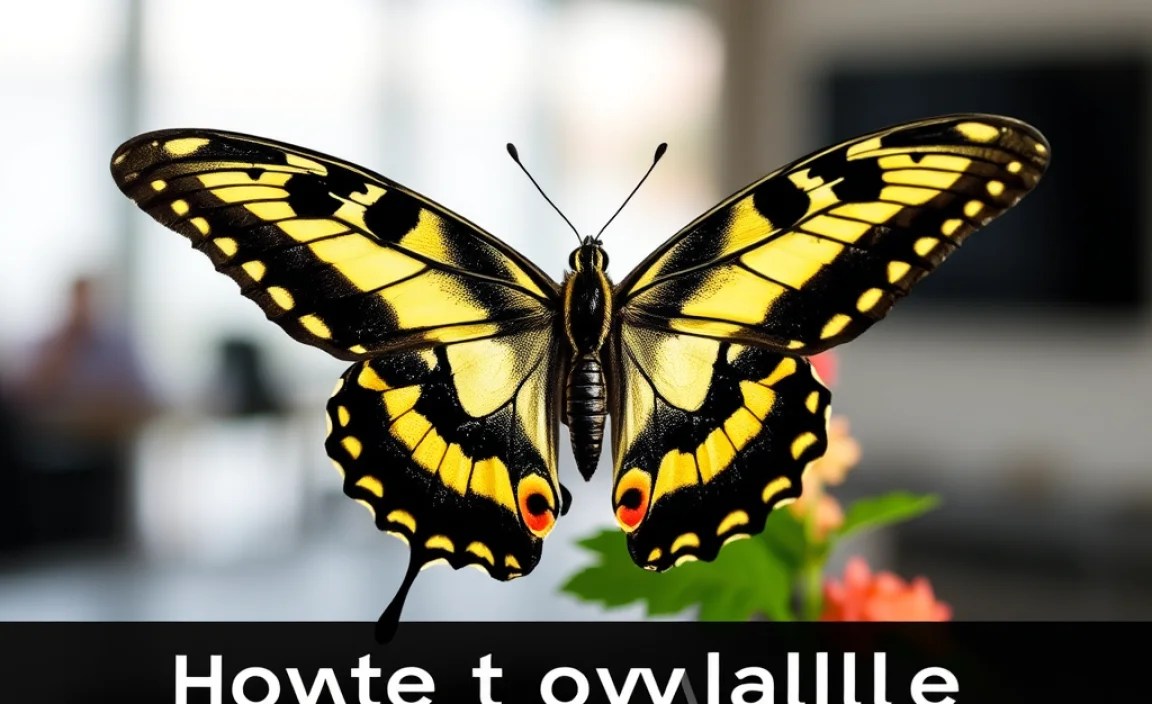
Swallowtail butterflies belong to the family Papilionidae, one of the most recognizable and beloved groups of butterflies in the world. Known for their striking colors, large size, and the characteristic “tails” on their hindwings (which give them their name, reminiscent of the forked tails of swallow birds), these butterflies are a welcome sight in gardens and natural habitats alike. They play a crucial role in pollination and are indicators of a healthy environment.
Why Identify Swallowtail Butterflies?
Identifying swallowtail butterflies isn’t just a fun hobby; it also deepens your connection with nature. By learning to distinguish between different species, you can:
- Appreciate biodiversity: Discover the incredible variety of life around you.
- Contribute to citizen science: Report your sightings to help track butterfly populations and distributions.
- Support conservation: Understand the needs of specific species and how to protect their habitats.
- Enhance your gardening: Attract specific swallowtails by planting their favorite host plants and nectar sources.
Key Characteristics of Swallowtail Butterflies

To accurately identify swallowtail butterflies, focus on these key features:
1. Size and Shape
Swallowtails are generally large butterflies, with wingspans ranging from 2 to 6 inches (5 to 15 cm). Their wings are triangular or kite-shaped, and the hindwings have distinctive tails. However, the size and shape can vary between species, so consider this in conjunction with other characteristics.
2. Wing Color and Pattern
This is often the most obvious and helpful characteristic. Swallowtails exhibit a wide range of colors and patterns, including:
- Yellow and Black: Many species have a base color of yellow with black stripes or markings (e.g., Eastern Tiger Swallowtail).
- Black with Iridescent Patches: Some species are predominantly black with iridescent blue, green, or red patches (e.g., Pipevine Swallowtail).
- Bright Colors: Others may display vibrant colors like orange, red, or blue (e.g., Polydamas Swallowtail).
Pay close attention to the specific patterns of stripes, spots, and bands on the wings. These patterns are often unique to each species.
3. Tail Morphology
The tails on the hindwings are a defining feature of swallowtails, but their shape and length can vary. Some species have long, slender tails, while others have short, broad tails or even lack tails altogether. Note the presence or absence of tails, as well as their shape and size, to help narrow down your identification.
4. Geographic Location
Knowing the geographic location where you observed the butterfly is crucial. Different swallowtail species are found in different regions. Consult field guides or online resources specific to your area to see which species are likely to occur there. For example, a Two-tailed Swallowtail is unlikely to be found in the eastern United States.
5. Host Plants and Habitat
Swallowtail caterpillars feed on specific host plants, and adult butterflies are often found near these plants. Knowing the host plants in your area can provide clues to the identity of the swallowtails you’re seeing. For example, Pipevine Swallowtails are typically found near pipevine plants (Aristolochia species), which their caterpillars feed on. Also consider the general habitat: are you in a forest, field, or garden?
Step-by-Step Guide to Identifying Swallowtail Butterflies
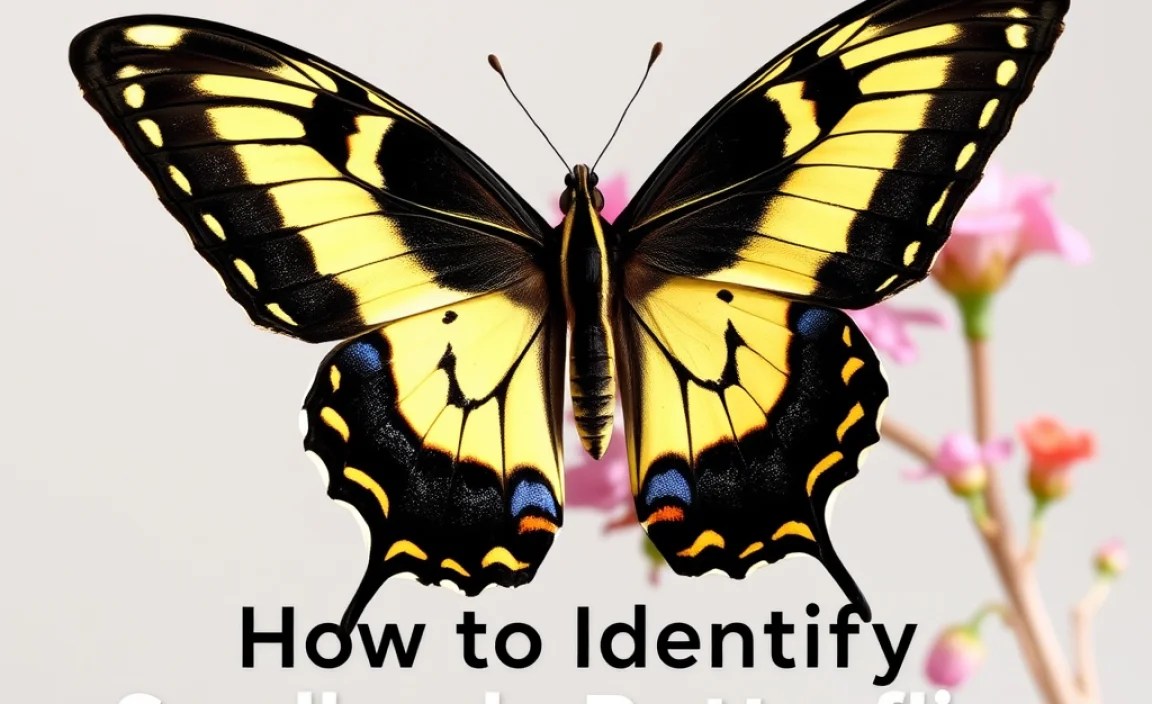
Follow these steps to confidently identify swallowtail butterflies:
Step 1: Observe the Butterfly
Take a moment to carefully observe the butterfly. Note its size, shape, color, and any distinctive markings. Pay attention to the presence and shape of the tails on its hindwings. If possible, take a photograph for later reference. Try to observe the butterfly while it is stationary, either feeding on nectar or resting on a leaf. This will give you a clearer view of its markings.
Step 2: Determine the Geographic Location
Identify the region where you observed the butterfly. This will help you narrow down the list of possible species. Use online resources or maps to determine your exact location and the common swallowtail species found in that area.
Step 3: Consult Field Guides and Online Resources
Use field guides specific to your region to compare your observations with known swallowtail species. Online resources like the Butterflies and Moths of North America (BAMONA) website or iNaturalist can also be helpful. Look for images and descriptions that match the butterfly you observed.
Step 4: Compare Key Characteristics
Compare the key characteristics you observed (size, shape, color, pattern, tail morphology) with the descriptions and images in your field guides or online resources. Pay close attention to the specific details of the wing patterns and markings. Look for distinguishing features that set each species apart. Use the table below as a reference.
Step 5: Consider Host Plants and Habitat
If possible, identify the host plants growing in the area where you observed the butterfly. This can provide additional clues to its identity. Also, consider the type of habitat (e.g., forest, field, garden) and whether it is typical for the species you suspect.
Step 6: Confirm Your Identification
Once you’ve narrowed down your options, double-check your identification by comparing multiple sources and considering all the available information. If possible, consult with experienced butterfly enthusiasts or experts for confirmation. Share your photos and observations on online forums or social media groups dedicated to butterfly identification.
Common Swallowtail Butterflies and Their Key Features
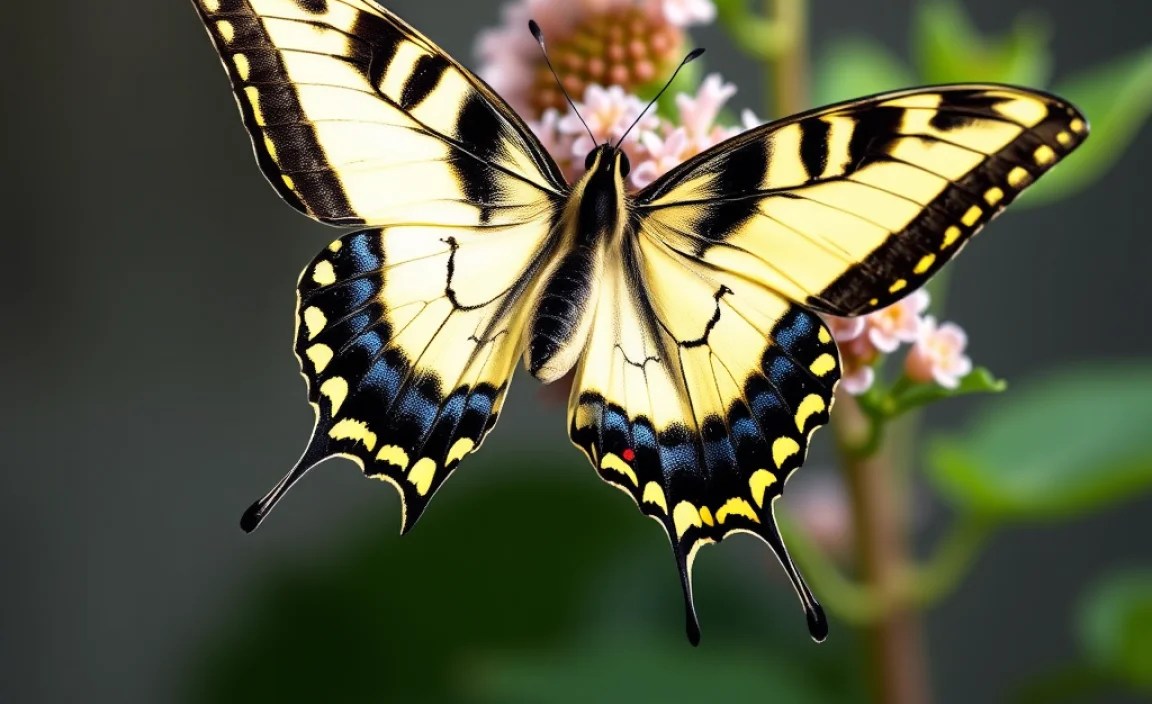
Here’s a table summarizing some common swallowtail butterflies and their key identifying features:
| Species | Geographic Location | Key Features | Host Plants |
|---|---|---|---|
| Eastern Tiger Swallowtail (Papilio glaucus) | Eastern North America | Yellow with black stripes; females may be black | Wild cherry, tulip tree, sweetbay |
| Black Swallowtail (Papilio polyxenes) | North America | Black with yellow spots; blue iridescent hindwings | Parsley, dill, fennel, carrot |
| Pipevine Swallowtail (Battus philenor) | North America | Black with iridescent blue hindwings; red spots on hindwings | Pipevine (Aristolochia species) |
| Giant Swallowtail (Papilio cresphontes) | North America | Large; black with yellow spots; “tiger stripe” pattern | Citrus, prickly ash, hop tree |
| Two-tailed Swallowtail (Papilio multicaudata) | Western North America | Yellow with black stripes; two tails on each hindwing | Cherry, ash, willow |
| Anise Swallowtail (Papilio zelicaon) | Western North America | Black with yellow bands; blue and orange spots on hindwings | Anise, fennel, parsley |
| Spicebush Swallowtail (Papilio troilus) | Eastern North America | Black with pale green or yellow markings; blue iridescent hindwings | Spicebush, sassafras |
Tips for Successful Butterfly Identification
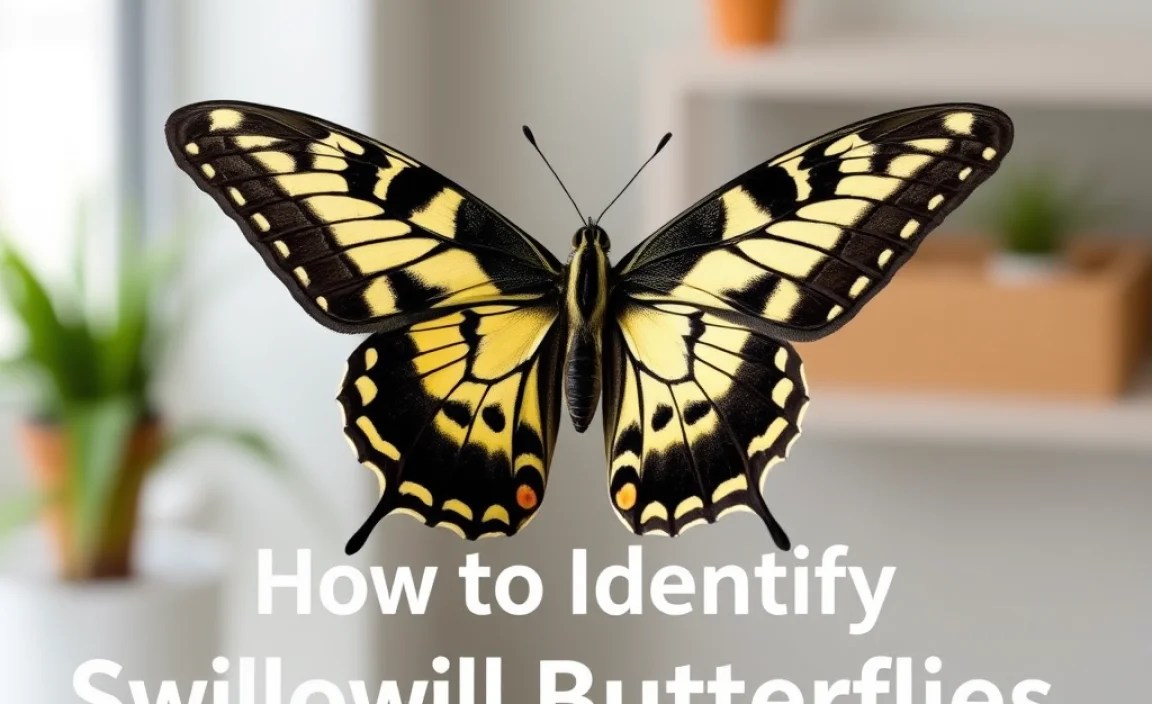
Here are some additional tips to improve your butterfly identification skills:
- Use Binoculars: A good pair of binoculars can help you get a closer look at butterflies without disturbing them.
- Take Photos: Capture clear photos of the butterfly from different angles, focusing on key features like wing patterns and tail morphology.
- Keep a Field Journal: Record your observations, including the date, time, location, and any relevant details about the butterfly and its habitat.
- Join a Butterfly Club: Connect with other butterfly enthusiasts and experts in your area.
- Practice Regularly: The more you observe and identify butterflies, the better you’ll become at it.
Attracting Swallowtail Butterflies to Your Garden
One of the best ways to see and identify swallowtail butterflies is to attract them to your garden. Here’s how:
- Plant Host Plants: Provide the host plants that swallowtail caterpillars need to survive. Some popular choices include parsley, dill, fennel (for Black Swallowtails), pipevine (for Pipevine Swallowtails), and citrus trees (for Giant Swallowtails).
- Provide Nectar Sources: Plant a variety of nectar-rich flowers that adult butterflies can feed on. Good choices include butterfly bush, zinnias, milkweed, and coneflowers.
- Create a Butterfly-Friendly Habitat: Provide sunny areas for basking, shelter from the wind, and a shallow dish of water for drinking.
- Avoid Pesticides: Pesticides can harm or kill butterflies and other beneficial insects. Choose organic gardening methods to protect your butterfly visitors.
The Significance of Swallowtail Butterflies
Swallowtail butterflies hold cultural and ecological significance around the world. They are symbols of transformation, beauty, and hope. In many cultures, butterflies are associated with the soul or spirit. Ecologically, they play an important role in pollination and are indicators of a healthy environment. Their presence or absence can reflect the overall health of an ecosystem. By protecting swallowtail butterflies and their habitats, we can help ensure the well-being of our planet.
Resources for Further Learning
Here are some resources to deepen your knowledge of swallowtail butterflies:
- Books:
- “Butterflies of North America” by Jim P. Brock and Kenn Kaufman
- “National Audubon Society Field Guide to Butterflies” by Robert Michael Pyle
- Websites:
- Butterflies and Moths of North America (BAMONA): www.butterfliesandmoths.org
- The Xerces Society for Invertebrate Conservation: xerces.org
- Organizations:
- North American Butterfly Association (NABA): www.naba.org
FAQ: Identifying Swallowtail Butterflies
Here are some frequently asked questions about identifying swallowtail butterflies:
- What is the easiest way to identify a swallowtail butterfly?
- The easiest way is to note its size, color patterns, and the presence of “tails” on its hindwings. Compare these features with images in a field guide or online resource for your geographic area.
- Do all swallowtail butterflies have tails?
- No, not all swallowtail butterflies have tails. Some species have very short tails or lack them altogether. The shape and size of the tails can also vary between species.
- What do swallowtail caterpillars eat?
- Swallowtail caterpillars feed on specific host plants, which vary depending on the species. Some common host plants include parsley, dill, fennel, pipevine, citrus trees, and spicebush.
- How can I attract swallowtail butterflies to my garden?
- You can attract swallowtail butterflies by planting their host plants and nectar sources, providing a butterfly-friendly habitat, and avoiding pesticides.
- What is the difference between a male and female swallowtail butterfly?
- The differences between male and female swallowtail butterflies vary by species. In some species, the females have different color patterns or lack certain markings found in the males. For example, female Eastern Tiger Swallowtails can be either yellow or black, while males are always yellow.
- Are swallowtail butterflies endangered?
- While most swallowtail butterflies are not currently endangered, some species face threats from habitat loss, pesticide use, and climate change. Supporting conservation efforts and protecting their habitats is essential.
- Where can I report my swallowtail butterfly sightings?
- You can report your swallowtail butterfly sightings to online databases like Butterflies and Moths of North America (BAMONA) or iNaturalist. Your observations can help track butterfly populations and distributions.
Conclusion
Identifying swallowtail butterflies is a rewarding experience that connects you with the beauty and wonder of nature. By learning to recognize the key characteristics of these stunning insects, you can deepen your appreciation for biodiversity, contribute to citizen science, and support conservation efforts. So, grab your binoculars, field guide, and camera, and head out into your garden or local park to discover the fascinating world of swallowtail butterflies. Happy butterflying!


