
How to Identify Pygmy Butterflies: Easy Guide

Have you ever seen a tiny butterfly? Some are so small! They are called pygmy butterflies. These little flyers are super cool. But how to identify pygmy butterflies? It can be tricky because they are so small. Let’s learn about these mini marvels.
Butterflies are all around us. They flutter in gardens and parks. Spotting a pygmy butterfly is special. It’s like finding a tiny treasure. Are you ready to become a pygmy butterfly expert? Let’s explore their world.
These butterflies are smaller than your fingernail. They have unique markings. Knowing what to look for helps. This guide will teach you all about it. You will learn how to identify pygmy butterflies easily.
Key Takeaways
- Identifying pygmy butterflies involves noting their minuscule size and distinct wing patterns.
- Look for copper or brown colors and small tails on their hindwings to ID them.
- Check common habitats such as gardens, meadows, and near specific host plants.
- Observe their flight patterns, which are often quick and close to the ground.
- Use a magnifying glass and field guide to confirm how to identify pygmy butterflies correctly.
How to Identify Pygmy Butterflies: Size Matters

Pygmy butterflies are famous for their tiny size. They are among the smallest butterflies in the world. Most have a wingspan of only about half an inch. That’s smaller than your thumbnail! Their small size is the first clue. It helps you know you are looking at a pygmy butterfly. Other small butterflies exist. But pygmy butterflies are exceptionally tiny. Size is the most important factor. It sets them apart from other butterflies. These small creatures are delicate. Always be gentle when observing them. Their tiny size makes them special. Remember to look closely. You might miss them otherwise. Knowing their size is the first step. It is the key to how to identify pygmy butterflies.
- Check the wingspan: about 0.5 inches.
- Compare its size to common insects.
- Note if it looks smaller than other butterflies.
- Use a ruler for a more accurate measurement.
- Consider that females might be slightly larger.
Size isn’t everything, though. Other things help you identify them too. Color, markings, and behavior are important. Pygmy butterflies are truly fascinating. Their tiny size is amazing. They prove that even small things can be beautiful. They play a vital role in our ecosystem. They pollinate flowers like bigger butterflies do. Their small size does not make them less important. It makes them even more special. People love to study them. They are a wonder of nature. Remember their size when you’re outside. You might just spot one. You will know how to identify pygmy butterflies.
Fun Fact or Stat: The Western Pygmy Blue is one of the smallest butterflies in the world, with a wingspan of only about 0.5 inches!
What Is the Average Size of Pygmy Butterflies?
Do you know how tiny a pygmy butterfly really is? Imagine a small paperclip. A pygmy butterfly is about that size. Most pygmy butterflies have a wingspan of around half an inch. Some may be a bit smaller or larger. But generally, they are tiny. This small size helps them hide from predators. It also lets them live in small spaces. Their size is a key part of how to identify pygmy butterflies. It is what makes them unique and special. Think about how amazing it is that such a small creature can fly and live its life.
How Does Their Size Compare to Other Butterflies?
Imagine a big monarch butterfly. Then imagine a tiny pygmy butterfly. The difference is huge! Monarchs can have wingspans of four inches or more. Pygmy butterflies are only about half an inch. That’s eight times smaller! This size difference is very noticeable. It helps you tell them apart easily. Other small butterflies exist. But they are usually bigger than pygmy butterflies. This makes size a really important clue. It helps you figure out how to identify pygmy butterflies. Always compare sizes when you’re looking at butterflies.
Why Is Their Small Size Important?
Have you ever wondered why being small matters? For pygmy butterflies, it’s a big deal. Their small size helps them survive. They can hide easily from birds and other predators. They can also live in places bigger butterflies can’t. Small size also means they don’t need much food. They can survive on tiny amounts of nectar. Their size is important for their whole life. It affects where they live and what they eat. So, when you think about how to identify pygmy butterflies, remember that their size is more than just a fun fact. It’s key to their survival.
Wing Patterns and Colors for Identification

Pygmy butterflies have beautiful wings. Their patterns and colors are important clues. They help you identify them correctly. Many pygmy butterflies have copper or brown wings. Some have blue or gray colors. The Western Pygmy Blue is a good example. It has blue wings with dark edges. Others have spots or stripes on their wings. These markings are unique to each type. Look closely at the patterns. Use a magnifying glass if you need to. The patterns can be very small and detailed. They are important when figuring out how to identify pygmy butterflies. The colors and patterns help them blend in. This protects them from predators. They also attract mates. The wings are like a tiny work of art. They show the beauty of nature.
- Note the main color of the wings.
- Look for spots, stripes, or other markings.
- Check the edges of the wings for patterns.
- Use a field guide to compare patterns.
- Observe the colors in different light conditions.
Wing patterns are not always the same. They can vary a bit between individuals. Some pygmy butterflies have brighter colors. Others have more muted tones. This can make identification tricky. It’s important to look at other features too. Size, shape, and behavior all matter. Some pygmy butterflies look very similar. But their wing patterns are slightly different. Learning these differences takes practice. But it’s worth it. You will be able to impress your friends. You will know how to identify pygmy butterflies like a pro. The wings are a window into their world. They tell a story about survival and beauty.
Fun Fact or Stat: The wing patterns of pygmy butterflies can change slightly depending on their diet and environment!
What Are Common Wing Colors?
When you look at pygmy butterflies, what colors do you see? Many have shades of brown, copper, or gray. Some, like the Western Pygmy Blue, show vibrant blue hues. These colors help them blend into their surroundings. They make it harder for predators to spot them. The colors also play a role in attracting mates. Male and female butterflies may have different colors. This helps them recognize each other. So, pay close attention to the colors. They’re a key part of how to identify pygmy butterflies.
Do the Patterns Vary Between Types?
Yes, the patterns on their wings can vary a lot. Each type of pygmy butterfly has its own unique design. Some have simple spots, while others have complex stripes. The patterns can be very tiny and detailed. You might need a magnifying glass to see them clearly. These variations are important for identification. They help you tell one type of pygmy butterfly from another. So, take your time and look closely. You’ll start to notice the differences. This is how to identify pygmy butterflies accurately.
How Do Colors and Patterns Help Them Survive?
Imagine you’re a tiny butterfly trying to hide. Colors and patterns are your best friends. They help you blend in with leaves, flowers, and bark. This makes it harder for birds and other predators to see you. Some patterns even look like eyes. These can startle predators and give you time to escape. Colors also play a role in attracting mates. Bright colors can signal that you’re healthy and ready to reproduce. So, colors and patterns aren’t just pretty. They’re essential for survival. Understanding this helps you appreciate how to identify pygmy butterflies and why they look the way they do.
Key Wing Shape Features to Observe
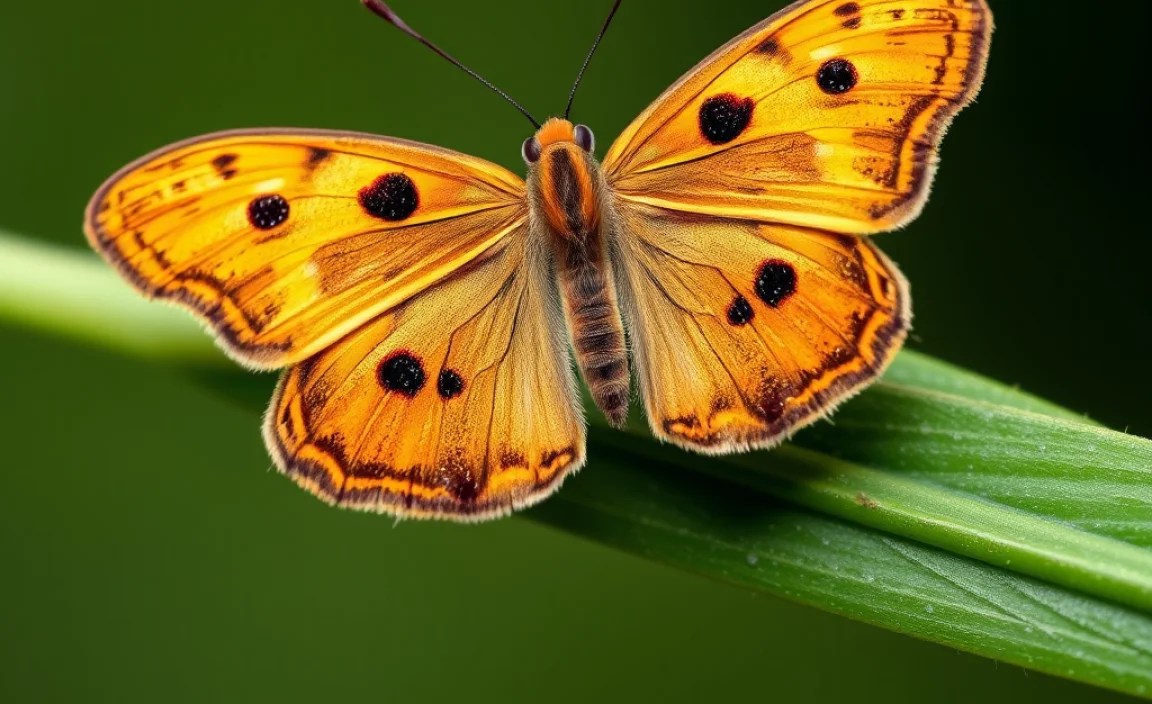
The shape of a butterfly’s wings is also important. It helps you identify different types. Pygmy butterflies often have rounded wings. Some have small tails on their hindwings. These tails are like tiny extensions. They can be hard to see. But they are a key feature. Look closely at the edges of the wings. Are they smooth or jagged? Do they have any points or curves? The shape of the wings affects how they fly. It also helps them blend in. Some shapes mimic leaves or bark. This helps them hide from predators. The wing shape is a clue to how to identify pygmy butterflies. It is another piece of the puzzle. Pay attention to the details. They can make all the difference.
| Feature | Description | Importance |
|---|---|---|
| Wing Shape | Rounded or slightly angular | Helps differentiate from other small butterflies |
| Hindwing Tails | Small, thin extensions | Distinctive feature for certain pygmy species |
| Wing Edges | Smooth or slightly scalloped | Can indicate specific species |
| Size Ratio | Proportion of forewing to hindwing | Useful for accurate identification |
| Wing Angle | Angle at which wings meet the body | Subtle but helpful for species differentiation |
Wing shape can change slightly. It depends on the butterfly’s age. It also depends on the environment. But the basic shape stays the same. This makes it a reliable feature. Look at many different pictures. Compare them to what you see. Practice identifying the different shapes. You will become an expert in no time. Knowing how to identify pygmy butterflies is fun. It helps you appreciate nature more. The wing shapes are like fingerprints. They are unique to each type. They tell a story about evolution and adaptation.
Fun Fact or Stat: The wing shape of a butterfly can affect its flight speed and maneuverability!
What Are the Common Wing Shapes?
Pygmy butterflies usually have rounded wings. Some have wings that are more angular. These shapes help them fly in different ways. Rounded wings are good for fluttering. Angular wings are good for quick movements. Look closely at the wing shape. It can tell you a lot about the butterfly. It can also help you understand how to identify pygmy butterflies more easily.
Do Pygmy Butterflies Have Tails?
Some pygmy butterflies do have tails. These tails are small and delicate. They stick out from the hindwings. Not all pygmy butterflies have them. But if you see a tail, it’s a good clue. It means you might be looking at a certain type. Always check for tails when you’re trying to figure out how to identify pygmy butterflies.
How Does Wing Shape Affect Their Flight?
Have you ever wondered how wing shape affects flight? Rounded wings help butterflies flutter gently. Angular wings help them move quickly. Pygmy butterflies often fly close to the ground. Their wing shape helps them do this easily. It lets them dodge predators and find food. So, wing shape isn’t just about looks. It’s about survival. Knowing this can help you understand how to identify pygmy butterflies and appreciate their adaptations.
Where Do Pygmy Butterflies Live?
Knowing where to look helps a lot. Pygmy butterflies live in many places. They like gardens, meadows, and open fields. They also live near specific plants. These plants are their host plants. The butterflies lay eggs on them. The caterpillars eat the leaves. Look for these plants when searching. Check areas with lots of sunlight. Pygmy butterflies love warm places. They are more active on sunny days. Knowing their habitat is important. It helps you know where to find them. It makes it easier to figure out how to identify pygmy butterflies. You are more likely to find them. If you look in the right places.
- Search in gardens with nectar-rich flowers.
- Check meadows and open fields.
- Look near their specific host plants.
- Visit sunny areas during warm days.
- Explore areas with low-growing vegetation.
Their habitat is important for their survival. It provides food and shelter. It also protects them from predators. Some pygmy butterflies are very picky. They only live in certain habitats. Others are more adaptable. They can live in many different places. Learning about their habitat helps you understand them. It also helps you protect them. We need to protect their homes. This will ensure they can survive. They will continue to brighten our world. Knowing how to identify pygmy butterflies is the first step. It helps us appreciate their importance.
Fun Fact or Stat: Some pygmy butterflies are only found in specific regions due to their dependence on particular host plants!
What Type of Habitats Do They Prefer?
Pygmy butterflies love sunny, open spaces. You can find them in gardens with lots of flowers. They also live in meadows and fields. These places offer plenty of food and sunlight. Some pygmy butterflies are picky about their habitat. They need specific plants to survive. Knowing their preferences helps you find them. It’s a key part of how to identify pygmy butterflies.
Are They Found in Urban Areas?
Yes, you can sometimes find them in cities. They might live in parks or gardens. These areas offer small patches of habitat. They need flowers and host plants. But urban areas can be tough for them. There are fewer natural spaces. Pollution can also be a problem. If you create a butterfly-friendly garden, you can help them. You can also learn how to identify pygmy butterflies right in your own backyard.
What Are Their Host Plant Preferences?
Host plants are very important to pygmy butterflies. They are the plants where the butterflies lay their eggs. The caterpillars eat these plants when they hatch. Different pygmy butterflies like different host plants. Some prefer legumes like beans and peas. Others like plants in the buckwheat family. Knowing their host plant preferences helps you find them. It’s a key part of how to identify pygmy butterflies and protect their habitats.
Observe Their Flight Patterns Closely

Pygmy butterflies have unique flight patterns. They often fly low to the ground. Their flight is quick and jerky. They dart from flower to flower. They don’t glide like bigger butterflies. Their small size affects how they fly. They are more affected by the wind. This makes their flight seem erratic. Watch them closely as they move. Note their speed and direction. This can help you identify them. It’s another clue to how to identify pygmy butterflies. Their flight is like a tiny dance. It is a joy to watch.
- Note if they fly close to the ground.
- Observe if their flight is quick and jerky.
- Check if they dart between flowers.
- Compare their flight to other butterflies.
- Look for erratic movements due to wind.
Flight patterns can change depending on the weather. On windy days, they may stay low. They will seek shelter among the plants. On calm days, they may fly higher. They will explore more of their habitat. Pay attention to the time of day. Pygmy butterflies are most active in the sun. They are less active in the shade. Learning their flight patterns takes time. But it’s a fun way to learn. You will become more observant. You will be better at how to identify pygmy butterflies. Their flight is a sign of life. It is a reminder of the beauty of nature.
Fun Fact or Stat: Pygmy butterflies’ erratic flight patterns help them avoid predators!
How Fast Do They Fly?
Pygmy butterflies are fast little flyers. They dart around quickly. They can be hard to follow with your eyes. Their speed helps them escape danger. It also helps them find food. They need to be quick to survive. Their speed is part of what makes them special. It is also helpful when learning how to identify pygmy butterflies.
Do They Fly Differently Than Other Butterflies?
Yes, their flight is very different. Bigger butterflies often glide. They float through the air gracefully. Pygmy butterflies flutter more. They move in short, jerky bursts. Their small size makes a big difference. They are more affected by the wind. This makes their flight less predictable. This unique flight pattern is a clue. It helps you recognize them. It’s part of how to identify pygmy butterflies.
How Does Weather Affect Their Flight?
Weather plays a big role in their flight. On windy days, they stay close to the ground. They seek shelter from the wind. On sunny, calm days, they fly higher. They explore their surroundings more. Rain can also affect them. They often hide under leaves during rain. Paying attention to the weather helps you find them. It also helps you understand their behavior. You can learn how to identify pygmy butterflies in different conditions.
Using Field Guides and Magnifying Glasses
Field guides are helpful tools. They show pictures and descriptions. They help you identify butterflies. A magnifying glass is also useful. It lets you see small details. Pygmy butterflies are tiny. You will need help to see them. Field guides have information about size and color. They also have information about habitat. They can teach you how to identify pygmy butterflies. A magnifying glass helps you see wing patterns. It also helps you see other small features. Use both tools together. You will become a butterfly expert.
- Purchase a good field guide for your region.
- Use a magnifying glass to see wing details.
- Compare your observations to the guide.
- Read about their habitat and behavior.
- Practice using the tools together.
Field guides are not always perfect. Butterfly appearances can vary. Colors and patterns can change. This can make identification tricky. Always use multiple clues. Look at size, shape, and color. Observe their flight and habitat. Combine all your observations. This will help you identify them correctly. Learning how to identify pygmy butterflies is a skill. It takes practice and patience. But it’s worth it. You will discover a new world. You will appreciate the beauty of nature.
Fun Fact or Stat: Early field guides often contained hand-drawn images, making each guide a unique work of art!
What Should a Good Field Guide Include?
A good field guide should have clear pictures. It should also have detailed descriptions. It should include information about size. It should also include information about color. Habitat and behavior are important too. Look for a guide that covers your region. This will help you identify local butterflies. A good field guide makes it easier to learn. It helps you learn how to identify pygmy butterflies accurately.
How Does a Magnifying Glass Help?
A magnifying glass lets you see small details. It helps you see wing patterns clearly. It also helps you see other tiny features. These details are important for identification. They can help you tell different types apart. A magnifying glass is a must-have tool. It is helpful when learning how to identify pygmy butterflies.
Are There Online Resources Available?
Yes, there are many online resources. Websites and apps can help you. They often have pictures and information. Some apps let you upload photos. They will identify the butterfly for you. But be careful. Online resources are not always accurate. Always double-check the information. Use multiple sources to confirm. This will help you learn how to identify pygmy butterflies correctly.
Summary
Pygmy butterflies are tiny and fascinating insects. They are smaller than your fingernail. How to identify pygmy butterflies? Start by noting their small size. Look for unique wing patterns. Many have copper or brown colors. Some have small tails on their hindwings. Check common habitats like gardens and meadows. Observe their flight patterns. They are often quick and close to the ground. Use a field guide and magnifying glass to help. Remember, practice makes perfect. The more you observe, the better you will become. These tiny creatures are a wonder of nature. Appreciate their beauty and protect their habitats.
Conclusion
Pygmy butterflies are small but special. They have unique features. Knowing these features helps you identify them. Look for their tiny size. Check their wing patterns and colors. Observe their flight and habitat. Use field guides and magnifying glasses. With practice, you can become an expert. Learning how to identify pygmy butterflies is fun. It helps you appreciate nature’s wonders.
Frequently Asked Questions
Question No 1: What makes pygmy butterflies so unique?
Answer: Pygmy butterflies are unique because of their incredibly small size. Most have a wingspan of only about half an inch. This makes them some of the smallest butterflies in the world. Their tiny size allows them to live in small spaces. It also helps them hide from predators. Their unique wing patterns and colors also set them apart. Knowing how to identify pygmy butterflies starts with recognizing their miniature stature and appreciating their delicate beauty.
Question No 2: How can I attract pygmy butterflies to my garden?
Answer: To attract pygmy butterflies, plant nectar-rich flowers. Choose flowers that are small and easy for them to feed on. Include their host plants in your garden. These are the plants where they lay their eggs. Avoid using pesticides. They can harm the butterflies and their caterpillars. Provide a water source, such as a shallow dish of water. Create a sunny and sheltered environment. This will encourage them to visit and stay. Creating the right habitat makes it easier to learn how to identify pygmy butterflies in your own backyard.
Question No 3: Are pygmy butterflies endangered?
Answer: The conservation status of pygmy butterflies varies. It depends on the species and their location. Some species are common and widespread. Others are rare and threatened. Habitat loss is a major threat to many butterflies. Climate change can also affect their populations. Protecting their habitats is important for their survival. You can help by creating butterfly-friendly gardens. You can also support conservation efforts. Knowing how to identify pygmy butterflies helps us understand their needs and protect them better.
Question No 4: What is the lifespan of a pygmy butterfly?
Answer: The lifespan of a pygmy butterfly is usually short. Most live only a few weeks as adults. Their life cycle includes egg, larva (caterpillar), pupa (chrysalis), and adult stages. The adult stage is focused on reproduction. They need to find mates and lay eggs quickly. The caterpillars spend their time eating and growing. The pupa stage is a time of transformation. Understanding their life cycle helps you appreciate them more. You can also better understand how to identify pygmy butterflies at different stages of their lives.
Question No 5: How do pygmy butterflies protect themselves from predators?
Answer: Pygmy butterflies use several strategies to avoid predators. Their small size helps them hide easily. Their wing patterns and colors provide camouflage. They blend in with their surroundings. Their quick, erratic flight makes it hard for predators to catch them. Some have false eyespots on their wings. These can startle predators and give them time to escape. Their survival depends on these adaptations. Recognizing these adaptations is part of how to identify pygmy butterflies and understand their behavior.
Question No 6: Can pygmy butterflies migrate like monarch butterflies?
Answer: Most pygmy butterflies do not migrate long distances. Monarch butterflies are famous for their long migrations. Pygmy butterflies usually stay within a small area. They may move locally to find food or better habitat. But they don’t undertake long journeys. Their small size makes long migrations difficult. They are more vulnerable to weather and predators. So, understanding their local movements is key to how to identify pygmy butterflies and protect their habitats.


