
Identify Butterfly Species in Arizona: A Quick Guide

Have you ever seen a butterfly in Arizona? Arizona is home to many kinds of butterflies. It can be fun to identify butterfly species in Arizona. Some butterflies are big and bright. Others are small and plain. Do you want to learn more about Arizona butterflies?
Butterflies are insects. They have six legs and wings. The wings are often very colorful. Butterflies start as caterpillars. Then they change into butterflies. This change is called metamorphosis. Arizona’s warm weather is perfect for butterflies.
Many people like to watch butterflies. Some people even collect them. They want to identify butterfly species in Arizona. It can be a fun hobby. You can learn a lot about nature. You can also help scientists by reporting what you see.
This article will help you learn about butterflies. We will talk about different types of butterflies. We will also discuss where to find them. You will learn how to identify butterfly species in Arizona. Get ready to explore the world of butterflies!
Key Takeaways
- Learning to identify butterfly species in Arizona enhances your understanding of local biodiversity.
- Arizona’s diverse habitats support a wide array of butterfly species with unique patterns.
- Key characteristics like wing color, size, and markings aid in butterfly identification.
- Field guides and online resources can help you accurately name different butterflies.
- Butterfly watching is a fun way to connect with nature and learn about insects.
How to Identify Butterfly Species in Arizona

Identifying butterfly species in Arizona can be an exciting adventure. Arizona has many different habitats. These habitats include deserts, mountains, and forests. Each habitat has its own special butterflies. To start, you will need a good field guide. A field guide shows pictures of different butterflies. It also tells you about their size and color. You can also use online resources. These resources often have photos and descriptions. Pay attention to the butterfly’s wings. Notice the colors and patterns. Look at the shape of the wings. Some butterflies have tails. Others have spots or stripes. Also, consider where you see the butterfly. Some butterflies live only in certain areas. By using these tips, you can learn to identify butterfly species in Arizona.
- Use a field guide with pictures and descriptions.
- Observe the colors and patterns on the wings.
- Note the size and shape of the butterfly.
- Check the location where you found it.
- Compare your observations to the field guide.
- Take photos to help you remember the details.
When you go butterfly watching, be patient. Butterflies can be hard to spot. They often fly quickly. They also blend in with their surroundings. Bring a notebook and a pen. Write down what you see. Draw a picture of the butterfly. This will help you remember it later. Be respectful of the environment. Do not disturb the butterflies or their habitat. Stay on trails. Do not pick flowers. Remember, butterflies are important for our ecosystem. They help pollinate plants. By learning to identify butterfly species in Arizona, you can help protect them.
What Tools Help Identify Butterflies?
What tools do you need to identify butterfly species in Arizona? A good field guide is essential. A field guide has pictures and descriptions. Binoculars can help you see butterflies from a distance. A camera is useful for taking pictures. You can use the pictures to identify the butterfly later. A notebook and pen are helpful for taking notes. You can write down the butterfly’s colors, size, and location. Some people use butterfly nets. However, be careful when using a net. You do not want to hurt the butterfly. Online resources can also be helpful. There are many websites and apps that can help you identify butterflies. These tools can make butterfly watching more fun and educational.
Where to Find Butterfly Guides?
Where can you find butterfly guides? You can find them at bookstores. Many nature centers also sell field guides. Online retailers have a wide selection. Libraries often have books about butterflies. Look for guides that focus on Arizona. These guides will have the most accurate information. Check the publication date of the guide. Make sure it is up-to-date. Older guides may not have the latest information. Some guides are designed for beginners. Others are more advanced. Choose a guide that matches your skill level. You can also find online guides and resources. Many websites offer free information about butterflies. These resources can be a great way to learn more.
How to Use a Butterfly Guide?
How do you use a butterfly guide? First, look at the pictures. Find a picture that looks like the butterfly you saw. Read the description of the butterfly. Pay attention to the size, color, and markings. Compare the description to what you saw. Note the location where you found the butterfly. Some butterflies live only in certain areas. Use the guide to narrow down the possibilities. If you are not sure, take a picture. You can look at the picture later. You can also ask an expert for help. Many butterfly enthusiasts are happy to share their knowledge. Learning to use a butterfly guide takes practice. The more you use it, the better you will become at identify butterfly species in Arizona.
Fun Fact or Stat: Arizona is home to over 300 species of butterflies, making it a hotspot for butterfly diversity in the United States!
Common Arizona Butterfly Species

Arizona has many common butterfly species. The Monarch is a well-known butterfly. It has orange wings with black lines. The Queen butterfly looks similar to the Monarch. But it has a darker color. The Pipevine Swallowtail is black with blue markings. It is a beautiful butterfly. The Painted Lady is orange and brown. It is found all over the world. The Western Tiger Swallowtail is yellow with black stripes. It is a large and impressive butterfly. The Cloudless Sulphur is bright yellow. It is often seen flying in gardens. These are just a few of the common butterflies. Identify butterfly species in Arizona can be fun. Each butterfly has its own unique characteristics. Learning about them is a great way to connect with nature.
- Monarch: Orange wings with black lines.
- Queen: Darker than the Monarch.
- Pipevine Swallowtail: Black with blue markings.
- Painted Lady: Orange and brown, found worldwide.
- Western Tiger Swallowtail: Yellow with black stripes.
- Cloudless Sulphur: Bright yellow.
When you see a butterfly, take a closer look. Notice the details of its wings. Look at the colors and patterns. Pay attention to its size and shape. Try to remember where you saw it. This information will help you identify the butterfly. You can also use a field guide to help you. Compare the butterfly to the pictures in the guide. Read the descriptions to learn more about it. Butterfly watching is a great way to spend time outdoors. It is also a fun way to learn about nature. By learning to identify butterfly species in Arizona, you can appreciate the beauty and diversity of these amazing insects.
The Monarch Butterfly
Have you ever seen a Monarch butterfly? It is one of the most famous butterflies in the world. Monarchs are known for their long migration. They travel thousands of miles each year. They fly from Canada and the United States to Mexico. In Mexico, they spend the winter in large groups. Monarchs have orange wings with black lines. They also have white spots on the edges of their wings. Monarch caterpillars eat milkweed plants. Milkweed is essential for their survival. The Monarch population has been declining in recent years. This is due to habitat loss and climate change. We can help protect Monarchs by planting milkweed and reducing pesticide use.
The Queen Butterfly
The Queen butterfly is similar to the Monarch. But it has some key differences. Queen butterflies are darker in color. They also have white spots on their wings. The spots are more spread out than on a Monarch. Queen caterpillars also eat milkweed plants. Queen butterflies are found in the southern United States. They are also found in Central and South America. They are not migratory like Monarchs. Queen butterflies are important pollinators. They help plants reproduce. They are also a food source for other animals. Learning to identify butterfly species in Arizona includes recognizing the Queen butterfly.
The Pipevine Swallowtail Butterfly
Have you ever seen a Pipevine Swallowtail? It is a stunning butterfly. It has black wings with iridescent blue markings. The markings shimmer in the sunlight. Pipevine Swallowtail caterpillars eat pipevine plants. These plants are poisonous to other insects. But the caterpillars are immune to the poison. The poison makes the caterpillars and butterflies toxic to predators. This protects them from being eaten. Pipevine Swallowtails are found in many parts of North America. They are often seen in gardens and parks. Their beauty makes them a favorite among butterfly watchers. Recognizing the Pipevine Swallowtail helps identify butterfly species in Arizona.
Fun Fact or Stat: Monarch butterflies can travel up to 3,000 miles during their migration, one of the longest migrations of any insect!
Arizona Butterfly Habitats

Arizona’s diverse habitats support many butterfly species. Deserts are home to butterflies that can tolerate heat. Mountains provide cooler temperatures and different plants. Forests offer shade and a variety of food sources. Grasslands are ideal for butterflies that feed on grasses. Riparian areas, near rivers, attract butterflies with water and plants. Each habitat has its own unique butterflies. To identify butterfly species in Arizona, consider the habitat. Some butterflies are only found in specific areas. Understanding habitats helps you find and identify butterflies. Exploring these habitats can be a fun adventure. You can discover the amazing diversity of Arizona’s butterflies.
- Deserts: Home to heat-tolerant butterflies.
- Mountains: Cooler temperatures and unique plants.
- Forests: Shade and diverse food sources.
- Grasslands: Ideal for grass-feeding butterflies.
- Riparian Areas: Water and plants attract butterflies.
When you visit different habitats, be observant. Look for butterflies on flowers. Watch them as they fly around. Pay attention to the plants they are feeding on. Notice the overall environment. Is it hot and dry, or cool and moist? This will help you understand why certain butterflies live there. Respect the environment. Stay on trails. Do not disturb the plants or animals. Leave no trace behind. By protecting these habitats, you can help ensure that butterflies continue to thrive. Learning to identify butterfly species in Arizona also means understanding their habitats.
Butterflies in Desert Habitats
What kind of butterflies live in the desert? Desert butterflies are adapted to hot and dry conditions. They often have light-colored wings. This helps them reflect sunlight. Some desert butterflies are small and fast. This helps them avoid predators. Others are camouflaged to blend in with the desert landscape. Desert butterflies feed on desert plants. These plants include cacti, succulents, and wildflowers. Some desert butterflies are only active during the monsoon season. This is when there is more rain and more flowers. Look for butterflies near water sources. These areas often attract more butterflies. Knowing the plants helps identify butterfly species in Arizona.
Butterflies in Mountain Habitats
What about mountain butterflies? Mountain habitats offer cooler temperatures. They also have different plants than deserts. Mountain butterflies are often larger than desert butterflies. They need more energy to fly in the mountains. Mountain butterflies feed on wildflowers and trees. Some mountain butterflies are migratory. They move to lower elevations in the winter. Look for butterflies near streams and meadows. These areas provide water and food. Mountain butterflies are often more colorful than desert butterflies. Their bright colors help them attract mates. Exploring the mountains can help identify butterfly species in Arizona.
Butterflies in Forest Habitats
Forest habitats are home to many butterflies. Forests provide shade and shelter. They also have a variety of plants. Forest butterflies feed on trees, shrubs, and flowers. Some forest butterflies are camouflaged to blend in with the trees. Others have bright colors to attract mates. Forest butterflies are often found near streams and clearings. These areas provide sunlight and water. Look for butterflies on leaves and branches. They may be resting or feeding. Forests are a great place to identify butterfly species in Arizona. You can discover many different kinds of butterflies.
Fun Fact or Stat: The desert swallowtail is a butterfly that is perfectly adapted to survive in the harsh desert environment of Arizona!
Wing Patterns and Colors for Butterfly Identification
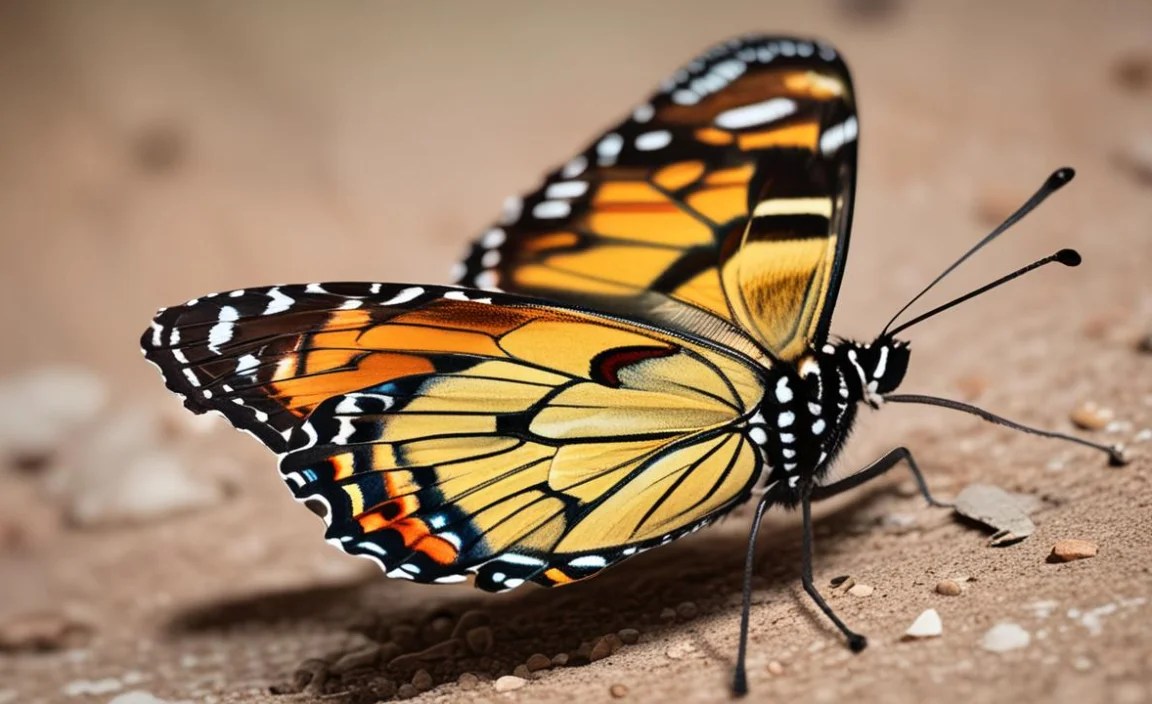
Wing patterns and colors are key to identify butterfly species in Arizona. Each butterfly has unique markings. These markings help them attract mates. They also help them camouflage. Some butterflies have bright colors. Others have dull colors. The patterns can be simple or complex. Look for spots, stripes, and lines. Notice the edges of the wings. Are they smooth or jagged? Pay attention to the underside of the wings. The underside can be different from the top. Use a field guide to compare the patterns and colors. This will help you narrow down the possibilities. Observing wing patterns and colors is a fun way to learn about butterflies.
- Spots: Look for the size, shape, and location of spots.
- Stripes: Note the color and direction of stripes.
- Lines: Pay attention to the thickness and pattern of lines.
- Edges: Observe whether the edges are smooth or jagged.
- Underside: Compare the underside to the top side.
- Color: Notice the overall color and any variations.
When you see a butterfly, take a close look at its wings. Use binoculars to get a better view. Take a picture if you can. This will help you remember the details later. Compare the butterfly to pictures in a field guide. Read the descriptions carefully. Look for clues about the butterfly’s habitat and behavior. Remember that some butterflies can look very similar. It may take practice to learn to tell them apart. But with patience and observation, you can become an expert at identify butterfly species in Arizona.
Spots and Markings on Butterfly Wings
Spots and markings are important for identification. Spots can be round, oval, or irregular. They can be different colors. Some butterflies have many spots. Others have only a few. Markings can include stripes, lines, and bands. They can be arranged in different patterns. Some markings are symmetrical. This means they are the same on both wings. Other markings are asymmetrical. This means they are different on each wing. Pay attention to the size and shape of the spots and markings. This will help you identify butterfly species in Arizona.
Color Variations in Arizona Butterflies
Color variations can be confusing. Some butterflies have different color forms. These forms can vary depending on the season. They can also vary depending on the location. Male and female butterflies can also have different colors. This is called sexual dimorphism. Some butterflies fade over time. Their colors become duller. Be aware of these variations when identifying butterflies. Use a field guide to help you. The guide will show you the different color forms. Understanding color variations helps identify butterfly species in Arizona.
Using Wing Patterns to Distinguish Species
Wing patterns are like fingerprints. Each butterfly species has its own unique pattern. These patterns can be used to distinguish between species. Look for key features, such as the number of spots. Notice the shape and size of the markings. Pay attention to the arrangement of the patterns. Compare the patterns to pictures in a field guide. Use the guide to narrow down the possibilities. Remember that some butterflies can look very similar. But their wing patterns will be slightly different. Learning to recognize these patterns is essential to identify butterfly species in Arizona.
Fun Fact or Stat: Some butterflies have eyespots on their wings to trick predators into thinking they are larger animals!
Butterfly Size and Shape as Identification Clues
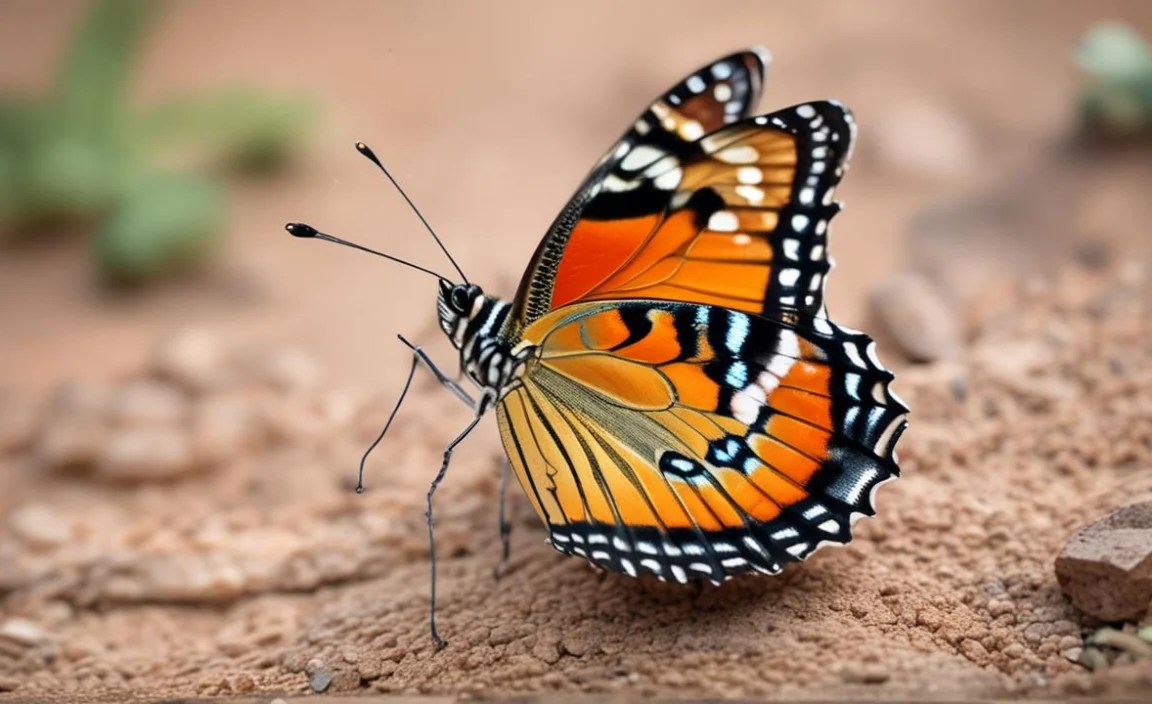
Butterfly size and shape can help you identify butterfly species in Arizona. Some butterflies are very small. Others are quite large. The size can be a helpful clue. The shape of the wings is also important. Some butterflies have rounded wings. Others have pointed wings. Some have wings with tails. The shape of the body can also vary. Some butterflies have slender bodies. Others have thick bodies. Consider the overall impression of the butterfly. Is it delicate and graceful, or strong and sturdy? Using size and shape can narrow down the possibilities. Combine these clues with wing patterns and colors for accurate identification.
- Size: Note whether the butterfly is small, medium, or large.
- Wing Shape: Observe if the wings are rounded or pointed.
- Tails: Check for the presence or absence of tails.
- Body Shape: Notice if the body is slender or thick.
- Overall Impression: Consider the butterfly’s general appearance.
When you are trying to identify a butterfly, use all the information available. Don’t just focus on the colors and patterns. Pay attention to the size and shape as well. Observe the butterfly in its natural habitat. How does it fly? What plants is it feeding on? What time of day is it active? All of these clues can help you identify the butterfly. Remember to be patient and persistent. Learning to identify butterfly species in Arizona takes time and practice. But it is a rewarding hobby that can bring you closer to nature.
Comparing Butterfly Sizes
Comparing butterfly sizes can be tricky. Some butterflies look bigger than they are. This is because of their wing shape. Others look smaller than they are. This is because of their body size. Use a ruler to measure the wingspan. The wingspan is the distance from one wingtip to the other. Compare the wingspan to the information in a field guide. The guide will give you the average size for each species. Remember that there can be some variation. But the size can still be a useful clue to identify butterfly species in Arizona.
Wing Shape Variations in Butterflies
Wing shape variations are diverse. Some butterflies have rounded wings. These wings are good for slow, fluttering flight. Other butterflies have pointed wings. These wings are good for fast, direct flight. Some butterflies have wings with tails. The tails can help them attract mates. They can also confuse predators. The shape of the wings can also be affected by the environment. Butterflies that live in windy areas may have stronger wings. Butterflies that live in shady areas may have larger wings. Paying attention to wing shape helps identify butterfly species in Arizona.
Body Shape and Its Role in Identification
Body shape is another important clue. Some butterflies have slender bodies. These bodies are good for flying long distances. Other butterflies have thick bodies. These bodies are good for storing energy. The shape of the body can also be affected by the butterfly’s diet. Butterflies that feed on nectar may have longer tongues. Butterflies that feed on other foods may have shorter tongues. Observe the body shape carefully. Compare it to the information in a field guide. Recognizing body shape helps identify butterfly species in Arizona.
Fun Fact or Stat: The wingspan of Arizona’s butterflies can range from less than an inch to over five inches, depending on the species!
Resources for Butterfly Identification in Arizona
Many resources can help you identify butterfly species in Arizona. Field guides are a great starting point. They provide pictures and descriptions of different butterflies. Online databases offer a wealth of information. Websites and apps can help you identify butterflies from photos. Local nature centers often have experts who can assist you. Butterfly clubs and organizations offer workshops and field trips. These resources can enhance your knowledge. They can also connect you with other butterfly enthusiasts. Take advantage of these resources. They will make your butterfly watching experience more enjoyable and educational.
- Field Guides: Provide pictures and descriptions.
- Online Databases: Offer a wealth of information.
- Websites and Apps: Identify butterflies from photos.
- Nature Centers: Experts can assist you.
- Butterfly Clubs: Workshops and field trips.
When using resources, be critical and compare information. Different sources may have different opinions. Some information may be outdated. Check the publication date of field guides. Look for websites that are updated regularly. Consider the source of the information. Is it a reliable expert or a hobbyist? Use multiple resources to confirm your identifications. Share your observations with others. Ask for feedback and suggestions. Learning to identify butterfly species in Arizona is an ongoing process. The more you learn, the more you will appreciate the beauty and diversity of these amazing insects.
Popular Butterfly Field Guides
What are some popular butterfly field guides? Several guides focus on butterflies in the Southwest. These guides often include Arizona. They provide detailed descriptions and photos. Look for guides that are easy to use. They should have clear pictures and concise information. Some guides are organized by color. Others are organized by family. Choose a guide that suits your learning style. Consider the size and weight of the guide. You will want something that is easy to carry in the field. A good field guide is essential to identify butterfly species in Arizona.
Online Butterfly Databases and Websites
The internet is a great resource for butterfly information. Many websites and databases are available. These resources offer photos, descriptions, and range maps. Some websites allow you to upload photos. They will help you identify the butterfly. Online forums and communities can connect you with other butterfly enthusiasts. Be careful when using online resources. Not all websites are accurate. Check the source of the information. Use multiple sources to confirm your identifications. Online resources can be a valuable tool to identify butterfly species in Arizona.
Local Nature Centers and Experts
Local nature centers are a great resource. They often have exhibits about butterflies. They may also offer guided walks and workshops. The staff at nature centers can help you identify butterflies. They can also answer your questions. Local experts can provide valuable insights. They know the local butterfly populations. They can also tell you where to find specific species. Contact your local nature center to learn more. Connecting with experts helps identify butterfly species in Arizona.
| Resource | Description | Benefits | Drawbacks |
|---|---|---|---|
| Field Guides | Books with photos and descriptions | Portable, reliable, detailed information | Can be outdated, limited species coverage |
| Online Databases | Websites with photos, range maps, and info | Up-to-date, vast information, easy to search | Can be unreliable, requires internet access |
| Nature Centers | Local centers with exhibits and experts | Hands-on learning, expert advice, local focus | Limited hours, may not be easily accessible |
| Butterfly Clubs | Organizations with workshops and field trips | Community, expert guidance, practical experience | May require membership fees, limited locations |
Fun Fact or Stat: Many online databases contain thousands of butterfly photos and records, contributed by citizen scientists from around the world!
Summary
Identifying butterfly species in Arizona is a fun and rewarding hobby. Arizona is home to a diverse range of butterflies. You can find them in deserts, mountains, and forests. To identify butterflies, pay attention to their wing patterns, colors, size, and shape. Use field guides and online resources to help you. Visit local nature centers and join butterfly clubs. These resources can provide valuable information and support. Remember to be patient and persistent. Learning to identify butterflies takes time and practice.
By learning about butterflies, you can appreciate their beauty and importance. Butterflies are important pollinators. They help plants reproduce. They are also a food source for other animals. Protecting butterflies and their habitats is essential for maintaining biodiversity. By learning to identify butterfly species in Arizona, you can contribute to their conservation. So get outside and start exploring the world of butterflies!
Conclusion
Learning to identify butterfly species in Arizona is a great way to connect with nature. Arizona has many different kinds of butterflies. Each butterfly has its own special features. You can learn a lot by watching butterflies. You can also help protect them. Remember to use field guides and online resources. Be patient and persistent. Have fun exploring the world of butterflies. You will be amazed by what you discover!
Frequently Asked Questions
Question No 1: What is the best time of year to see butterflies in Arizona?
Answer: The best time to see butterflies in Arizona is during the monsoon season, which typically runs from July to September. During this time, there is more rainfall, which leads to an increase in flowering plants. These flowers provide nectar for butterflies, attracting a greater variety of species. You may also see more butterflies during the spring months, particularly in areas with abundant wildflowers. Remember to check local weather conditions and flowering patterns to plan your butterfly watching trips. Knowing when butterflies are most active will help you identify butterfly species in Arizona more easily.
Question No 2: What are some common mistakes people make when identifying butterflies?
Answer: One common mistake is focusing solely on wing color and pattern. While these are important, size, shape, and behavior also matter. Another mistake is not considering the location where the butterfly was seen. Some species are only found in specific habitats. It’s also easy to confuse similar-looking butterflies. Always use a reliable field guide or online resource. Check multiple characteristics before making a final identification. Taking clear photos can also help you compare the butterfly to images in guides. Avoiding these mistakes will improve your ability to identify butterfly species in Arizona.
Question No 3: How can I attract more butterflies to my garden?
Answer: To attract more butterflies, plant a variety of nectar-rich flowers. Choose plants that bloom at different times of the year. This will provide a continuous food source. Include host plants for butterfly caterpillars. Milkweed is essential for Monarchs. Other host plants include parsley, dill, and fennel. Provide a shallow dish of water with pebbles. This gives butterflies a place to drink. Avoid using pesticides, as they can harm butterflies. By creating a butterfly-friendly habitat, you can attract a wide variety of species. This will give you more opportunities to identify butterfly species in Arizona right in your backyard.
Question No 4: Are there any poisonous butterflies in Arizona?
Answer: Some butterflies in Arizona are poisonous, but not in the way you might think. The caterpillars of certain species, like the Pipevine Swallowtail and Monarch, feed on poisonous plants. This makes the caterpillars and butterflies toxic to predators. Birds and other animals that eat these butterflies may get sick. This protects the butterflies from being eaten. However, these butterflies are not poisonous to humans if touched. It is always best to observe butterflies from a distance and avoid handling them. It is important to know this as you identify butterfly species in Arizona.
Question No 5: What should I do if I find an injured butterfly?
Answer: If you find an injured butterfly, handle it with care. Gently pick it up by its body, avoiding the wings. Place it in a safe, sheltered location. You can offer it a sugar-water solution (one part sugar to four parts water) on a cotton ball. If the butterfly has a broken wing, you can try to stabilize it with a small piece of tape. However, it is often best to let nature take its course. Injured butterflies may not survive. You should research local wildlife rehabilitators for professional help. Knowing how to help ensures you appreciate when you identify butterfly species in Arizona.
Question No 6: How can I contribute to butterfly conservation efforts in Arizona?
Answer: There are many ways to contribute to butterfly conservation. You can plant butterfly-friendly gardens. Support organizations that protect butterfly habitats. Participate in citizen science projects. These projects involve collecting data on butterfly populations. Report your butterfly sightings to online databases. Educate others about the importance of butterflies. Reduce your use of pesticides and herbicides. By taking these actions, you can help ensure that butterflies continue to thrive in Arizona. Your efforts help others to identify butterfly species in Arizona for years to come.


