
Painted Lady Underside Wing Pattern: The Secret ID

Have you ever seen a butterfly up close? Butterflies are so pretty. They fly around in gardens and fields. One special butterfly is the painted lady. Have you ever looked closely at a painted lady underside wing pattern? It is very interesting!
Butterflies have colorful wings. The colors and patterns help them. They can hide from birds. They can also attract other butterflies. Each butterfly has its own special pattern. What makes the painted lady so unique?
The painted lady underside wing pattern is beautiful. It has tiny spots and lines. These patterns help the butterfly survive. Let’s find out more about this amazing butterfly. We will learn about its wings and patterns.
Key Takeaways
- The painted lady underside wing pattern is unique and helps them survive.
- Painted lady butterflies migrate long distances each year.
- These butterflies use different plants as food sources for caterpillars.
- The colors and patterns on their wings help them hide.
- Painted lady butterflies are found all over the world.
Exploring the Painted Lady Wing
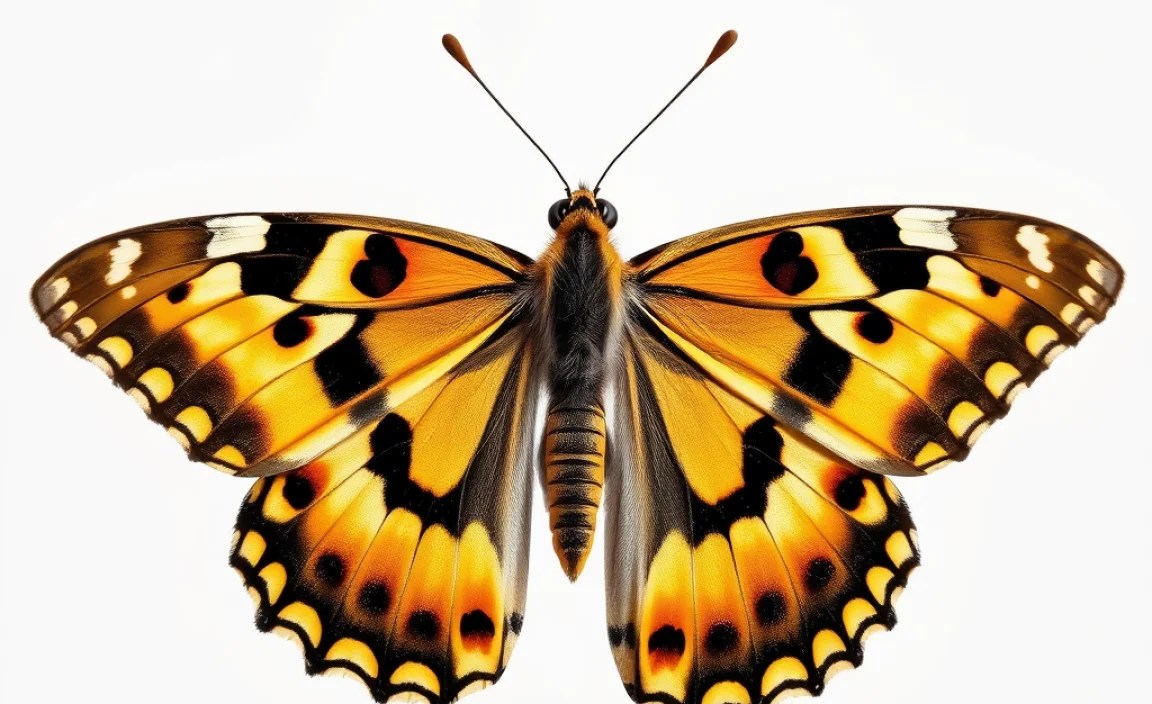
Have you ever wondered about butterfly wings? They are not just pretty. They are important for survival. The painted lady has unique wings. The painted lady underside wing pattern is different from other butterflies. It has a mix of colors and shapes. These patterns help the butterfly in many ways. The patterns can confuse predators. They also help the butterfly blend in with its surroundings. This is called camouflage. The patterns also help attract mates. Male and female butterflies can recognize each other. Butterfly wings are delicate. They are made of tiny scales. These scales give the wings their color. They also protect the wings. If a butterfly loses scales, it can have trouble flying. That’s why it is important to be gentle with butterflies.
- Butterfly wings are covered in tiny scales.
- These scales give the wings their color.
- Wing patterns help butterflies hide from predators.
- Patterns also help attract mates.
- Damaged wings can make it hard to fly.
Look closely at a painted lady’s wings. You will see a beautiful design. The colors are often orange, brown, and black. The painted lady underside wing pattern has small dots and lines. These markings are very detailed. Scientists study these patterns. They want to learn more about butterflies. They can also learn about how butterflies evolved. The patterns can change over time. This is because of natural selection. Butterflies with better camouflage are more likely to survive. They will pass on their genes to their offspring. The study of butterfly wings is very interesting. It can teach us a lot about nature. Butterfly wings are a reminder of how beautiful and complex nature is.
Fun Fact or Stat: A painted lady can fly up to 100 miles in a single day during migration!
What Colors Are on the Wings?
Imagine you are painting a butterfly. What colors would you use? The painted lady has a special color palette. Its wings are usually orange and brown. They have black spots and white markings. The painted lady underside wing pattern often includes shades of gray and brown. These colors help the butterfly blend in. When it rests on a tree or flower, it is harder to see. This is important for avoiding predators. Birds and other animals might eat butterflies. The colors also help with temperature. Darker colors absorb more sunlight. This can help the butterfly stay warm on a cool day. Lighter colors reflect sunlight. This can help the butterfly stay cool on a hot day. The colors on butterfly wings are very important for their survival. They are not just for show!
Why Are Patterns Important?
Have you ever played hide-and-seek? Patterns on butterfly wings are like a built-in camouflage. The painted lady underside wing pattern helps them hide. The patterns break up their outline. This makes it harder for predators to see them. The patterns also help them attract mates. Butterflies can see colors that humans cannot. Some patterns might be invisible to us. But they are very clear to other butterflies. These patterns can signal that a butterfly is healthy. They can also show that it is ready to mate. Some patterns can even mimic other animals. This can scare away predators. For example, some butterflies have patterns that look like eyes. This can make them look bigger and more dangerous.
Do Patterns Change?
Think about how things change over time. Butterfly patterns can also change. This can happen over many generations. It is called evolution. The painted lady underside wing pattern might look different in different places. This is because butterflies adapt to their environment. If a butterfly lives in a dark forest, its wings might be darker. This helps it blend in with the shadows. If a butterfly lives in a sunny field, its wings might be brighter. This helps it attract mates. Changes in patterns can also happen because of mutations. A mutation is a random change in a butterfly’s DNA. Some mutations can be helpful. They can give the butterfly a better chance of survival. Other mutations can be harmful. They can make it harder for the butterfly to survive.
Painted Lady Underside Markings
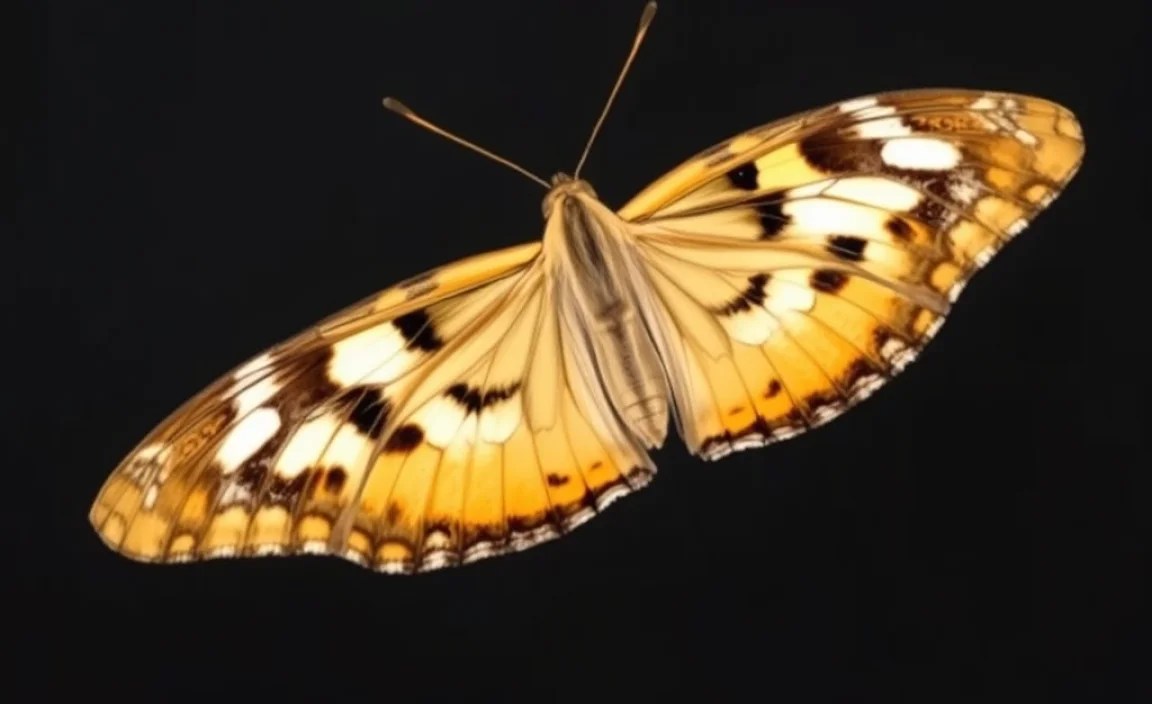
The underside of a butterfly’s wing is often different from the top. The painted lady underside wing pattern is usually more muted. The colors are softer and less vibrant. This is because the underside is used for camouflage. When the butterfly is resting, it closes its wings. This hides the bright colors on the top. The underside blends in with the background. The patterns on the underside are also more complex. They often have intricate lines and dots. These patterns can help the butterfly blend in with leaves or bark. The underside patterns also help with temperature regulation. Darker patterns can absorb heat. Lighter patterns can reflect heat. This helps the butterfly stay comfortable in different weather. The underside of a butterfly’s wing is just as important as the top.
- The underside wing patterns are often more muted.
- These patterns help with camouflage.
- They blend in with the environment.
- The patterns also help with temperature regulation.
- Underside patterns can be very complex.
The painted lady underside wing pattern has unique markings. These markings help scientists identify different butterflies. Each butterfly species has its own unique pattern. Scientists use these patterns to track butterflies. They can learn about their migration patterns. They can also learn about their populations. The markings can also tell scientists about the butterfly’s health. If a butterfly has damaged wings, the markings might be distorted. This can indicate that the butterfly is sick or injured. The study of butterfly markings is called pattern analysis. It is a very important tool for butterfly conservation. By understanding butterfly patterns, we can help protect these amazing creatures.
Fun Fact or Stat: Scientists use special cameras to photograph and study butterfly wing patterns!
How Do Markings Help?
Imagine you are a butterfly trying to survive. How do your markings help you? The markings on the painted lady underside wing pattern serve many purposes. They help with camouflage. They help with temperature regulation. They also help with communication. The markings can signal to other butterflies. They can indicate that a butterfly is ready to mate. They can also warn other butterflies of danger. Some markings mimic the appearance of other animals. This can scare away predators. For example, some butterflies have markings that look like eyes. This can make them look bigger and more dangerous. The markings on butterfly wings are a complex and fascinating adaptation.
What Are the Common Markings?
If you look closely at a painted lady, what markings do you see? The painted lady underside wing pattern has several common markings. It has small dots. These dots are usually black or brown. It has lines. These lines can be straight or curved. It also has patches of color. These patches can be orange, brown, or white. The exact pattern of markings varies from butterfly to butterfly. But there are some general characteristics that are common to all painted ladies. These markings help scientists identify painted ladies. They also help butterflies recognize each other.
Can Markings Be Different?
Have you ever seen two things that look exactly alike? Probably not! Butterfly markings can also be different. The painted lady underside wing pattern can vary depending on several factors. These factors include the butterfly’s location. Butterflies that live in different environments might have different markings. The factors also include the butterfly’s diet. Butterflies that eat different foods might have different markings. The factors also include the butterfly’s genetics. Each butterfly has its own unique set of genes. These genes can influence the butterfly’s markings. The variations in butterfly markings make them even more fascinating.
Camouflage and Painted Lady Wings

Camouflage is like a secret weapon for butterflies. It helps them hide from danger. The painted lady underside wing pattern is perfectly designed for camouflage. The patterns blend in with leaves, bark, and flowers. When a butterfly is resting, it is hard to see. This helps it avoid predators. Birds and other animals hunt butterflies. Camouflage is not just about color. It is also about pattern. The patterns break up the butterfly’s outline. This makes it even harder to see. Some butterflies have camouflage that mimics other objects. For example, some butterflies look like dead leaves. This helps them blend in with the forest floor. Camouflage is an important adaptation for butterfly survival. It helps them stay safe in a dangerous world.
- Camouflage helps butterflies hide from predators.
- The patterns blend in with the environment.
- Camouflage is about color and pattern.
- Some butterflies mimic other objects.
- Camouflage is an important adaptation.
The painted lady underside wing pattern provides excellent camouflage. The muted colors and intricate patterns help it blend in with its surroundings. Imagine a painted lady resting on a brown tree branch. Its underside wing pattern would match the bark. This makes it almost invisible to predators. Camouflage is especially important for butterflies during the day. They are active and visible. They need to be able to hide quickly if danger approaches. Butterflies also use camouflage to protect their eggs and caterpillars. They lay their eggs on plants that match the color of their wings. This helps the caterpillars blend in with the leaves. Camouflage is a vital part of the painted lady’s life.
Fun Fact or Stat: Some butterflies can change their camouflage slightly to match different backgrounds!
How Does Camouflage Work?
Have you ever tried to hide in plain sight? Butterflies do it all the time! Camouflage works by using colors and patterns. The painted lady underside wing pattern blends in with the environment. This makes it harder for predators to see the butterfly. There are different types of camouflage. Some butterflies use disruptive camouflage. This means that their patterns break up their outline. This makes it harder to see their shape. Other butterflies use mimicry. This means that they look like something else. For example, some butterflies look like dead leaves. Camouflage is a clever way for butterflies to stay safe.
What Colors Help Camouflage?
Think about the colors you see in nature. Which colors help animals hide? For butterflies, brown, gray, and green are good camouflage colors. The painted lady underside wing pattern often includes these colors. These colors blend in with trees, leaves, and flowers. Some butterflies also use white for camouflage. White can help them blend in with snow or light-colored surfaces. The best camouflage colors depend on the environment. Butterflies that live in different places might have different camouflage colors.
Where Do They Hide?
Imagine you are a butterfly looking for a place to hide. Where would you go? Butterflies hide in many different places. They might hide under leaves. They might hide on tree branches. They might hide among flowers. The painted lady underside wing pattern helps them blend in with these places. Butterflies often choose places that match their camouflage colors. This makes them even harder to see. They also choose places that are sheltered from the wind and rain. This helps them stay safe and comfortable.
The Role of Spots and Lines

Spots and lines are like the finishing touches on a butterfly’s wings. They add detail and complexity. The painted lady underside wing pattern is full of spots and lines. These markings serve many purposes. They help with camouflage. They help with temperature regulation. They also help with communication. Spots and lines can break up a butterfly’s outline. This makes it harder for predators to see them. They can also create the illusion of depth. This makes the butterfly look bigger than it is. Some spots and lines mimic the appearance of other animals. This can scare away predators. Spots and lines are an important part of butterfly wing patterns.
- Spots and lines add detail to butterfly wings.
- They help with camouflage and communication.
- They can break up a butterfly’s outline.
- Some spots and lines mimic other animals.
- These markings are important for survival.
The painted lady underside wing pattern has unique spots and lines. These markings help scientists identify different butterflies. The size, shape, and location of the spots and lines can vary. These variations help scientists distinguish between different species. The spots and lines can also tell scientists about the butterfly’s health. If a butterfly has damaged wings, the spots and lines might be distorted. This can indicate that the butterfly is sick or injured. The study of spots and lines is a key part of butterfly research.
Fun Fact or Stat: Some butterflies have spots that look like eyes to scare away predators!
Do Spots Confuse Predators?
Have you ever been tricked by an optical illusion? Spots on butterfly wings can do the same thing to predators! The spots on the painted lady underside wing pattern can confuse predators. They can make it harder to see the butterfly’s true shape. Some spots look like eyes. These eye-spots can startle predators. They might think that the butterfly is a bigger, more dangerous animal. This gives the butterfly a chance to escape. Spots can also distract predators. They might focus on the spots instead of the butterfly’s body. This gives the butterfly a chance to fly away.
How Do Lines Help?
Think about lines on a map. They can guide you from one place to another. Lines on butterfly wings can also serve a purpose. The lines on the painted lady underside wing pattern can help with camouflage. They can break up the butterfly’s outline. This makes it harder for predators to see them. Lines can also create the illusion of movement. This can distract predators. Some lines mimic the appearance of veins in a leaf. This helps the butterfly blend in with its surroundings.
Are Spots and Lines Always There?
Have you ever wondered if butterfly patterns are always the same? The spots and lines on butterfly wings are usually consistent. But they can vary slightly. The painted lady underside wing pattern might look different depending on the butterfly’s environment. Butterflies that live in different places might have different patterns. The spots and lines can also change over time. This can happen because of evolution. Butterflies with better camouflage are more likely to survive. They will pass on their genes to their offspring. This can lead to changes in butterfly patterns over many generations.
Painted Lady Migration and Patterns

Painted lady butterflies are famous travelers. They migrate long distances each year. This is like a big road trip for butterflies! The painted lady underside wing pattern might help them during migration. The patterns can help them recognize each other. They can also help them find their way. Butterflies use the sun to navigate. They also use the Earth’s magnetic field. The patterns on their wings might help them with this. Scientists are still studying how butterflies migrate. It is a complex and fascinating process. Migration is important for butterfly survival. It allows them to find food and suitable breeding grounds.
- Painted lady butterflies migrate long distances.
- Wing patterns might help them navigate.
- They use the sun and Earth’s magnetic field.
- Migration helps them find food and breeding grounds.
- Scientists are still studying butterfly migration.
The painted lady underside wing pattern could play a role in migration. Imagine thousands of butterflies flying together. How do they stay together? The patterns on their wings might help them recognize each other. They can use these patterns to stay in formation. The patterns can also help them communicate. They can signal to each other when to turn or change direction. Migration is a dangerous journey. Butterflies face many challenges. They have to avoid predators. They have to find food and water. They have to navigate over long distances. The patterns on their wings might give them a slight advantage.
Fun Fact or Stat: Painted lady butterflies can travel over 2,500 miles during migration!
How Far Do They Travel?
Have you ever taken a long car trip? Painted lady butterflies travel much farther! They can travel thousands of miles. The exact distance depends on the population. Some populations migrate from North Africa to Europe. Other populations migrate from the United States to Canada. The painted lady underside wing pattern does not affect the distance. The journey is long and dangerous. Butterflies face many challenges. They have to fly over mountains and deserts. They have to avoid predators. They have to find food and water. But they keep going, driven by instinct.
Why Do They Migrate?
Think about why people move from one place to another. Butterflies also have reasons to migrate. They migrate to find food. They migrate to find better weather. They migrate to find suitable breeding grounds. The painted lady underside wing pattern does not play a role in the reasons why. For example, some butterflies migrate to escape the cold winter. They fly south to warmer climates. Other butterflies migrate to follow the growth of plants. They need these plants to lay their eggs. Migration is a response to changes in the environment.
What Challenges Do They Face?
Imagine you are a tiny butterfly trying to fly across a continent. What challenges would you face? Butterflies face many challenges during migration. They have to deal with strong winds. They have to avoid predators. They have to find food and water. The painted lady underside wing pattern does not make the journey any easier. They also have to navigate over long distances. They use the sun and Earth’s magnetic field. They also rely on their instincts. Migration is a test of endurance and resilience.
Food Sources and Wing Patterns
What you eat can affect how you look. This is also true for butterflies! The food that a butterfly eats as a caterpillar can affect its wing patterns. The painted lady underside wing pattern might be influenced by the caterpillar’s diet. Caterpillars eat leaves and flowers. The nutrients in these plants can affect the pigments in the butterfly’s wings. Butterflies that eat a varied diet might have brighter colors. Butterflies that eat a limited diet might have duller colors. Scientists are studying the relationship between diet and wing patterns. It is a complex and fascinating area of research.
- A caterpillar’s diet can affect its wing patterns.
- Nutrients in plants can affect wing pigments.
- Varied diets might lead to brighter colors.
- Limited diets might lead to duller colors.
- Scientists are studying this relationship.
The painted lady underside wing pattern can provide clues about a butterfly’s diet. Imagine a scientist studying butterfly wings. They might look at the colors and patterns. They can then infer what the butterfly ate as a caterpillar. For example, if a butterfly has very bright colors, it might have eaten a lot of flowers. If a butterfly has dull colors, it might have eaten mostly leaves. This is just one piece of the puzzle. Scientists also need to consider other factors. These factors include the butterfly’s genetics and environment. But the patterns on butterfly wings can provide valuable information.
Fun Fact or Stat: Some caterpillars can change the color of their wings by what they eat!
What Do Caterpillars Eat?
Have you ever watched a caterpillar munching on a leaf? Caterpillars are eating machines! They need to eat a lot to grow. The painted lady underside wing pattern depends on what the caterpillar eats. Painted lady caterpillars eat a variety of plants. They eat thistles, mallows, and other leafy plants. The specific plants that they eat depend on where they live. Caterpillars need to eat plants that are rich in nutrients. These nutrients help them grow and develop. They also help them create the pigments for their wings.
How Does Food Affect Color?
Think about how different foods can affect your health. Food can also affect the color of butterfly wings. The pigments in butterfly wings come from the food that the caterpillar eats. The painted lady underside wing pattern is influenced by these pigments. Different plants contain different pigments. Caterpillars that eat different plants will have different wing colors. For example, some plants contain carotenoids. These pigments can produce orange and yellow colors. Other plants contain chlorophyll. This pigment can produce green colors. The combination of pigments determines the final color of the butterfly’s wings.
Can Pollution Affect Patterns?
Have you ever wondered if pollution can affect butterflies? Pollution can have a negative impact on butterflies. It can affect their health and their wing patterns. The painted lady underside wing pattern might be altered by pollution. Pollution can damage the plants that caterpillars eat. This can reduce the amount of nutrients that they get. Pollution can also damage the butterfly’s wings. This can make it harder for them to fly. Scientists are studying the effects of pollution on butterflies. It is important to protect butterflies from pollution.
Identifying Painted Ladies by Wing Pattern
Butterfly watching is a fun hobby. It is like a treasure hunt for beautiful insects! To identify butterflies, you need to look closely at their wing patterns. The painted lady underside wing pattern is a key characteristic. It helps you distinguish painted ladies from other butterflies. Look for the small dots and lines. Look for the muted colors. Compare the patterns to pictures in a butterfly guidebook. With practice, you will become an expert at identifying painted ladies. Butterfly watching is a great way to connect with nature.
- Butterfly watching is a fun hobby.
- Wing patterns help identify butterflies.
- Look for specific markings and colors.
- Compare patterns to a guidebook.
- Practice makes you an expert.
The painted lady underside wing pattern is unique. But it can be confused with other butterflies. The American lady butterfly looks similar. But there are some key differences. The American lady has two large eye-spots on its hindwings. The painted lady has four smaller eye-spots. The American lady also has a white dot in its orange cell. The painted lady does not have this dot. By paying attention to these details, you can tell the difference. Identifying butterflies can be challenging. But it is also very rewarding.
| Feature | Painted Lady | American Lady |
|---|---|---|
| Eye-spots on Hindwings | Four small | Two large |
| White Dot in Orange Cell | Absent | Present |
| Range | Worldwide | North America |
| Host Plants | Thistles, mallows | Everlasting, cudweed |
Fun Fact or Stat: Butterfly enthusiasts often carry magnifying glasses to examine wing patterns closely!
What Tools Can Help?
Have you ever used a magnifying glass to look at something small? There are many tools that can help you identify butterflies. A butterfly guidebook is essential. It provides pictures and descriptions of different species. A magnifying glass can help you see the details of the wing patterns. Binoculars can help you spot butterflies from a distance. A camera can help you document your sightings. The painted lady underside wing pattern can be captured with a good photo. These tools can make butterfly watching more enjoyable and informative.
Where Can You Find Them?
Think about where you might find butterflies in your neighborhood. Painted ladies can be found in many different habitats. They live in gardens, fields, and meadows. They also live in forests and deserts. The painted lady underside wing pattern helps them blend in with their surroundings. Look for them on flowers, where they feed on nectar. Look for them on leaves, where they rest. Look for them in sunny spots, where they warm themselves. Painted ladies are found all over the world.
What Time of Year?
Have you noticed that some animals are more common at certain times of the year? Painted ladies are most common in the spring and summer. This is when they are actively breeding. The painted lady underside wing pattern is visible during flight. They migrate in the spring and fall. During the winter, they are less active. They might hibernate in warmer climates. The exact timing depends on the location. In some areas, they can be seen year-round.
Summary
The painted lady underside wing pattern is a fascinating feature. It helps butterflies survive in many ways. The patterns provide camouflage. This helps them hide from predators. The patterns help them regulate their temperature. This keeps them comfortable in different weather. The patterns might also help them communicate. This allows them to recognize each other. The food that caterpillars eat can affect their wing patterns. Pollution can also have a negative impact. By studying butterfly wing patterns, we can learn a lot about these amazing creatures. We can also learn about the environment.
Painted ladies are found all over the world. They migrate long distances each year. They face many challenges during their lives. But they are resilient and adaptable. They are a reminder of the beauty and complexity of nature. The painted lady underside wing pattern is a small but important part of their success.
Conclusion
Butterflies are beautiful and important. They help pollinate flowers. They are also a food source for other animals. The painted lady underside wing pattern is just one example of their amazing adaptations. By learning about butterflies, we can appreciate them more. We can also help protect them. We can create butterfly-friendly gardens. We can reduce pollution. We can support conservation efforts. Every small action can make a difference. Let’s work together to ensure that butterflies thrive for many years to come. Let’s protect their habitats. Let’s educate others about their importance. Butterflies are a treasure worth saving.
Frequently Asked Questions
Question No 1: What is the purpose of the painted lady underside wing pattern?
Answer: The painted lady underside wing pattern serves several important purposes. It provides camouflage, helping the butterfly blend in with its surroundings. This helps them avoid predators. The patterns also help with temperature regulation, allowing butterflies to stay comfortable in different weather conditions. Some scientists believe that the patterns may also play a role in communication, helping butterflies recognize each other. Overall, the patterns are essential for the butterfly’s survival and well-being. Understanding these patterns helps us appreciate the complexity of nature.
Question No 2: How does the painted lady underside wing pattern help with camouflage?
Answer: The painted lady underside wing pattern is designed to mimic the colors and textures of the butterfly’s environment. The muted colors and intricate patterns blend in with leaves, bark, and flowers. This makes it difficult for predators to spot the butterfly. The patterns break up the butterfly’s outline, further enhancing the camouflage. When the butterfly is resting with its wings closed, the underside pattern is exposed. This is when camouflage is most important. By blending in with its surroundings, the painted lady can avoid becoming a meal for a bird or other predator.
Question No 3: Can the food a caterpillar eats affect the painted lady underside wing pattern?
Answer: Yes, the food that a caterpillar eats can indeed influence the painted lady underside wing pattern. Caterpillars obtain nutrients from the plants they consume. These nutrients are used to create the pigments that color the butterfly’s wings. Different plants contain different pigments. A caterpillar that eats a varied diet will likely have brighter and more colorful wings. A caterpillar that eats a limited diet may have duller wings. The quality and quantity of food also play a role. A well-fed caterpillar will likely produce a healthier and more vibrant butterfly.
Question No 4: How can I identify a painted lady butterfly using its wing pattern?
Answer: Identifying a painted lady butterfly by its wing pattern requires careful observation. Look for the distinctive features of the painted lady underside wing pattern. These include small black dots, intricate lines, and muted colors. Compare the patterns to pictures in a butterfly guidebook. Pay attention to the size, shape, and location of the markings. Also, note the overall color of the wings. The painted lady typically has orange and brown wings with black and white markings. With practice, you will become more familiar with the unique characteristics of the painted lady.
Question No 5: Does pollution affect the painted lady underside wing pattern?
Answer: Yes, pollution can have a negative impact on butterflies, including the painted lady underside wing pattern. Pollution can damage the plants that caterpillars eat. This reduces the amount of nutrients they receive. It can also directly damage the butterfly’s wings, affecting their color and pattern. Air pollution can also harm the butterfly’s respiratory system. This weakens them and makes them more vulnerable to predators. Protecting the environment from pollution is crucial for the health and survival of butterflies.
Question No 6: Why is it important to study the painted lady underside wing pattern?
Answer: Studying the painted lady underside wing pattern provides valuable insights into butterfly biology and ecology. It helps us understand how butterflies adapt to their environment. It also helps us track their migration patterns. It can also reveal the impact of environmental changes on butterfly populations. By studying these patterns, scientists can learn more about the complex relationships between butterflies and their surroundings. This knowledge is essential for conservation efforts. It allows us to protect these important pollinators and their habitats. The painted lady underside wing pattern is a key to unlocking many secrets about the natural world.


