
Easy: How to Tell Butterfly Species by Wings

Have you ever seen a butterfly? They flutter around in gardens. They are all different colors and sizes. Did you know you can learn a lot from their wings? Figuring out how to tell butterfly species by wings is like being a detective. Each butterfly has its own special clues. These clues help us know what kind of butterfly it is. It’s a fun way to explore nature.
Key Takeaways
- Butterfly wings have unique patterns that help us identify different species.
- Color, size, and shape are key things to look for on butterfly wings.
- How to tell butterfly species by wings involves learning wing pattern names.
- Certain wing markings are specific to butterfly families.
- Observing butterflies helps us appreciate their beauty and diversity.
How to Tell Butterfly Species by Wing Color

Butterfly wings are like tiny canvases. They show off a rainbow of colors. These colors aren’t just pretty. They actually help us figure out what kind of butterfly we are seeing. Some butterflies have bright colors like orange and yellow. Monarch butterflies are famous for their orange wings with black lines. Other butterflies might have colors like blue or purple. The Blue Morpho butterfly is known for its shiny blue wings. Even brown and white butterflies have special patterns. These patterns are important clues. Spotting these colors is the first step. It is the first step in how to tell butterfly species by wings. Remember, each color tells a story.
- Bright colors attract mates.
- Dark colors absorb heat.
- Some colors warn predators.
- Color patterns help camouflage.
- Look for color differences.
Butterfly wing colors come from tiny scales. These scales are like little tiles on the wing. Light bounces off these scales. This makes the colors we see. Sometimes, the angle of light changes the color we see. This is called iridescence. The colors can also fade over time. Sun and rain can make the colors less bright. That’s why it’s important to look at fresh, new butterflies. Even damaged wings can still show some color. Color is just one part of the puzzle. But it is a very important part to consider when learning how to tell butterfly species by wings.
Fun Fact or Stat: Some butterfly wings have no pigment! Their color comes from the way light reflects off their scales.
Why Are Butterfly Wings So Colorful?
Have you ever wondered why butterflies have such bright colors? It’s not just to look pretty. Colors help butterflies in many ways. Bright colors can attract mates. Butterflies want to find the best partner. These colors can also warn predators. Some butterflies are poisonous. Their bright colors tell birds and other animals to stay away. Some butterflies use color for camouflage. They blend in with leaves and flowers. This helps them hide from danger. The colors are also used to control their body temperature. Dark colors absorb heat from the sun. All of these reasons help explain why butterfly wings are so colorful. This helps scientists understand how to tell butterfly species by wings.
Do All Butterflies Have the Same Colors?
No, not all butterflies have the same colors. In fact, the variety of colors is amazing. Some butterflies are bright and bold. Others are dull and blend in with their surroundings. The colors depend on the species of butterfly. They also depend on where the butterfly lives. Butterflies in tropical areas often have brighter colors. Butterflies in colder areas may have darker colors. The differences in color help butterflies survive in their environment. Some butterflies even change color as they get older. This makes it even more interesting to see how to tell butterfly species by wings.
How Do Wing Colors Help Butterflies Survive?
Wing colors play a big role in a butterfly’s survival. As mentioned, the colors can attract mates. Finding a mate is important for reproduction. Colors can also scare away predators. If a butterfly looks dangerous, animals will leave it alone. Camouflage helps butterflies hide from predators. Blending in with leaves or bark keeps them safe. Colors can also help butterflies regulate their body temperature. Dark colors absorb heat. This helps them stay warm in cool weather. Light colors reflect heat. This helps them stay cool in hot weather. All of these things show how to tell butterfly species by wings can be a matter of life and death.
Using Size and Shape to ID Butterfly Species

Besides color, the size and shape of butterfly wings are very important. Size can range from very small to quite large. Some butterflies have wings that are only about an inch across. Others can have wings that are over six inches across. The shape of the wings also varies. Some wings are round. Others are long and narrow. Some have pointy tips. Others have rounded tips. Paying attention to these details is key. It is key when trying to figure out how to tell butterfly species by wings. Size and shape add another layer of information. It helps us tell different species apart.
- Wing size varies by species.
- Wing shape can be round or pointy.
- Look at the wingspan.
- Note the shape of the wingtips.
- Consider the body size.
Wing size and shape are often related to how a butterfly flies. Butterflies with large wings can glide easily. Butterflies with smaller wings might flutter more quickly. The shape of the wing can also affect how fast a butterfly can fly. Some butterflies have long, narrow wings. These wings help them fly very fast. Other butterflies have broad wings. These wings help them fly slowly and gracefully. These variations are often due to evolution. They are the result of the butterfly’s needs. So, examining size and shape is one way to learn how to tell butterfly species by wings.
Fun Fact or Stat: The Queen Alexandra’s Birdwing is the largest butterfly. Its wingspan can be almost a foot wide!
How Big Are Most Butterfly Wings?
Butterfly wings come in many sizes. Most common garden butterflies have wings that are about two to four inches across. Some smaller butterflies have wings that are less than an inch across. These tiny butterflies are often hard to see. Larger butterflies, like the Monarch, have wings that can be four to five inches across. Tropical butterflies can be even larger. The size of the wings can tell you a lot about the butterfly. It can tell you about its habitat. The size can even tell you about its flying style. Therefore, knowing the typical sizes can help with how to tell butterfly species by wings.
What Shapes Can Butterfly Wings Have?
Butterfly wings can have many different shapes. Some are round and smooth. Others are pointy and jagged. Some have long tails that trail behind them. The shape of the wing is often related to the type of butterfly. Swallowtail butterflies have long tails on their wings. This makes them easy to spot. Skipper butterflies have small, triangular wings. This helps them fly very quickly. The shape of the wing is also related to how the butterfly flies. Butterflies with long, narrow wings can fly fast. Butterflies with broad wings can glide easily. Keep this in mind when assessing how to tell butterfly species by wings.
Can Wing Size and Shape Help with Identification?
Yes, wing size and shape are very helpful for identifying butterflies. They are important clues. When you see a butterfly, notice the size of its wings. Are they big or small? Also, look at the shape of the wings. Are they round or pointy? Do they have tails? These details can help you narrow down the possibilities. You can compare your observations to pictures in a butterfly guide. This can help you figure out what kind of butterfly you have seen. Remember, size and shape are just two pieces of the puzzle. But they are important pieces when considering how to tell butterfly species by wings.
Wing Patterns: A Key to Butterfly Identification
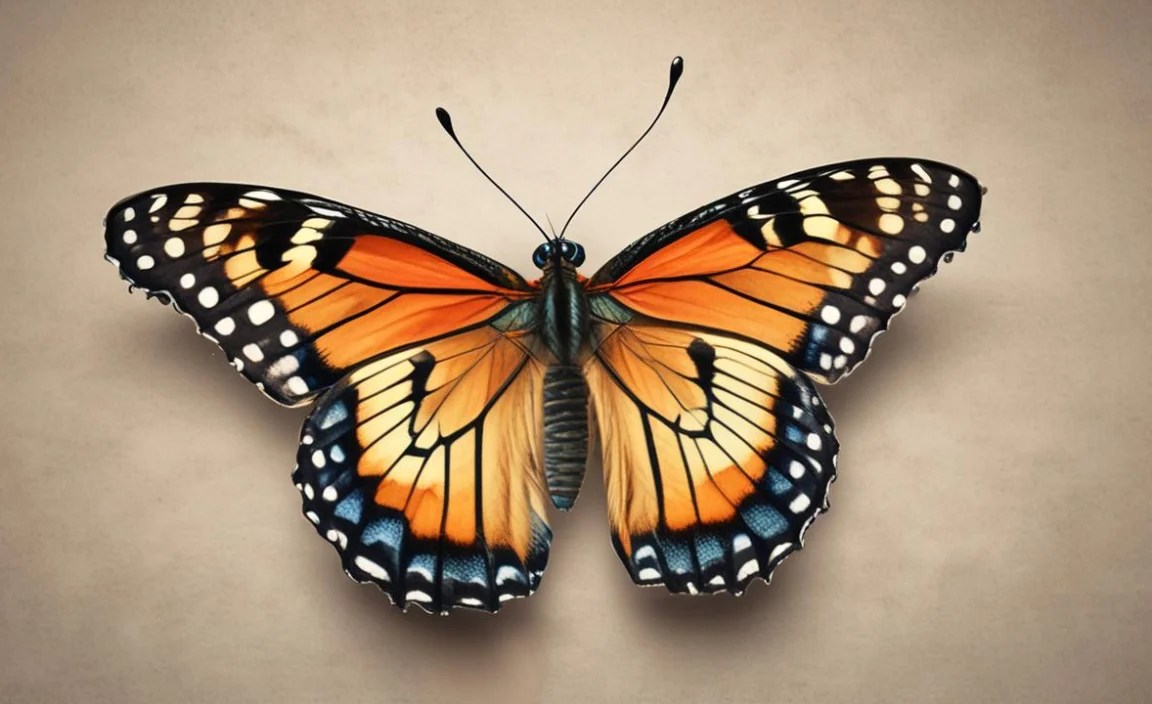
Wing patterns are like fingerprints for butterflies. Each species has its own unique design. These patterns can include spots, stripes, and bands. Some butterflies have intricate patterns that look like artwork. Others have simple patterns with just a few markings. Paying close attention to these patterns is super important. It is a vital part of figuring out how to tell butterfly species by wings. Look for the number of spots. Check where the stripes are located. See how the bands are arranged. These details can help you tell one butterfly from another. It’s like solving a puzzle with wings.
- Spots can be round or oval.
- Stripes can be thick or thin.
- Bands can be complete or broken.
- Patterns repeat on both wings.
- Use a butterfly field guide.
Wing patterns aren’t just for looks. They also serve important purposes. Some patterns help butterflies camouflage. They blend in with their surroundings. This helps them hide from predators. Other patterns can startle predators. They might have bright colors or eye spots. These patterns can scare away birds or other animals. Some butterflies even mimic other species. They copy the patterns of poisonous butterflies. This protects them from being eaten. So, wing patterns are more than just decoration. They are essential for survival. That’s why knowing them helps with how to tell butterfly species by wings.
Fun Fact or Stat: Some butterfly wing patterns look like snake heads. This scares away birds!
What Are Common Wing Pattern Elements?
There are many common elements in butterfly wing patterns. Spots are a common feature. They can be round, oval, or even irregular in shape. Stripes are another common element. They can run across the wing in different directions. Bands are wider than stripes. They often form a border around the wing. Eye spots are circular markings. They look like eyes. These can scare away predators. Knowing these different elements is helpful. This helps you break down the pattern. This is a key step in how to tell butterfly species by wings.
How Do Patterns Differ Between Butterfly Species?
Patterns can differ greatly between butterfly species. Some species have very simple patterns. They might have just a few spots or stripes. Other species have very complex patterns. They might have many different colors and shapes. The arrangement of the patterns also varies. Some butterflies have symmetrical patterns. The patterns on both wings are the same. Other butterflies have asymmetrical patterns. The patterns on each wing are different. These differences are what make each butterfly unique. They also make it easier to learn how to tell butterfly species by wings.
Why Are Wing Patterns Important for Butterflies?
Wing patterns are very important for butterflies. They serve many purposes. Camouflage is one important function. Patterns help butterflies blend in with their surroundings. This helps them hide from predators. Startling predators is another function. Eye spots can scare away birds or other animals. Mimicry is another important function. Some butterflies mimic poisonous species. This protects them from being eaten. Attracting mates is also a function. Bright colors and patterns can attract a partner. All of these functions show why patterns are so important. They also show why they are important for how to tell butterfly species by wings.
Using Wing Shape to Identify Butterfly Families

Butterflies are grouped into families. These families share similar traits. One of those traits is wing shape. Certain wing shapes are common within specific families. Swallowtail butterflies often have long tails on their hindwings. Brush-footed butterflies have small front legs. They don’t always use them for walking. Skipper butterflies have small, triangular wings. Learning these family traits can help you narrow down your search. It can help you figure out how to tell butterfly species by wings. It’s like learning the basic building blocks of butterfly identification.
- Swallowtails have tails.
- Brush-foots have reduced front legs.
- Skippers have hooked antennae.
- Whites are often white or yellow.
- Blues are usually small and blue.
Butterfly families have evolved over millions of years. During this time, they have adapted to different environments. Their wing shapes reflect these adaptations. Swallowtails often live in open areas. Their tails may help them with balance. Brush-footed butterflies often feed on rotting fruit. Their reduced front legs may help them cling to branches. Skipper butterflies often fly very fast. Their triangular wings help them maneuver quickly. These adaptations show how to tell butterfly species by wings is about more than looks. It’s also about how they live.
Fun Fact or Stat: There are over 19,000 different species of butterflies in the world!
What Are Some Common Butterfly Families?
There are many different butterfly families. Swallowtails are one common family. They are known for their long tails. Brush-footed butterflies are another family. They have reduced front legs. Skipper butterflies are a third family. They have small, triangular wings. Whites and yellows are a family with white or yellow wings. Blues are a family of small, blue butterflies. Learning about these families can help you. It can help you identify butterflies more easily. It also gives context to how to tell butterfly species by wings.
How Do Wing Shapes Vary Within a Family?
Even within a family, wing shapes can vary. Swallowtails can have different lengths of tails. Brush-footed butterflies can have different patterns on their wings. Skipper butterflies can have different shades of brown. Whites and yellows can have different amounts of black markings. Blues can have different shades of blue. These variations are what make each species unique. They also add to the fun of butterfly identification. It’s a key aspect of how to tell butterfly species by wings.
Why Is Knowing Butterfly Families Helpful?
Knowing butterfly families is very helpful for identification. It helps you narrow down the possibilities. If you see a butterfly with a tail, you know it’s likely a swallowtail. If you see a butterfly with reduced front legs, you know it’s likely a brush-footed. This knowledge can save you time and effort. It can also help you learn more about butterflies. You can learn about their habitats. You can learn about their behaviors. This makes butterfly watching even more rewarding. It is also helpful for determining how to tell butterfly species by wings.
| Family | Wing Shape | Color | Other Traits |
|---|---|---|---|
| Swallowtails | Tailed | Often bright | Large size |
| Brush-foots | Varied | Many colors | Reduced front legs |
| Skippers | Triangular | Brownish | Hooked antennae |
| Whites/Yellows | Rounded | White or yellow | Black markings |
| Blues | Small | Blue | Delicate |
Looking at Undersides for Butterfly ID
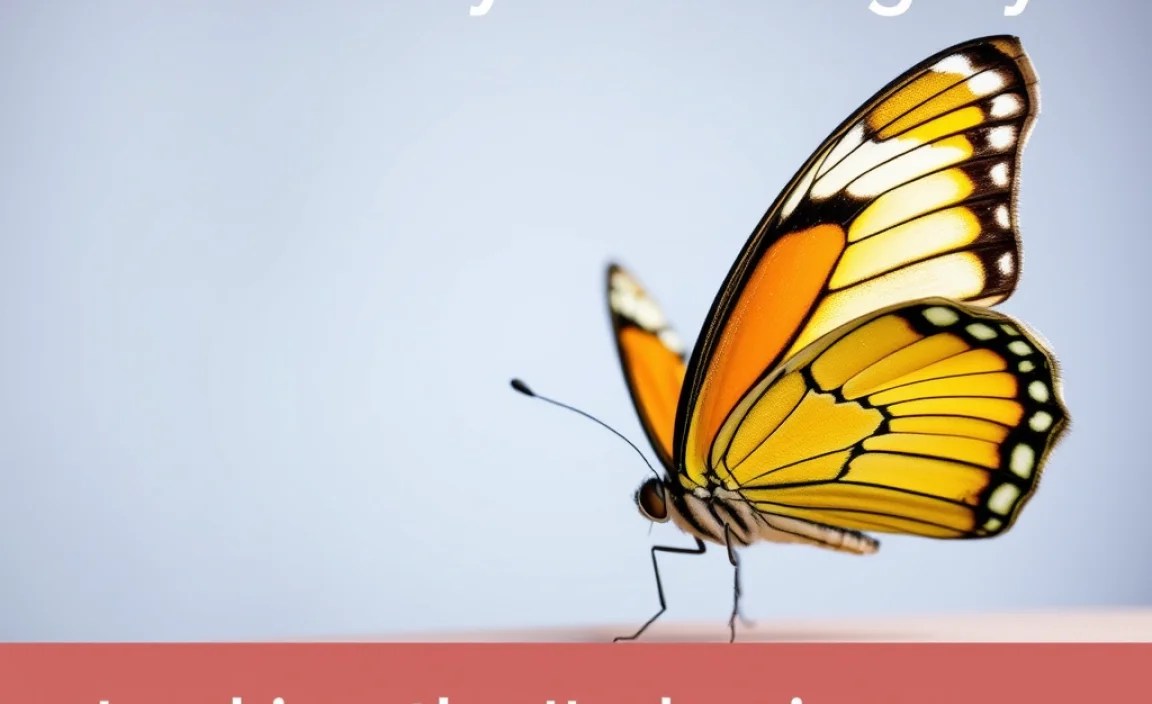
Don’t just look at the tops of the wings! The undersides can be even more helpful. The undersides often have different patterns. These patterns can be more detailed. They can have unique markings. Sometimes, the colors are different on the underside. The underside patterns are often used for camouflage. They help butterflies blend in when they are resting. Always check both sides of the wings. This will give you more clues. This will give you more ways to figure out how to tell butterfly species by wings.
- Undersides can have different colors.
- Patterns may be more detailed.
- Look for hidden markings.
- Check both front and hind wings.
- Use a magnifying glass.
The underside patterns are especially important for butterflies that rest with their wings closed. When they close their wings, only the undersides are visible. This means the underside patterns are their main form of camouflage. These patterns often mimic leaves or bark. This helps them blend in with their surroundings. Butterflies that rest with their wings open rely more on the patterns on the tops of their wings. But even these butterflies have unique patterns on their undersides. Thus, knowing where to look is key for how to tell butterfly species by wings.
Fun Fact or Stat: Some butterfly undersides have patterns that look like dead leaves!
Why Are Undersides Different from Topsides?
The topsides and undersides of butterfly wings serve different purposes. The topsides are often used for attracting mates. The bright colors and patterns help butterflies find partners. The undersides are often used for camouflage. The duller colors and patterns help butterflies hide from predators. The different purposes explain why the patterns are different. It also explains why it is important to look at both sides when learning how to tell butterfly species by wings.
What Kind of Patterns Are Found on Undersides?
The patterns found on undersides can vary greatly. Some undersides have simple patterns. They might be a plain color with a few spots. Other undersides have complex patterns. They might have intricate lines and markings. Some undersides mimic leaves or bark. They have patterns that look like veins or textures. The type of pattern depends on the species of butterfly. It also depends on the butterfly’s habitat. Knowing this helps when figuring out how to tell butterfly species by wings.
How Can Undersides Help with Butterfly ID?
Undersides can be very helpful for butterfly identification. They often have unique patterns that are not found on the topsides. These patterns can be key to telling one species from another. When you see a butterfly, try to get a good look at its undersides. If it’s resting with its wings closed, you’ll have a good view. If it’s flying, try to catch a glimpse as it passes. Even a quick look can give you valuable clues. This will help you figure out how to tell butterfly species by wings.
Rare Markings and Unique Butterfly Features
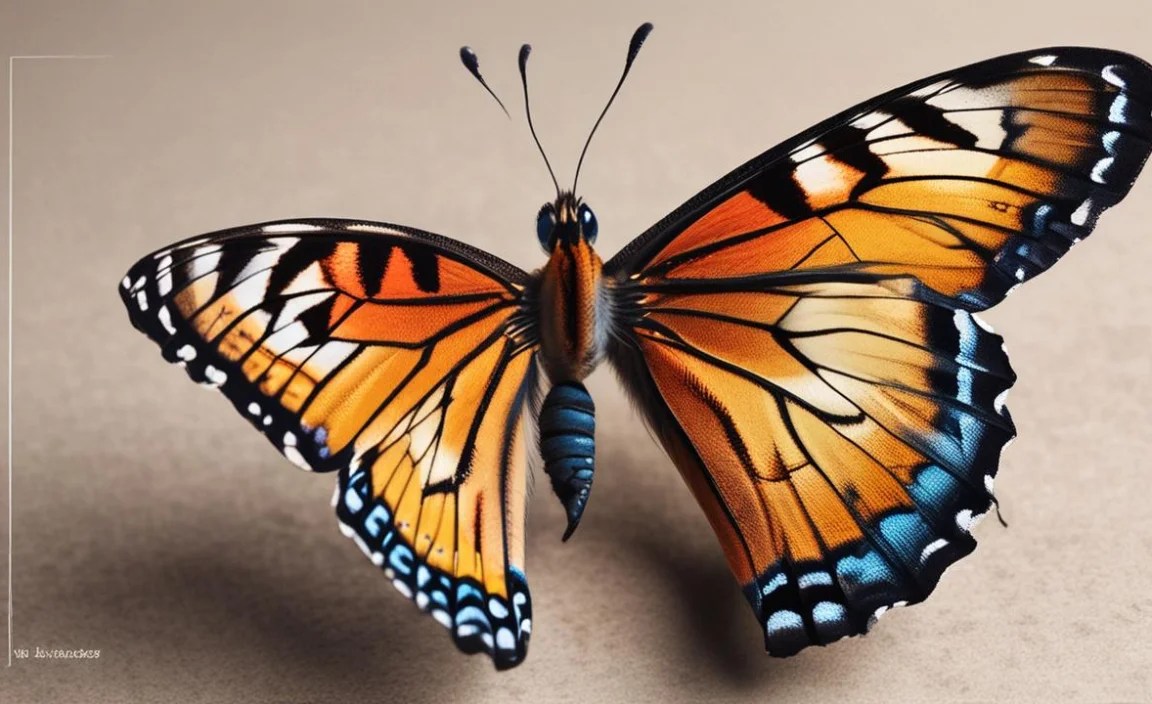
Sometimes, butterflies have rare markings or unique features. These can set them apart from other species. These markings might be unusual spots or stripes. They might be odd shapes or colors. Some butterflies have tails or extensions on their wings. Others have transparent patches. Looking for these unique features can be very helpful. It can help you identify rare or unusual butterflies. It can also give you an edge in how to tell butterfly species by wings.
- Look for unusual spots or stripes.
- Note any tails or extensions.
- Check for transparent patches.
- Pay attention to wing edges.
- Use a specialized field guide.
Rare markings and unique features can be caused by genetics. Sometimes, a butterfly is born with a mutation. This mutation can change its appearance. Other times, these features are caused by the environment. Damage to the wings during development can create unusual patterns. Whatever the cause, these unique features make butterfly identification even more interesting. It shows how to tell butterfly species by wings can sometimes be a matter of luck and careful observation.
Fun Fact or Stat: Some butterflies have wings that look like stained glass!
What Are Some Examples of Rare Markings?
There are many examples of rare markings on butterfly wings. Some butterflies have extra spots or stripes. These markings might be in unusual places. Some butterflies have spots that are different colors. They might have blue spots on orange wings. Some butterflies have wings that are asymmetrical. The patterns on each wing are different. These rare markings can make a butterfly very special. They can also make it easier to learn how to tell butterfly species by wings.
Why Do Some Butterflies Have Unique Features?
Unique features on butterfly wings can be caused by many things. Genetics plays a role. Mutations can lead to unusual markings. The environment can also play a role. Damage to the wings during development can create unique features. Sometimes, the cause is unknown. These unique features add to the diversity of butterflies. They make each butterfly special. They also add an element of surprise to how to tell butterfly species by wings.
How Can Unique Features Help with Butterfly ID?
Unique features can be very helpful for butterfly identification. They can set a butterfly apart from other species. If you see a butterfly with an unusual marking, take note of it. This marking might be the key to identifying the butterfly. Use a field guide to compare your observations. Look for descriptions of rare markings. This can help you narrow down the possibilities. It can also help you learn more about butterflies. In short, they are another clue to how to tell butterfly species by wings.
Summary
Butterflies are beautiful insects. Their wings are full of clues. These clues help us figure out what kind of butterfly we are seeing. We can look at the color of the wings. We can also look at the size and shape. The patterns on the wings are important. These patterns can include spots, stripes, and bands. The underside of the wings can have different patterns. These patterns can be helpful for identification. Some butterflies have rare markings or unique features. These can set them apart from other species. How to tell butterfly species by wings involves careful observation. It also involves using a good field guide.
Conclusion
Learning how to tell butterfly species by wings is a fun hobby. It helps us appreciate nature. Butterfly wings have unique colors and shapes. They also have patterns. By looking closely, we can identify different butterflies. We can learn about their lives. We can also help protect them. So, get outside and start exploring! See what butterflies you can find.
Frequently Asked Questions
Question No 1: What is the best way to start learning butterfly identification?
Answer: The best way to start is by getting a good butterfly field guide. Look for one that covers the butterflies in your area. Start by learning the common species. Pay attention to the colors, sizes, and shapes of their wings. Practice observing butterflies in your garden or local park. Over time, you will become more familiar with the different species. Learning about families is also a great way to begin figuring out how to tell butterfly species by wings.
Question No 2: Are there any online resources that can help me identify butterflies?
Answer: Yes, there are many online resources that can help. Websites like the Butterfly Identification Project and Butterflies and Moths of North America are great places to start. These websites have pictures and descriptions of different butterfly species. You can also find forums and communities where you can ask questions and share your observations. Just be sure that the resources you are using are credible and reliable.
Question No 3: How important is it to look at the underside of a butterfly’s wings?
Answer: Looking at the underside of a butterfly’s wings is very important. The undersides often have different patterns and markings than the topsides. These patterns can be key to identifying certain species. Some butterflies even have camouflage patterns on their undersides. These patterns help them blend in with their surroundings. So, always try to get a good look at both sides of the wings. This will help you learn how to tell butterfly species by wings.
Question No 4: What should I do if I see a butterfly with an unusual marking?
Answer: If you see a butterfly with an unusual marking, take a picture if you can. Note the location and appearance of the marking. Then, consult your field guide or online resources. See if you can find any information about similar markings. It’s possible that you’ve found a rare or unusual butterfly. You can also share your observation with a local butterfly expert or on a butterfly forum. This may help you identify the butterfly and contribute to scientific knowledge. It can add a new angle to how to tell butterfly species by wings.
Question No 5: Can the time of year affect butterfly wing patterns?
Answer: Yes, the time of year can affect butterfly wing patterns. Some butterflies have different forms depending on the season. These forms may have different colors or markings. This is often due to changes in temperature or food availability. For example, some butterflies have a summer form and a winter form. The summer form may be brighter and more colorful. The winter form may be duller and more camouflaged. This is another factor to keep in mind as you consider how to tell butterfly species by wings.
Question No 6: Is it possible to identify a butterfly from a photograph of its wings?
Answer: Yes, it is often possible to identify a butterfly from a photograph of its wings. A clear, close-up photo can capture important details such as color, pattern, and shape. These details can be compared to images in a field guide or online. However, it’s important to get a good photo. Make sure the wings are in focus and well-lit. Also, try to capture both the topside and underside of the wings. Keep in mind that how to tell butterfly species by wings via photographs can be trickier. This is especially true for similar-looking species.


