
Monarch Butterfly Migration Stories: Amazing Tales

Monarch butterfly migration stories are truly amazing! These delicate creatures travel thousands of miles each year. They journey from Canada and the United States to warmer places like Mexico and California. Want to learn more about this incredible journey? This guide will explore the wonders of monarch migration. We’ll uncover their routes, challenges, and how you can help these beautiful butterflies.
In this article, we’ll discover the secrets of the monarch’s long flight. You’ll learn where they go, how they navigate, and what makes their journey so special. We’ll also discuss the threats they face and what we can do to protect them. Ready to explore the fascinating world of monarch migration?
What is Monarch Butterfly Migration?
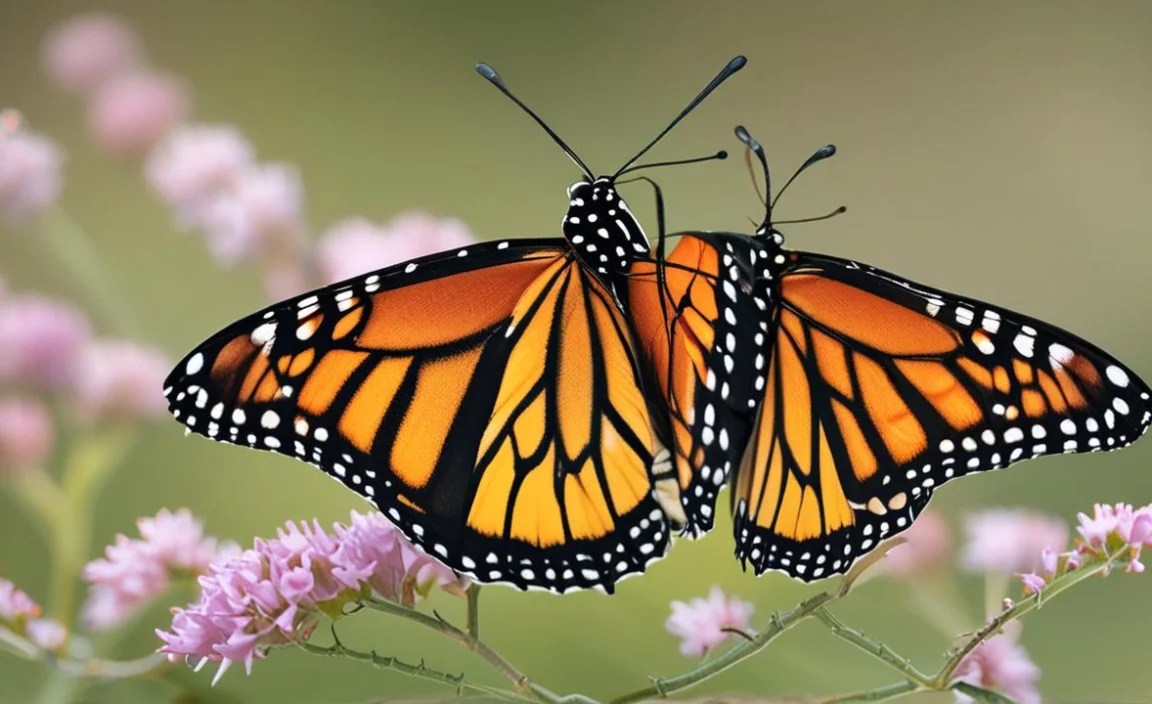
Monarch butterfly migration is the yearly journey these butterflies make. They travel from their summer breeding grounds to warmer winter habitats. This incredible migration spans thousands of miles. It takes several generations of butterflies to complete the full cycle.
Eastern monarchs migrate from Canada and the eastern United States to central Mexico. Western monarchs travel from the western United States and Canada to California. These journeys are crucial for the survival of the species. They avoid the harsh winter conditions in their northern breeding areas.
Why Do Monarch Butterflies Migrate?
Monarchs migrate to escape the cold. They cannot survive freezing temperatures. The warm climates of Mexico and California provide suitable overwintering habitats. These areas offer the butterflies shelter and the resources they need to survive.
During migration, monarchs also seek out specific microclimates. These areas protect them from extreme weather. The oyamel fir forests in Mexico, for instance, provide a stable, humid environment. This helps the monarchs conserve energy and survive the winter.
When Does Monarch Migration Happen?
Monarch migration occurs in the fall. It usually begins in late August and continues through October. The butterflies travel south as temperatures drop. They arrive at their overwintering sites in November. The return migration north starts in the spring, around February and March.
The timing of migration is influenced by temperature, daylight, and the availability of milkweed. Milkweed is the only food source for monarch caterpillars. As milkweed dies back in the fall, monarchs are triggered to begin their journey south. You can check out resources like the U.S. Forest Service website for more information.
The Amazing Journey: Monarch Migration Routes

Monarch butterflies follow specific routes during their migration. These routes have been shaped by generations of monarchs. They rely on instinct, the Earth’s magnetic field, and the position of the sun to navigate.
Eastern Monarch Migration Route
Eastern monarchs travel from Canada and the eastern United States to central Mexico. Their route is one of the longest insect migrations in the world. The journey covers thousands of miles.
The eastern monarch migration route generally follows these steps:
- Departure: Monarchs leave their breeding grounds in the northeastern United States and Canada in late summer and early fall.
- Central Flyway: They fly southwest, converging along the central flyway through states like Iowa, Kansas, and Oklahoma.
- Texas Stopover: Many monarchs stop in Texas to refuel on nectar before crossing the arid regions of northern Mexico.
- Overwintering Sites: They reach the oyamel fir forests in the mountains of central Mexico, where they spend the winter.
These oyamel fir forests are critical for the survival of the eastern monarch population. The butterflies cluster together on the trees, forming massive colonies. This helps them conserve heat and moisture.
Western Monarch Migration Route
Western monarchs migrate from the western United States and Canada to the California coast. This migration is shorter than the eastern migration. However, it is still an impressive feat.
The western monarch migration route typically involves these steps:
- Departure: Monarchs leave their breeding grounds in the Pacific Northwest and western states in the fall.
- Coastal California: They fly towards the California coast, seeking out overwintering sites.
- Overwintering Groves: They gather in eucalyptus, Monterey pine, and cypress groves along the coast.
These coastal groves provide the monarchs with shelter from the wind and cold. They also offer a source of nectar. This helps the butterflies survive the winter months.
Navigation Secrets: How Do Monarchs Find Their Way?
Monarchs use a combination of cues to navigate during their migration. These include:
- Sun Compass: Monarchs use the position of the sun to maintain a consistent direction.
- Magnetic Field: They can detect the Earth’s magnetic field. This helps them stay on course even on cloudy days.
- Landmarks: They may use landmarks such as rivers, mountains, and coastlines to guide their journey.
- Inherited Knowledge: Migration routes are passed down through generations. This instinctive knowledge guides the butterflies along their journey.
Scientists are still learning about all the factors that influence monarch navigation. However, it is clear that these butterflies possess remarkable navigational abilities.
Monarch Butterfly Generations and Migration

Monarch migration is a multi-generational event. It takes several generations of butterflies to complete the full migration cycle. Each generation plays a different role in the journey.
The Migratory Generation
The migratory generation is unique. These monarchs live much longer than other generations. They are born in late summer and early fall. They are the ones that make the long journey south. They can live up to eight or nine months.
This generation is different because it enters a state of reproductive diapause. This means they delay reproduction until the spring. This allows them to conserve energy for the long flight and overwintering period.
The Spring and Summer Generations
The spring and summer generations are responsible for the return journey north. These butterflies live only a few weeks. They reproduce and lay eggs on milkweed plants as they travel.
It takes three to four generations to complete the migration cycle. Each generation moves further north. They repopulate the breeding grounds in Canada and the United States.
Here is a table summarizing the different monarch generations and their roles:
| Generation | Lifespan | Role |
|---|---|---|
| Migratory Generation | 8-9 months | Migrates south to overwintering sites |
| First Spring Generation | 2-6 weeks | Begins the journey north, lays eggs |
| Second Spring Generation | 2-6 weeks | Continues the journey north, lays eggs |
| Summer Generation | 2-6 weeks | Completes the journey north, populates breeding grounds |
Threats to Monarch Migration
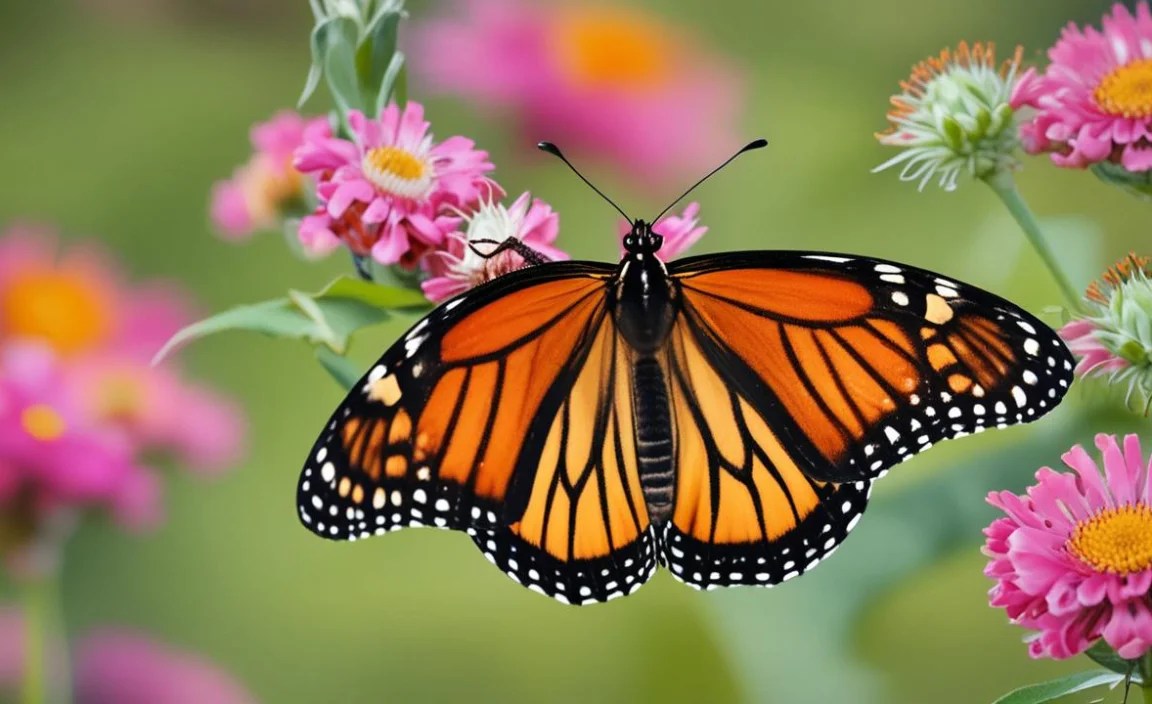
Monarch butterflies face many threats. These threats endanger their migration. Habitat loss, climate change, and pesticide use are major concerns.
Habitat Loss
Habitat loss is one of the biggest threats to monarch butterflies. The destruction of milkweed and nectar sources reduces the availability of food for monarchs. This is detrimental to their survival.
Development, agriculture, and deforestation contribute to habitat loss. These activities destroy the natural areas where monarchs breed and feed. Conservation efforts, like planting milkweed, are essential to counteract this loss.
Climate Change
Climate change is also a significant threat to monarch butterflies. Changes in temperature and rainfall patterns disrupt their migration. Extreme weather events, such as droughts and storms, can devastate monarch populations.
Climate change can also affect the availability of milkweed. Altered growing seasons and increased temperatures can reduce the plant’s nutritional value. This can impact monarch caterpillar development.
Pesticide Use
Pesticide use poses a direct threat to monarch butterflies. Insecticides, such as neonicotinoids, can kill monarchs when they come into contact with treated plants. Herbicides can eliminate milkweed, the monarch caterpillar’s only food source.
Reducing pesticide use and promoting organic farming practices can help protect monarch butterflies. These practices support healthier ecosystems and provide safer habitats for monarchs.
Other Threats
Other threats to monarch butterflies include:
- Disease: Monarchs can be affected by diseases such as Ophryocystis elektroscirrha (OE), a protozoan parasite.
- Predation: Monarchs are preyed upon by birds, spiders, and other insects.
- Illegal Logging: Illegal logging in the overwintering sites in Mexico destroys the oyamel fir forests that provide shelter for monarchs.
How You Can Help Monarch Butterflies

There are many ways you can help monarch butterflies. Planting milkweed, creating butterfly gardens, and supporting conservation organizations are all effective actions.
Plant Milkweed
Planting milkweed is one of the most important things you can do to help monarch butterflies. Milkweed is the only food source for monarch caterpillars. By planting milkweed, you provide essential habitat for monarchs.
Choose native milkweed species that are appropriate for your region. Native plants are better adapted to local conditions. They provide the best nutrition for monarch caterpillars. You can find a list of native milkweed species on the Xerces Society website.
Create a Butterfly Garden
Create a butterfly garden to provide nectar sources for adult monarchs. Plant a variety of flowering plants that bloom throughout the growing season. Choose plants with different colors and shapes to attract a wide range of butterflies.
Include plants like zinnias, coneflowers, and asters in your butterfly garden. These plants provide nectar that fuels monarchs during their migration. Also, be sure to avoid using pesticides in your garden. This keeps it safe for monarchs and other pollinators.
Support Conservation Organizations
Support conservation organizations that work to protect monarch butterflies. These organizations conduct research, restore habitat, and advocate for policies that benefit monarchs.
Consider donating to organizations like the Monarch Joint Venture, the Xerces Society, or the World Wildlife Fund. These groups are dedicated to monarch conservation. They use donations to support their work.
Educate Others
Educate others about the importance of monarch butterflies. Share information about their migration, the threats they face, and how people can help. Raise awareness in your community and encourage others to take action.
Share your knowledge with friends, family, and neighbors. Organize educational events, give presentations, or write articles about monarch butterflies. By spreading awareness, you can inspire others to get involved in monarch conservation.
Reduce Pesticide Use
Reduce pesticide use in your garden and around your home. Pesticides can harm monarch butterflies and other beneficial insects. Choose organic gardening methods and use natural pest control alternatives.
Avoid using neonicotinoid insecticides, which are particularly harmful to pollinators. Use natural methods such as hand-picking pests, using insecticidal soap, or introducing beneficial insects to control pests. This protects monarchs and creates a healthier environment for all.
FAQ: Monarch Butterfly Migration Stories
Why are monarch butterflies important?
Monarch butterflies are important pollinators. They help plants reproduce. They also serve as an indicator species. Their health reflects the health of the environment.
How far do monarch butterflies migrate?
Eastern monarchs migrate up to 3,000 miles. They travel from Canada and the United States to central Mexico. Western monarchs migrate shorter distances. They travel to the California coast.
What do monarch butterflies eat during migration?
Monarch butterflies eat nectar from flowers during migration. Nectar provides the energy they need for their long journey.
How long do monarch butterflies live?
Most monarch butterflies live only a few weeks. However, the migratory generation can live up to eight or nine months.
Where do monarch butterflies overwinter?
Eastern monarchs overwinter in the oyamel fir forests in the mountains of central Mexico. Western monarchs overwinter in eucalyptus, Monterey pine, and cypress groves along the California coast.
What is threatening monarch butterflies?
Monarch butterflies are threatened by habitat loss, climate change, and pesticide use. These factors reduce their food sources and overwintering habitats.
How can I attract monarch butterflies to my garden?
You can attract monarch butterflies to your garden by planting milkweed and nectar-rich flowers. Avoid using pesticides and provide a water source. This creates a welcoming habitat for monarchs.
Conclusion
Monarch butterfly migration stories are filled with wonder and resilience. These tiny creatures undertake an incredible journey. They face numerous challenges along the way. Understanding their migration and the threats they face is the first step towards protecting them.
By planting milkweed, creating butterfly gardens, and supporting conservation efforts, you can make a difference. Every action, no matter how small, contributes to the survival of these beautiful butterflies. Let’s work together to ensure that future generations can witness the magic of monarch migration.


