
Identifying Butterflies in Pacific Northwest: Easy Guide

Have you ever seen a butterfly? They fly around in gardens. Butterflies are pretty and colorful. They flutter from flower to flower. Do you want to learn more about them? Identifying butterflies in the Pacific Northwest can be fun. Let’s explore the world of butterflies together!
Key Takeaways
- Use field guides and online resources to help you identify butterflies.
- Look at size, color, and markings on the wings to identify butterflies.
- Knowing their habitat and behavior can help with identifying butterflies in Pacific Northwest.
- Take photos of butterflies; compare them later using books or websites.
- Join local butterfly groups to learn from experts and share your findings.
How to Start Identifying Butterflies in Pacific Northwest

Have you ever wondered what kind of butterfly you saw? Identifying butterflies in the Pacific Northwest can be a cool hobby. It helps you learn about nature. You can start by looking at their colors. Some butterflies are bright orange. Others are deep blue. The patterns on their wings are also important. Some have spots. Others have stripes. These things can help you figure out what kind of butterfly it is. Remember to be patient. It takes time to learn all the different types. You will get better with practice. Soon, you’ll be a butterfly expert! Grab your guide and let’s explore!
- Buy a good butterfly field guide for your area.
- Visit local parks and gardens to see different butterflies.
- Take pictures of the butterflies you find.
- Use online resources to help identify them.
- Join a local butterfly watching group.
Imagine you are walking in a garden. A bright yellow butterfly flits past. You want to know what it is. You can use a field guide to help you. Look at the pictures. Compare them to the butterfly you saw. Note the size and shape. Check the colors and patterns. With a little practice, you will learn to identify butterflies in the Pacific Northwest. It’s like being a detective, but with wings! Always respect the butterflies and their habitat. Observation is key to learning. Enjoy your butterfly adventures!
Fun Fact or Stat: There are over 20,000 species of butterflies in the world!
What Makes Butterflies Unique?
Butterflies are not just pretty insects. They have unique features. Their wings are covered in tiny scales. These scales give them their color. The colors can help them hide. They can also attract mates. Butterflies taste with their feet. They use their antennae to smell. Some butterflies migrate long distances. This means they travel to different places each year. The Monarch butterfly is famous for this. They fly thousands of miles. Butterflies play an important role in nature. They help pollinate flowers. This helps plants grow. Butterflies are amazing creatures!
Why Are Butterflies Important?
Butterflies are important for many reasons. They are part of the food chain. Birds and other animals eat them. They also help plants. When they visit flowers, they carry pollen. This helps the plants make seeds. Without butterflies, some plants might not survive. Butterflies are also indicators of a healthy environment. If there are many butterflies, it means the environment is good. If there are few butterflies, it could mean there is a problem. Identifying butterflies in the Pacific Northwest helps scientists keep track of their populations. This can help protect them.
How Can You Attract Butterflies?
Want to see more butterflies in your yard? You can attract them. Plant flowers that butterflies like. Some good choices are lavender, butterfly bush, and zinnias. Make sure to have plants that provide food for caterpillars too. Milkweed is a favorite for Monarch caterpillars. Avoid using pesticides. These can harm butterflies and other insects. Provide a water source. A shallow dish with wet sand works well. Butterflies can land on the sand and drink. With a little effort, you can create a butterfly-friendly habitat. Soon, your yard will be full of beautiful butterflies!
Understanding Butterfly Anatomy for Identification
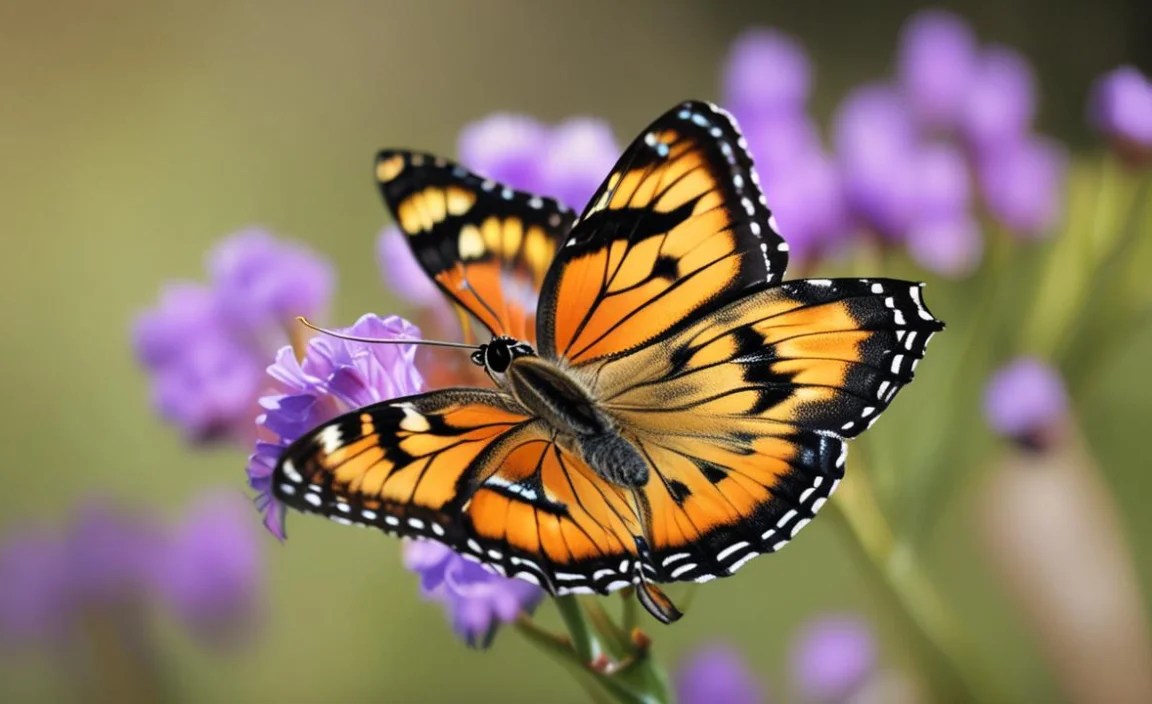
To get better at identifying butterflies in Pacific Northwest, it helps to know their parts. The body has three main parts. These are the head, thorax, and abdomen. The head has antennae and eyes. Butterflies use antennae to smell. Their eyes help them see. The thorax is the middle part of the body. The wings and legs are attached here. Butterflies have six legs. The abdomen is the back part of the body. It contains the digestive system. The wings are covered in scales. These scales are what give butterflies their color and patterns. Knowing these parts can help you describe butterflies better.
- Learn the basic parts of a butterfly: head, thorax, abdomen.
- Notice the shape and size of the wings.
- Look closely at the patterns on the wings.
- Pay attention to the antennae and legs.
- Understand how these parts help with identification.
Imagine you are drawing a butterfly. You start with the body. Draw a small head, a middle thorax, and a longer abdomen. Then add the wings. Notice that the front wings are often different from the back wings. Look at the veins in the wings. These can be helpful for identification. Draw the antennae. They can be long or short. Practice drawing different types of butterflies. This will help you remember their features. Knowing the anatomy makes identifying butterflies in the Pacific Northwest easier. Plus, you will be a great artist!
Fun Fact or Stat: A butterfly’s wings are transparent, but they are covered in thousands of tiny scales that reflect light and give them their color!
What Do Butterfly Wings Do?
Butterfly wings are amazing. They do more than just help butterflies fly. The colors and patterns on the wings can help them hide. This is called camouflage. It helps them avoid predators. Some butterflies have patterns that look like eyes. These can scare away birds. The wings also help butterflies control their body temperature. They can absorb heat from the sun. This helps them stay warm on cool days. The wings are delicate but strong. They are made of thin layers of tissue. They allow butterflies to fly gracefully.
How Do Butterflies Use Their Antennae?
Butterflies use their antennae to smell. They can detect chemicals in the air. This helps them find food. It also helps them find mates. The antennae are covered in tiny sensors. These sensors are very sensitive. They can detect even the smallest amounts of chemicals. Butterflies can also use their antennae to sense the wind. This helps them fly in a straight line. The antennae are important tools for butterflies. They help them survive in their environment. Without them, it would be hard to find food and mates.
Why Are Butterfly Colors Important?
Butterfly colors are very important. They can help butterflies hide from predators. Some butterflies have colors that blend in with their surroundings. This makes it hard for birds to see them. Other butterflies have bright colors. These colors can warn predators that they are poisonous. Some butterflies mimic other butterflies. This means they look like a poisonous butterfly. This can protect them from predators. The colors also help butterflies find mates. Males and females often have different colors. The colors are an important part of their survival.
Common Butterfly Families in the Pacific Northwest

The Pacific Northwest has many types of butterflies. These butterflies belong to different families. Each family has its own special traits. One family is the Swallowtails. These butterflies have long tails on their wings. Another family is the Whites and Sulphurs. These butterflies are usually white or yellow. The Blues, Coppers, and Hairstreaks are small and colorful. The Brush-footed butterflies have hairy front legs. The Skippers are small and fast-flying. Learning about these families can help you with identifying butterflies in Pacific Northwest. It’s like learning about different groups of animals.
- Learn about Swallowtail butterflies with their long tails.
- Recognize Whites and Sulphurs, often white or yellow.
- Identify Blues, Coppers, and Hairstreaks by their small size and colors.
- Notice Brush-footed butterflies with their hairy front legs.
- Spot Skippers, which are small and fly very fast.
Imagine you are at a butterfly exhibit. You see a large butterfly with long tails. It is probably a Swallowtail. Then you see a small blue butterfly. It is likely a Blue. A white butterfly flits by. It is probably a White or Sulphur. You notice a butterfly with hairy legs. It is a Brush-footed butterfly. Finally, you see a small, fast butterfly. It is a Skipper. Knowing these families helps you sort the butterflies. This makes identifying butterflies in the Pacific Northwest easier and more fun. Each family has its own story to tell.
Fun Fact or Stat: The Swallowtail family is one of the largest butterfly families, with over 550 species worldwide!
What Are Swallowtail Butterflies?
Swallowtail butterflies are large and beautiful. They have long tails on their wings. These tails look like the tails of swallow birds. Swallowtails come in many colors. Some are yellow and black. Others are blue and green. They are often found in gardens and meadows. Swallowtail caterpillars eat different plants. Some eat citrus leaves. Others eat parsley or dill. Swallowtails are important pollinators. They help flowers make seeds. They are a welcome sight in any garden. Their graceful flight is a joy to watch.
What Are Blue Butterflies?
Blue butterflies are small and delicate. They are usually bright blue. Some are purple or gray. They are often found near flowers. Blue caterpillars eat different plants. Some eat clover. Others eat beans. Blue butterflies are important for the ecosystem. They help pollinate flowers. They also provide food for birds and other animals. They are a reminder of the beauty of nature. Their small size makes them easy to miss. But their color makes them unforgettable.
What Are Skipper Butterflies?
Skipper butterflies are small and fast. They have thick bodies. Their wings are usually brown or orange. They fly very quickly. This makes them hard to catch. Skippers are found in many habitats. They like grasslands and meadows. Skipper caterpillars eat grasses. Skippers are important pollinators. They help flowers make seeds. They are a unique group of butterflies. Their fast flight is a sight to see. They are often overlooked, but they play an important role in nature.
Tools for Butterfly Identification in the Field

Identifying butterflies in Pacific Northwest becomes easier with the right tools. A good field guide is a must. It has pictures and descriptions of different butterflies. Binoculars can help you see butterflies up close. A camera lets you take pictures. You can look at the pictures later. A notebook and pencil are useful for taking notes. You can write down what you see. A magnifying glass helps you see small details. With these tools, you will be ready to explore the world of butterflies. Remember to be patient and have fun!
- Use a field guide with pictures and descriptions.
- Bring binoculars to see butterflies up close.
- Carry a camera to take pictures for later.
- Use a notebook and pencil for taking notes.
- Have a magnifying glass to see small details.
Imagine you are going on a butterfly hunt. You pack your backpack. You put in your field guide. You grab your binoculars. You take your camera and notebook. You remember your magnifying glass. You are ready to go! You walk into a meadow. You see a butterfly flitting around. You use your binoculars to get a closer look. You take a picture with your camera. You write down what you see in your notebook. You use your magnifying glass to see the details. With these tools, identifying butterflies in the Pacific Northwest is much easier and more exciting!
Fun Fact or Stat: Some butterfly field guides include range maps, which show where each species is found!
How to Use a Butterfly Field Guide
A butterfly field guide is a helpful tool. It has pictures and descriptions of butterflies. To use it, first look at the butterfly you see. Notice its size and color. Look at the patterns on its wings. Then, find the section in the field guide that matches the butterfly’s color. Look at the pictures. Compare them to the butterfly you saw. Read the description. See if it matches what you observed. The field guide will help you identify the butterfly. Remember to be patient. It takes practice to use a field guide well. Soon, you will be an expert!
Why Use Binoculars for Butterfly Watching?
Binoculars can help you see butterflies better. They bring the butterflies closer. This lets you see details you might miss. You can see the colors and patterns on their wings. You can also see their antennae and legs. Binoculars are especially useful for butterflies that are far away. They can also help you see butterflies that are high up in trees. Choose binoculars that are lightweight. This will make them easier to carry. With binoculars, you will see butterflies in a whole new way.
How to Take Good Butterfly Photos
Taking pictures of butterflies is a great way to learn about them. Use a camera with a zoom lens. This will let you get close-up shots. Try to take pictures in good light. Early morning or late afternoon is best. Be patient. Butterflies move around a lot. Try to focus on the butterfly’s wings. This will show the colors and patterns. Take lots of pictures. You can choose the best ones later. Share your pictures with others. This will help them learn about butterflies too. Photography is a great way to enjoy nature.
Butterfly Habitats in the Pacific Northwest

Butterflies live in different places. These places are called habitats. Some butterflies like meadows. Others prefer forests. Some live near water. The Pacific Northwest has many different habitats. This means it has many different butterflies. Identifying butterflies in the Pacific Northwest means knowing where they live. If you know the habitat, you can narrow down the possibilities. It’s like knowing where to look for hidden treasure. The right habitat can lead you to the right butterfly.
- Explore meadows where many butterflies like to live.
- Visit forests to find butterflies that prefer shade.
- Check near water sources for butterflies that need moisture.
- Learn which plants grow in different habitats.
- Understand how habitat affects butterfly distribution.
Imagine you are exploring the Pacific Northwest. You start in a meadow. You see many colorful butterflies flitting among the wildflowers. Then you go to a forest. You see darker butterflies resting on the leaves. Next, you visit a stream. You see butterflies drinking water from the rocks. Each habitat has its own special butterflies. Knowing these habitats helps you identify butterflies in the Pacific Northwest. It’s like being a detective, but with nature clues. Each place tells a different story.
Fun Fact or Stat: Some butterflies are only found in one specific type of habitat, making habitat knowledge crucial for identification!
Why Are Meadows Good for Butterflies?
Meadows are great for butterflies because they have many flowers. Butterflies need nectar from flowers for food. Meadows also have plants that caterpillars eat. These plants are called host plants. Meadows provide shelter for butterflies. They can hide from predators in the tall grass. Meadows are sunny and warm. Butterflies need warmth to fly. Without meadows, many butterflies would not survive. Protecting meadows is important for butterfly conservation. Meadows are a vital part of the ecosystem.
What Butterflies Live in Forests?
Some butterflies like to live in forests. These butterflies are often darker in color. This helps them blend in with the trees. They eat nectar from forest flowers. Their caterpillars eat leaves from trees. Some forest butterflies are rare. They are only found in certain forests. Protecting forests is important for these butterflies. Forests provide shelter and food. Without forests, these butterflies would disappear. Forests are a special place for butterflies. They are a reminder of the beauty of nature.
How Do Water Sources Help Butterflies?
Water sources are important for butterflies. Butterflies need water to survive. They drink water from puddles and streams. They also get water from nectar. Water helps butterflies stay cool. It also helps them digest food. Some butterflies gather around water sources in groups. This is called puddling. They drink minerals from the water. These minerals are important for their health. Water sources are a vital part of the butterfly habitat. Protecting water sources helps butterflies thrive.
Life Cycle Stages and Butterfly Identification

Butterflies go through different stages. These stages are called the life cycle. The life cycle has four parts. First, there is the egg. Then, there is the caterpillar. Next, there is the pupa. Finally, there is the adult butterfly. Each stage looks different. Knowing these stages can help with identifying butterflies in Pacific Northwest. You can identify a butterfly by looking at its caterpillar. You can also identify it by looking at its pupa. It’s like solving a puzzle, one stage at a time.
- Learn the four stages of a butterfly’s life cycle.
- Recognize butterfly eggs on host plants.
- Identify different types of caterpillars.
- Know what a pupa or chrysalis looks like.
- Understand how the life cycle helps with identification.
Imagine you are watching a butterfly garden. You see tiny eggs on a leaf. These are butterfly eggs. Then you see a caterpillar munching on the leaves. It is growing bigger and bigger. Next, you see a pupa hanging from a branch. It is changing inside. Finally, you see a butterfly emerge from the pupa. It is beautiful and colorful. You have seen the whole life cycle. Knowing these stages helps you identify butterflies in the Pacific Northwest. It’s like watching a magic show, but it’s real!
Fun Fact or Stat: The caterpillar stage is all about eating and growing; some caterpillars can increase their weight by thousands of times!
What Do Butterfly Eggs Look Like?
Butterfly eggs come in many shapes and sizes. Some are round. Others are oval. Some are smooth. Others are bumpy. They can be white, yellow, green, or brown. Butterflies lay their eggs on host plants. These are the plants that the caterpillars will eat. Look for eggs on the underside of leaves. Use a magnifying glass to see them better. Butterfly eggs are tiny but important. They are the beginning of a new butterfly life.
How to Identify Caterpillars
Caterpillars are the eating machines of the butterfly world. They come in many colors and patterns. Some are green. Others are brown. Some have stripes. Others have spots. Look at the plants they are eating. This can help you identify them. Some caterpillars are poisonous. Avoid touching them. Caterpillars grow quickly. They shed their skin several times. This is called molting. Identifying caterpillars is a fun challenge. It helps you learn about butterflies.
What Is a Butterfly Pupa or Chrysalis?
The pupa is the stage between the caterpillar and the butterfly. It is also called a chrysalis. The pupa is usually green or brown. It blends in with its surroundings. Inside the pupa, the caterpillar is changing. It is turning into a butterfly. This process takes several weeks. The pupa hangs from a branch or leaf. It is a delicate stage. Avoid touching it. When the butterfly is ready, it will emerge from the pupa. This is a magical moment.
Resources for Learning About Pacific Northwest Butterflies

There are many ways to learn about butterflies. You can use books. You can visit websites. You can join butterfly clubs. You can go to museums. You can talk to experts. There are many resources available. Identifying butterflies in the Pacific Northwest is easier with these resources. They provide information and support. They help you connect with other butterfly lovers. Learning about butterflies is a lifelong journey. Enjoy the ride!
- Use field guides to identify butterflies in your area.
- Visit websites with butterfly information and photos.
- Join a local butterfly watching club or organization.
- Attend workshops or talks by butterfly experts.
- Visit natural history museums to see butterfly collections.
Imagine you want to learn more about butterflies. You go to the library. You check out some butterfly books. You visit a butterfly website. You find a local butterfly club. You attend a workshop. You go to a museum. You talk to a butterfly expert. You are learning so much! With these resources, identifying butterflies in the Pacific Northwest becomes easier and more enjoyable. It’s like having a team of helpers guiding you on your butterfly adventure. Each resource adds a piece to the puzzle.
Fun Fact or Stat: Many universities and research institutions have online databases of butterfly species, complete with photos and distribution maps!
What Are Good Butterfly Websites?
There are many good butterfly websites. Some websites have pictures and descriptions of butterflies. Others have information about butterfly conservation. Some websites let you report your butterfly sightings. This helps scientists track butterfly populations. Look for websites that are easy to use. Choose websites that have accurate information. Some popular butterfly websites include the Butterfly Conservation Society and Butterflies and Moths of North America. These websites are a great resource for butterfly lovers.
Where to Find Butterfly Books
You can find butterfly books at many places. Libraries have a wide selection of butterfly books. Bookstores also sell butterfly books. Online retailers offer many butterfly books. Look for field guides specific to your area. These guides will have pictures and descriptions of local butterflies. Choose books that are easy to understand. Look for books with good pictures. Butterfly books are a great way to learn about butterflies.
How to Join a Butterfly Club
Joining a butterfly club is a great way to learn about butterflies. Butterfly clubs organize field trips. They also have meetings and workshops. You can meet other butterfly lovers. You can learn from experts. Search online for butterfly clubs in your area. Contact the club to learn more. Attend a meeting or field trip. See if it is a good fit for you. Butterfly clubs are a fun way to explore the world of butterflies. They offer support and friendship.
| Resource Type | Pros | Cons | Cost |
|---|---|---|---|
| Field Guides | Portable, detailed species information. | Can become outdated, limited images. | $15–$30 |
| Websites | Free, up-to-date, vast image galleries. | Accuracy varies, requires internet. | Free to subscription based |
| Butterfly Clubs | Expert knowledge, field trips, community. | Time commitment, may have membership fees. | $0–$50/year |
| Museums | See specimens up close, educational displays. | Limited live butterflies, travel required. | $0–$25/visit |
| Workshops | Hands-on learning, expert instruction. | Can be expensive, limited availability. | $20–$100/workshop |
Summary
Identifying butterflies in the Pacific Northwest is a fun and rewarding hobby. You can start by learning about butterfly anatomy. Understanding their wings, antennae, and body parts will help. Then, learn about the different butterfly families. Swallowtails, Blues, and Skippers each have unique traits. Use tools like field guides, binoculars, and cameras. These tools will make identification easier. Explore different butterfly habitats. Meadows, forests, and water sources each attract different species. Also, understand the butterfly life cycle. From egg to caterpillar to pupa to adult, each stage is important. With practice and the right resources, you can become a butterfly expert.
Conclusion
Butterflies are beautiful creatures. They add color to our world. Identifying butterflies in the Pacific Northwest is a fun way to connect with nature. You can learn about different species. You can explore their habitats. You can share your knowledge with others. Start with simple steps. Use a field guide. Take pictures. Join a butterfly club. With a little effort, you can become a butterfly expert. Enjoy the beauty and wonder of these amazing insects.
Frequently Asked Questions
Question No 1: What is the best time of year to see butterflies in the Pacific Northwest?
Answer: The best time to see butterflies in the Pacific Northwest is during the spring and summer months. From late April to early September, many butterfly species are active. This is when flowers are blooming. These flowers provide nectar for the butterflies. The weather is also warmer. This makes it easier for butterflies to fly. Different species are active at different times. So, you can see butterflies throughout the season. Look for sunny days. Butterflies are most active when the sun is shining.
Question No 2: What are some common butterflies I might see?
Answer: The Pacific Northwest is home to many butterfly species. Some common ones include the Western Tiger Swallowtail. It is large and yellow with black stripes. The Cabbage White is another common one. It is small and white. The Spring Azure is a small blue butterfly. The Lorquin’s Admiral is dark with orange markings. The Red Admiral is black and orange. These are just a few of the butterflies you might see. Identifying butterflies in the Pacific Northwest can be exciting as you discover more!
Question No 3: How can I attract more butterflies to my garden?
Answer: You can attract butterflies to your garden by planting flowers. Choose flowers that provide nectar. Some good choices are butterfly bush, lavender, and zinnias. Also, plant host plants for caterpillars. Milkweed is a favorite for Monarch caterpillars. Avoid using pesticides. These can harm butterflies and other insects. Provide a water source. A shallow dish with wet sand works well. With a little effort, you can create a butterfly-friendly habitat. Soon, your garden will be full of beautiful butterflies.
Question No 4: Are there any poisonous butterflies in the Pacific Northwest?
Answer: While most butterflies in the Pacific Northwest are not poisonous, some can be distasteful to predators. The Monarch butterfly, for example, is poisonous to birds. This is because its caterpillars eat milkweed. Milkweed contains toxins. These toxins stay in the butterfly’s body. This makes the butterfly taste bad to birds. Other butterflies mimic the Monarch. They look like the Monarch. This helps protect them from predators. It’s important to be aware of this when identifying butterflies in the Pacific Northwest.
Question No 5: What should I do if I find an injured butterfly?
Answer: If you find an injured butterfly, you can try to help it. First, gently pick it up. Be careful not to damage its wings. Place it in a safe place. This could be a box or a container. Provide it with food. You can mix sugar with water. Place the mixture on a cotton ball. Put the cotton ball near the butterfly’s mouth. If the butterfly’s wing is torn, you can try to repair it. Use a small piece of tape. Gently tape the wing together. If the butterfly is seriously injured, contact a local wildlife rehabilitation center. They can provide more specialized care.
Identifying butterflies in the Pacific Northwest also means caring for them.
Question No 6: How can I help protect butterflies in my area?
Answer: There are many ways to help protect butterflies. Plant native flowers in your garden. These flowers provide food for butterflies. Avoid using pesticides. These can harm butterflies. Support organizations that protect butterfly habitats. Educate others about the importance of butterflies. Reduce your carbon footprint. Climate change can affect butterfly populations. By taking these steps, you can help ensure that butterflies thrive in your area. Identifying butterflies in the Pacific Northwest is the first step in appreciating them.


