
Easy ID: How to Tell Different Species of Fritillary

Have you ever seen a butterfly with orange and brown spots? It might be a fritillary! There are many kinds of fritillary butterflies. They all look a bit different. It can be tricky to know which one you are seeing. So, how to tell different species of fritillary butterflies? This article will help you become a fritillary expert.
Fritillary butterflies are beautiful. They fly in fields and gardens. Learning about them is fun. Let’s explore their secrets together. We will learn simple ways to tell them apart. Get ready to discover the world of fritillary butterflies!
Fritillary butterflies are more than just pretty insects. They play a big part in nature. They help flowers make seeds. They are also food for birds and other animals. Knowing how to tell different species of fritillary helps us protect them.
Key Takeaways
- Knowing how to tell different species of fritillary butterflies helps protect them.
- Look at the size, shape, and color of the spots on their wings.
- Check the colors and patterns on the underside of their wings.
- Observe where you find them, as some prefer specific habitats.
- Use a butterfly guidebook to compare your observations with pictures.
How to Identify Fritillary Butterflies

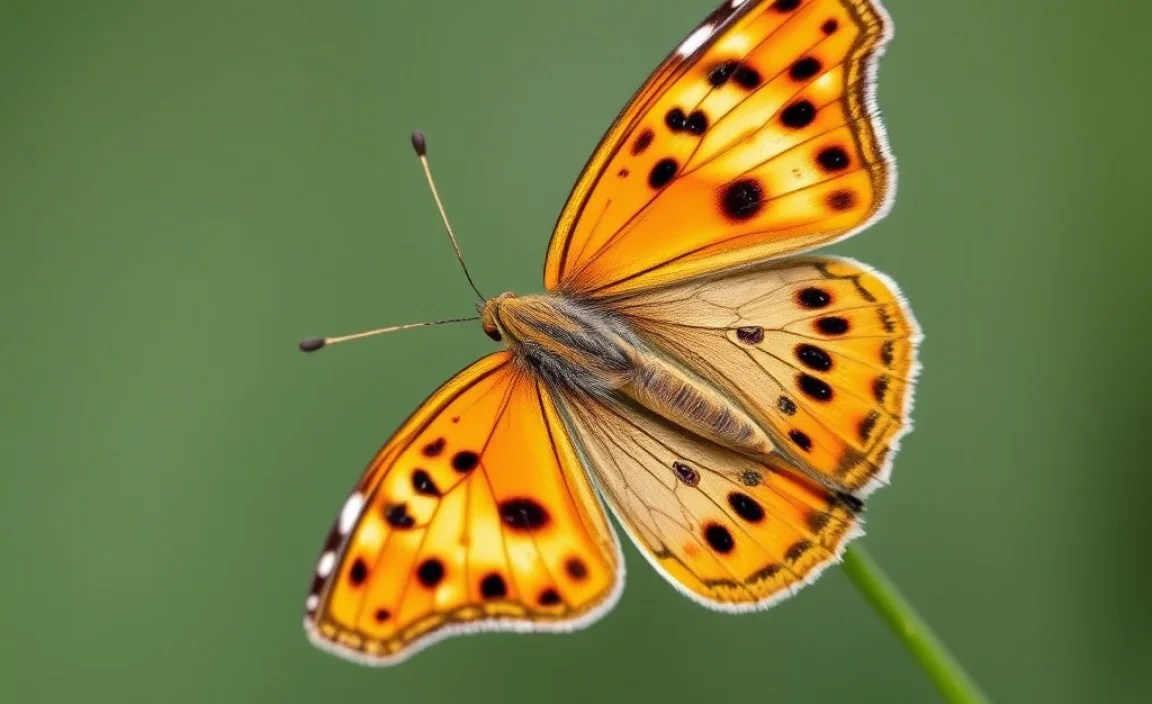
Identifying fritillary butterflies can be a fun challenge. These butterflies often have orange or brown wings. They also have black spots and markings. These spots help us tell them apart. Different species have different patterns. Some have big spots, while others have small spots. The shape of the wings can also be a clue. Some fritillaries have rounded wings. Others have more pointed wings. Paying close attention to these details is important. You can learn how to tell different species of fritillary with practice. Look carefully at the wing patterns. Notice the size and shape of the spots. Check the overall color of the butterfly. All these things can help you figure out what kind of fritillary you have found.
- Check the size of the butterfly.
- Note the color of the wings.
- Examine the shape of the spots.
- Look for any unique markings.
- Consider the overall pattern on the wings.
Understanding the habitat of a fritillary is also helpful. Some species live in forests. Others prefer open meadows. Knowing where you saw the butterfly can narrow down the possibilities. For example, if you find a fritillary in a damp meadow, it might be a specific type that likes wet areas. If you see one in a dry, rocky place, it could be a different kind. Remember to bring a notebook and a pencil. Write down what you see. Draw a picture of the butterfly. These notes will help you compare your findings later. With careful observation, you can become good at identifying fritillary butterflies. Learning how to tell different species of fritillary becomes easier with practice.
What Makes a Fritillary a Fritillary?
Have you ever wondered what makes a fritillary butterfly a fritillary? Well, there are a few special things that set them apart. Most fritillaries have orange wings. These wings are decorated with black spots. The spots come in different shapes and sizes. This is one of the first things to notice. Another important feature is their flight. Fritillaries are strong fliers. They can fly quickly from flower to flower. They also like to bask in the sun. This means they sit with their wings open to warm up. Fritillaries also have a special relationship with certain plants. Their caterpillars eat the leaves of violets. So, if you see a fritillary near violets, that’s a good clue.
Why Do They Have Spots?
Have you ever wondered why fritillary butterflies have spots? Well, those spots are more than just decorations. They actually help the butterfly in a few ways. First, the spots can help the butterfly hide. When it lands on a flower or a leaf, the spots break up its outline. This makes it harder for birds to see and catch it. The spots can also confuse predators. If a bird pecks at a spot, the butterfly might have a chance to escape. The spots might also help the butterfly warm up. Dark spots absorb heat from the sun. This can help the butterfly stay active even when it’s cool outside. So, the spots are important for survival.
Where Do Fritillaries Live?
Where do fritillary butterflies like to live? The answer depends on the species. Some fritillaries live in forests. They like shady areas with lots of trees. Other fritillaries prefer open meadows. They need sunny spots with plenty of flowers. Some even live in mountains! These butterflies can handle cold temperatures and strong winds. The most important thing for a fritillary is to have the right food. Their caterpillars need to eat violet leaves. So, fritillaries will live where violets grow. This means you can find them in many different places. Look for them in your garden, in parks, and even in the countryside.
Fun Fact or Stat: The word “fritillary” comes from the Latin word for a dice box, because the patterns on the butterfly’s wings look like the patterns on a dice box!
Comparing Wing Patterns of Fritillaries

One of the best ways to learn how to tell different species of fritillary is to compare their wing patterns. Wing patterns are like fingerprints for butterflies. Each species has its own unique design. Look closely at the spots on the wings. Are they round or oval? Are they big or small? Are they spread out or close together? Also, pay attention to the lines and bands on the wings. Some fritillaries have thick, dark lines. Others have thin, faded lines. You should also look at the edges of the wings. Some have smooth edges. Others have jagged edges. By comparing these details, you can start to tell the different species apart. Remember to use a good butterfly guidebook. It will have pictures and descriptions of different fritillary species.
- Note the shape of the spots.
- Check the size of the spots.
- Examine the lines on the wings.
- Observe the color of the lines.
- Look at the edges of the wings.
- Use a butterfly guidebook for comparison.
It’s helpful to keep a record of your observations. Write down the date, time, and location where you saw the butterfly. Describe the wing patterns in detail. You can even draw a sketch of the butterfly. Over time, you will start to recognize the different species. You will also learn which ones are common in your area. Remember that some fritillaries can look very similar. It might take some practice to tell them apart. But with patience and careful observation, you can become a fritillary expert. Learning how to tell different species of fritillary is a rewarding experience. It helps you appreciate the beauty and diversity of nature.
What is a Good Field Guide?
What makes a good field guide for identifying butterflies? A good field guide should have clear pictures. The pictures should show the butterflies from different angles. They should also show the butterflies in different stages of life. The guide should also have detailed descriptions. These descriptions should include information about the size, color, and markings of the butterfly. The guide should also tell you where the butterfly lives. It should also tell you what the butterfly eats. A good field guide should be easy to use. It should be organized in a way that makes sense. It should also have an index. This will help you find the butterfly you are looking for quickly.
Why Are Some Butterflies Different Colors?
Have you ever wondered why some butterflies are different colors? The colors of a butterfly’s wings are determined by tiny scales. These scales are like tiny tiles that cover the wing. The scales contain pigments. Pigments are substances that give things their color. Some scales contain melanin. Melanin is the same pigment that gives human skin its color. Melanin makes the scales brown or black. Other scales contain different pigments. These pigments can make the scales yellow, orange, or red. The arrangement of the scales also affects the color. Some scales reflect light. This makes the butterfly look shiny. Other scales absorb light. This makes the butterfly look dull.
How Do Butterflies Get Their Patterns?
How do butterflies get their amazing patterns? The patterns on a butterfly’s wings are determined by genes. Genes are like instructions that tell the butterfly how to grow. Some genes control the color of the scales. Other genes control the shape of the scales. Some genes even control the arrangement of the scales. These genes work together to create the butterfly’s unique pattern. The patterns can change over time. This is because the genes can mutate. A mutation is a change in the DNA. Mutations can cause the butterfly to have different colors or patterns. This is how new species of butterflies evolve.
Fun Fact or Stat: Some fritillary butterflies can fly up to 30 miles per hour!
Examining the Underside of the Wings

When learning how to tell different species of fritillary, don’t forget to check the underside of the wings! The patterns on the underside can be very different from the patterns on the top. Sometimes, the underside has more color. Other times, it has more spots. The underside patterns are often more helpful for identification. This is because they are less variable than the top patterns. To see the underside of the wings, you need to get a good look at the butterfly. You can try to gently coax it to open its wings. You can also wait for it to land and open its wings naturally. Be patient and careful. You don’t want to scare the butterfly away.
- Look for silver spots on the underside.
- Check the color of the veins.
- Note the presence of any bands or lines.
- Examine the pattern near the edges.
- Compare the underside to pictures in a guidebook.
- Try to take a photo for later comparison.
When you are looking at the underside of the wings, use a magnifying glass. This will help you see the details more clearly. Pay attention to the colors and textures. Some fritillaries have smooth, shiny undersides. Others have rough, matte undersides. Also, look for any special markings. Some fritillaries have silver spots on the underside. Others have stripes or bands. These markings can be very helpful for identifying the species. Remember to take notes on what you see. Write down the colors, patterns, and markings. Draw a sketch of the underside of the wings. This will help you remember the details later. Learning how to tell different species of fritillary is all about paying attention to the little things.
What Tools Do I Need to Study Butterflies?
What tools do you need to study butterflies? First, you need a good butterfly net. The net should be lightweight and easy to handle. It should also have a long handle. This will allow you to reach butterflies that are flying high. You also need a butterfly guidebook. The guidebook should have pictures and descriptions of different butterfly species. You will also need a notebook and a pencil. Use these to record your observations. You might also want to get a magnifying glass. This will help you see the details of the butterflies more clearly. Finally, you might want to get a camera. This will allow you to take pictures of the butterflies you find.
How Do I Attract Butterflies to My Garden?
How can you attract butterflies to your garden? The first step is to plant flowers that butterflies like. Butterflies are attracted to bright colors and sweet smells. Some good choices include butterfly bush, zinnias, and lavender. You should also plant host plants for caterpillars. These are plants that the caterpillars eat. For example, monarch caterpillars eat milkweed. Black swallowtail caterpillars eat parsley and dill. You should also provide a water source for butterflies. A shallow dish of water with some stones will work well. Finally, you should avoid using pesticides. Pesticides can kill butterflies and other beneficial insects.
Why Are Butterflies Important?
Why are butterflies important? Butterflies are important pollinators. Pollinators help plants make seeds. This is important for food production. Butterflies also help keep the ecosystem healthy. They are a food source for birds and other animals. Butterflies are also beautiful and interesting creatures. They bring joy to people’s lives. They also help us learn about nature. By studying butterflies, we can learn about the environment. We can also learn about the importance of conservation. Butterflies are a valuable part of our world. We should do everything we can to protect them.
Fun Fact or Stat: Some fritillary caterpillars can change their color to match their surroundings!
Habitat and Location as Clues

When trying to figure out how to tell different species of fritillary, consider where you found the butterfly. Different fritillary species prefer different habitats. Some like forests, while others prefer meadows. Some live in mountains, while others live in wetlands. The location can give you a big clue about the identity of the butterfly. For example, if you find a fritillary in a forest, it is unlikely to be a species that only lives in meadows. Pay attention to the plants that are growing in the area. Fritillary caterpillars eat specific plants. If you see those plants, it is more likely that the corresponding fritillary species is present.
- Note the type of habitat.
- Observe the plants in the area.
- Check the elevation.
- Consider the climate.
- Look for specific food plants.
- Use a range map in your guidebook.
The time of year can also be a clue. Some fritillary species fly in the spring. Others fly in the summer. Some even fly in the fall. Knowing when you saw the butterfly can help you narrow down the possibilities. For example, if you see a fritillary in October, it is unlikely to be a species that only flies in June. Remember to keep a record of your observations. Write down the date, time, and location where you saw the butterfly. Describe the habitat and the plants that were growing there. This information will help you identify the butterfly later. Learning how to tell different species of fritillary takes time and practice. But with careful observation and attention to detail, you can become a skilled butterfly identifier.
Do Butterflies Migrate?
Do butterflies migrate? Yes, some butterflies migrate. The most famous example is the monarch butterfly. Monarchs migrate thousands of miles each year. They fly from Canada and the United States to Mexico. They spend the winter in the oyamel fir forests of Mexico. In the spring, they fly back north. Other butterflies also migrate. Painted lady butterflies migrate from North Africa to Europe. Cloudless sulphur butterflies migrate from the southern United States to the northern United States. Migration is a risky behavior for butterflies. They face many dangers along the way. These dangers include predators, weather, and lack of food.
Are Butterflies Endangered?
Are butterflies endangered? Yes, some butterflies are endangered. Many butterfly species are declining in numbers. This is due to habitat loss, pollution, and climate change. Some endangered butterflies include the Karner blue butterfly, the Mission blue butterfly, and the Schaus swallowtail butterfly. Conservation efforts are underway to protect these butterflies. These efforts include habitat restoration, captive breeding programs, and education. We can all help protect butterflies. We can plant butterfly-friendly gardens. We can avoid using pesticides. We can support organizations that are working to protect butterflies.
What is Butterfly Conservation?
What is butterfly conservation? Butterfly conservation is the practice of protecting butterflies and their habitats. Butterflies are important pollinators. They help plants make seeds. Butterflies are also a food source for birds and other animals. Butterfly conservation efforts include habitat restoration, captive breeding programs, and education. Habitat restoration involves restoring or creating butterfly habitats. This can include planting butterfly-friendly plants, removing invasive species, and managing land to benefit butterflies. Captive breeding programs involve breeding butterflies in captivity. The butterflies are then released into the wild. Education involves teaching people about butterflies and their importance.
Fun Fact or Stat: Some fritillary species can only survive in very specific types of habitats, making them vulnerable to habitat loss!
Using a Butterfly Guidebook Effectively
A butterfly guidebook is your best friend when learning how to tell different species of fritillary. But simply owning a guidebook isn’t enough. You need to know how to use it effectively. Start by familiarizing yourself with the layout of the book. Most guidebooks are organized by family or group of butterflies. Find the section on fritillaries. Then, look at the pictures and read the descriptions carefully. Pay attention to the key identification features. These are the things that make each species unique. Compare the butterfly you saw to the pictures in the guidebook. Don’t just look at one picture. Look at several to get a good sense of the butterfly’s appearance.
- Learn the book’s organization.
- Find the fritillary section.
- Read the species descriptions carefully.
- Compare your butterfly to multiple pictures.
- Use the range maps to check location.
- Pay attention to key identification points.
Remember that butterfly guidebooks are not perfect. The pictures may not always be accurate. The descriptions may not always be complete. Butterflies can also vary in appearance. This is called variation. Some butterflies are larger than others. Some are brighter than others. Some have more spots than others. Don’t be discouraged if your butterfly doesn’t exactly match the pictures in the guidebook. Use the guidebook as a starting point. Then, use your own observations to confirm the identification. Learning how to tell different species of fritillary is a process of learning and discovery. With practice, you will become more confident in your ability to identify butterflies.
How Accurate Are Butterfly Guidebooks?
How accurate are butterfly guidebooks? Butterfly guidebooks are generally accurate. However, they are not perfect. The accuracy of a guidebook depends on several factors. These factors include the quality of the pictures, the completeness of the descriptions, and the expertise of the authors. Some guidebooks are more accurate than others. It is important to choose a guidebook that is well-researched and up-to-date. It is also important to remember that butterflies can vary in appearance. This means that a butterfly may not exactly match the pictures in the guidebook. Use the guidebook as a guide. Then, use your own observations to confirm the identification.
What is Butterfly Variation?
What is butterfly variation? Butterfly variation refers to the differences in appearance among butterflies of the same species. Butterflies can vary in size, color, and pattern. These variations can be caused by several factors. These factors include genetics, environment, and diet. Some butterflies are larger than others. Some butterflies are brighter than others. Some butterflies have more spots than others. Butterfly variation can make it difficult to identify butterflies. It is important to be aware of butterfly variation when using a butterfly guidebook. Do not expect every butterfly to exactly match the pictures in the guidebook.
How Do I Become a Butterfly Expert?
How do you become a butterfly expert? The first step is to learn as much as you can about butterflies. Read books, articles, and websites about butterflies. Join a butterfly club or organization. Attend butterfly walks and talks. The second step is to spend time observing butterflies. Go to butterfly gardens, parks, and natural areas. Look for butterflies. Take notes on their appearance, behavior, and habitat. The third step is to practice identifying butterflies. Use a butterfly guidebook to identify the butterflies you see. Ask other butterfly experts for help. The fourth step is to share your knowledge with others. Teach others about butterflies. Lead butterfly walks and talks. Write articles about butterflies.
Fun Fact or Stat: Some butterfly guidebooks include information on the caterpillar stage of the butterfly, which can also help with identification!
Key Characteristics of Common Fritillaries
To really master how to tell different species of fritillary, let’s look at some key characteristics of common fritillaries. This will give you a better idea of what to look for. The Great Spangled Fritillary is a large butterfly with bright orange wings. It has many black spots. The underside of its wings has silver spots. The Aphrodite Fritillary is similar to the Great Spangled Fritillary. But it is smaller and has fewer silver spots. The Meadow Fritillary is a small, orange butterfly. It has a row of black spots along the edge of its wings. The Silver-bordered Fritillary is another small butterfly. It has a silver border on the underside of its wings.
| Species | Size | Wing Color | Spot Pattern | Underside |
|---|---|---|---|---|
| Great Spangled Fritillary | Large | Bright Orange | Many Black Spots | Silver Spots |
| Aphrodite Fritillary | Medium | Orange | Fewer Spots | Few Silver Spots |
| Meadow Fritillary | Small | Orange | Edge Spots | Brownish |
| Silver-bordered Fritillary | Small | Orange-Brown | Small Spots | Silver Border |
| Variegated Fritillary | Medium | Orange-Brown | Dark Markings | Variegated Pattern |
These are just a few of the many different types of fritillary butterflies. Each one has its own unique characteristics. By learning these characteristics, you can become more skilled at identifying them. Remember to use your guidebook and your own observations to confirm your identification. Learning how to tell different species of fritillary is a fun and rewarding experience. It helps you appreciate the beauty and diversity of the natural world. Keep practicing and you will become a fritillary expert in no time!
What is the Life Cycle of a Butterfly?
What is the life cycle of a butterfly? The life cycle of a butterfly has four stages. These stages are egg, larva (caterpillar), pupa (chrysalis), and adult. The egg is laid on a plant. The larva hatches from the egg. The larva eats plants and grows. The larva molts several times. Molting is when the larva sheds its skin. The pupa forms inside a chrysalis. The pupa undergoes metamorphosis. Metamorphosis is when the pupa transforms into an adult butterfly. The adult butterfly emerges from the chrysalis. The adult butterfly flies and reproduces. The life cycle of a butterfly is a fascinating process.
How Can I Help Butterflies?
How can you help butterflies? There are many things you can do to help butterflies. You can plant butterfly-friendly plants in your garden. These plants provide food and shelter for butterflies. You can avoid using pesticides. Pesticides can kill butterflies. You can support organizations that are working to protect butterflies. You can also educate others about butterflies. Tell your friends and family about the importance of butterflies. You can also write letters to your elected officials. Ask them to support policies that protect butterflies and their habitats. Every little bit helps!
What is a Nectar Source?
What is a nectar source? A nectar source is a plant that provides nectar for butterflies. Nectar is a sugary liquid that butterflies drink. Nectar is a source of energy for butterflies. Butterflies need nectar to fly and reproduce. Some good nectar sources for butterflies include butterfly bush, zinnias, and lavender. You can plant these plants in your garden to attract butterflies. You can also leave out a dish of sugar water for butterflies. Mix one part sugar with four parts water. Put the sugar water in a shallow dish with some stones. The stones will provide a place for the butterflies to land.
Fun Fact or Stat: Some fritillary caterpillars are nocturnal, meaning they are most active at night!
Photographing Fritillary Butterflies
Taking pictures can greatly help you learn how to tell different species of fritillary. A good photo captures details you might miss with your eyes. Use a camera or smartphone to take clear pictures. Get as close as you can without scaring the butterfly. Try to get shots of both the top and underside of the wings. A photo of the habitat is also useful. Note the plants and surrounding area. Back home, you can zoom in on the photos. Compare them to images in your guidebook. Share your photos with other butterfly enthusiasts online. They may help you identify the species.
- Use a camera or smartphone.
- Get close to the butterfly.
- Photograph both sides of the wings.
- Capture the habitat in your photos.
- Zoom in on details later.
- Share photos for identification help.
Patience is key when photographing butterflies. They move quickly and don’t always cooperate. Try to approach them slowly and quietly. Wait for them to land on a flower. Use natural light whenever possible. Avoid using the flash, as it can scare the butterfly. Take lots of pictures. The more you take, the more likely you are to get a good one. Remember to respect the butterfly and its habitat. Don’t disturb the butterfly or damage its surroundings. Learning how to tell different species of fritillary is even more fun when you have beautiful photos to show off!
What Camera Settings Are Best for Butterflies?
What camera settings are best for photographing butterflies? Use a small aperture. This will help you get a sharp image. Use a fast shutter speed. This will help you freeze the butterfly’s motion. Use a low ISO. This will help you avoid noise in your images. Use a macro lens. This will help you get close-up shots of the butterfly. Use a tripod. This will help you keep your camera steady. Use natural light. Avoid using the flash. The flash can scare the butterfly. It can also create harsh shadows. Experiment with different settings. See what works best for you.
How Do I Edit Butterfly Photos?
How do you edit butterfly photos? Use a photo editing program. There are many photo editing programs available. Some are free. Some are paid. Adjust the brightness and contrast. This will help you make the butterfly stand out. Adjust the colors. This will help you make the butterfly look more vibrant. Sharpen the image. This will help you make the details more clear. Crop the image. This will help you focus on the butterfly. Remove any distractions. This will help you make the image more pleasing. Be careful not to over-edit the photo. Over-editing can make the photo look unnatural.
Where Can I Share My Butterfly Photos?
Where can you share your butterfly photos? You can share your butterfly photos online. There are many websites and social media platforms where you can share your photos. Some popular options include Flickr, Instagram, and Facebook. You can also share your photos on butterfly-related websites and forums. Sharing your photos is a great way to connect with other butterfly enthusiasts. It is also a great way to get feedback on your photos. It can also help you identify the butterflies in your photos.
Fun Fact or Stat: Some photographers use special lenses to capture the intricate details of butterfly wings, helping to differentiate between species!
Summary
Learning how to tell different species of fritillary butterflies involves careful observation. Key things to look for include wing patterns, size, and habitat. The underside of the wings often has unique markings. A good guidebook is essential for comparing your observations. Location and time of year also provide valuable clues. Photographing fritillaries can help you study them more closely. By paying attention to details and using the right tools, you can become a skilled fritillary identifier. This knowledge helps us appreciate and protect these beautiful insects.
Conclusion
Fritillary butterflies are beautiful and fascinating creatures. They add color and life to our world. Knowing how to tell different species of fritillary enhances our appreciation of nature. It encourages us to protect their habitats. Keep exploring, observing, and learning. You can make a difference in the world of butterflies.
Frequently Asked Questions
Question No 1: What is the best way to start learning about fritillary butterflies?
Answer: The best way to start learning about fritillary butterflies is to get a good butterfly guidebook. Look for one that has clear pictures and descriptions of different species. Then, start spending time outside looking for butterflies. Pay attention to their size, color, and markings. Note where you see them and what plants are growing nearby. Start with common species in your area. As you become more familiar with them, you can start to learn about more difficult species. Remember to be patient and persistent. Learning how to tell different species of fritillary takes time and practice.
Question No 2: What are some common mistakes people make when identifying fritillaries?
Answer: One common mistake is not paying attention to the underside of the wings. The underside often has different patterns than the top. Another mistake is not considering the habitat. Some fritillaries only live in certain areas. People also often rely too much on color. Color can vary depending on the butterfly’s age and condition. It is important to look at other features as well. Finally, people sometimes jump to conclusions without carefully comparing the butterfly to pictures in a guidebook. Take your time and be thorough. This will help you avoid making mistakes when learning how to tell different species of fritillary.
Question No 3: How can I attract more fritillary butterflies to my garden?
Answer: To attract more fritillary butterflies to your garden, plant their favorite food plants. Fritillary caterpillars eat violet leaves. So, planting violets is a great way to attract them. You can also plant nectar-rich flowers for the adult butterflies. Some good choices include butterfly bush, zinnias, and coneflowers. Avoid using pesticides in your garden. Pesticides can harm or kill butterflies. Provide a water source for butterflies. A shallow dish of water with some stones will work well. With a little effort, you can create a butterfly-friendly garden that will attract fritillaries and other beautiful insects.
Question No 4: Are there any apps that can help me identify butterflies?
Answer: Yes, there are several apps that can help you identify butterflies. These apps use pictures to identify species. Some apps also allow you to enter information. This information can be size, color, and location. These apps can be helpful, but they are not always accurate. It is important to use them with caution. Always compare the app’s identification to pictures in a guidebook. Also, use your own knowledge and observations to confirm the identification. These apps can be a good tool for learning how to tell different species of fritillary, but they should not be the only tool you use.
Question No 5: What should I do if I find an injured fritillary butterfly?
Answer: If you find an injured fritillary butterfly, you can try to help it. First, gently pick it up. Be careful not to damage its wings. Place it in a safe, sheltered location. A box or container with air holes will work well. Provide it with a source of sugar water. You can mix one part sugar with four parts water. Place the sugar water in a shallow dish with a cotton ball. The butterfly can drink from the cotton ball. If the butterfly’s wings are damaged, it may not be able to fly. In this case, you can keep it in the container and provide it with food and water until it dies naturally. Learning how to tell different species of fritillary also means respecting their lives.
Question No 6: Where can I go to see lots of different fritillary butterflies?
Answer: To see lots of different fritillary butterflies, visit areas with diverse habitats. Look for places with forests, meadows, and wetlands. National parks and nature reserves are often good choices. Butterfly gardens are also a great place to see different species. Check with local butterfly clubs or organizations. They may know of good spots in your area. The time of year is also important. Fritillaries are most active in the summer. Do your research before you go. Find out which species are likely to be present in the area. This will help you focus your search and improve your chances of seeing lots of different fritillaries. Knowing how to tell different species of fritillary makes the experience even more rewarding.


