
Little Yellow Butterfly ID: The Ultimate Guide!

Quick Summary: Identifying a little yellow butterfly involves looking at its size, wing shape, and specific markings. Key species include the Little Yellow (Eurema lisa), Sleepy Orange (Eurema nicippe), and Clouded Sulphur (Colias philodice).
Observe habitat, flight patterns, and geographical location for accurate identification. Using field guides and online resources can further help confirm the species.
Have you ever been captivated by a tiny, fluttering yellow butterfly in your garden, wondering what it could be? Identifying these little beauties can sometimes feel like a puzzle. With so many similar-looking species, it’s easy to get confused. But don’t worry! With a few simple observations and a little guidance, you can confidently identify those charming yellow butterflies flitting around.
This guide will walk you through the key features to look for, the common types of little yellow butterflies, and where you might find them. Soon, you’ll be able to impress your friends and family with your butterfly knowledge. Let’s explore the fascinating world of little yellow butterflies together!
Identifying Little Yellow Butterflies: A Step-by-Step Guide

Identifying little yellow butterflies requires a keen eye and attention to detail. Here’s a step-by-step guide to help you distinguish between different species:
Step 1: Observe the Size and Shape
The size and shape of the butterfly are your first clues. Little yellow butterflies are generally small, but there can be slight variations.
- Size: Most species range from 1 to 2 inches in wingspan.
- Shape: Note the shape of the wings. Are they rounded or more angular? Some species have distinctive points or curves on their wings.
Step 2: Examine the Wing Color and Markings
The color and markings on the wings are crucial for identification. Look closely at both the upper and lower sides of the wings.
- Color: Is the yellow a bright, lemon yellow, or a more muted, orange-yellow? Some species have variations in color intensity.
- Markings:
- Borders: Check for dark borders along the edges of the wings. Are the borders solid, broken, or absent?
- Spots: Look for any spots or dots on the wings. Note their size, shape, and location.
- Veins: Observe the wing veins. Are they prominently colored or inconspicuous?
Step 3: Note the Butterfly’s Behavior and Habitat
A butterfly’s behavior and habitat can provide valuable clues to its identity.
- Flight Pattern: How does the butterfly fly? Is its flight erratic and fluttering, or more direct and purposeful?
- Habitat: Where did you see the butterfly? Was it in a garden, a field, or a wooded area? Different species prefer different habitats.
- Host Plants: If possible, identify the plants the butterfly is visiting or laying eggs on. Host plants are specific to certain species.
Step 4: Consider the Geographical Location
The geographical location where you spotted the butterfly is another important factor. Different species are found in different regions.
- Range Maps: Use online resources or field guides to check the range maps of different species. This can help you narrow down the possibilities.
- Seasonal Variations: Be aware that some species may be more common during certain times of the year.
Step 5: Use Field Guides and Online Resources
Field guides and online resources are invaluable tools for butterfly identification. Some excellent resources include:
- Field Guides:
- National Audubon Society Field Guide to North American Butterflies
- Butterflies of North America by Jim P. Brock and Kenn Kaufman
- Online Resources:
- Butterflies and Moths of North America (BAMONA): A comprehensive website with photos, range maps, and detailed information. www.butterfliesandmoths.org
- iNaturalist: A citizen science platform where you can upload photos and get help from experts. www.inaturalist.org
- Xerces Society: Offers conservation information and butterfly identification resources. www.xerces.org
Common Types of Little Yellow Butterflies

Now that you know how to approach identification, let’s look at some of the most common little yellow butterflies you might encounter.
1. Little Yellow (Eurema lisa)
The Little Yellow is one of the smallest and most common yellow butterflies in North America. It’s a delight to spot in gardens and open fields.
- Appearance: Bright yellow wings with a narrow black border on the forewings. The underside is a paler yellow with faint markings.
- Size: Wingspan of about 1 to 1.5 inches.
- Habitat: Open fields, gardens, roadsides.
- Host Plants: Various legumes, including sensitive plant (Mimosa spp.) and partridge pea (Chamaecrista fasciculata).
- Range: Southeastern United States, extending west to California and north to southern Canada.
2. Sleepy Orange (Eurema nicippe)
The Sleepy Orange is known for its distinctive orange-yellow color and unique resting posture. It’s a bit larger than the Little Yellow.
- Appearance: Orange-yellow wings with a black border on the upper side. The underside has intricate brown markings.
- Size: Wingspan of about 1.5 to 2 inches.
- Habitat: Open woodlands, fields, and gardens.
- Host Plants: Wild senna (Senna hebecarpa) and other legumes.
- Range: Southeastern United States, extending west to Arizona and north to the Midwest.
3. Clouded Sulphur (Colias philodice)
The Clouded Sulphur is a common sight in fields and meadows. Males and females have slightly different appearances, adding to the identification challenge.
- Appearance: Males are bright yellow with a black border on the wings. Females can be yellow or white, with variable black markings.
- Size: Wingspan of about 1.5 to 2 inches.
- Habitat: Fields, meadows, and roadsides.
- Host Plants: Clover (Trifolium spp.) and alfalfa (Medicago sativa).
- Range: Throughout North America, except for the far southern United States.
4. Dainty Sulphur (Nathalis iole)
The Dainty Sulphur is one of the tiniest butterflies, often overlooked due to its size. Its unique wing pattern sets it apart.
- Appearance: Small yellow wings with black markings that form a distinct pattern. The underside is mottled with brown.
- Size: Wingspan of about 0.75 to 1 inch.
- Habitat: Open, disturbed areas, gardens, and fields.
- Host Plants: Various plants in the aster family (Asteraceae), such as marigolds (Tagetes spp.) and sneezeweed (Helenium spp.).
- Range: Southern United States, extending north to the Midwest and occasionally further.
5. Orange Sulphur (Colias eurytheme)
The Orange Sulphur is closely related to the Clouded Sulphur and can be found in similar habitats. Its orange coloration is a key identifier.
- Appearance: Orange wings with a black border. Females can be yellow or orange, with variable markings.
- Size: Wingspan of about 1.5 to 2 inches.
- Habitat: Fields, meadows, and agricultural areas.
- Host Plants: Alfalfa (Medicago sativa) and clover (Trifolium spp.).
- Range: Throughout North America.
Comparing Key Features: A Quick Reference Table
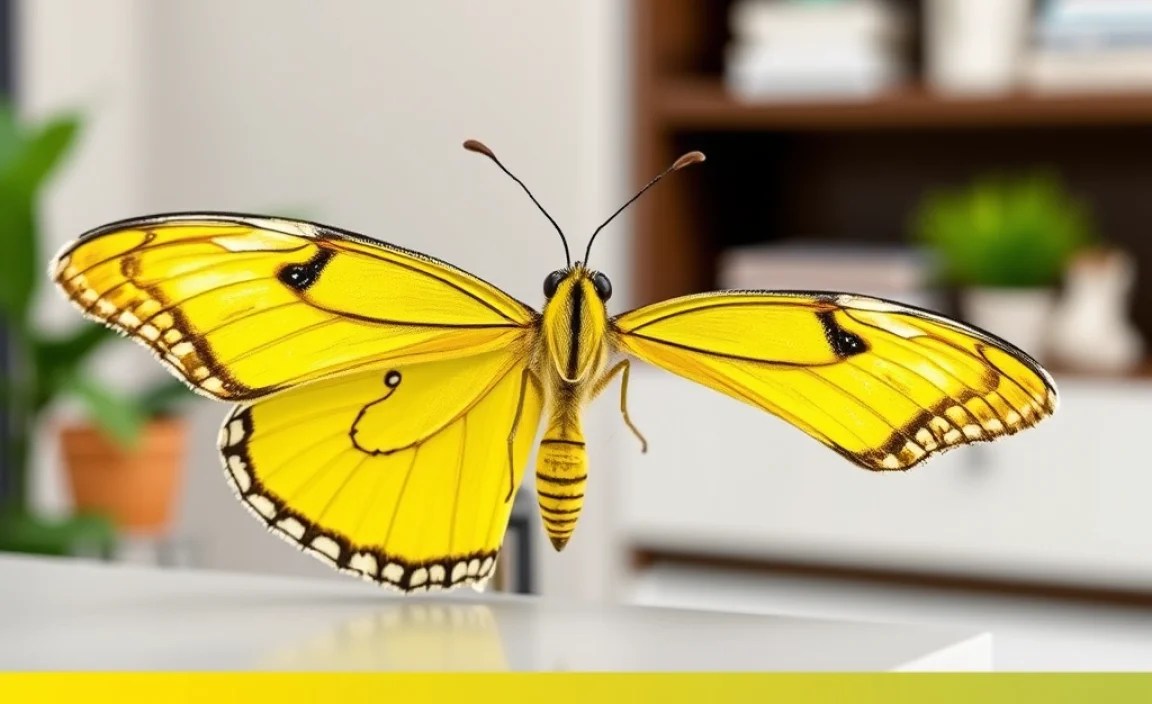
To help you quickly compare the key features of these little yellow butterflies, here’s a handy reference table:
| Species | Size (Wingspan) | Color | Key Markings | Habitat |
|---|---|---|---|---|
| Little Yellow (Eurema lisa) | 1-1.5 inches | Bright yellow | Narrow black border on forewings | Open fields, gardens |
| Sleepy Orange (Eurema nicippe) | 1.5-2 inches | Orange-yellow | Black border, intricate brown markings on underside | Open woodlands, fields |
| Clouded Sulphur (Colias philodice) | 1.5-2 inches | Yellow (males), Yellow or white (females) | Black border (males), variable black markings (females) | Fields, meadows |
| Dainty Sulphur (Nathalis iole) | 0.75-1 inch | Yellow | Distinct black pattern, mottled brown underside | Disturbed areas, gardens |
| Orange Sulphur (Colias eurytheme) | 1.5-2 inches | Orange (males), Orange or yellow (females) | Black border (males), variable black markings (females) | Fields, meadows, agricultural areas |
Attracting Little Yellow Butterflies to Your Garden

Want to see more little yellow butterflies in your garden? Here are some tips to create a butterfly-friendly habitat:
- Plant Host Plants: Provide the specific plants that these butterflies need to lay their eggs. For example:
- Little Yellow: Plant sensitive plant (Mimosa spp.) or partridge pea (Chamaecrista fasciculata).
- Sleepy Orange: Plant wild senna (Senna hebecarpa).
- Clouded Sulphur and Orange Sulphur: Plant clover (Trifolium spp.) or alfalfa (Medicago sativa).
- Dainty Sulphur: Plant marigolds (Tagetes spp.) or sneezeweed (Helenium spp.).
- Provide Nectar Sources: Plant flowers that provide nectar for adult butterflies. Some good choices include:
- Asters
- Zinnias
- Black-Eyed Susans
- Butterfly Bush (Buddleja davidii)
- Avoid Pesticides: Pesticides can harm or kill butterflies and other beneficial insects. Use organic gardening practices to protect them.
- Provide a Water Source: Butterflies need water, especially during hot weather. Create a shallow dish of water with pebbles for them to land on.
- Create a Sunny Spot: Butterflies are cold-blooded and need sunlight to warm up. Provide a sunny area in your garden where they can bask.
Understanding Butterfly Conservation
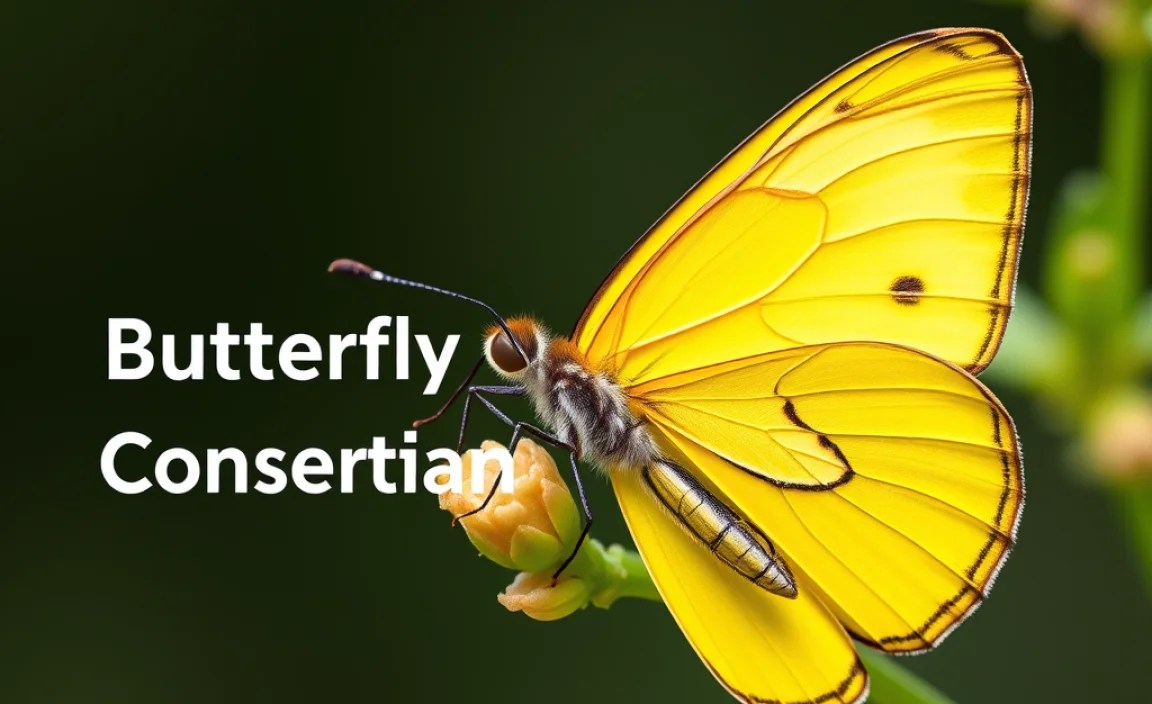
Butterflies are not only beautiful but also important indicators of environmental health. Many butterfly species are facing threats due to habitat loss, pesticide use, and climate change. Supporting butterfly conservation is crucial for maintaining biodiversity and healthy ecosystems. Here are some ways you can help:
- Support Conservation Organizations: Donate to or volunteer with organizations like the Xerces Society that work to protect butterflies and their habitats.
- Create Butterfly-Friendly Habitats: Plant native plants in your garden and encourage others to do the same.
- Reduce Pesticide Use: Advocate for policies that reduce pesticide use and promote sustainable agriculture.
- Educate Others: Share your knowledge about butterflies and their importance with friends, family, and community members.
- Participate in Citizen Science Projects: Contribute to butterfly monitoring programs like the North American Butterfly Association (NABA) butterfly counts. https://www.naba.org/
The Symbolism and Cultural Significance of Yellow Butterflies
Yellow butterflies hold a special place in many cultures, often symbolizing joy, hope, and new beginnings. Their bright color is associated with sunshine and happiness, making them a welcome sight in gardens and meadows.
- Joy and Happiness: In many cultures, yellow butterflies are seen as symbols of joy, happiness, and optimism.
- Transformation and Rebirth: Like all butterflies, yellow butterflies also represent transformation and rebirth, as they undergo a complete metamorphosis from caterpillar to butterfly.
- Good Luck: Some cultures believe that seeing a yellow butterfly brings good luck or signals positive changes in the future.
- Spirituality: In some spiritual traditions, butterflies are seen as messengers from the spirit world, carrying messages of hope and guidance.
Whether you see them as symbols of joy, transformation, or simply beautiful creatures, little yellow butterflies add a touch of magic to our world.
FAQ: Identifying Little Yellow Butterflies
1. What is the smallest yellow butterfly I might see?
The Dainty Sulphur (Nathalis iole) is one of the smallest, with a wingspan of about 0.75 to 1 inch.
2. How can I tell the difference between a male and female Clouded Sulphur?
Male Clouded Sulphurs are typically bright yellow with a solid black border on their wings, while females can be yellow or white with variable black markings.
3. What plants attract Little Yellow butterflies?
Little Yellow butterflies are attracted to legumes like sensitive plant (Mimosa spp.) and partridge pea (Chamaecrista fasciculata), which serve as host plants for their caterpillars.
4. Are yellow butterflies migratory?
Some sulphur butterflies, like the Clouded Sulphur and Orange Sulphur, can exhibit migratory behavior, especially in response to changing weather conditions or food availability.
5. What should I do if I find a caterpillar on my plant?
If you find a caterpillar on your plant, try to identify it before taking any action. If it’s a species you want to support, consider moving it to a safe spot on the same plant or a similar host plant.
6. Can weather affect butterfly populations?
Yes, weather can have a significant impact on butterfly populations. Extreme temperatures, droughts, and heavy rains can all affect their survival and reproduction rates. Climate change is a growing threat to many butterfly species.
7. Where can I report my butterfly sightings?
You can report your butterfly sightings to citizen science projects like Butterflies and Moths of North America (BAMONA) or iNaturalist. These platforms help scientists track butterfly populations and distributions.
Conclusion
Identifying little yellow butterflies can be a rewarding and enjoyable experience. By paying attention to their size, shape, color, markings, behavior, and habitat, you can learn to distinguish between different species. Remember to use field guides and online resources to confirm your identifications. Creating a butterfly-friendly garden and supporting conservation efforts can help protect these beautiful creatures for future generations.
So, the next time you see a little yellow butterfly flitting through your garden, take a moment to observe it closely. You might be surprised at what you discover. Happy butterflying!


