Large Blue Butterfly Reintroduction: A Powerful Comeback!

Quick Summary:
Large blue butterfly reintroduction involves carefully re-establishing populations of this endangered butterfly in suitable habitats. This includes habitat management, like grazing to maintain specific grass and ant conditions, and breeding programs to increase butterfly numbers before release. Monitoring is essential to track the success of the reintroduction and adapt strategies as needed.
Have you ever wondered how we can bring back a species from the brink of extinction? The large blue butterfly, once lost from the UK, offers an inspiring story of successful reintroduction. It might seem like an impossible task, but with careful planning and dedication, we can help these beautiful creatures thrive once again. This guide will walk you through the steps involved in reintroducing the large blue butterfly, so you can understand the process and appreciate the incredible efforts of conservationists.
Ready to explore the fascinating world of butterfly conservation? Let’s dive in and discover how we can make a difference!
Understanding the Large Blue Butterfly
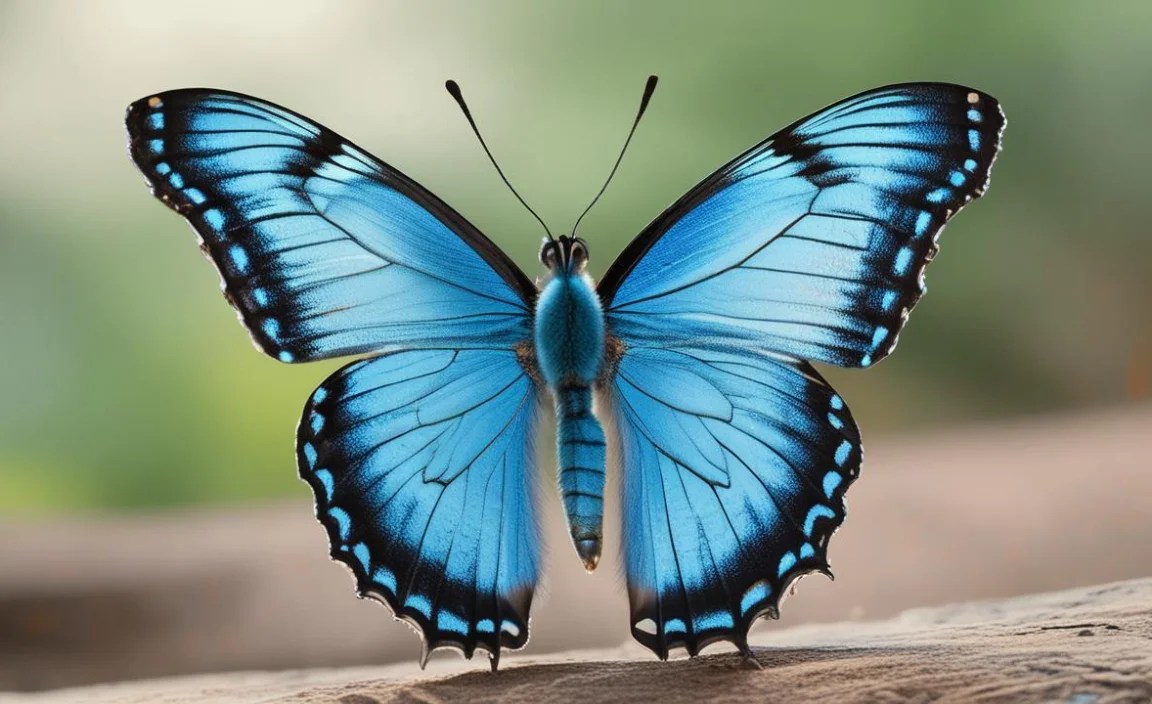
Before we delve into the reintroduction process, it’s important to understand the unique biology and ecology of the large blue butterfly (Phengaris arion). This knowledge is crucial for successful conservation efforts.
Life Cycle and Habitat
The large blue butterfly has a complex life cycle that depends on specific environmental conditions. Here’s a breakdown:
- Egg Laying: Females lay their eggs on the flower heads of wild thyme or marjoram plants.
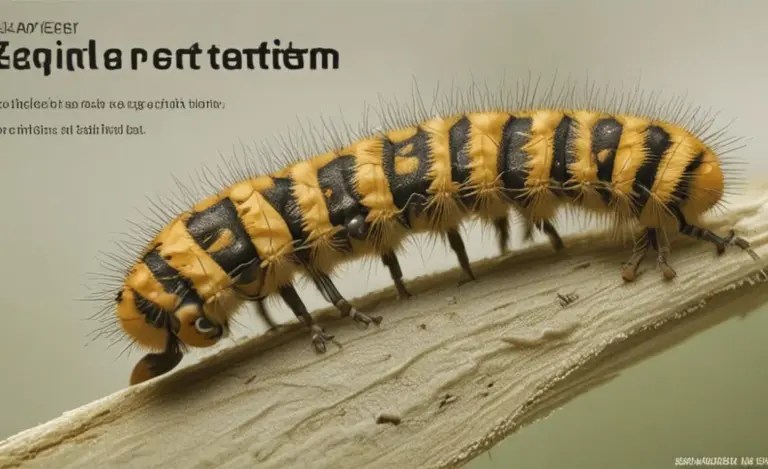
- Larval Stage: The caterpillars feed on these plants for a few weeks.
- Myrmecophily: This is where it gets interesting! The caterpillars then drop to the ground and mimic ant larvae, attracting Myrmica ants.
- Ant Adoption: The ants carry the caterpillars into their nests, where they feed on ant grubs for the next ten months.
- Pupation: The caterpillar pupates inside the ant nest.
- Emergence: Finally, the adult butterfly emerges from the pupa, crawls out of the ant nest, and flies off to reproduce.
This intricate relationship with Myrmica ants means that the butterfly’s survival depends on the presence of these ants and suitable thyme or marjoram plants. The habitat must also be managed to ensure the right conditions for both the plants and the ants.
Why Did They Disappear?
The large blue butterfly became extinct in the UK in 1979 due to habitat loss and changes in land management practices. Here’s what happened:
- Habitat Degradation: Traditional grazing practices declined, leading to the growth of tall grasses and scrub.
- Ant Decline: The tall vegetation shaded the ground, making it too cool for Myrmica ants to thrive.
- Butterfly Extinction: Without the ants, the large blue butterfly caterpillars could not survive.
Understanding these factors is essential for planning successful reintroduction strategies.
Preparing for Reintroduction
Reintroducing the large blue butterfly is a complex process that requires careful planning and preparation. Here are the key steps involved:
1. Habitat Assessment and Management
The first step is to assess potential reintroduction sites to ensure they meet the specific habitat requirements of the large blue butterfly. This includes:
- Vegetation Surveys: Assessing the abundance of wild thyme or marjoram plants.
- Ant Surveys: Determining the presence and density of Myrmica ants.
- Soil Analysis: Checking soil conditions to ensure they are suitable for the plants and ants.
Once a suitable site is identified, habitat management is crucial. This typically involves:
- Grazing: Introducing or managing grazing by cattle or sheep to keep the vegetation short.
- Scrub Clearance: Removing any scrub or tall vegetation that could shade the ground.
- Controlled Burning: In some cases, controlled burns can be used to clear vegetation and create suitable conditions.
These management practices help to create a warm, sunny environment that is ideal for Myrmica ants and the large blue butterfly.
2. Establishing a Captive Breeding Program
To ensure a sufficient number of butterflies for reintroduction, captive breeding programs are often established. This involves:
- Collecting Eggs: Collecting eggs from healthy populations of large blue butterflies in other locations (with permission and following strict protocols).
- Rearing Caterpillars: Rearing the caterpillars in controlled environments, providing them with their required food plants (thyme or marjoram).
- Ant Introduction: Introducing the caterpillars to Myrmica ants in artificial nests.
- Monitoring Development: Monitoring the development of the caterpillars and ensuring they are healthy.
- Releasing Butterflies: Releasing the adult butterflies into the prepared habitat.
Captive breeding programs require careful attention to detail and a thorough understanding of the butterfly’s life cycle. Institutions like the Butterfly Conservation play a vital role in these efforts.
3. Obtaining Necessary Permissions and Funding
Reintroducing an endangered species requires various permissions and permits from government agencies and conservation organizations. It’s also important to secure funding to support the reintroduction project. This involves:
- Applying for Permits: Obtaining permits from relevant authorities, such as Natural England or similar bodies in other countries.
- Seeking Funding: Applying for grants from conservation organizations, government agencies, and private donors.
- Collaborating with Stakeholders: Working with local landowners, farmers, and communities to ensure their support for the project.
Securing the necessary permissions and funding can be a time-consuming process, but it is essential for the success of the reintroduction.
The Reintroduction Process: A Step-by-Step Guide
Once the habitat is prepared, and the captive breeding program is underway, the reintroduction process can begin. Here’s a step-by-step guide:
Step 1: Releasing the Butterflies
The adult butterflies are carefully released into the prepared habitat. This is typically done during the butterfly’s flight season (June-July) to allow them to reproduce. The release process involves:
- Choosing Release Sites: Selecting release sites based on the availability of food plants and Myrmica ants.
- Timing the Release: Releasing the butterflies in warm, sunny weather to increase their chances of survival.
- Monitoring the Butterflies: Observing the butterflies to ensure they are adapting to their new environment.
Step 2: Monitoring the Population
Monitoring the butterfly population is crucial to assess the success of the reintroduction. This involves:
- Butterfly Counts: Conducting regular butterfly counts to estimate the population size.
- Egg Counts: Monitoring the number of eggs laid on wild thyme or marjoram plants.
- Ant Surveys: Monitoring the density of Myrmica ants in the habitat.
The data collected during monitoring helps to identify any issues and adapt the management strategies as needed.
Step 3: Adapting Management Strategies
Based on the monitoring data, the habitat management strategies may need to be adjusted. This could involve:
- Adjusting Grazing Levels: Increasing or decreasing grazing levels to maintain the desired vegetation height.
- Controlling Invasive Species: Removing any invasive species that could compete with the butterfly’s food plants.
- Enhancing Habitat: Planting additional wild thyme or marjoram to increase the availability of food for the caterpillars.
Adaptive management is essential for the long-term success of the reintroduction.
Tools and Resources for Large Blue Butterfly Reintroduction

Here are some tools and resources that are commonly used in large blue butterfly reintroduction projects:
| Tool/Resource | Description | Purpose |
|---|---|---|
| Butterfly Nets | Lightweight nets used to catch and identify butterflies. | Monitoring butterfly populations. |
| Vegetation Quadrats | Square frames used to sample vegetation. | Assessing the abundance of wild thyme or marjoram plants. |
| Pitfall Traps | Small containers buried in the ground to trap ants. | Monitoring the density of Myrmica ants. |
| GPS Devices | Used to record the location of butterfly sightings and habitat features. | Mapping butterfly distribution and habitat characteristics. |
| Weather Stations | Devices that record temperature, rainfall, and other weather data. | Monitoring environmental conditions and their impact on the butterfly population. |
These tools and resources help conservationists to gather data and make informed decisions about habitat management and reintroduction strategies.
Challenges and Solutions
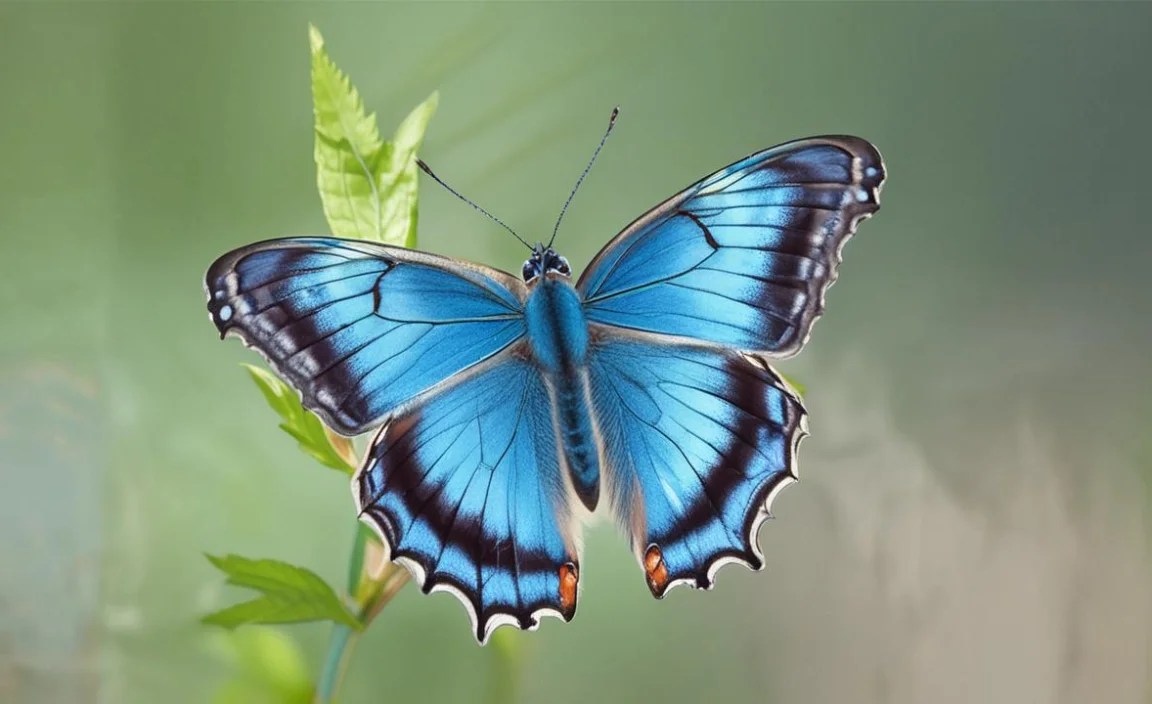
Reintroducing the large blue butterfly is not without its challenges. Here are some common issues and potential solutions:
| Challenge | Solution |
|---|---|
| Habitat Degradation | Implement effective habitat management practices, such as grazing and scrub clearance. |
| Climate Change | Select reintroduction sites that are resilient to climate change and implement strategies to mitigate its impacts. |
| Genetic Diversity | Ensure that the reintroduced population has sufficient genetic diversity to adapt to changing environmental conditions. |
| Predation | Implement measures to reduce predation by birds and other predators, such as providing shelter for the butterflies. |
| Disease | Monitor the butterfly population for signs of disease and implement measures to prevent its spread. |
By addressing these challenges proactively, conservationists can increase the chances of a successful reintroduction.
The Success Story: Large Blue Butterfly Reintroduction in the UK
The reintroduction of the large blue butterfly in the UK is a remarkable success story. After becoming extinct in 1979, the butterfly has been successfully reintroduced to several sites across the country. Here are some key highlights:
- Successful Reintroduction: The large blue butterfly has been successfully reintroduced to over 30 sites in the UK.
- Population Growth: The population of large blue butterflies has increased significantly since the reintroduction began.
- Habitat Restoration: The reintroduction project has led to the restoration of valuable grassland habitats.
- Community Involvement: The project has engaged local communities and raised awareness about the importance of butterfly conservation.
The success of the large blue butterfly reintroduction in the UK serves as a model for other conservation projects around the world. The National Geographic has covered the story, highlighting the importance of conservation efforts.
The Role of Citizen Scientists
You don’t have to be a professional scientist to contribute to butterfly conservation. Citizen scientists play a vital role in monitoring butterfly populations and supporting conservation efforts. Here are some ways you can get involved:
- Butterfly Surveys: Participate in butterfly surveys organized by local conservation groups.
- Habitat Management: Volunteer to help with habitat management tasks, such as scrub clearance and planting wild thyme.
- Data Recording: Submit your butterfly sightings to online databases, such as iNaturalist.
- Education and Outreach: Share your knowledge about butterflies with others and raise awareness about the importance of conservation.
By getting involved in citizen science, you can make a real difference for butterflies and their habitats.
FAQ: Large Blue Butterfly Reintroduction
Here are some frequently asked questions about large blue butterfly reintroduction:
What is large blue butterfly reintroduction?
Large blue butterfly reintroduction is the process of re-establishing populations of this endangered butterfly in areas where it has become extinct or declined significantly. It involves habitat management, captive breeding, and monitoring.
Why did the large blue butterfly become extinct?
The large blue butterfly became extinct primarily due to habitat loss and changes in land management practices, which led to the decline of its host ant species, Myrmica.
How is the habitat prepared for reintroduction?
Habitat preparation involves grazing, scrub clearance, and controlled burning to create a warm, sunny environment that is suitable for both the butterfly’s food plants and the Myrmica ants.
What is the role of Myrmica ants in the butterfly’s life cycle?
Myrmica ants are essential for the survival of the large blue butterfly. The caterpillars mimic ant larvae and are carried into the ant nests, where they feed on ant grubs for about ten months.
How can I get involved in butterfly conservation?
You can get involved by participating in butterfly surveys, volunteering for habitat management tasks, submitting your butterfly sightings to online databases, and raising awareness about the importance of conservation.
What are the main challenges of reintroduction?
The main challenges include habitat degradation, climate change, genetic diversity, predation, and disease. Careful planning and adaptive management are essential to overcome these challenges.
Where has the large blue butterfly been successfully reintroduced?
The large blue butterfly has been successfully reintroduced to several sites in the UK, demonstrating the effectiveness of conservation efforts.
Conclusion
The story of the large blue butterfly reintroduction is a testament to the power of conservation and the importance of understanding the intricate relationships between species and their environment. By carefully managing habitats, implementing captive breeding programs, and monitoring populations, we can help to bring back species from the brink of extinction.
As you’ve learned, reintroducing the large blue butterfly is no simple task. It requires dedication, scientific expertise, and community involvement. But the success in the UK and other regions proves that it can be done. Every small action, from planting butterfly-friendly gardens to supporting conservation organizations, contributes to the bigger picture.
Let’s continue to protect and restore our natural world, one butterfly at a time. The future of these delicate creatures depends on our collective efforts to create a world where they can thrive.