
Xerces Blue Butterfly (Extinct): A Sad, Untold Story

The Xerces blue butterfly is, sadly, extinct. It was a beautiful little butterfly that lived only in the sandy dunes of the San Francisco Peninsula. Habitat loss and destruction led to its disappearance. While we can’t bring it back, learning about the Xerces blue helps us understand the importance of protecting other butterflies and their homes.
Have you ever wondered about the butterflies that used to flutter around, but are no longer here? It’s a sad thought, but understanding why some butterflies disappear can help us protect the ones we still have. The Xerces blue butterfly is one such example. It’s a story of beauty, loss, and a crucial lesson about conservation.
In this article, we’ll explore the short life of this lovely butterfly, the reasons behind its extinction, and, most importantly, what we can do to prevent similar tragedies from happening again. Let’s dive in and discover the story of the Xerces blue.
Frequently Asked Questions (FAQ)
What was the Xerces blue butterfly?
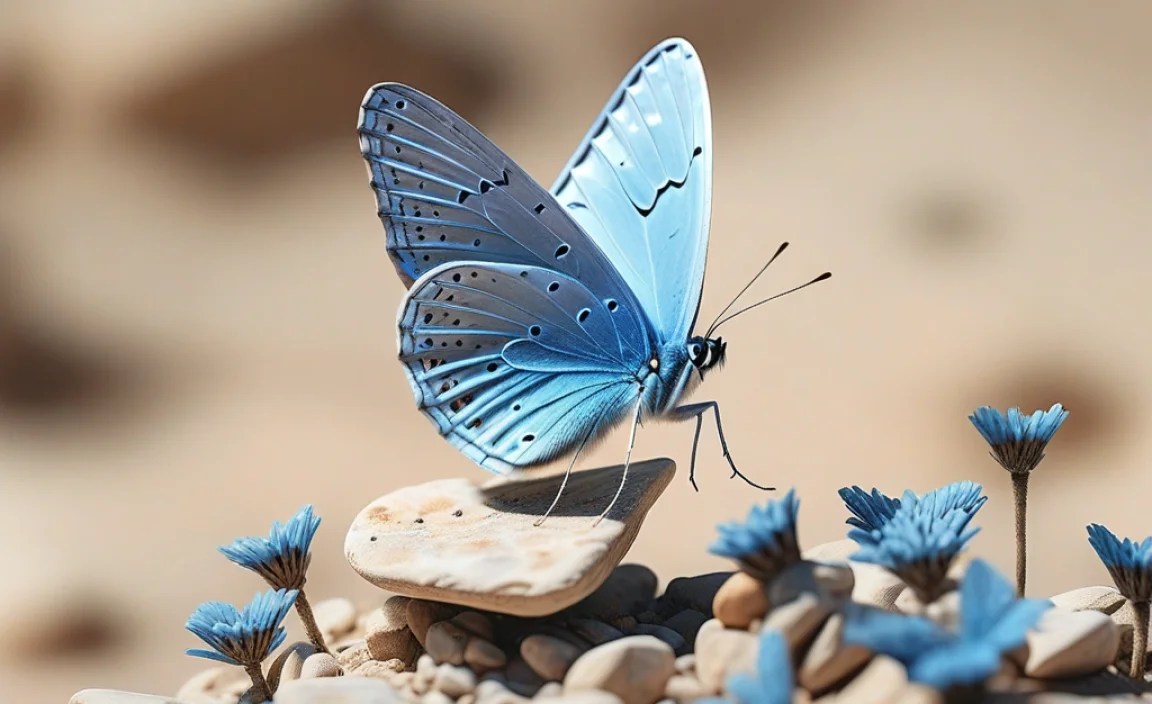
The Xerces blue butterfly (Glaucopsyche xerces) was a small, delicate butterfly native to the coastal sand dunes of the San Francisco Peninsula. It was known for its beautiful blue wings (in males) and grayish-brown wings (in females) with distinctive black spots.
When did the Xerces blue butterfly go extinct?
The Xerces blue butterfly was declared extinct in the 1940s. The last confirmed sighting was in 1941.
What caused the extinction of the Xerces blue butterfly?
The primary cause of its extinction was habitat loss due to urbanization and development in the San Francisco Bay Area. The destruction of its specific dune habitat and the plants it depended on led to its demise.
Can the Xerces blue butterfly be brought back from extinction?
Unfortunately, because the Xerces blue butterfly has been extinct for many decades and no populations exist in the wild or captivity, it is unlikely that it can be brought back from extinction with current technologies.
Why is it important to learn about extinct species like the Xerces blue?
Learning about extinct species helps us understand the impact of human activities on the environment and the importance of conservation efforts. It serves as a reminder to protect endangered species and their habitats to prevent further extinctions.
What can I do to help protect butterflies and their habitats?
You can help by planting native plants in your garden, supporting local conservation organizations, reducing pesticide use, and educating others about the importance of butterfly conservation.
Are there any butterflies that are currently endangered?
Yes, there are many butterfly species currently listed as endangered or threatened. Some examples include the monarch butterfly, the Karner blue butterfly, and the Mitchell’s satyr butterfly. Supporting conservation efforts can help protect these species.
The Lost Beauty: Meeting the Xerces Blue

Imagine a butterfly with wings the color of a clear summer sky. That was the male Xerces blue. The females were equally lovely, with wings of a soft, smoky gray. These butterflies weren’t just pretty; they were a unique part of California’s natural heritage.
The Xerces blue (Glaucopsyche xerces) belonged to the Lycaenidae family, also known as the gossamer-winged butterflies. They were small, usually with a wingspan of just about an inch. They fluttered about the sandy dunes near San Francisco, a place that was their only home.
A Butterfly of the Dunes
The Xerces blue’s life was intimately connected to its habitat. These butterflies lived in coastal dunes, a unique environment with specialized plants and animals. The dunes provided everything they needed: food for the caterpillars, nectar for the adults, and shelter from the elements.
- Habitat: Coastal sand dunes of the San Francisco Peninsula.
- Size: Small, with a wingspan of about 1 inch.
- Appearance: Males had bright blue wings, while females had grayish-brown wings.
These butterflies were more than just beautiful insects. They were an integral part of the ecosystem, playing a role in pollination and serving as a food source for other animals.
A Slow Disappearance: The Extinction Timeline
The story of the Xerces blue is a sad one. It’s a tale of how human activities can unintentionally wipe out an entire species. The decline of the Xerces blue happened gradually, but the final result was devastating.
The Early Days
In the early 19th century, the Xerces blue was common in its limited range. The San Francisco Peninsula was a mosaic of dunes, grasslands, and woodlands, providing ample habitat for the butterfly and other wildlife. Naturalist would describe seeing hundreds of these butterflies flitting about.
The Turning Point
As San Francisco grew, things started to change. The dunes, once vast and wild, were leveled to make way for houses, roads, and businesses. This habitat destruction was the primary cause of the Xerces blue’s decline. The Xerces Society, named in honor of this butterfly, highlights the drastic effects of habitat loss on insect populations.
The Final Sightings
By the early 20th century, the Xerces blue was becoming rare. The last confirmed sighting was in 1941, in an area that is now part of the Golden Gate National Recreation Area. Despite continued searches, the butterfly was never seen again.
In the 1970s, the Xerces blue was officially declared extinct. It was one of the first butterflies in North America to be lost to extinction due to human activities.
Why Did It Vanish? The Reasons Behind Extinction

Understanding the reasons behind the Xerces blue’s extinction is crucial. It helps us learn from the past and prevent similar tragedies from happening in the future. The Xerces blue’s story is a complex one, with multiple factors contributing to its demise.
Habitat Destruction
The biggest reason for the Xerces blue’s extinction was habitat loss. As San Francisco expanded, the dunes where the butterfly lived were destroyed. This left the butterflies with nowhere to live and no food to eat.
The urbanization of the San Francisco Peninsula was rapid and extensive. Entire ecosystems were bulldozed and replaced with concrete and buildings. This not only eliminated the Xerces blue’s habitat but also fragmented the remaining areas, making it difficult for the butterflies to move and find mates.
Specific Plant Loss
The Xerces blue caterpillars relied on specific plants for food, particularly the deerweed (Acmispon glaber) and other legumes. As the dunes were destroyed, these plants disappeared, leaving the caterpillars without a food source. University of California, Berkeley, researchers have studied the impact of plant loss on butterfly populations, highlighting the crucial link between butterflies and their host plants.
Introduction of Non-Native Plants
In addition to the loss of native plants, the introduction of non-native plants also played a role. These introduced species often outcompeted the native plants, further reducing the food supply for the Xerces blue caterpillars.
Pesticide Use
The use of pesticides in urban areas and agriculture can also harm butterflies. Pesticides can directly kill butterflies or contaminate their food sources. While the impact of pesticides on the Xerces blue is not fully documented, it is likely that they contributed to its decline.
| Factor | Description | Impact on Xerces Blue |
|---|---|---|
| Habitat Destruction | Urbanization and development of sand dunes. | Eliminated the butterfly’s habitat and fragmented remaining areas. |
| Specific Plant Loss | Loss of deerweed and other host plants. | Starved the caterpillars, leading to reduced populations. |
| Introduction of Non-Native Plants | Non-native plants outcompeted native species. | Reduced the availability of host plants for caterpillars. |
| Pesticide Use | Use of pesticides in urban areas and agriculture. | Directly killed butterflies and contaminated food sources. |
A Symbol of Loss: The Xerces Society

The Xerces blue’s story is not just one of loss. It’s also a story of hope and action. The Xerces Society, a non-profit organization dedicated to invertebrate conservation, was named in honor of this butterfly. The Xerces Society works to protect butterflies, bees, and other invertebrates through habitat conservation, education, and advocacy.
The Mission of the Xerces Society
The Xerces Society’s mission is to protect wildlife through the conservation of invertebrates and their habitats. They work with scientists, land managers, and the public to raise awareness about the importance of invertebrates and the threats they face. You can learn more about their work and how to get involved at Xerces.org.
How the Xerces Society Helps
The Xerces Society works on a variety of projects to protect invertebrates, including:
- Habitat Restoration: Restoring and protecting habitats for butterflies and other invertebrates.
- Pollinator Conservation: Promoting pollinator-friendly practices in agriculture and urban areas.
- Endangered Species Protection: Working to protect endangered butterfly species and their habitats.
- Education and Outreach: Educating the public about the importance of invertebrates and the threats they face.
Can We Bring It Back? The Possibility of De-Extinction

The idea of bringing extinct species back to life, known as “de-extinction,” has captured the imagination of scientists and the public alike. While the technology is still in its early stages, some researchers are exploring the possibility of resurrecting extinct species like the woolly mammoth and the passenger pigeon.
The Challenges of De-Extinction
De-extinction is a complex and challenging process. It involves obtaining viable DNA from an extinct species and using that DNA to create a living organism. However, DNA degrades over time, and it can be difficult to obtain a complete and intact genome.
Even if scientists were able to obtain the Xerces blue’s DNA, there are other challenges. The butterfly’s habitat has been significantly altered since its extinction, and it’s not clear whether it would be able to survive in the current environment.
Ethical Considerations
There are also ethical considerations to consider. Some people argue that de-extinction is a distraction from the more pressing need to protect existing species and their habitats. Others worry about the potential unintended consequences of reintroducing extinct species into the environment.
Current Status
As of now, bringing back the Xerces blue butterfly remains highly improbable due to the degradation of genetic material and significant changes to its habitat. Resources are better directed toward preventing other species from facing the same fate.
Lessons Learned: Protecting Butterflies Today
The story of the Xerces blue is a cautionary tale, but it also offers valuable lessons for protecting butterflies today. By understanding the factors that led to its extinction, we can take steps to prevent similar tragedies from happening in the future.
Habitat Conservation
Protecting and restoring butterfly habitats is essential. This includes preserving natural areas, creating butterfly gardens, and promoting pollinator-friendly practices in agriculture and urban areas. Organizations like the National Wildlife Federation offer resources on creating butterfly-friendly habitats.
Planting Native Plants
Planting native plants is one of the best things you can do to help butterflies. Native plants provide food for caterpillars and nectar for adult butterflies. Choose plants that are native to your area and that are known to attract butterflies.
Reducing Pesticide Use
Pesticides can be harmful to butterflies, so it’s important to reduce their use. Consider using organic gardening methods and avoiding the use of broad-spectrum pesticides. If you must use pesticides, choose targeted products and apply them carefully to minimize their impact on butterflies.
Supporting Conservation Organizations
Supporting conservation organizations like the Xerces Society can make a big difference. These organizations work to protect butterflies and their habitats through research, education, and advocacy.
Raising Awareness
Educating others about the importance of butterfly conservation is also crucial. Share your knowledge with friends, family, and neighbors. Encourage them to plant butterfly gardens, reduce pesticide use, and support conservation organizations.
Taking Action: How You Can Help Butterflies
Even small actions can have a big impact on butterfly conservation. Here are some things you can do to help butterflies in your own backyard and community:
- Plant a Butterfly Garden: Create a garden with native plants that provide food and shelter for butterflies.
- Reduce Pesticide Use: Avoid using pesticides in your garden and encourage others to do the same.
- Provide Water: Provide a shallow dish of water with pebbles for butterflies to drink from.
- Support Local Conservation Efforts: Volunteer with local conservation organizations or donate to their cause.
- Educate Others: Share your knowledge about butterflies with friends, family, and neighbors.
Butterfly Garden Basics
Creating a butterfly garden is a fun and rewarding way to help butterflies. Here are some tips for designing and maintaining a butterfly garden:
- Choose a Sunny Location: Butterflies need sunlight to warm their bodies.
- Plant a Variety of Native Plants: Choose plants that provide food for caterpillars and nectar for adult butterflies.
- Provide Shelter: Plant shrubs and trees to provide shelter from the wind and rain.
- Avoid Pesticides: Pesticides can harm butterflies, so avoid using them in your garden.
- Provide Water: Provide a shallow dish of water with pebbles for butterflies to drink from.
The Future of Butterflies: A Call to Action
The story of the Xerces blue is a reminder of the fragility of life and the importance of conservation. While we can’t bring back the Xerces blue, we can learn from its extinction and take steps to protect other butterflies and their habitats.
By planting native plants, reducing pesticide use, supporting conservation organizations, and raising awareness, we can make a difference. Let’s work together to ensure that future generations can enjoy the beauty and wonder of butterflies.
Butterflies are more than just pretty insects. They are an integral part of our ecosystems, playing a vital role in pollination and serving as a food source for other animals. Their presence is an indicator of a healthy environment. By protecting butterflies, we are protecting the health of our planet.
Conclusion
The Xerces blue butterfly, a vibrant jewel of the San Francisco dunes, is now a poignant reminder of the impact of habitat loss. Its story teaches us that even small creatures play a vital role in our ecosystems and that their disappearance has far-reaching consequences. While we mourn the loss of the Xerces blue, let’s channel that sadness into action. By supporting conservation efforts, planting native gardens, and educating others, we can help protect the butterflies that still grace our world. Let the Xerces blue’s legacy be a call to safeguard the delicate balance of nature, ensuring that future generations can marvel at the beauty and diversity of these winged wonders. Together, we can make a difference, one butterfly garden at a time.


