
Common Evening Brown Butterfly: Easy ID Guide

The Common Evening Brown butterfly is a widespread species known for its mottled brown wings and crepuscular habits. You can identify it by the distinctive eyespots on its wings and observe it fluttering at dusk in grassy areas. Attract them to your garden with native grasses and provide a water source.
Have you ever strolled through your garden at twilight and noticed a butterfly gracefully fluttering about, its wings a subtle shade of brown? It might just be the Common Evening Brown, a fascinating creature that prefers the quiet hours of dusk. Identifying butterflies can sometimes feel like a puzzle, especially with so many similar-looking species. But don’t worry! This guide will walk you through everything you need to know about the Common Evening Brown, from its unique features to how you can create a welcoming habitat for it. Get ready to uncover the secrets of this enchanting nocturnal beauty!
What is the Common Evening Brown Butterfly?

The Common Evening Brown (Melanitis leda) is a butterfly belonging to the Nymphalidae family, often found in grassy areas and lightly wooded habitats. Frances O’Brien here, and I’ve always been fascinated by this butterfly’s ability to thrive in diverse environments, from open fields to shaded forests. Its adaptability makes it a common sight across many regions, offering a glimpse into the resilience of nature.
Distribution and Habitat
This butterfly is widespread throughout Africa, Asia, and Australia. It prefers grassy habitats, open woodlands, and even urban gardens. You’re most likely to spot them in areas with plenty of tall grasses and shaded spots. Their broad distribution highlights their ability to adapt to various climates and landscapes.
Life Cycle of Common Evening Brown Butterfly
Understanding the life cycle of the Common Evening Brown can give you a greater appreciation for this butterfly. Let’s take a look at the stages:
- Egg: The female lays small, greenish eggs on host plants, usually grasses.
- Larva (Caterpillar): The caterpillar emerges and feeds on grass blades. It is typically green or brown, providing excellent camouflage.
- Pupa (Chrysalis): The caterpillar forms a chrysalis, which is usually suspended from a plant stem or leaf. This stage lasts about one to two weeks.
- Adult: The adult butterfly emerges from the chrysalis, ready to reproduce and continue the cycle.
Identifying the Common Evening Brown Butterfly
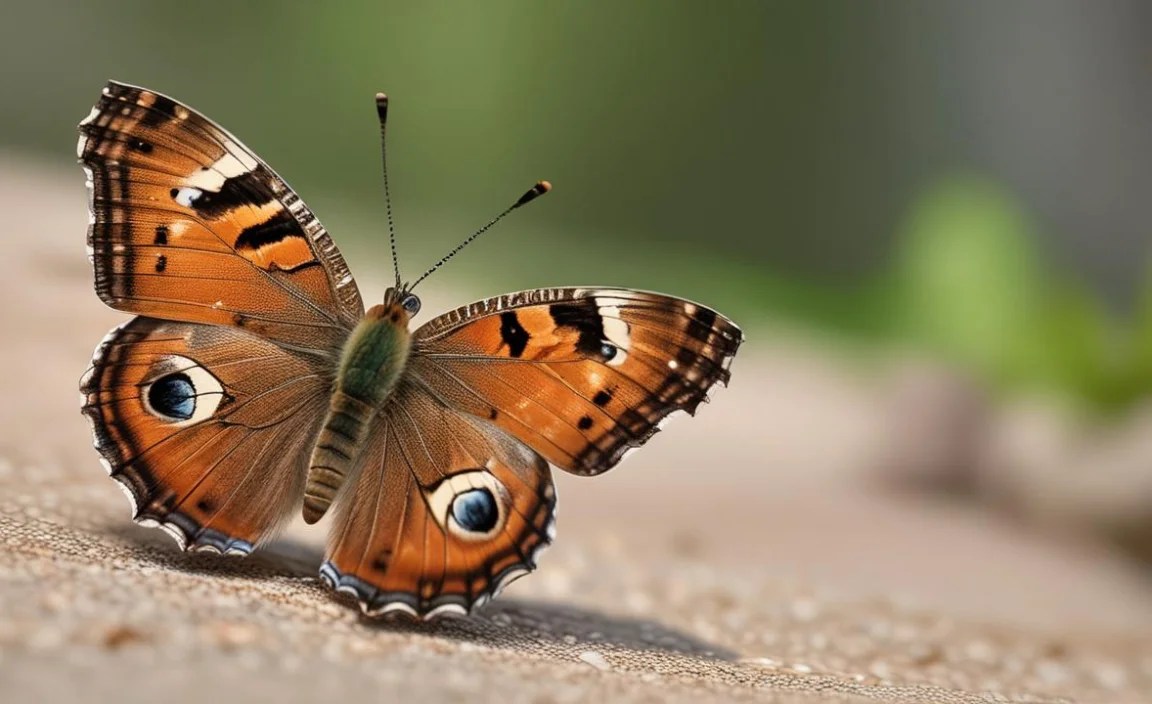
Identifying the Common Evening Brown butterfly involves observing several key characteristics. Here’s what to look for:
- Wingspan: Typically ranges from 5 to 7 centimeters (2 to 2.8 inches).
- Wing Color: Predominantly brown with subtle patterns and eyespots.
- Eyespots: Distinctive eyespots on both the forewings and hindwings.
- Flight Pattern: Often flies close to the ground with a fluttering motion, especially during dusk.
Distinguishing Features
To accurately identify a Common Evening Brown, pay close attention to these details:
- Upperwing: The upper side of the wings is usually a uniform brown color with one or two prominent eyespots on each wing.
- Underwing: The underside has more intricate patterns, including multiple eyespots and subtle lines, which help with camouflage.
- Body: The body is brown and slender, typical of many butterfly species.
Similar Species
Several other brown butterflies might be confused with the Common Evening Brown. Here’s how to tell them apart:
- Meadow Browns: These tend to be smaller and have more orange coloration.
- Wood Nymphs: These butterflies have a darker, richer brown and lack the distinct eyespots of the Common Evening Brown.
- Dryads: Dryads often have more defined patterns and a stronger flight, unlike the gentle flutter of the Evening Brown.
Attracting Common Evening Brown Butterflies to Your Garden

Creating a butterfly-friendly garden is a rewarding experience. Here’s how to attract Common Evening Brown butterflies to your yard:
Host Plants
Planting the right host plants is crucial for attracting these butterflies. Common Evening Browns primarily feed on various types of grasses. Consider planting these:
- Native Grasses: Include species like bluestem, fescue, and bluegrass.
- Bamboo Grass: A good option if you live in a warmer climate.
- Rice: In some regions, rice plants can also serve as host plants.
Nectar Sources
While Common Evening Browns aren’t as reliant on nectar as some other butterflies, providing nectar sources can still attract them and other beneficial insects. Good choices include:
- Butterfly Bush (Buddleja davidii): A classic choice that attracts many butterfly species.
- Lantana: Offers vibrant colors and a long blooming season.
- Zinnias: Easy to grow and provide a colorful nectar source.
Creating a Suitable Habitat
Beyond plants, consider these elements to create an ideal habitat:
- Shelter: Provide shrubs and trees for shelter from wind and predators.
- Water Source: A shallow dish of water with pebbles can provide a place for butterflies to drink.
- Avoid Pesticides: Pesticides can harm or kill butterflies and other beneficial insects. Opt for organic gardening methods.
Behavior and Ecology
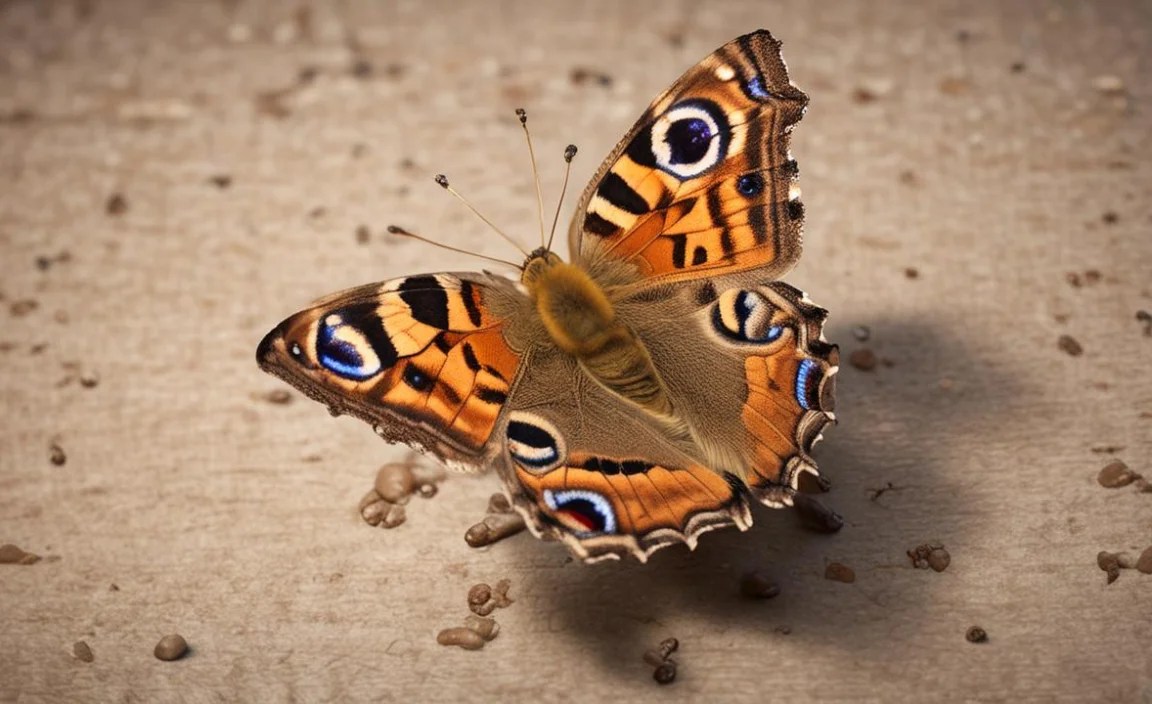
Understanding the behavior and ecology of the Common Evening Brown can deepen your appreciation for this butterfly.
Daily Activities
As their name suggests, Common Evening Browns are most active during the late afternoon and early evening. They tend to rest during the hottest parts of the day, often in shaded areas. This crepuscular behavior is a unique adaptation that helps them avoid predators and harsh sunlight.
Feeding Habits
The caterpillars primarily feed on various grasses, while the adult butterflies have a more varied diet. They often feed on tree sap, rotting fruit, and occasionally nectar from flowers. Their feeding habits contribute to nutrient cycling and pollination in their ecosystems.
Predators and Threats
Common Evening Browns face several threats, including:
- Habitat Loss: As natural habitats are converted for agriculture and urban development, butterfly populations decline.
- Pesticide Use: Widespread use of pesticides can directly harm butterflies and their food sources.
- Climate Change: Changes in temperature and rainfall patterns can disrupt butterfly life cycles and distributions.
Conservation Status
The Common Evening Brown is not currently listed as endangered, but like all species, it faces ongoing threats from habitat loss and environmental changes. Supporting butterfly conservation efforts and creating butterfly-friendly habitats are essential for ensuring their survival.
Observing Common Evening Brown Butterflies
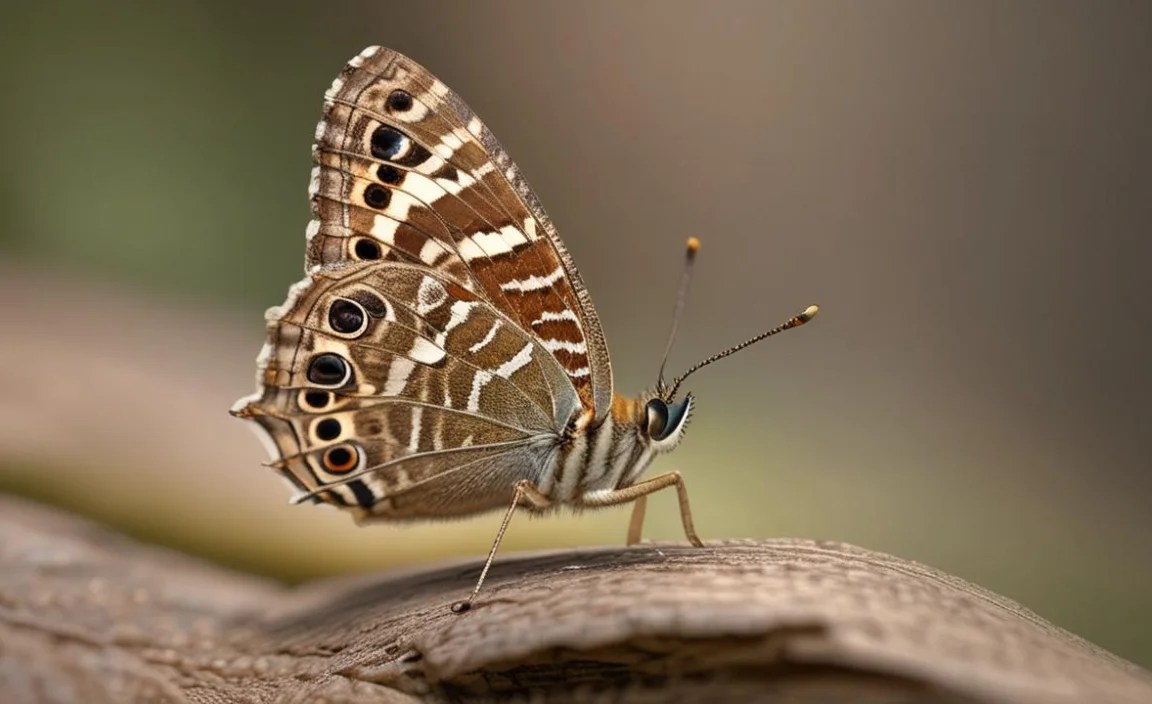
If you want to observe Common Evening Brown butterflies, here are some tips:
- Time of Day: The best time to see them is during the late afternoon or early evening.
- Location: Look for them in grassy areas, open woodlands, and gardens.
- Patience: Be patient and observant. These butterflies are often well-camouflaged.
- Binoculars: Using binoculars can help you get a closer look without disturbing them.
Photographing Butterflies
Photographing butterflies can be a rewarding hobby. Here are some tips for capturing beautiful images of Common Evening Browns:
- Camera Gear: A camera with a macro lens is ideal for capturing close-up shots.
- Lighting: Natural light is best, but avoid harsh sunlight. Overcast days can provide soft, even lighting.
- Composition: Pay attention to the background and composition of your photos. Try to capture the butterfly in its natural habitat.
- Patience: Butterflies can be skittish, so be patient and wait for the right moment.
Cultural Significance and Symbolism
Butterflies, including the Common Evening Brown, often hold cultural significance and are rich in symbolism. In many cultures, butterflies represent transformation, rebirth, and hope. Their delicate beauty and graceful flight have made them symbols of the soul and the ephemeral nature of life.
In Art and Literature
Butterflies have been featured in art and literature for centuries. They often symbolize beauty, freedom, and the fleeting nature of happiness. Artists and writers use butterflies to convey themes of change, growth, and the interconnectedness of all living things.
Spiritual Meanings
In many spiritual traditions, butterflies are seen as messengers from the spirit world. They can represent loved ones who have passed away or serve as reminders of the beauty and wonder of life. Observing a butterfly can be a powerful and meaningful experience, connecting us to the natural world and our own inner selves.
Fun Facts About Common Evening Brown Butterflies
- Common Evening Browns are known for their crepuscular behavior, meaning they are most active at dawn and dusk.
- The eyespots on their wings are believed to deter predators by mimicking the eyes of larger animals.
- Caterpillars of the Common Evening Brown can vary in color, ranging from green to brown, providing excellent camouflage.
- These butterflies are highly adaptable and can thrive in a variety of habitats, from open fields to urban gardens.
- The Common Evening Brown plays an important role in its ecosystem by contributing to nutrient cycling and pollination.
Practical Tips for Butterfly Conservation
Here are some practical steps you can take to support butterfly conservation:
- Plant Native Species: Choose native plants for your garden to provide food and habitat for butterflies and other pollinators.
- Reduce Pesticide Use: Opt for organic gardening methods and avoid using pesticides that can harm butterflies.
- Create a Butterfly Garden: Designate a section of your yard specifically for butterflies, with host plants, nectar sources, and a water source.
- Support Conservation Organizations: Donate to or volunteer with organizations that work to protect butterfly habitats.
- Educate Others: Share your knowledge and passion for butterflies with friends, family, and community members.
The Role of Citizen Science
Citizen science projects provide valuable data for butterfly conservation efforts. By participating in butterfly counts and monitoring programs, you can contribute to our understanding of butterfly populations and their habitats. Organizations like the Xerces Society offer resources and opportunities for citizen scientists to get involved. By working together, we can make a difference in protecting these beautiful creatures.
| Conservation Action | Description | Benefits |
|---|---|---|
| Planting Native Species | Choosing native plants for your garden | Provides food and habitat for butterflies |
| Reducing Pesticide Use | Opting for organic gardening methods | Protects butterflies from harmful chemicals |
| Creating a Butterfly Garden | Designing a butterfly-friendly space | Offers host plants, nectar sources, and water |
| Supporting Organizations | Donating to conservation groups | Funds research and habitat protection |
| Educating Others | Sharing knowledge about butterflies | Raises awareness and inspires action |
Resources for Further Learning
To deepen your knowledge about butterflies and conservation, here are some valuable resources:
- The Xerces Society: Offers extensive information on butterfly conservation and habitat restoration.
- National Geographic: Provides articles and documentaries on butterfly biology and ecology.
- Smithsonian Institution: Features research and exhibits on butterflies and other insects.
- Local Nature Centers: Offer educational programs and guided tours focused on local butterfly species.
FAQ About Common Evening Brown Butterflies
What do Common Evening Brown caterpillars eat?
Common Evening Brown caterpillars primarily feed on various types of grasses.
Where can I find Common Evening Brown butterflies?
You can find them in grassy areas, open woodlands, and gardens, especially during dusk.
How can I attract Common Evening Brown butterflies to my garden?
Plant native grasses, provide nectar sources like butterfly bushes, and create a sheltered habitat with a water source.
Are Common Evening Brown butterflies endangered?
No, they are not currently listed as endangered, but they face threats from habitat loss and pesticide use.
What is the wingspan of a Common Evening Brown butterfly?
The wingspan typically ranges from 5 to 7 centimeters (2 to 2.8 inches).
What is the best time of day to see Common Evening Brown butterflies?
The best time to see them is during the late afternoon or early evening.
What do the eyespots on the wings do?
The eyespots are believed to deter predators by mimicking the eyes of larger animals.
Conclusion
The Common Evening Brown butterfly, with its subtle beauty and crepuscular habits, offers a unique glimpse into the wonders of the natural world. By understanding its life cycle, behavior, and ecological importance, we can better appreciate and protect this fascinating creature. Whether you’re a seasoned naturalist or a beginner, there are many ways to get involved in butterfly conservation, from planting native species in your garden to participating in citizen science projects. Let’s all do our part to ensure that future generations can enjoy the enchanting presence of the Common Evening Brown.


