
Swallowtail Butterfly Population Decline: Secret Savior?

Quick Summary: Swallowtail butterfly populations are declining due to habitat loss from development and agriculture, pesticide use, climate change impacting their food sources, and diseases. You can help by planting native host plants and nectar sources, avoiding pesticides, supporting conservation efforts, and participating in citizen science projects to monitor butterfly populations.
Have you noticed fewer of those beautiful swallowtail butterflies fluttering around your garden lately? It’s not just your imagination. Sadly, these iconic butterflies are facing some serious challenges, and their numbers are dwindling in many areas. This can be frustrating for nature lovers, but the good news is, there are things we can all do to help!
In this article, we’ll explore the reasons behind the swallowtail butterfly population decline and, more importantly, provide you with practical steps you can take to make a positive impact. From creating butterfly-friendly habitats to supporting conservation initiatives, you’ll discover how to contribute to the recovery of these magnificent creatures. Let’s get started and bring back the beauty of swallowtail butterflies!
Why Are Swallowtail Butterfly Populations Declining?
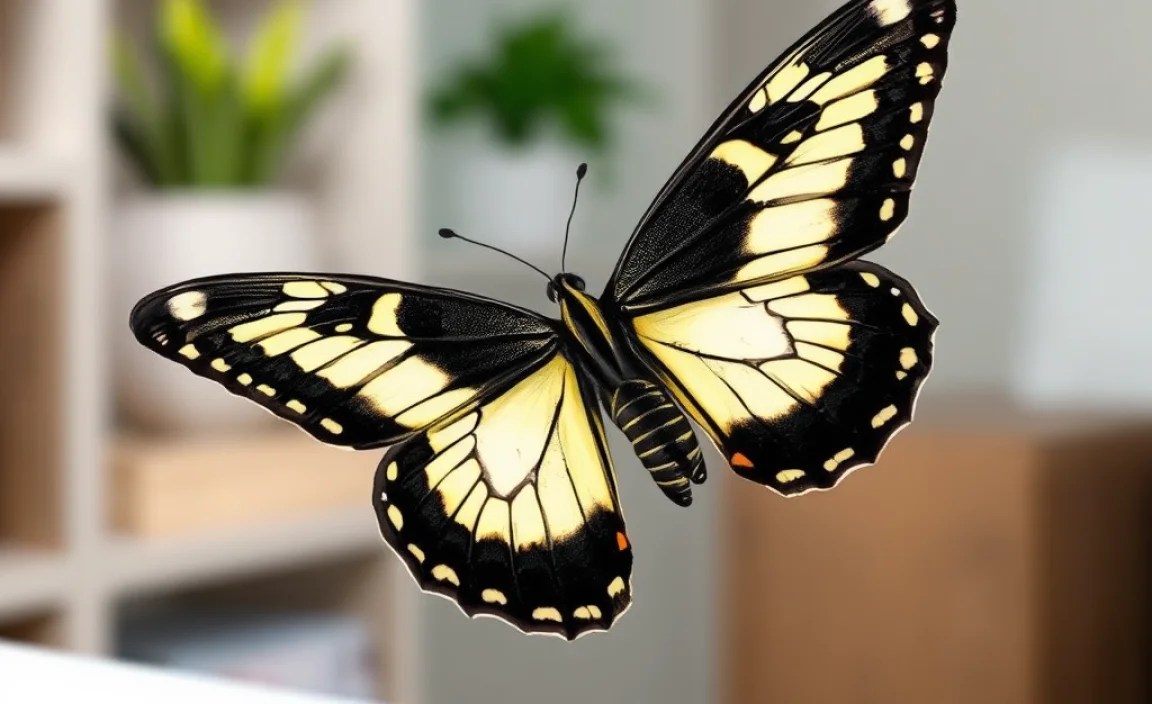
Understanding the reasons behind the decline in swallowtail butterfly populations is crucial to addressing the issue effectively. Several factors contribute to this concerning trend, and it’s essential to be aware of them to implement appropriate conservation measures.
Habitat Loss and Fragmentation
One of the most significant threats to swallowtail butterflies is the loss and fragmentation of their natural habitats. As human populations grow and urban areas expand, forests, meadows, and wetlands are converted into residential areas, commercial developments, and agricultural lands. This habitat destruction reduces the available space for swallowtail butterflies to live, feed, and reproduce.
Habitat fragmentation further exacerbates the problem by breaking up large, contiguous habitats into smaller, isolated patches. This makes it difficult for butterflies to move between different areas, limiting their access to food sources, mates, and suitable breeding sites. It also increases their vulnerability to predators and other threats.
Pesticide Use
Pesticides, particularly insecticides, pose a significant threat to swallowtail butterflies and other beneficial insects. These chemicals are designed to kill pests, but they can also harm or kill non-target organisms, including butterflies. Pesticides can directly poison butterflies through contact or ingestion, or they can indirectly affect them by reducing the availability of their host plants and nectar sources.
Neonicotinoids, a class of systemic insecticides, are particularly harmful to butterflies. These chemicals are absorbed by plants and can persist in their tissues for extended periods, making them toxic to butterflies that feed on the plants’ leaves, nectar, or pollen. Even low levels of exposure to neonicotinoids can impair butterfly navigation, foraging behavior, and reproduction.
Climate Change
Climate change is another major factor contributing to the decline of swallowtail butterfly populations. Changes in temperature, precipitation patterns, and extreme weather events can disrupt butterfly life cycles, alter the distribution of their host plants, and increase the risk of disease outbreaks.
For example, warmer temperatures may cause butterflies to emerge from their pupae earlier in the spring, before their host plants are available. This can lead to starvation and reduced reproductive success. Changes in precipitation patterns can also affect butterfly populations by altering the availability of nectar sources and increasing the risk of flooding or drought.
Disease and Parasites
Swallowtail butterflies are also susceptible to various diseases and parasites, which can weaken them, reduce their reproductive capacity, and increase their mortality rate. Some common diseases that affect butterflies include viral, bacterial, and fungal infections. Parasites, such as parasitic wasps and flies, can also harm butterflies by laying their eggs on or inside them.
Disease outbreaks and parasite infestations can be exacerbated by habitat loss, pesticide use, and climate change, which can weaken butterfly immune systems and make them more vulnerable to these threats. In addition, the spread of diseases and parasites can be facilitated by the movement of butterflies between different areas, particularly through the release of commercially bred butterflies.
Decline in Host Plants
Swallowtail butterflies are very specific about the plants their caterpillars can eat. These are called “host plants.” If these plants disappear, the butterflies can’t reproduce. Habitat loss, pesticides, and even climate change can all harm these important host plants.
How You Can Help Swallowtail Butterflies
While the challenges facing swallowtail butterflies may seem daunting, there are many things you can do to help these beautiful creatures thrive. By taking simple actions in your own backyard and supporting broader conservation efforts, you can make a real difference in the lives of swallowtail butterflies.
Plant Native Host Plants and Nectar Sources
One of the most effective ways to help swallowtail butterflies is to provide them with the food and habitat they need to survive. This means planting native host plants for their caterpillars and nectar sources for the adult butterflies.
Native host plants are the specific plants that swallowtail caterpillars are adapted to feed on. Different species of swallowtail butterflies have different host plant preferences, so it’s important to choose plants that are native to your region and suitable for the species you want to attract. Some popular host plants for swallowtail butterflies include:
- Black swallowtail: Parsley, dill, fennel, carrot
- Eastern tiger swallowtail: Tulip tree, wild cherry, sweetbay magnolia
- Giant swallowtail: Citrus trees, Hercules’ club, hoptree
- Pipevine swallowtail: Pipevine
- Zebra swallowtail: Pawpaw
Nectar sources provide adult butterflies with the energy they need to fly, mate, and lay eggs. Choose a variety of nectar-rich flowers that bloom throughout the growing season to ensure a continuous supply of food for the butterflies. Some good nectar sources for swallowtail butterflies include:
- Butterfly bush
- Zinnia
- Lantana
- Salvia
- Aster
- Milkweed
Avoid Pesticides
As mentioned earlier, pesticides can be harmful to swallowtail butterflies and other beneficial insects. To protect these creatures, it’s important to avoid using pesticides in your garden and around your home. This includes insecticides, herbicides, and fungicides.
If you need to control pests in your garden, consider using natural or organic methods instead of synthetic pesticides. Some effective natural pest control strategies include:
- Hand-picking pests off plants
- Using insecticidal soap or horticultural oil
- Introducing beneficial insects, such as ladybugs or lacewings
- Practicing crop rotation and companion planting
You can also reduce your reliance on pesticides by creating a healthy, balanced ecosystem in your garden. This means providing habitat for beneficial insects, encouraging biodiversity, and avoiding the use of synthetic fertilizers, which can disrupt the natural balance of the soil.
Create a Butterfly-Friendly Habitat
In addition to providing food sources, it’s also important to create a habitat that meets the other needs of swallowtail butterflies. This includes providing shelter from the elements, places to bask in the sun, and sources of water.
Some ways to create a butterfly-friendly habitat include:
- Planting trees and shrubs to provide shelter from wind and rain
- Leaving some areas of your garden undisturbed to provide overwintering habitat for butterflies
- Placing flat stones or boards in sunny areas for butterflies to bask on
- Providing a shallow dish of water with pebbles or marbles for butterflies to drink from
- Avoiding the use of leaf blowers, which can destroy butterfly eggs and larvae
Support Conservation Organizations
Many organizations are working to protect swallowtail butterflies and their habitats. You can support these efforts by donating to conservation organizations, volunteering your time, or participating in citizen science projects.
Some organizations that are involved in butterfly conservation include:
- The Xerces Society
- The North American Butterfly Association
- Butterfly Conservation
- National Wildlife Federation
Educate Others
One of the most important things you can do to help swallowtail butterflies is to educate others about their plight and the importance of conservation. Share your knowledge with your friends, family, and neighbors, and encourage them to take action to protect these beautiful creatures.
You can also educate others by:
- Sharing articles and information about butterfly conservation on social media
- Giving presentations or workshops about butterflies to local groups
- Writing letters to your elected officials to support policies that protect butterflies and their habitats
- Creating educational displays about butterflies at your local library or community center
Participate in Citizen Science Projects
Citizen science projects allow you to contribute to scientific research by collecting data on butterfly populations and their habitats. This information can be used to track butterfly populations, assess the effectiveness of conservation efforts, and identify areas where more research is needed.
Some popular citizen science projects that focus on butterflies include:
- The North American Butterfly Count
- The Monarch Larva Monitoring Project
- eButterfly
Advocate for Policy Changes
In addition to taking individual actions, it’s also important to advocate for policy changes that will protect swallowtail butterflies and their habitats. This includes supporting legislation that protects natural areas, regulates pesticide use, and addresses climate change.
You can advocate for policy changes by:
- Writing letters to your elected officials
- Attending town hall meetings and expressing your concerns
- Joining advocacy groups that are working to protect butterflies and their habitats
- Voting for candidates who support environmental protection
Swallowtail Butterfly Conservation: A Detailed Look

The conservation of swallowtail butterflies involves a multi-faceted approach that addresses the various threats they face. Here’s a more detailed look at some of the key strategies used in swallowtail butterfly conservation:
Habitat Restoration and Management
Habitat restoration and management are crucial for providing swallowtail butterflies with the resources they need to survive. This involves restoring degraded habitats, managing existing habitats to maintain their suitability for butterflies, and creating new habitats where needed.
Habitat restoration may involve:
- Removing invasive species
- Planting native host plants and nectar sources
- Restoring wetlands and other important habitats
- Creating corridors to connect fragmented habitats
Habitat management may involve:
- Prescribed burning to maintain grasslands and open woodlands
- Controlling invasive species
- Managing grazing to prevent overgrazing
- Creating and maintaining butterfly gardens
Captive Breeding and Reintroduction
In some cases, captive breeding and reintroduction programs may be necessary to help recover endangered swallowtail butterfly populations. This involves breeding butterflies in captivity and then releasing them into the wild to supplement existing populations or establish new ones.
Captive breeding and reintroduction programs are typically used as a last resort, as they can be expensive and time-consuming, and they may not always be successful. However, they can be effective in cases where butterfly populations are critically endangered or where their habitats have been severely degraded.
Research and Monitoring
Research and monitoring are essential for understanding the factors that affect swallowtail butterfly populations and for evaluating the effectiveness of conservation efforts. This involves conducting research to learn more about butterfly biology, ecology, and behavior, and monitoring butterfly populations to track their numbers and distribution.
Research and monitoring may involve:
- Studying butterfly life cycles and habitat requirements
- Tracking butterfly movements and migration patterns
- Assessing the impacts of pesticides and climate change on butterfly populations
- Evaluating the effectiveness of habitat restoration and management efforts
Table: Swallowtail Butterfly Conservation Strategies
| Strategy | Description | Benefits |
|---|---|---|
| Habitat Restoration | Restoring degraded habitats by planting native species and removing invasive plants. | Provides food and shelter for butterflies, increasing their survival rates. |
| Pesticide Reduction | Minimizing or eliminating the use of pesticides in areas where butterflies live and breed. | Protects butterflies from direct poisoning and preserves their food sources. |
| Climate Change Mitigation | Reducing greenhouse gas emissions to slow down the rate of climate change and its impact on butterfly habitats. | Helps stabilize butterfly populations by maintaining suitable environmental conditions. |
| Disease Management | Implementing measures to prevent and control diseases that affect butterfly populations. | Reduces mortality rates and strengthens butterfly populations. |
| Public Education | Raising awareness about the importance of butterfly conservation and encouraging people to take action. | Increases public support for conservation efforts and promotes butterfly-friendly practices. |
Swallowtail Butterfly FAQs
Why are swallowtail butterflies important?
Swallowtail butterflies are important pollinators, helping to spread pollen from flower to flower as they feed on nectar. They are also an important part of the food chain, serving as a food source for birds, reptiles, and other animals. Additionally, they are beautiful and fascinating creatures that contribute to the biodiversity and aesthetic value of our ecosystems.
What can I plant to attract swallowtail butterflies to my garden?
To attract swallowtail butterflies to your garden, plant native host plants for their caterpillars and nectar sources for the adult butterflies. Some popular host plants include parsley, dill, fennel, tulip tree, and citrus trees. Good nectar sources include butterfly bush, zinnia, lantana, and salvia.
How can I protect swallowtail butterflies from pesticides?
To protect swallowtail butterflies from pesticides, avoid using pesticides in your garden and around your home. If you need to control pests, consider using natural or organic methods instead of synthetic pesticides. You can also reduce your reliance on pesticides by creating a healthy, balanced ecosystem in your garden.
What is habitat fragmentation, and how does it affect swallowtail butterflies?
Habitat fragmentation is the breaking up of large, contiguous habitats into smaller, isolated patches. This makes it difficult for butterflies to move between different areas, limiting their access to food sources, mates, and suitable breeding sites. It also increases their vulnerability to predators and other threats.
How does climate change affect swallowtail butterflies?
Climate change can disrupt butterfly life cycles, alter the distribution of their host plants, and increase the risk of disease outbreaks. Warmer temperatures may cause butterflies to emerge from their pupae earlier in the spring, before their host plants are available. Changes in precipitation patterns can also affect butterfly populations by altering the availability of nectar sources and increasing the risk of flooding or drought. You can learn more from the Smithsonian here.
Where can I find more information about swallowtail butterfly conservation?
You can find more information about swallowtail butterfly conservation from organizations such as the Xerces Society, the North American Butterfly Association, Butterfly Conservation, and the National Wildlife Federation. These organizations offer a wealth of resources, including articles, fact sheets, and educational programs.
How can I tell the difference between different types of swallowtail butterflies?
Identifying swallowtail butterflies can be a fun challenge! Key features to look for include size, wing color patterns, and the presence or absence of tails on the hindwings. For instance, the Eastern Tiger Swallowtail has bold yellow and black stripes, while the Black Swallowtail is mostly black with colorful spots. Field guides and online resources like Butterflies and Moths of North America can be incredibly helpful in learning to distinguish different species.
Conclusion
The decline in swallowtail butterfly populations is a serious issue, but it’s not too late to take action. By implementing the strategies outlined in this article, you can help protect these beautiful creatures and ensure that they continue to grace our gardens and landscapes for generations to come.
Remember, every little bit helps. Whether you’re planting native host plants, avoiding pesticides, supporting conservation organizations, or educating others about the importance of butterfly conservation, you’re making a difference in the lives of swallowtail butterflies. Let’s work together to create a world where these magnificent creatures can thrive!


