
Butterflies in Cameroon Highlands: A Powerful Guide

Discovering the Butterflies of Cameroon Highlands: A Beginner’s Guide

The Cameroon Highlands are home to a stunning array of butterflies! This region, known for its diverse ecosystems, offers a unique opportunity to see rare and beautiful butterfly species. Learn how to identify, observe, and protect these amazing insects with our simple guide, perfect for beginners and nature enthusiasts.
Have you ever dreamed of exploring a place filled with colorful, fluttering wings? The Cameroon Highlands are just such a place, a biodiversity hotspot brimming with incredible butterflies. But where do you start? Identifying these delicate creatures can seem daunting. Don’t worry; this guide breaks down everything you need to know about the butterflies in Cameroon Highlands. Together, we’ll learn how to spot them, understand their habitats, and contribute to their conservation. Get ready to embark on a fascinating journey into the world of butterflies!
Why the Cameroon Highlands?
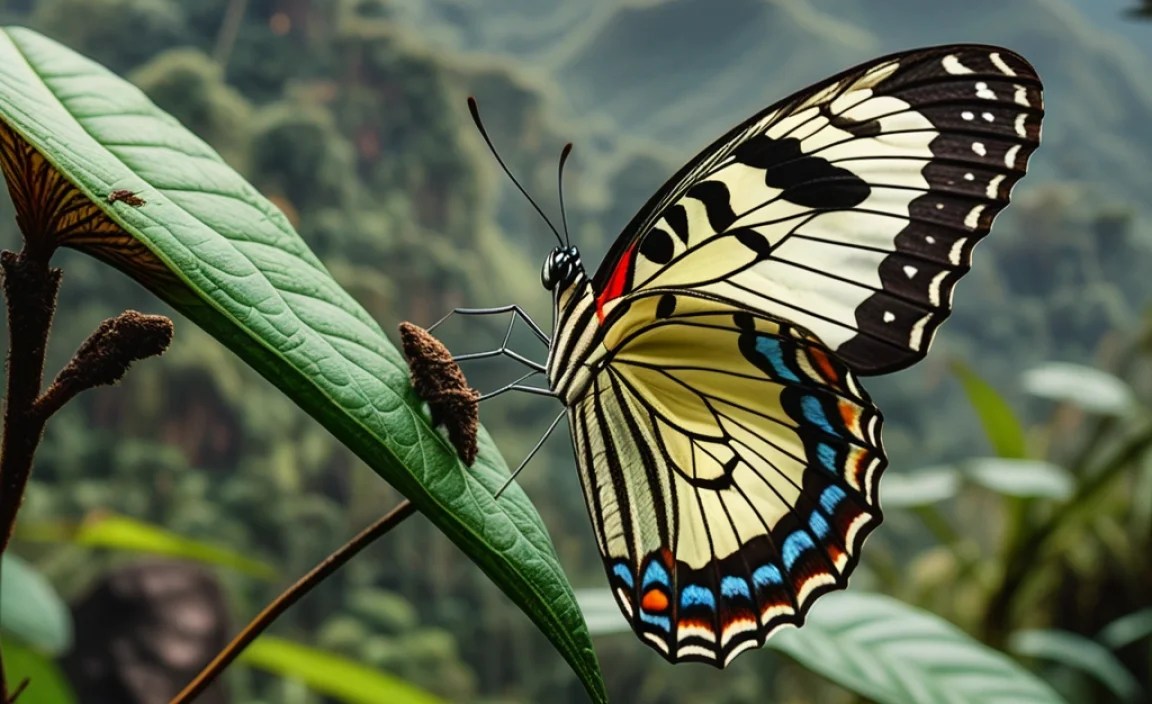
The Cameroon Highlands, also known as the Western Highlands of Cameroon, are a mountainous region known for its unique climate and diverse habitats. This area is a haven for a wide variety of plant and animal life, including a remarkable assortment of butterflies.
- Diverse Habitats: From lush rainforests to open grasslands, the highlands offer varied environments that support different butterfly species.
- Unique Climate: The cooler temperatures and higher rainfall create ideal conditions for many butterfly species that are not found in other parts of Cameroon.
- Endemic Species: Several butterfly species are found only in the Cameroon Highlands, making this region a critical area for conservation.
Identifying Common Butterflies
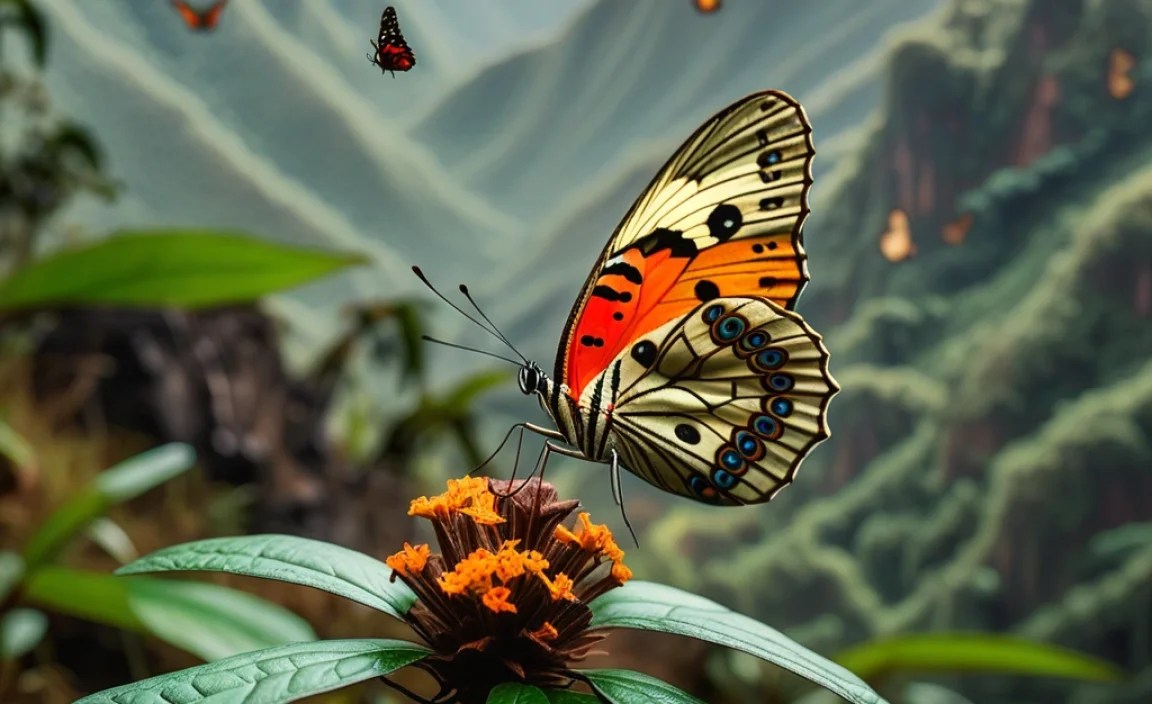
Learning to identify the butterflies you see is the first step to appreciating their beauty and understanding their role in the ecosystem. Here are a few common species you might encounter in the Cameroon Highlands:
1. Papilio antimachus (Giant African Swallowtail)
The Giant African Swallowtail is one of the largest butterflies in the world. Its impressive size and striking colors make it a memorable sight.
- Size: Wingspan can reach up to 25 cm (almost 10 inches).
- Color: Predominantly orange and brown with black markings.
- Habitat: Forested areas within the highlands.
Identifying Features: Look for its enormous size and distinctive swallowtail shape on its hindwings.
2. Graphium policenes (Common Swordtail)
The Common Swordtail is a graceful butterfly known for its long, sword-like tails on its hindwings.
- Size: Medium-sized butterfly with a wingspan of about 7-8 cm.
- Color: Black with greenish-white markings.
- Habitat: Forest edges and open woodlands.
Identifying Features: The long tails and vibrant green bands on its wings make it easy to spot.
3. Charaxes eupale (Common Green Charaxes)
The Common Green Charaxes is a fast-flying butterfly often seen near trees and shrubs.
- Size: Medium-sized butterfly with a wingspan of about 6-7 cm.
- Color: Green with brown and black markings.
- Habitat: Forested areas and gardens.
Identifying Features: Its green coloration and rapid flight are key characteristics.
4. Acraea egina (Egina Acraea)
The Egina Acraea is a brightly colored butterfly often seen in open areas and gardens.
- Size: Small to medium-sized butterfly with a wingspan of about 5-6 cm.
- Color: Orange with black spots.
- Habitat: Grasslands and disturbed areas.
Identifying Features: Its bright orange color and distinctive black spots make it easily recognizable.
5. Junonia oenone (Dark Blue Pansy)
The Dark Blue Pansy is a beautiful butterfly with striking blue markings on its wings.
- Size: Medium-sized butterfly with a wingspan of about 5-6 cm.
- Color: Dark blue with orange and black spots.
- Habitat: Open areas and gardens.
Identifying Features: The dark blue color and intricate patterns on its wings are unique.
Essential Gear for Butterfly Watching
To make the most of your butterfly watching experience in the Cameroon Highlands, it’s important to have the right equipment:
- Binoculars: A good pair of binoculars will help you get a closer look at butterflies without disturbing them. Look for binoculars with a magnification of 8x or 10x.
- Butterfly Net: A butterfly net is useful for catching butterflies for closer examination, but be sure to handle them gently and release them quickly. Choose a net with a lightweight frame and fine mesh.
- Camera: A camera with a zoom lens is essential for capturing beautiful photos of butterflies in their natural habitat.
- Field Guide: A field guide specific to the butterflies of Cameroon or West Africa will help you identify the species you encounter.
- Notebook and Pen: Keep a notebook and pen handy to record your observations, including the date, time, location, and species you identify.
- Appropriate Clothing: Wear comfortable, lightweight clothing in neutral colors to blend in with the environment. Long sleeves and pants can protect you from insects and vegetation.
- Sunscreen and Insect Repellent: Protect your skin from the sun and insects with sunscreen and insect repellent.
Best Locations for Butterfly Watching

The Cameroon Highlands offer several excellent locations for butterfly watching. Here are a few of the most popular spots:
- Mount Cameroon National Park: This park is home to a wide variety of butterfly species, thanks to its diverse habitats ranging from lowland rainforest to montane forest.
- Kilum-Ijim Forest Reserve: This reserve is known for its rich biodiversity and is an excellent place to see endemic butterfly species.
- Bamenda Highlands: The hills and valleys around Bamenda are home to numerous butterfly species.
- Dschang: The botanical garden and surrounding areas in Dschang are great for spotting butterflies.
- Lake Oku: This lake and its surrounding forests are known for their unique bird and butterfly populations.
Butterfly Habitats in the Cameroon Highlands
Understanding the different habitats within the Cameroon Highlands is crucial for finding specific butterfly species. Here’s a breakdown of common habitats and the types of butterflies you might encounter:
Rainforests
Rainforests are dense, humid forests with high rainfall. They are home to a wide variety of butterfly species that thrive in the shade and humidity.
- Common Species: Giant African Swallowtail (Papilio antimachus), various species of Charaxes, and forest-dwelling Nymphalidae.
- Key Features: Look for butterflies in forest clearings, along streams, and near flowering plants.
Montane Forests
Montane forests are found at higher elevations and are characterized by cooler temperatures and cloud cover. These forests are home to unique butterfly species adapted to the high-altitude environment.
- Common Species: Several endemic species of Satyrinae and Lycaenidae.
- Key Features: Focus on areas with dense vegetation and along forest edges.
Grasslands
Grasslands are open areas dominated by grasses and herbaceous plants. These habitats are home to butterfly species that prefer sunny, open conditions.
- Common Species: Various species of Acraea, Junonia, and other open-habitat butterflies.
- Key Features: Look for butterflies near flowering plants and along grassy paths.
Agricultural Areas
Agricultural areas, such as farms and gardens, can also be good places to see butterflies, especially if they include flowering plants and trees.
- Common Species: Common Green Charaxes (Charaxes eupale), Egina Acraea (Acraea egina), and other adaptable species.
- Key Features: Check gardens with flowering plants and fields with nectar-rich crops.
Attracting Butterflies to Your Garden
Even if you don’t live in the Cameroon Highlands, you can attract butterflies to your garden by providing the right conditions:
- Plant Nectar-Rich Flowers: Butterflies feed on nectar, so planting flowers that are rich in nectar will attract them to your garden. Some good choices include lantana, butterfly bush (Buddleja davidii), and zinnias.
- Provide Host Plants: Butterflies lay their eggs on specific host plants, which their caterpillars will feed on. Research which host plants are native to your area and plant them in your garden.
- Offer a Water Source: Butterflies need water to drink, so provide a shallow dish of water with pebbles or stones for them to land on.
- Avoid Pesticides: Pesticides can harm butterflies and other beneficial insects, so avoid using them in your garden.
- Provide Shelter: Butterflies need shelter from the wind and rain, so plant trees and shrubs in your garden.
Butterfly Conservation
Butterflies are important indicators of environmental health, and their conservation is crucial for maintaining biodiversity. Here are some ways you can help protect butterflies in the Cameroon Highlands and elsewhere:
- Support Conservation Organizations: Donate to or volunteer with organizations that work to protect butterfly habitats and promote conservation.
- Promote Sustainable Agriculture: Support farming practices that minimize the use of pesticides and protect natural habitats.
- Educate Others: Share your knowledge and passion for butterflies with others to raise awareness about their importance and the threats they face.
- Reduce Your Carbon Footprint: Climate change is a major threat to butterflies and other wildlife, so take steps to reduce your carbon footprint by conserving energy, using public transportation, and making sustainable choices.
- Advocate for Protected Areas: Support the creation and expansion of protected areas, such as national parks and reserves, to safeguard butterfly habitats.
Butterfly Photography Tips
Capturing stunning photos of butterflies can be a rewarding experience. Here are some tips to help you take beautiful butterfly photos:
- Use a Macro Lens: A macro lens will allow you to get close-up shots of butterflies with incredible detail.
- Shoot in Natural Light: Natural light is best for butterfly photography. Avoid using flash, which can scare the butterflies and create harsh shadows.
- Focus Carefully: Butterflies are often moving, so it’s important to focus carefully on their eyes or other key features.
- Use a Fast Shutter Speed: A fast shutter speed will help you freeze the motion of the butterflies and avoid blurry photos.
- Be Patient: Butterfly photography requires patience. Spend time observing the butterflies and waiting for the perfect moment to capture your shot.
- Get Low: Sometimes, getting down low to the butterfly’s level can create a more intimate and engaging photograph.
- Consider the Background: Pay attention to the background of your photo and try to choose a background that is clean and uncluttered.
The Cultural Significance of Butterflies
Butterflies hold cultural significance in many societies around the world. They are often seen as symbols of transformation, rebirth, and hope. In some cultures, butterflies are believed to carry the souls of the dead, while in others, they are associated with good luck and prosperity.
In art, literature, and mythology, butterflies are often used to represent beauty, freedom, and the ephemeral nature of life. Their delicate wings and vibrant colors have inspired artists and writers for centuries.
Table: Butterfly Species in Cameroon Highlands and Their Habitats
| Butterfly Species | Habitat | Identifying Features |
|---|---|---|
| Papilio antimachus (Giant African Swallowtail) | Rainforests | Very large size, orange and brown with black markings |
| Graphium policenes (Common Swordtail) | Forest edges, open woodlands | Long tails, black with greenish-white markings |
| Charaxes eupale (Common Green Charaxes) | Forests, gardens | Green coloration, rapid flight |
| Acraea egina (Egina Acraea) | Grasslands, disturbed areas | Bright orange with black spots |
| Junonia oenone (Dark Blue Pansy) | Open areas, gardens | Dark blue with orange and black spots |
Table: Butterfly Conservation Tips
| Conservation Action | Description | Benefits |
|---|---|---|
| Support Conservation Organizations | Donate or volunteer with organizations | Protects habitats, promotes research |
| Promote Sustainable Agriculture | Support pesticide-free farming | Reduces harm to butterflies and other insects |
| Educate Others | Share knowledge about butterflies | Raises awareness, encourages conservation |
| Reduce Carbon Footprint | Conserve energy, use public transport | Mitigates climate change effects |
| Advocate for Protected Areas | Support creation of national parks | Safeguards butterfly habitats |
FAQ: Butterflies in Cameroon Highlands
- What makes the Cameroon Highlands a good place for butterflies?
The Cameroon Highlands have diverse habitats, like rainforests and grasslands, and a unique climate that many butterfly species love.
- What’s the biggest butterfly I might see there?
The Giant African Swallowtail (Papilio antimachus) is huge, with a wingspan up to 10 inches!
- What should I bring for butterfly watching?
Binoculars, a camera, a field guide, and a notebook are great. Also, wear neutral clothes and bring sunscreen and bug spray.
- Where are the best spots to see butterflies?
Mount Cameroon National Park and Kilum-Ijim Forest Reserve are excellent choices.
- How can I help protect butterflies?
Support conservation groups, promote sustainable farming, and reduce your carbon footprint.
- Why are butterflies important?
Butterflies help pollinate plants and are good indicators of a healthy environment.
- What do butterflies eat?
Butterflies mostly eat nectar from flowers. Caterpillars eat leaves from specific plants.
Conclusion
Exploring the butterflies of the Cameroon Highlands is a truly rewarding experience. From the majestic Giant African Swallowtail to the delicate Dark Blue Pansy, these beautiful creatures offer a glimpse into the incredible biodiversity of this region. By learning how to identify them, understanding their habitats, and supporting conservation efforts, you can play a part in protecting these vital insects for future generations. So, pack your binoculars, grab your field guide, and embark on your own butterfly adventure in the heart of Africa. You’ll discover a world of wonder and beauty that will leave you with a newfound appreciation for the natural world.


