
Caterpillar to Butterfly Transformation: Ultimate Guide

**The caterpillar to butterfly transformation, or metamorphosis, is one of nature’s most amazing processes. A caterpillar eats, grows, and then forms a chrysalis or pupa. Inside, it completely changes, breaking down its body and reorganizing into a beautiful butterfly. This incredible change takes anywhere from a few weeks to two years, depending on the butterfly species.**
Have you ever wondered how a crawling caterpillar turns into a beautiful butterfly? It seems like magic, but it’s actually science! Watching this transformation is a fascinating experience. But understanding the steps can be a little confusing. Don’t worry! I’m Frances O’Brien, and I’ll guide you through each stage of this amazing process. We’ll explore how caterpillars eat, grow, and completely change their bodies to become butterflies. Get ready to discover the secrets of metamorphosis!
The Amazing Stages of Caterpillar to Butterfly Transformation
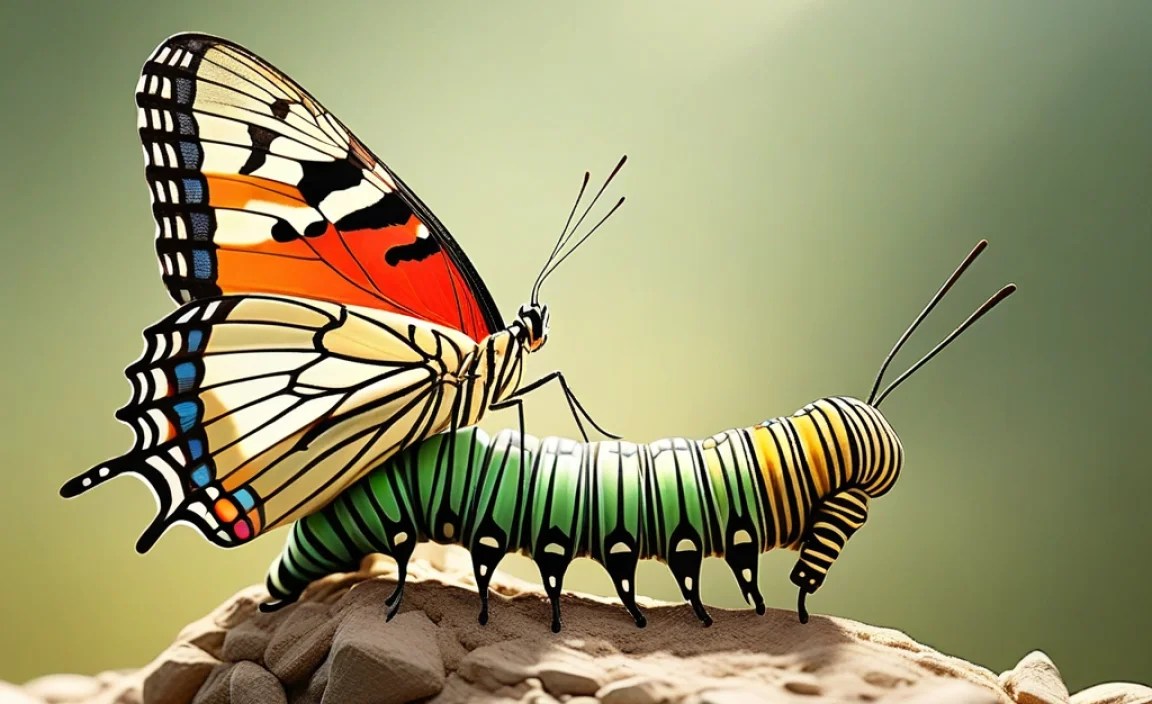
The journey from a caterpillar to a butterfly is called metamorphosis. It involves several distinct stages, each with its own purpose. Understanding these stages helps us appreciate the complexity and beauty of nature.
Stage 1: The Egg
The life cycle begins with an egg. Butterflies lay their eggs on plants that will serve as food for the newly hatched caterpillars. Butterfly eggs come in various shapes, sizes, and colors, depending on the species. Some are round, others are oval, and some even have intricate patterns.
- Location: Butterfly eggs are usually laid on the underside of leaves. This protects them from direct sunlight and predators.
- Appearance: The eggs can be tiny, sometimes as small as a pinhead. Colors range from white and yellow to green and brown.
- Hatching: The time it takes for an egg to hatch varies. It can be a few days to several weeks, depending on the species and environmental conditions.
Stage 2: The Larva (Caterpillar)
Once the egg hatches, the larva, or caterpillar, emerges. This is the feeding and growing stage. The primary job of the caterpillar is to eat and grow as much as possible.
- Eating: Caterpillars are eating machines! They munch on leaves almost constantly. Some species eat only specific types of plants, while others are less picky.
- Growing: As the caterpillar grows, it sheds its skin. This process is called molting. Caterpillars molt several times during this stage.
- Appearance: Caterpillars come in many colors and patterns. Some have bright colors to warn predators they are poisonous. Others have camouflage to blend in with their surroundings.
The molting process is essential for the caterpillar’s growth. Here’s a simple table to illustrate the molting stages:
| Stage | Description | Purpose |
|---|---|---|
| 1st Instar | Newly hatched caterpillar, small and fragile. | Begins feeding and growing. |
| Molting | Caterpillar sheds its skin as it grows too large for it. | Allows for rapid growth and development. |
| Later Instars | Larger caterpillar, continues to eat and grow. | Accumulates energy for the pupa stage. |
| Final Molt | Prepares for the pupa stage. | Forms the chrysalis. |
Stage 3: The Pupa (Chrysalis)
After reaching its full size, the caterpillar enters the pupa stage. It forms a protective shell around itself called a chrysalis. Inside the chrysalis, a remarkable transformation takes place.
- Formation: The caterpillar finds a safe place, hangs upside down, and sheds its skin one last time. This time, the skin hardens into a chrysalis.
- Transformation: Inside the chrysalis, the caterpillar’s body breaks down. Special cells called imaginal discs begin to form the butterfly’s wings, legs, and other structures.
- Duration: The pupa stage can last from a few weeks to two years, depending on the species and environmental conditions.
Stage 4: The Adult (Butterfly)
Finally, the butterfly emerges from the chrysalis. This is the adult stage. The butterfly’s main goals are to reproduce and continue the life cycle.
- Emergence: The butterfly breaks free from the chrysalis. Its wings are soft and folded. It pumps fluid into its wings to expand them.
- Drying: The butterfly needs time to dry its wings before it can fly. This can take a few hours.
- Reproduction: Adult butterflies mate and lay eggs. The life cycle begins again.
Detailed Look at Each Stage
Now, let’s dive deeper into each stage, exploring the fascinating details and processes involved.
The Egg Stage: A Tiny Beginning
The egg stage is crucial for the survival of the butterfly. The mother butterfly carefully selects a host plant. This ensures the newly hatched caterpillar has a food source.
- Host Plants: Different butterfly species lay eggs on different host plants. For example, Monarch butterflies lay their eggs on milkweed.
- Egg Protection: The egg’s outer shell protects the developing larva from the environment.
- Development: Inside the egg, the larva develops. It prepares to hatch and begin its life as a caterpillar.
The Larva Stage: Eating and Growing
The larva stage is all about eating and growing. Caterpillars are voracious eaters. They can consume large amounts of plant matter in a short time. This rapid growth requires the caterpillar to molt its skin.
- Molting Process: The caterpillar grows too big for its skin. It sheds its old skin and grows a new, larger one. This happens several times.
- Instars: The stages between molts are called instars. Each instar is a period of growth and feeding.
- Defense Mechanisms: Caterpillars have various defense mechanisms. Some are poisonous, some have camouflage, and some have spines or hairs.
Here’s a table showing common caterpillar defense mechanisms:
| Defense Mechanism | Description | Example |
|---|---|---|
| Poisonous | Caterpillars ingest toxins from their host plants, making them unpalatable to predators. | Monarch caterpillar eating milkweed. |
| Camouflage | Caterpillars blend in with their surroundings, making them difficult to spot. | Spicebush Swallowtail caterpillar resembling a bird dropping. |
| Spines/Hairs | Caterpillars have spines or hairs that irritate or deter predators. | Io moth caterpillar with stinging spines. |
| Mimicry | Caterpillars mimic other objects or animals to avoid predation. | Swallowtail caterpillars mimicking snakes. |
The Pupa Stage: Transformation Inside
The pupa stage is a period of intense transformation. Inside the chrysalis, the caterpillar’s body undergoes a complete reorganization. This process is one of the most remarkable in nature.
- Chrysalis Formation: The caterpillar attaches itself to a branch or leaf. It sheds its skin for the last time, forming the chrysalis.
- Imaginal Discs: These are special cells that develop into the butterfly’s wings, legs, and other structures.
- Reorganization: The caterpillar’s tissues break down. The imaginal discs use these materials to build the butterfly.
Scientists at the Smithsonian Institution have studied the intricate cellular processes that occur during the pupa stage, revealing the complexity of metamorphosis.
The Adult Stage: Flight and Reproduction
The adult stage is the final phase of the butterfly’s life cycle. The butterfly emerges from the chrysalis, ready to fly and reproduce.
- Emergence Process: The butterfly breaks free from the chrysalis. Its wings are soft and folded.
- Wing Expansion: The butterfly pumps fluid into its wings to expand them. It waits for them to dry and harden.
- Reproduction: The butterfly mates and lays eggs. The life cycle begins again.
Factors Affecting the Transformation
Several factors can influence the transformation from caterpillar to butterfly. These include environmental conditions, food availability, and genetics.
Environmental Conditions
Temperature, humidity, and light can all affect the development of the butterfly. Extreme temperatures can slow down or even stop the transformation. Proper humidity is essential for the chrysalis to remain healthy. The National Geographic Society highlights the importance of stable environmental conditions for successful butterfly metamorphosis.
- Temperature: Optimal temperatures are needed for each stage. Too cold, and the process slows down. Too hot, and it can be harmful.
- Humidity: Proper humidity levels prevent the chrysalis from drying out.
- Light: Daylight hours can influence the timing of the transformation.
Food Availability
The availability of food is crucial for the caterpillar’s growth. If the caterpillar doesn’t have enough food, it may not be able to complete the transformation.
- Host Plant Specificity: Some caterpillars can only eat specific types of plants.
- Nutrient Content: The nutritional value of the food affects the caterpillar’s health and development.
- Food Quantity: Caterpillars need to eat a lot to grow and store energy for the pupa stage.
Genetics
Genetics play a significant role in determining the butterfly’s characteristics. Genes control the butterfly’s size, color, and other traits.
- Species Variation: Different butterfly species have different genetic makeup.
- Inherited Traits: The butterfly inherits traits from its parents.
- Mutations: Genetic mutations can sometimes lead to variations in appearance or behavior.
How to Observe the Transformation

Observing the transformation from caterpillar to butterfly can be an enriching experience. Here are some tips on how to do it safely and responsibly.
Creating a Butterfly Habitat
You can create a butterfly habitat in your backyard by planting host plants and nectar plants. This will attract butterflies and provide them with a place to lay their eggs.
- Host Plants: Plant host plants that caterpillars can eat.
- Nectar Plants: Plant nectar plants that adult butterflies can feed on.
- Shelter: Provide shelter from the wind and rain.
Raising Caterpillars
You can raise caterpillars in a container at home. This allows you to observe the transformation up close.
- Collect Caterpillars: Find caterpillars on their host plants.
- Provide Food: Give the caterpillars fresh host plant leaves every day.
- Maintain Cleanliness: Keep the container clean to prevent disease.
- Observe Changes: Watch as the caterpillars grow and transform.
Releasing Butterflies
Once the butterflies emerge, you can release them into your garden. This helps to support butterfly populations.
- Release Time: Release the butterflies in the morning or evening when it’s cooler.
- Release Location: Release the butterflies near nectar plants.
- Observation: Watch as the butterflies fly off to start their new lives.
The Importance of Butterfly Conservation
Butterfly populations are declining due to habitat loss, pesticide use, and climate change. It’s essential to take steps to protect these beautiful creatures.
Habitat Preservation
Protecting and restoring butterfly habitats is crucial. This includes preserving natural areas and planting butterfly-friendly gardens.
- Natural Areas: Support efforts to protect natural areas.
- Butterfly Gardens: Create butterfly gardens in your backyard or community.
- Native Plants: Use native plants in your garden to provide food and shelter for butterflies.
Reducing Pesticide Use
Pesticides can harm butterflies and other beneficial insects. Reduce pesticide use in your garden and support sustainable farming practices. The Xerces Society offers valuable resources on protecting pollinators from pesticides.
- Organic Gardening: Use organic gardening methods to avoid pesticides.
- Targeted Application: If you must use pesticides, apply them carefully and only when necessary.
- Beneficial Insects: Encourage beneficial insects that prey on pests.
Supporting Conservation Organizations
Support organizations that work to protect butterflies and their habitats. These organizations conduct research, educate the public, and advocate for conservation policies.
- Donations: Donate to butterfly conservation organizations.
- Volunteer: Volunteer your time to help with conservation projects.
- Education: Educate others about the importance of butterfly conservation.
Fun Facts About Butterfly Metamorphosis
Here are some fascinating facts about the caterpillar to butterfly transformation:
- Some caterpillars can increase their weight by thousands of times before entering the pupa stage.
- The chrysalis can be camouflaged to blend in with its surroundings.
- Butterflies can migrate long distances to find suitable breeding grounds.
- The patterns on a butterfly’s wings are unique, like fingerprints.
- Butterflies taste with their feet!
Symbolism and Cultural Significance of Butterflies
Butterflies have long held symbolic meaning in various cultures. They often represent transformation, hope, and new beginnings.
- Transformation: The metamorphosis from caterpillar to butterfly symbolizes personal growth and change.
- Hope: Butterflies are seen as a symbol of hope and resilience.
- New Beginnings: The emergence of a butterfly represents a fresh start.
In many cultures, butterflies are also associated with the soul or spirit. They are often seen as messengers between the earthly and spiritual realms.
Frequently Asked Questions (FAQ)
What exactly happens inside the chrysalis?
Inside the chrysalis, the caterpillar’s body breaks down, and special cells rebuild it into a butterfly. It’s like a complete makeover!
How long does the transformation take?
It varies by species! Some butterflies transform in a few weeks, while others can take up to two years.
Can I help a butterfly emerge from its chrysalis?
No, it’s best to let nature take its course. Interfering can harm the butterfly.
What do butterflies eat?
Butterflies primarily feed on nectar from flowers. They use a long, straw-like tongue called a proboscis to sip the nectar.
Why are butterfly populations declining?
Habitat loss, pesticide use, and climate change are major threats to butterflies. Planting butterfly-friendly gardens and reducing pesticide use can help.
How can I attract butterflies to my garden?
Plant host plants for caterpillars and nectar plants for adult butterflies. Provide a water source and shelter from the wind.
Are all caterpillars harmful to plants?
No, many caterpillars are beneficial because they turn into beautiful pollinators. Only a few species cause significant damage to gardens or crops.
Conclusion
The transformation from caterpillar to butterfly is a truly remarkable process. From the tiny egg to the magnificent butterfly, each stage is filled with wonder and complexity. By understanding and appreciating this incredible journey, we can better protect these delicate creatures and their habitats. Whether you’re planting a butterfly garden, raising caterpillars at home, or simply observing butterflies in nature, you’re contributing to their conservation. So, let’s continue to explore, learn, and protect the beautiful world of butterflies!


