
Butterflies of Arabian Gulf: A Colorful Guide

The Arabian Gulf is home to a surprising variety of butterflies, each adapted to the region’s unique climate and vegetation. These include the African Babul Blue, the Plain Tiger, and the Lesser Grass Blue, among others. Understanding their habitats and life cycles is key to appreciating and protecting these delicate creatures.
Have you ever wondered about the colorful butterflies fluttering around the Arabian Gulf? This region, known for its desert landscapes, might not seem like a typical butterfly haven, but it’s actually home to a fascinating array of species. Identifying these butterflies can be tricky, and understanding their role in the ecosystem is crucial for conservation.
In this guide, we’ll explore the diverse world of butterflies in the Arabian Gulf. We’ll cover common species, their habitats, and how you can help protect them. Get ready to discover the hidden beauty of these delicate creatures!
A Colorful World: Butterflies of the Arabian Gulf

The Arabian Gulf region, despite its arid climate, hosts a surprising diversity of butterfly species. These butterflies have adapted to the harsh conditions and play a vital role in the local ecosystems. From vibrant colors to unique behaviors, each species has its own story to tell.
Common Butterfly Species in the Arabian Gulf
Let’s explore some of the most commonly seen butterflies in the Arabian Gulf region:
- African Babul Blue (Azanus jesous): This small butterfly is often found near acacia trees, which serve as its larval host plant. The males have bright blue wings, while the females are a duller brown.
- Plain Tiger (Danaus chrysippus): A medium-sized butterfly with orange wings and black and white markings. It’s known for its migratory behavior and can be found in various habitats.
- Lesser Grass Blue (Zizina otis): One of the smallest butterflies, with males displaying a vibrant blue color and females a brownish hue. They are commonly seen in grassy areas and gardens.
- Crimson Tip (Colotis danae eupompe): This butterfly stands out with its white wings and bright red or orange tips. It’s found in arid and semi-arid regions and is often seen near its host plants.
- Painted Lady (Vanessa cardui): A widespread migratory butterfly known for its distinctive orange, brown, and black patterned wings. It can be found in various habitats, including gardens and open fields.
Identifying Butterflies: Key Characteristics
Identifying butterflies involves observing several key characteristics. Here are some helpful tips:
- Wing Color and Pattern: Note the colors, patterns, and markings on both the upper and lower sides of the wings.
- Size and Shape: Pay attention to the size and shape of the butterfly’s wings and body.
- Habitat: Consider the type of environment where you found the butterfly, such as gardens, deserts, or coastal areas.
- Behavior: Observe the butterfly’s behavior, such as its flight pattern, feeding habits, and interaction with plants.
Butterfly Habitats in the Arabian Gulf

Butterflies thrive in specific habitats that provide them with food, shelter, and breeding grounds. Understanding these habitats is essential for butterfly conservation.
Gardens and Parks
Gardens and parks provide a rich source of nectar for adult butterflies and host plants for their larvae. Planting butterfly-friendly flowers and shrubs can attract a variety of species.
Desert Oases
Desert oases offer a refuge for butterflies in the arid landscape. These areas provide water, vegetation, and shade, creating a suitable environment for butterflies to survive and reproduce.
Coastal Areas
Coastal areas with mangroves and other vegetation can support specific butterfly species adapted to these environments. The unique flora of coastal habitats provides food and shelter for butterflies.
Mountains and Highlands
Higher altitude regions in the Arabian Gulf can have cooler temperatures and different plant species, attracting unique butterfly species not found in the lowlands.
The Butterfly Life Cycle
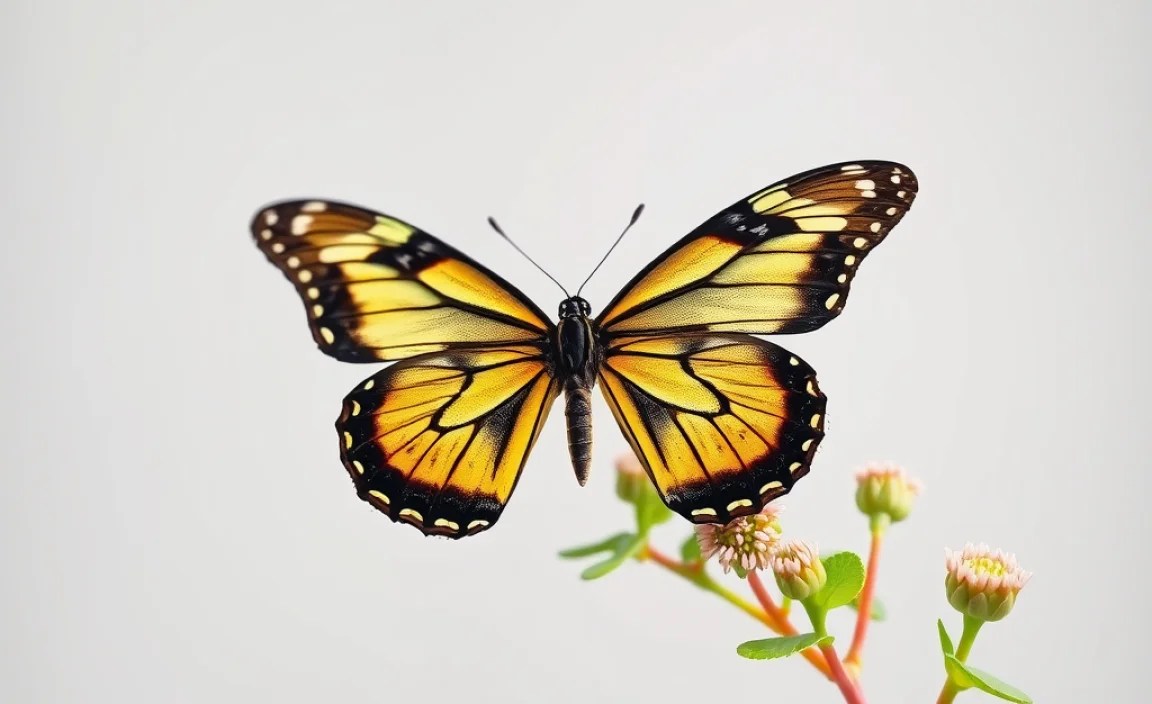
Butterflies undergo a complete metamorphosis, with four distinct stages: egg, larva (caterpillar), pupa (chrysalis), and adult. Each stage is crucial for the butterfly’s survival and reproduction.
Egg Stage
Female butterflies lay their eggs on specific host plants, which will serve as food for the emerging larvae. The eggs can vary in shape, size, and color, depending on the species.
Larva (Caterpillar) Stage
The larva, or caterpillar, is the feeding stage of the butterfly’s life cycle. Caterpillars consume large amounts of plant material to grow and develop. They also undergo several molts, shedding their skin as they grow larger.
Pupa (Chrysalis) Stage
Once the caterpillar reaches its full size, it transforms into a pupa, also known as a chrysalis. Inside the pupa, the caterpillar undergoes a complete metamorphosis, reorganizing its tissues and organs to form the adult butterfly.
Adult Stage
The adult butterfly emerges from the pupa, ready to reproduce. Adult butterflies primarily feed on nectar from flowers, providing them with the energy they need to fly and mate. They also play a crucial role in pollination.
Attracting Butterflies to Your Garden

Creating a butterfly-friendly garden is a rewarding way to support these beautiful creatures and enjoy their presence in your outdoor space.
Planting Host Plants
Host plants are essential for butterfly larvae, as they provide the food source caterpillars need to grow and develop. Some popular host plants for Arabian Gulf butterflies include:
- Acacia trees: Host plant for the African Babul Blue.
- Milkweed: Host plant for the Plain Tiger.
- Various legumes: Host plants for the Lesser Grass Blue.
- Cadaba rotundifolia: Host plant for the Crimson Tip.
Providing Nectar Sources
Nectar-rich flowers provide adult butterflies with the energy they need to fly and reproduce. Choose a variety of flowering plants that bloom at different times of the year to provide a continuous food source.
- Lantana: A popular choice for attracting butterflies with its clusters of colorful flowers.
- Zinnia: These bright and cheerful flowers are a favorite among butterflies.
- Pentas: These star-shaped flowers are a great source of nectar for butterflies.
- Hibiscus: The large, showy flowers of hibiscus plants attract a variety of butterfly species.
Providing Water Sources
Butterflies need water to stay hydrated, especially in hot and dry climates. Provide a shallow dish of water with pebbles or stones for butterflies to land on while drinking.
Avoiding Pesticides
Pesticides can be harmful to butterflies and other beneficial insects. Avoid using pesticides in your garden and opt for natural pest control methods instead.
- Handpicking: Remove pests by hand.
- Insecticidal soap: Use insecticidal soap to control aphids and other soft-bodied insects.
- Neem oil: Neem oil is a natural insecticide that can be used to control a variety of pests.
Conservation Efforts
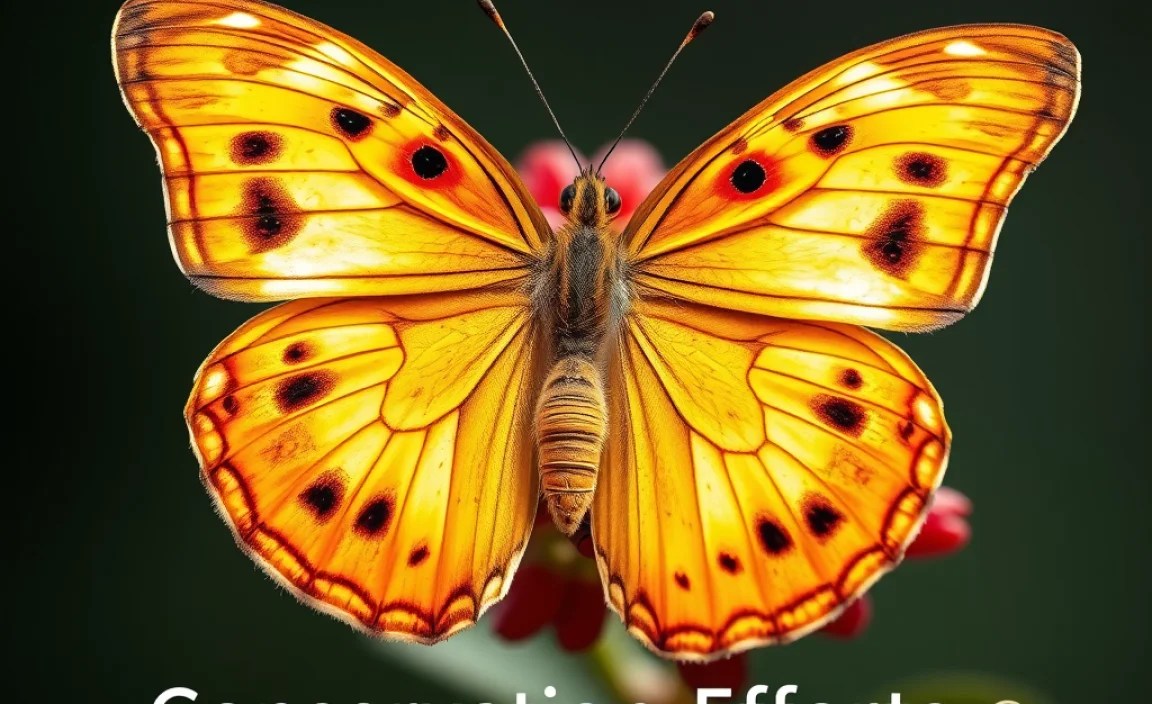
Butterfly populations are facing numerous threats, including habitat loss, climate change, and pesticide use. Conservation efforts are crucial to protect these delicate creatures and their habitats.
Habitat Preservation
Protecting and restoring butterfly habitats is essential for their survival. This includes preserving natural areas, creating butterfly gardens, and promoting sustainable land management practices.
Raising Awareness
Educating the public about the importance of butterflies and their role in the ecosystem can help raise awareness and inspire conservation action. Share your knowledge with friends, family, and community members.
Supporting Conservation Organizations
Many organizations are working to protect butterflies and their habitats. Support their efforts by donating, volunteering, or participating in citizen science projects.
- The Xerces Society: A non-profit organization that protects wildlife through the conservation of invertebrates and their habitats.
Butterfly Photography
Butterfly photography is a rewarding way to capture the beauty and diversity of these fascinating creatures. Here are some tips for taking stunning butterfly photos:
Equipment
A good camera with a macro lens is essential for capturing close-up shots of butterflies. A tripod can also be helpful for steadying your camera and capturing sharp images.
Techniques
- Patience: Butterflies can be elusive, so be patient and wait for the right moment to capture your shot.
- Lighting: Natural light is best for butterfly photography. Avoid harsh sunlight, which can create shadows and wash out colors.
- Composition: Pay attention to the composition of your photos. Use the rule of thirds to create visually appealing images.
- Focus: Focus on the butterfly’s eyes or other key features to create sharp and detailed images.
Ethics
Be mindful of the butterflies and their habitat when taking photos. Avoid disturbing or harming them in any way. Do not collect butterflies or their eggs.
Butterflies in Culture and Symbolism
Butterflies have long been symbols of transformation, beauty, and hope in various cultures around the world. Their delicate nature and vibrant colors have captured the human imagination for centuries.
Symbolism
- Transformation: The butterfly’s metamorphosis from caterpillar to pupa to adult is a powerful symbol of transformation and rebirth.
- Beauty: Butterflies are admired for their beauty and grace. Their vibrant colors and delicate wings make them a symbol of aesthetic appeal.
- Hope: Butterflies are often seen as symbols of hope and new beginnings. Their ability to emerge from a chrysalis and take flight represents the potential for growth and change.
Cultural Significance
In many cultures, butterflies are associated with the soul or spirit. They are often seen as messengers from the afterlife or as symbols of departed loved ones.
Butterfly Migration
Some butterfly species undertake long-distance migrations, traveling thousands of miles to find suitable breeding grounds or overwintering habitats. These migrations are among the most impressive feats of the natural world.
Migratory Species
The Painted Lady (Vanessa cardui) is one of the most well-known migratory butterflies. It undertakes long-distance migrations across continents, following the availability of food and suitable breeding conditions.
Migration Patterns
Butterfly migration patterns can be complex and influenced by various factors, including weather, food availability, and habitat conditions. Some species migrate in large groups, while others migrate individually.
Conservation Implications
Butterfly migration is a vulnerable phenomenon that is threatened by habitat loss, climate change, and other factors. Protecting migratory butterfly habitats and migration routes is essential for their survival.
Resources for Further Learning
Want to delve deeper into the world of butterflies? Here are some resources to help you expand your knowledge:
- Books:
- Butterflies of the Middle East by Torben B. Larsen
- Websites:
- Butterfly Conservation: A UK-based organization dedicated to the conservation of butterflies and moths.
- National Geographic – Butterflies: Overview of butterfly behavior, habitat, and conservation.
Table: Common Butterflies of the Arabian Gulf
| Butterfly Species | Habitat | Host Plant | Key Features |
|---|---|---|---|
| African Babul Blue (Azanus jesous) | Gardens, acacia woodlands | Acacia trees | Small size, male wings bright blue |
| Plain Tiger (Danaus chrysippus) | Various habitats, migratory | Milkweed | Orange wings with black and white markings |
| Lesser Grass Blue (Zizina otis) | Grassy areas, gardens | Various legumes | Very small, male wings vibrant blue |
| Crimson Tip (Colotis danae eupompe) | Arid and semi-arid regions | Cadaba rotundifolia | White wings with red or orange tips |
| Painted Lady (Vanessa cardui) | Various habitats, migratory | Wide range of plants | Orange, brown, and black patterned wings |
Table: Butterfly-Friendly Plants for Arabian Gulf Gardens
| Plant Name | Type | Benefits |
|---|---|---|
| Lantana | Flowering shrub | Attracts butterflies with colorful flower clusters |
| Zinnia | Annual flower | Bright and cheerful, a favorite among butterflies |
| Pentas | Flowering plant | Star-shaped flowers, great nectar source |
| Hibiscus | Flowering shrub/tree | Large, showy flowers attract various species |
| Milkweed | Herbaceous plant | Essential host plant for Plain Tiger butterflies |
FAQ: Butterflies of the Arabian Gulf
What types of butterflies live in the Arabian Gulf?
The Arabian Gulf is home to a variety of butterflies, including the African Babul Blue, Plain Tiger, Lesser Grass Blue, Crimson Tip, and Painted Lady. These species have adapted to the region’s climate and vegetation.
How can I attract butterflies to my garden in the Arabian Gulf?
To attract butterflies, plant host plants for caterpillars and nectar-rich flowers for adult butterflies. Provide a water source and avoid using pesticides.
What are host plants?
Host plants are specific plants that butterfly larvae (caterpillars) feed on. Examples include acacia trees for the African Babul Blue and milkweed for the Plain Tiger.
Why are butterflies important?
Butterflies are important pollinators, helping to fertilize plants and maintain biodiversity. They also serve as indicators of environmental health and are a valuable part of the food chain.
What can I do to help protect butterflies in the Arabian Gulf?
You can help protect butterflies by preserving their habitats, raising awareness about their importance, and supporting conservation organizations. Avoid using pesticides and create butterfly-friendly gardens.
Are there any migratory butterflies in the Arabian Gulf?
Yes, the Painted Lady (Vanessa cardui) is a migratory butterfly that can be found in the Arabian Gulf. It undertakes long-distance migrations in search of food and suitable breeding conditions.
What is the life cycle of a butterfly?
The butterfly life cycle consists of four stages: egg, larva (caterpillar), pupa (chrysalis), and adult. Each stage plays a crucial role in the butterfly’s development and survival.
Conclusion
Exploring the butterflies of the Arabian Gulf reveals a hidden world of beauty and resilience. These delicate creatures play a vital role in the ecosystem, and understanding their habitats and life cycles is crucial for their conservation. By creating butterfly-friendly gardens, supporting conservation efforts, and raising awareness, we can help protect these fascinating insects for future generations. So, step outside, observe, and appreciate the butterflies around you – each one is a tiny ambassador of nature’s wonder!


