
Rare Butterflies Found in Backyard? Discover Now!

Have you ever seen a flash of color in your backyard? Was it a bird or a plane? Maybe it was something even more special! Some people find rare butterflies in their backyard. It is like discovering a hidden treasure. These tiny creatures can bring so much joy.
Imagine you are playing outside. Suddenly, a butterfly you have never seen before flutters by. Its wings have amazing colors and patterns. You might have found something truly special. Discovering rare butterflies found in backyard is exciting.
Butterflies are more than just pretty insects. They help flowers grow by spreading pollen. They are also a sign of a healthy environment. When you see many butterflies, it means the air and plants are clean. So keep an eye out. You could spot something amazing!
Key Takeaways
- Discovering rare butterflies found in backyard can be a magical experience.
- Providing the right plants and habitat helps attract diverse butterfly species.
- Butterfly identification guides and apps are useful for identifying unique species.
- Understanding butterfly life cycles and behaviors enhances appreciation for nature.
- Protecting butterfly habitats supports local biodiversity and ecosystem health.
Identifying Rare Butterflies in Backyard
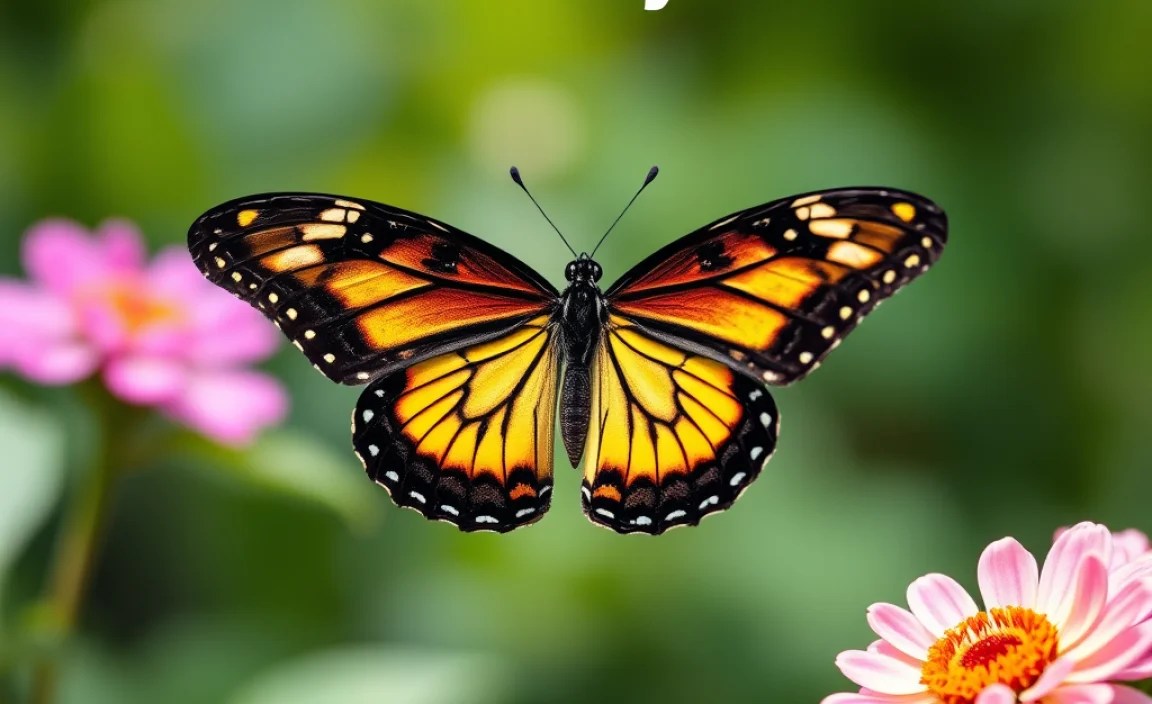
Have you ever wondered how to tell if a butterfly is rare? It can be tricky. Many butterflies look similar. Knowing what to look for helps. First, pay attention to the size and shape of the wings. Rare butterflies often have unique patterns. Look for colors you don’t usually see. Some might have metallic or iridescent markings.
- Check local butterfly guides.
- Use butterfly identification apps.
- Note the butterfly’s size and shape.
- Observe the colors and patterns.
- Take a photo for later comparison.
Another important step is to learn about local butterfly species. Your state or region likely has its own unique butterflies. Check out books or websites that focus on butterflies in your area. These resources will show you common butterflies. This helps you recognize when you see something different. Remember, rare doesn’t always mean beautiful. Some rare butterflies are small and plain. The key is to notice what is unusual. Keep your eyes open. You might be surprised by what you find.
Fun Fact or Stat: Did you know that some butterflies migrate thousands of miles each year, just like birds?
What Makes a Butterfly Rare?
What exactly makes a butterfly “rare”? Rarity can depend on several things. Sometimes, a butterfly is rare because it only lives in a small area. This is called having a limited range. Other times, a butterfly might be rare because its habitat is disappearing. For example, if a forest is cut down, the butterflies that live there lose their homes. Pollution can also make butterflies rare. Chemicals in the air and water can harm them. Climate change is another big problem. As the weather changes, some butterflies can’t survive in their usual places.
Where Do Rare Butterflies Live?
Knowing where rare butterflies live is important. Some prefer forests, while others like meadows. Some butterflies only live near specific plants. If you want to attract rare butterflies, create a welcoming habitat. Plant native flowers and trees. Avoid using pesticides or herbicides. These chemicals can hurt butterflies. Also, provide a water source. A shallow dish of water with some pebbles works well. Butterflies need water to drink. By creating a good habitat, you increase your chances of seeing something special.
Documenting Your Butterfly Discoveries
If you think you have found a rare butterfly, document it! Take clear photos. Write down where and when you saw it. Note the butterfly’s size, color, and behavior. Then, share your findings with experts. You can contact local butterfly clubs or nature centers. They can help you confirm if your butterfly is rare. Your observations can help scientists learn more about these amazing creatures. Plus, sharing your discoveries can inspire others to protect butterflies.
Creating a Butterfly-Friendly Backyard
Attracting butterflies to your backyard is fun and rewarding. You can create a butterfly garden. Choose plants that butterflies love. Butterflies need two things: nectar for adults and food for caterpillars. Nectar plants provide energy for adult butterflies. Caterpillars eat the leaves of host plants. Milkweed is a famous host plant for Monarch butterflies. Other good nectar plants include butterfly bush, zinnias, and lavender. Plant a variety of flowers that bloom at different times. This ensures butterflies have food all season long.
- Plant native flowers.
- Provide host plants for caterpillars.
- Offer a water source.
- Avoid pesticides and herbicides.
- Create sunny and sheltered spots.
- Leave out rotting fruit.
Think about the location of your butterfly garden. Butterflies like sunny spots. They need warmth to fly. Also, provide some shelter from the wind. A fence or some shrubs can help. Butterflies also need water. A shallow dish with pebbles is perfect. The pebbles give them a place to land while they drink. You can also leave out some rotting fruit. Butterflies love the sugary juice. Remember, be patient. It takes time for butterflies to find your garden. But with the right plants and care, they will come.
Fun Fact or Stat: Some butterflies taste with their feet!
Choosing the Right Plants
Choosing the right plants is key. Native plants are always a good choice. They are adapted to your local climate. This means they are easier to care for. Native plants also attract native butterflies. Milkweed is essential for Monarchs. Other good choices include asters, coneflowers, and goldenrod. When you buy plants, make sure they haven’t been treated with pesticides. Pesticides can harm or kill butterflies. Look for plants that are labeled as “organic.” Also, plant in groups. A large patch of the same flower is more attractive to butterflies than a single plant.
Providing Water and Shelter
Butterflies need water to survive. A shallow dish with water is an easy way to provide it. Add some pebbles or marbles to the dish. This gives butterflies a place to land while they drink. Change the water regularly to keep it clean. Butterflies also need shelter from the wind and rain. Plant shrubs and trees to create sheltered spots. A butterfly house can also provide shelter. These are small wooden boxes with slits for butterflies to enter. Place the butterfly house in a sunny, sheltered location.
Avoiding Harmful Chemicals
Chemicals can be very harmful to butterflies. Avoid using pesticides, herbicides, and fertilizers in your garden. These chemicals can poison butterflies and caterpillars. If you need to control pests, try natural methods. For example, you can pick off pests by hand. You can also use insecticidal soap or neem oil. These are less harmful to butterflies. Be careful when using any kind of spray. Avoid spraying when butterflies are active. The best time to spray is early morning or late evening.
Understanding Butterfly Life Cycles
Butterflies go through a fascinating life cycle. It has four stages: egg, larva (caterpillar), pupa (chrysalis), and adult. Each stage is important. Understanding the life cycle helps you protect butterflies. It starts with the egg. Butterflies lay their eggs on host plants. The eggs hatch into caterpillars. Caterpillars eat a lot. They grow quickly. They shed their skin several times as they grow. This is called molting.
- Egg: Laid on a host plant.
- Larva: Caterpillar stage, eats and grows.
- Pupa: Chrysalis stage, transforms.
- Adult: Butterfly emerges and reproduces.
- Each stage is crucial for survival.
Once the caterpillar is full grown, it forms a pupa. The pupa is also called a chrysalis. Inside the chrysalis, the caterpillar transforms into a butterfly. This process takes several weeks. Finally, the adult butterfly emerges. The butterfly’s wings are wet and crumpled at first. It pumps fluid into its wings to expand them. Then, it waits for its wings to dry. Once the wings are dry, the butterfly can fly. The adult butterfly’s main job is to reproduce. It drinks nectar for energy. The female lays eggs, and the cycle begins again.
Fun Fact or Stat: A butterfly’s wings are covered in tiny scales that give them their color!
The Egg Stage
The egg stage is the first stage of the butterfly life cycle. Butterflies lay their eggs on specific host plants. The eggs are often very small. They can be different colors and shapes. Some eggs are round, while others are oval. Some are smooth, while others have ridges. The female butterfly chooses the host plant carefully. She knows that her caterpillars will need to eat the leaves of that plant. The eggs hatch after a few days or weeks. The time it takes to hatch depends on the species and the weather.
The Larva (Caterpillar) Stage
The larva stage is the caterpillar stage. Caterpillars are eating machines. They eat almost constantly. They need to grow quickly. As they grow, they shed their skin several times. This is called molting. Each time they molt, they get bigger. Caterpillars can look very different depending on the species. Some are brightly colored, while others are camouflaged. Some have spines or hairs. Caterpillars eat the leaves of their host plant. They can cause a lot of damage to plants. But they are also an important food source for birds and other animals.
The Pupa (Chrysalis) Stage
The pupa stage is the chrysalis stage. This is when the caterpillar transforms into a butterfly. The caterpillar forms a hard shell around itself. Inside the chrysalis, the caterpillar’s body breaks down. Then, it reassembles into a butterfly. This process is amazing. It takes several weeks. The chrysalis can be different colors and shapes. Some are green, while others are brown. Some are smooth, while others have bumps. The chrysalis hangs from a branch or leaf. It is vulnerable during this stage. Birds and other animals can eat it.
Protecting Butterfly Habitats
Protecting butterfly habitats is important. Butterflies need places to live and feed. Habitat loss is a major threat to butterflies. When forests and meadows are destroyed, butterflies lose their homes. Pollution and climate change also harm butterflies. You can help protect butterfly habitats in many ways. Plant native flowers and trees in your backyard. Support local conservation organizations. Educate others about the importance of butterflies.
- Support local conservation efforts.
- Reduce pesticide use.
- Plant native trees and shrubs.
- Create butterfly gardens.
- Educate others about butterfly conservation.
One of the best things you can do is reduce your use of pesticides. Pesticides can kill butterflies and other beneficial insects. If you must use pesticides, use them sparingly. Choose organic or natural options. Another way to help is to support local conservation organizations. These groups work to protect butterfly habitats. They also educate people about butterflies. You can volunteer your time or donate money. Every little bit helps. Together, we can protect butterflies for future generations.
Fun Fact or Stat: Butterflies are important pollinators, helping plants reproduce!
Supporting Conservation Organizations
Many organizations work to protect butterflies. These groups need your support. You can donate money or volunteer your time. Some organizations focus on research. They study butterfly populations and habitats. Others focus on education. They teach people about butterflies. Still others focus on habitat restoration. They work to restore damaged butterfly habitats. Find an organization that you believe in. Then, get involved. Your support can make a big difference.
Reducing Pesticide Use
Pesticides are harmful to butterflies. They can kill butterflies directly. They can also kill the plants that butterflies need to survive. Reduce your use of pesticides in your garden and yard. Use natural methods to control pests. For example, you can pick off pests by hand. You can also use insecticidal soap or neem oil. These are less harmful to butterflies. Be careful when using any kind of spray. Avoid spraying when butterflies are active. The best time to spray is early morning or late evening.
Creating Butterfly Sanctuaries
You can create a butterfly sanctuary in your own backyard. A butterfly sanctuary is a place where butterflies can live and thrive. To create a sanctuary, you need to provide food, water, and shelter. Plant native flowers and trees that butterflies love. Provide a shallow dish of water with pebbles. Create sheltered spots with shrubs and trees. Avoid using pesticides and herbicides. Educate your neighbors about the importance of butterflies. Encourage them to create their own butterfly sanctuaries.
Using Butterfly Identification Guides
Identifying butterflies can be tricky. Many butterflies look similar. A good identification guide can help. These guides show pictures of different butterfly species. They also provide information about their size, color, and habitat. You can find butterfly guides in bookstores or online. There are also butterfly identification apps for your phone. These apps can help you identify butterflies in the field.
- Use field guides with clear photos.
- Check butterfly identification apps.
- Compare markings and patterns.
- Note size, color, and location.
- Consult with local experts.
- Attend butterfly walks.
When you use a butterfly guide, pay attention to the details. Look at the butterfly’s wings. Note the colors and patterns. Compare the butterfly to the pictures in the guide. Also, consider the butterfly’s size and shape. Where did you see the butterfly? Some butterflies only live in certain areas. If you are not sure what kind of butterfly you have seen, ask for help. Contact a local butterfly club or nature center. They can help you identify the butterfly.
Fun Fact or Stat: Some butterflies can fly up to 30 miles per hour!
Field Guides
Field guides are books that help you identify plants and animals. There are many different butterfly field guides available. Choose a guide that is specific to your region. This will make it easier to find the butterflies that you are likely to see. Look for a guide with clear photos and descriptions. The guide should also include information about the butterfly’s habitat and behavior. Take the field guide with you when you go butterfly watching.
Online Resources
There are many online resources for identifying butterflies. Websites like BugGuide.net and Butterflies and Moths of North America have photos and information about different butterfly species. You can also find butterfly identification apps for your phone. These apps can help you identify butterflies in the field. Some apps use your phone’s camera to identify butterflies. Others ask you to answer questions about the butterfly’s appearance.
Local Experts
If you are having trouble identifying a butterfly, ask a local expert. Contact a local butterfly club or nature center. They can help you identify the butterfly. They may also be able to tell you more about the butterfly’s habitat and behavior. Local experts can also help you find rare butterflies in your area. They may know of specific locations where these butterflies have been seen.
Documenting and Reporting Sightings
If you see a rare butterfly, document it! Take photos or videos. Write down the date, time, and location. Note the butterfly’s size, color, and behavior. Then, report your sighting to a local butterfly organization. Your observations can help scientists learn more about these amazing creatures. Reporting your sightings can also help protect butterfly habitats.
- Take detailed photos.
- Record date, time, and location.
- Note butterfly behavior.
- Report sightings to local organizations.
- Share findings on online platforms.
There are several ways to report your butterfly sightings. You can use online databases like iNaturalist or eButterfly. These websites allow you to upload photos and information about your sightings. Your data will be used by scientists to track butterfly populations and distributions. You can also contact local butterfly clubs or nature centers. They may have their own reporting systems. Your reports can help them monitor butterfly populations in your area.
Fun Fact or Stat: Some butterflies can taste with sensors on their feet!
Taking Good Photos
Good photos are essential for documenting butterfly sightings. Use a camera with a good zoom lens. This will allow you to take close-up photos of butterflies. Take photos from different angles. This will show the butterfly’s colors and patterns. Make sure the photos are in focus. Blurry photos are difficult to identify. Include a ruler or other object in the photo for scale. This will help people estimate the butterfly’s size.
Recording Important Details
Record as many details as possible about your butterfly sighting. Write down the date, time, and location. Note the butterfly’s size, color, and behavior. What was the butterfly doing? Was it feeding on a flower? Was it flying around? What kind of habitat was it in? Was it in a forest, a meadow, or a garden? All of these details can help identify the butterfly. They can also provide valuable information about the butterfly’s ecology.
Sharing Your Discoveries
Share your butterfly discoveries with others. Post your photos and observations on social media. Use hashtags like #butterflies, #nature, and #wildlife. This will help other people see your posts. You can also share your discoveries on online forums and websites. This will allow you to connect with other butterfly enthusiasts. Sharing your discoveries can help raise awareness about the importance of butterflies.
Butterfly Conservation Efforts
Many people are working to protect butterflies. Conservation efforts include habitat restoration, captive breeding programs, and education. Habitat restoration involves restoring damaged butterfly habitats. This can include planting native flowers and trees. Captive breeding programs involve breeding butterflies in captivity. The butterflies are then released into the wild. Education is also important. People need to learn about the importance of butterflies.
| Conservation Effort | Description | Benefits | Challenges |
|---|---|---|---|
| Habitat Restoration | Restoring damaged butterfly habitats. | Provides food and shelter for butterflies. | Can be expensive and time-consuming. |
| Captive Breeding | Breeding butterflies in captivity. | Increases butterfly populations. | Can be difficult to maintain genetic diversity. |
| Education | Teaching people about butterflies. | Raises awareness about butterfly conservation. | Requires ongoing effort. |
| Legislation | Enacting and enforcing laws to protect butterfly habitats and species. | Provides legal protection for butterflies and their habitats. | Can be difficult to pass and enforce. |
You can support butterfly conservation efforts in many ways. Donate to conservation organizations. Volunteer your time. Plant native flowers and trees in your backyard. Reduce your use of pesticides. Educate others about the importance of butterflies. Every little bit helps. Together, we can protect butterflies for future generations.
Fun Fact or Stat: Butterflies play a vital role in the ecosystem as pollinators!
Supporting Local Initiatives
Support local butterfly conservation initiatives. These initiatives are often run by local butterfly clubs or nature centers. They may involve habitat restoration, education, or research. You can support these initiatives by volunteering your time or donating money. You can also participate in local butterfly counts. These counts help scientists track butterfly populations.
Promoting Sustainable Practices
Promote sustainable practices in your community. Sustainable practices are practices that protect the environment. They include reducing your use of pesticides, conserving water, and planting native plants. You can promote sustainable practices by educating your neighbors and friends. You can also support businesses that use sustainable practices.
Advocating for Butterfly Conservation
Advocate for butterfly conservation. Contact your elected officials. Tell them that you support butterfly conservation. Ask them to support legislation that protects butterflies and their habitats. You can also write letters to the editor of your local newspaper. This will help raise awareness about the importance of butterflies. Your voice can make a difference.
Summary
Discovering rare butterflies found in backyard can be an exciting and rewarding experience. It starts with knowing how to identify different species. You can create a welcoming habitat by planting native flowers and providing water. Understanding the butterfly life cycle helps you protect them. Supporting conservation efforts is also important.
Remember to document your sightings and share them with others. By taking these steps, you can help protect butterflies. You also contribute to a healthier environment. Keep an eye out for those rare butterflies found in backyard. You never know what you might discover!
Conclusion
Butterflies are beautiful and important creatures. They play a vital role in our ecosystem. You can make a difference by creating a butterfly-friendly backyard. By learning about butterflies and supporting conservation efforts, you help protect them. Keep an eye out, and you might just find rare butterflies found in backyard.
Frequently Asked Questions
Question No 1: What makes a butterfly “rare”?
Answer: A butterfly is considered “rare” for several reasons. It might only live in a very small area, which is called a limited geographic range. Sometimes, their habitat is disappearing due to deforestation or development. Pollution and climate change can also affect butterfly populations, making certain species rare. When you spot a butterfly that looks different from the usual ones, especially if you find rare butterflies found in backyard, it might be a rare species.
Question No 2: How can I attract more butterflies to my backyard?
Answer: Attracting butterflies involves creating a welcoming habitat. Plant native flowers that provide nectar, which is their food source. Also, include host plants for caterpillars, like milkweed for Monarchs. Provide a shallow dish of water with pebbles for them to drink. Avoid using pesticides, as these can harm or kill butterflies. A sunny spot with some shelter from the wind is also ideal. By providing the right conditions, you can attract a variety of butterflies, possibly even rare butterflies found in backyard.
Question No 3: What are some signs that a butterfly is endangered?
Answer: Signs that a butterfly might be endangered include a significant decrease in its population. Also, if you notice that the butterfly is only found in very specific areas, it could be a sign. Habitat loss is another indicator. If the places where they live are being destroyed, the species could be at risk. If you suspect you’ve seen an endangered butterfly, especially if you find rare butterflies found in backyard, report the sighting to a local conservation organization.
Question No 4: How can I tell the difference between a butterfly and a moth?
Answer: Butterflies and moths have several key differences. Butterflies usually have thin, clubbed antennae, while moths have feathery or comb-like antennae. Butterflies are typically active during the day, while moths are often active at night. When at rest, butterflies hold their wings upright, while moths usually fold their wings flat against their bodies. Butterflies also tend to be more colorful than moths. Keep these differences in mind as you observe butterflies.
Question No 5: What should I do if I find an injured butterfly?
Answer: If you find an injured butterfly, handle it with care. Gently pick it up by its wings, being careful not to damage them. Place it in a safe, sheltered location, like a box with air holes. Offer it a sugar-water solution (one part sugar to four parts water) on a cotton ball. Contact a local butterfly rescue organization or nature center for further assistance. They can provide specialized care. If you think you’ve found an injured rare butterflies found in backyard, it’s especially important to seek expert help.
Question No 6: Are there any butterflies that are poisonous?
Answer: Yes, some butterflies are poisonous. The most well-known example is the Monarch butterfly. Monarch caterpillars feed on milkweed, which contains toxins. These toxins stay in the butterfly’s body even after it transforms. This makes them poisonous to predators. Other butterflies mimic the appearance of poisonous butterflies to protect themselves. If you find rare butterflies found in backyard, it is important to identify them correctly, but do not handle them without proper protection.


