
Asian Butterfly Genera List: Your Ultimate Guide

Butterflies are so pretty. They fly around in gardens. They land on flowers. Have you ever wondered about them? There are many kinds of butterflies. Some live in Asia. Today, we will learn about the Asian butterfly genera list. It is a long list of butterfly groups. Each group has different types of butterflies.
Butterflies are important. They help flowers grow. They move pollen from one flower to another. This helps plants make seeds. Seeds grow into new plants. So, butterflies help us too. Let’s explore the amazing world of Asian butterflies!
Key Takeaways
- The Asian butterfly genera list contains many different groups of butterflies.
- Butterflies play a big role in nature by helping to pollinate flowers.
- Some Asian butterflies have unique patterns and colors on their wings.
- Certain butterfly species are endangered, and conservation efforts are important.
- Learning about butterflies can help us appreciate nature more.
Exploring the Asian Butterfly Genera List
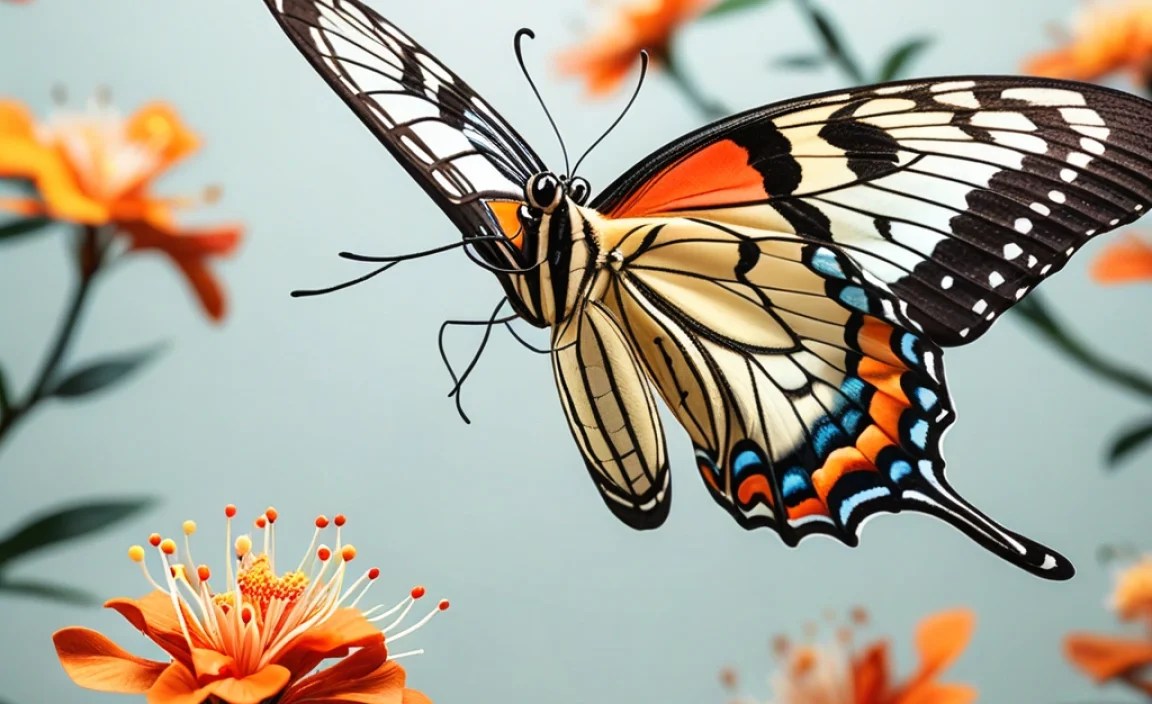
The Asian butterfly genera list is very long. It includes many different types of butterflies. Each type has its own name. These names help scientists study them. Scientists learn about where they live. They also study what they eat. Butterflies are insects. They have six legs and three body parts. They also have wings. Butterfly wings are very colorful. The colors help them hide. The colors also attract mates. Some butterflies are big. Some are small. They all play a part in nature. They help keep the environment healthy. They are important for flowers and plants. Learning about them is fun. It helps us understand nature better. We can also help protect them.
- Butterflies are insects.
- They have colorful wings.
- Some butterflies are big.
- Some butterflies are small.
- They help flowers grow.
Imagine you are a butterfly. You fly from flower to flower. You drink nectar. Nectar is sweet. It gives you energy. You lay eggs on leaves. The eggs hatch into caterpillars. Caterpillars eat leaves. They grow bigger and bigger. Then, they turn into pupae. Pupae are like sleeping bags. Inside the pupae, they change. They become butterflies. This is called metamorphosis. It is an amazing process. Butterflies are important for our world. We should protect them. We can plant flowers for them to eat. We can also keep their habitats safe. This helps them thrive.
Fun Fact or Stat: Did you know that some butterflies migrate thousands of miles each year?
What Does “Genus” Mean?
Have you ever heard the word “genus?” It is a way to group living things. Think of it like a family name. For example, humans belong to the genus “Homo.” All butterflies in the same genus are similar. They share some traits. They might look alike. Or they might eat the same food. Scientists use genera to organize living things. This helps them study them. It makes it easier to understand the relationships between different animals. The Asian butterfly genera list uses this system. Each butterfly belongs to a specific genus. This helps us know which butterflies are related.
Why Are Genera Important?
Why do scientists use genera? It is important for understanding the world. Genera help us organize information. They help us keep track of different species. Imagine if there were no groups. It would be hard to know which animals are similar. It would also be hard to study them. Genera make it easier to learn about animals. They help us understand how they evolved. They show us how different species are related. When we know this, we can better protect them. We can understand what they need to survive. This is why genera are so important.
Examples of Butterfly Genera
Let’s look at some examples. One genus is “Graphium.” Butterflies in this genus are often black and green. They are found in Asia. Another genus is “Papilio.” These butterflies are swallowtails. They have long tails on their wings. They are very beautiful. A third genus is “Danaus.” These butterflies are milkweed butterflies. They eat milkweed plants. These are just a few examples. There are many more genera of butterflies. Each one is unique. Each one has its own special characteristics. Learning about them is a fun way to explore nature.
Common Asian Butterfly Genera
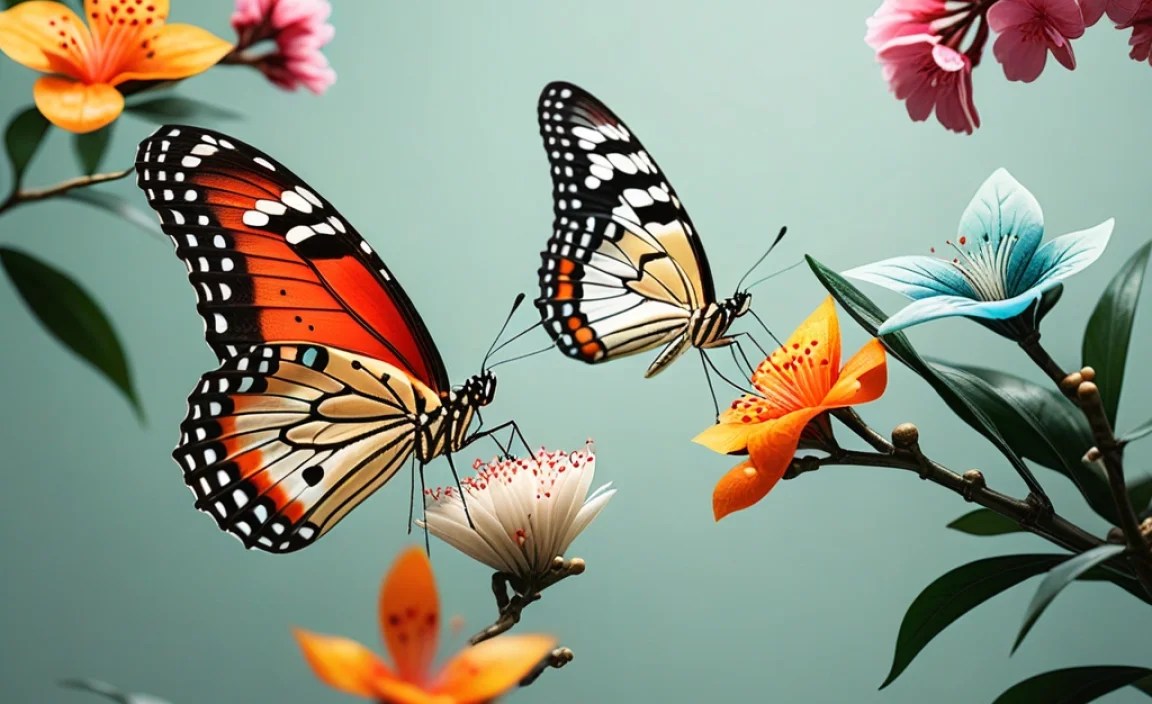
Some Asian butterfly genera are more common than others. You might see these butterflies in gardens. You might even see them in parks. One common genus is “Pieris.” These butterflies are often white. They are called whites or cabbage whites. Another common genus is “Colias.” These butterflies are yellow or orange. They are called sulphurs. A third common genus is “Lycaena.” These butterflies are small and colorful. They are called coppers or blues. These genera are widespread. You can find them in many different places. They are important for the environment. They help pollinate flowers. They are also food for birds and other animals.
- Pieris butterflies are often white.
- Colias butterflies are yellow or orange.
- Lycaena butterflies are small and colorful.
- These genera are widespread in Asia.
- They help pollinate flowers.
- They are food for other animals.
Think about a garden full of butterflies. You see white butterflies flying around. These are Pieris butterflies. You also see yellow butterflies. These are Colias butterflies. Then, you see small blue butterflies. These are Lycaena butterflies. They are all different. But they all belong to common genera. They are all important for the garden. They help the flowers grow. They make the garden beautiful. These butterflies show us the diversity of nature. They remind us to protect our environment. Even common butterflies are important.
Fun Fact or Stat: The most common butterfly in the world is the Painted Lady, which can be found on almost every continent!
What Makes a Genus Common?
What makes a genus common? There are several reasons. One reason is that they can live in many places. They are not picky about their habitat. Another reason is that they eat many different things. They are not picky about their food. A third reason is that they reproduce quickly. They can lay many eggs. This helps their populations grow. Common genera are also good at avoiding predators. They might have camouflage. Or they might be poisonous. All of these things help them survive. They help them become common.
Where Can You Find Them?
Where can you find these common butterflies? You can find them in gardens. You can find them in parks. You can find them in fields. You can find them almost anywhere. They are very adaptable. They can live in different climates. They can eat different plants. This is why they are so widespread. Look for them when you are outside. You might be surprised at how many you see. Bring a butterfly book with you. This can help you identify them. It is fun to learn about the different types of butterflies.
Why Are Common Genera Important?
Why are common genera important? They play a big role in the ecosystem. They pollinate flowers. They provide food for other animals. They help keep the environment healthy. Even though they are common, they are still important. We should protect them. We should protect their habitats. We can plant flowers that they like to eat. We can avoid using pesticides. This helps them thrive. It helps keep our environment healthy. Remember, even small actions can make a big difference.
Rare and Endangered Butterfly Genera
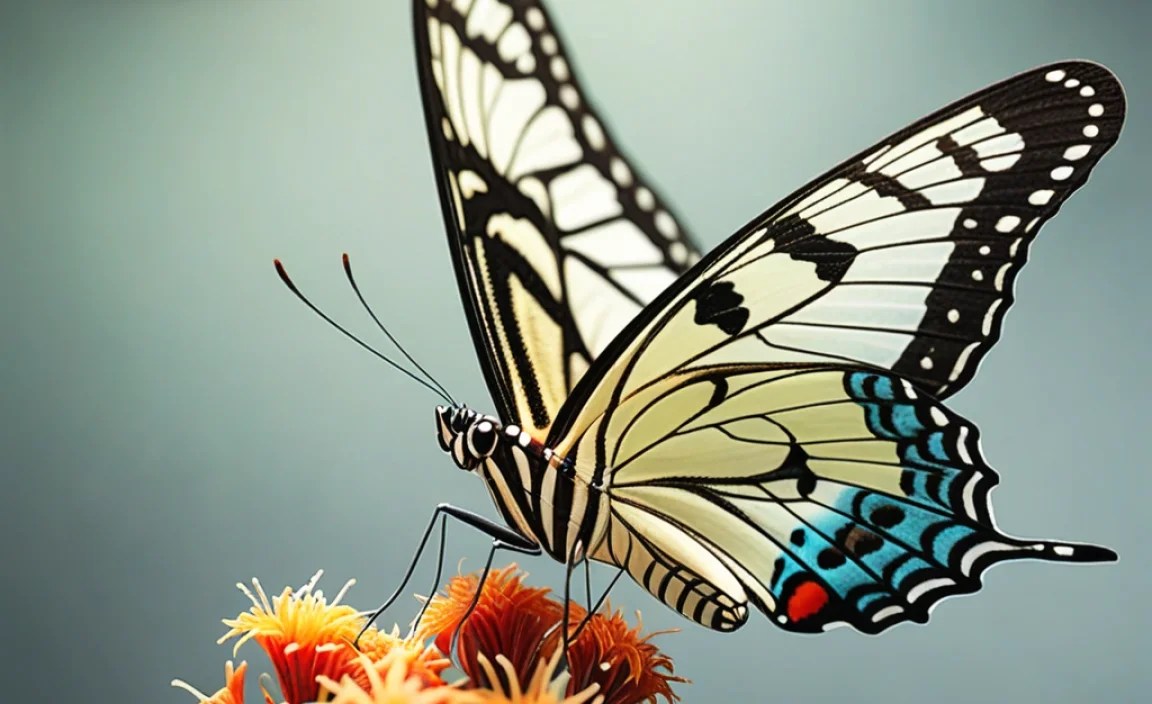
Some Asian butterfly genera are rare. This means there are not many of them. Some are even endangered. This means they are at risk of disappearing. These butterflies need our help. They are special and unique. One rare genus is “Bhutanitis.” These butterflies are found in the Himalayas. They are very beautiful. Another rare genus is “Teinopalpus.” These butterflies are green and black. They are also found in Asia. Protecting these butterflies is important. We need to save their habitats. We need to stop them from disappearing. They are a part of our world. We should care about them.
- Bhutanitis butterflies are found in the Himalayas.
- Teinopalpus butterflies are green and black.
- Rare butterflies need our help.
- They are at risk of disappearing.
- We need to save their habitats.
- We should care about them.
Imagine a world without butterflies. It would be sad. Some butterflies are already disappearing. They are losing their homes. People are cutting down forests. They are building cities. This leaves butterflies with nowhere to live. We need to stop this. We need to protect their habitats. We can also help by planting flowers. Butterflies need flowers to eat. We can make our gardens butterfly-friendly. This will help them survive. It is important to remember that every butterfly counts.
Fun Fact or Stat: Habitat loss is the biggest threat to butterfly populations worldwide.
Why Are Some Genera Rare?
Why are some genera rare? There are many reasons. One reason is habitat loss. Their homes are being destroyed. Another reason is climate change. The weather is changing. This makes it hard for them to survive. A third reason is pollution. Pesticides and other chemicals are harming them. These things make it hard for butterflies to live. They can’t find food. They can’t reproduce. Their populations decline. This is why some genera are rare.
What Can We Do to Help?
What can we do to help rare butterflies? We can protect their habitats. We can support organizations that are working to save them. We can plant flowers that they like to eat. We can avoid using pesticides. We can also educate others about the importance of butterflies. Every little bit helps. Even small actions can make a big difference. Together, we can help save these beautiful creatures. We can ensure that they are around for future generations to enjoy.
Examples of Conservation Efforts
There are many conservation efforts to help rare butterflies. Some organizations are working to restore habitats. They are planting trees and flowers. Other organizations are breeding butterflies in captivity. They are then releasing them into the wild. These efforts are helping to increase butterfly populations. They are giving them a chance to survive. We can support these efforts. We can donate money or volunteer our time. Together, we can make a difference.
Butterfly Genera and Their Habitats

Different Asian butterfly genera live in different places. Some like forests. Some like grasslands. Some like mountains. The place where they live is called their habitat. Butterflies need the right habitat to survive. They need food. They need shelter. They need a place to lay their eggs. When their habitat is destroyed, they can’t survive. This is why it is important to protect their habitats. We need to keep their homes safe. This will help them thrive.
- Butterflies need the right habitat to survive.
- They need food and shelter.
- They need a place to lay their eggs.
- Habitat destruction hurts butterflies.
- We need to protect their habitats.
Imagine a butterfly flying through a forest. It is looking for a place to lay its eggs. It needs a special plant. The caterpillars will eat this plant. If the forest is cut down, the butterfly can’t find the plant. It can’t lay its eggs. The caterpillars will die. The butterfly population will decline. This shows how important habitats are. We need to protect forests and other places where butterflies live. This will help them survive and thrive.
Fun Fact or Stat: Butterflies use their feet to taste!
Forest-Dwelling Genera
Some butterfly genera live in forests. These butterflies are often camouflaged. They blend in with the trees and leaves. This helps them hide from predators. They also need specific trees for food. Their caterpillars eat the leaves of these trees. If the forests are cut down, these butterflies will disappear. We need to protect forests to save these butterflies. We can plant trees. We can support sustainable forestry practices. This will help keep their habitats safe.
Grassland-Dwelling Genera
Other butterfly genera live in grasslands. These butterflies are often brightly colored. They stand out against the green grass. They feed on nectar from flowers. They also need specific grasses for their caterpillars. If the grasslands are destroyed, these butterflies will disappear. We need to protect grasslands to save these butterflies. We can support conservation efforts. We can also plant native grasses and flowers. This will help keep their habitats safe.
Mountain-Dwelling Genera
Some butterfly genera live in mountains. These butterflies are often adapted to cold weather. They have thick bodies. They can survive in harsh conditions. They also need specific plants for food. If the mountains are disturbed, these butterflies will disappear. We need to protect mountains to save these butterflies. We can support responsible tourism. We can also prevent mining and other destructive activities. This will help keep their habitats safe.
The Life Cycle of Asian Butterfly Genera

Butterflies go through an amazing change. This change is called metamorphosis. It has four stages. The first stage is the egg. The second stage is the larva (caterpillar). The third stage is the pupa (chrysalis). The fourth stage is the adult butterfly. Each Asian butterfly genera follows this life cycle. It is a fascinating process. It shows the wonder of nature. Learning about it can help us appreciate butterflies even more.
- Butterflies go through metamorphosis.
- There are four stages: egg, larva, pupa, adult.
- Each genus follows this life cycle.
- It is a fascinating process.
- It shows the wonder of nature.
Imagine a tiny egg on a leaf. It is waiting to hatch. Soon, a caterpillar crawls out. The caterpillar is hungry. It eats the leaf. It grows bigger and bigger. Then, it turns into a pupa. The pupa is like a sleeping bag. Inside, the caterpillar is changing. It is turning into a butterfly. Finally, the pupa opens. A beautiful butterfly emerges. It flies away. This is the amazing life cycle of a butterfly. It is a miracle of nature.
Fun Fact or Stat: A butterfly’s lifespan can range from a few weeks to several months, depending on the species.
The Egg Stage
The egg stage is the first stage. Butterflies lay their eggs on plants. The eggs are often small. They can be different colors. The eggs contain everything the caterpillar needs to grow. They are like tiny packages of life. Some butterflies lay their eggs in groups. Others lay them one at a time. The eggs are vulnerable. They can be eaten by predators. They can also dry out. But if they survive, they will hatch into caterpillars.
The Larva (Caterpillar) Stage
The larva stage is the second stage. The larva is a caterpillar. Caterpillars eat a lot. They grow very quickly. They shed their skin several times. This is called molting. Caterpillars can be different colors and patterns. Some are camouflaged. Others are brightly colored. Caterpillars are also vulnerable. They can be eaten by predators. But they are also important. They help plants by eating their leaves. They also provide food for other animals.
The Pupa (Chrysalis) Stage
The pupa stage is the third stage. The pupa is a chrysalis. The chrysalis is like a sleeping bag. Inside, the caterpillar is changing. It is turning into a butterfly. This process is called metamorphosis. The chrysalis can be different colors and shapes. Some are camouflaged. Others are shiny and metallic. The pupa is also vulnerable. It can be eaten by predators. But it is also a time of great change. It is a time of transformation.
Butterfly Wing Patterns in Asian Genera
Butterfly wings are beautiful. They have many different patterns. These patterns help butterflies in different ways. Some patterns help them hide. This is called camouflage. Some patterns help them attract mates. Some patterns warn predators that they are poisonous. Each Asian butterfly genera has its own unique wing patterns. These patterns are important for their survival. They make them special and beautiful.
Here is a table of some butterfly wing patterns:
| Butterfly Genus | Wing Pattern | Purpose |
|---|---|---|
| Graphium | Black and green stripes | Camouflage in forests |
| Papilio | Bright colors with tails | Attract mates |
| Danaus | Orange and black | Warn predators (poisonous) |
| Pieris | White | Blend in with flowers |
- Wing patterns help butterflies hide.
- They help them attract mates.
- They warn predators.
- Each genus has unique patterns.
- Patterns are important for survival.
- They make butterflies beautiful.
Imagine you are looking at a butterfly. You see its beautiful wings. You notice the patterns. You wonder why it has those patterns. The patterns might help it hide from birds. They might help it find a mate. They might warn other animals to stay away. The patterns are not just for show. They are important for the butterfly’s survival. They are a part of what makes it special.
Fun Fact or Stat: The patterns on a butterfly’s wings are made up of tiny scales, just like fish scales!
Camouflage Patterns
Some butterflies have camouflage patterns. These patterns help them blend in with their surroundings. They look like leaves or bark. This makes it hard for predators to see them. Camouflage is important for survival. It helps butterflies avoid being eaten. Forest-dwelling butterflies often have camouflage patterns. They blend in with the trees and leaves. This helps them stay safe.
Attracting Mate Patterns
Some butterflies have patterns that attract mates. These patterns are often bright and colorful. They stand out against the background. Males and females use these patterns to find each other. Attracting mates is important for reproduction. It helps butterflies have babies. Butterflies with these patterns are often very beautiful. Their colors and designs are stunning.
Warning Patterns
Some butterflies have warning patterns. These patterns warn predators that they are poisonous. They are often bright and bold. Predators learn to avoid these butterflies. This helps the butterflies survive. Monarch butterflies are a good example of warning patterns. They are orange and black. They are poisonous to birds. Birds learn to avoid them. This helps protect the Monarch butterflies.
How to Attract Asian Butterfly Genera
You can attract butterflies to your garden. It is easy to do. You just need to provide them with what they need. They need food. They need water. They need shelter. You can plant flowers that they like to eat. You can put out a dish of water. You can provide them with places to hide. By doing these things, you can create a butterfly-friendly garden. You can enjoy watching these beautiful creatures in your yard. You can also help them survive. This is a great way to connect with nature. It is also a fun activity for kids.
- Plant flowers that butterflies like.
- Put out a dish of water.
- Provide places for them to hide.
- Create a butterfly-friendly garden.
- Enjoy watching butterflies in your yard.
- Help them survive.
Imagine your garden full of butterflies. They are flitting from flower to flower. They are drinking nectar. They are laying eggs. Your garden is a haven for them. You have created a safe and welcoming place. They are thriving in your yard. This is a rewarding experience. It shows that you are making a difference. You are helping butterflies survive. You are also enjoying the beauty of nature.
Fun Fact or Stat: Butterflies can only see the colors red, green, and yellow!
Planting Butterfly-Friendly Flowers
Planting butterfly-friendly flowers is the best way to attract butterflies. Butterflies need nectar. Nectar is a sweet liquid that flowers produce. It gives butterflies energy. Different butterflies like different flowers. Some popular choices include milkweed, butterfly bush, and zinnias. These flowers provide plenty of nectar. They also attract a variety of butterflies. When you plant these flowers, you are creating a butterfly buffet. You are giving them a reason to visit your garden.
Providing Water
Butterflies also need water. They don’t drink water like we do. They sip it from puddles or wet surfaces. You can provide them with water by putting out a dish of water. Add some stones or marbles to the dish. This gives them a place to land. They can sip the water without drowning. You can also create a muddy puddle. Butterflies like to get minerals from the mud. This is a simple way to provide them with water and nutrients.
Creating Shelter
Butterflies also need shelter. They need a place to hide from predators. They need a place to rest. You can provide them with shelter by planting shrubs and trees. These plants give them places to hide. You can also create a butterfly house. This is a small structure with slits for butterflies to enter. It provides them with a safe place to rest and escape the weather. Creating shelter is an important part of attracting butterflies.
Summary
We learned about the Asian butterfly genera list. This list includes many kinds of butterflies. Each type is special. Butterflies are important for our world. They help flowers grow. They are also beautiful to watch. Some butterflies are common. Some are rare. We can help protect them. We can plant flowers. We can keep their homes safe. Learning about butterflies is fun. It helps us appreciate nature more. We can all do our part to help butterflies thrive. They are a valuable part of our ecosystem. We should care about them.
Conclusion
Butterflies are amazing creatures. They go through big changes. They fly around and make the world beautiful. The Asian butterfly genera list shows how many different types there are. We must help them. Plant flowers and protect their homes. Even small actions can make a big difference. Let’s all work together to help butterflies.
Frequently Asked Questions
Question No 1: What is a butterfly genus?
Answer: A butterfly genus is like a family name for butterflies. It is a group of butterflies that are similar to each other. They share certain traits and characteristics. Scientists use genera to organize and study butterflies. The Asian butterfly genera list helps us understand the different types of butterflies in Asia. It is a way of grouping them based on their similarities.
Question No 2: Why are butterflies important?
Answer: Butterflies are important for many reasons. They help pollinate flowers. This means they help flowers make seeds. Seeds grow into new plants. Butterflies are also food for other animals. Birds and other insects eat butterflies. Butterflies are also beautiful. They make our world a more enjoyable place. Protecting butterflies is important for the environment.
Question No 3: What can I do to help butterflies?
Answer: There are many things you can do to help butterflies. You can plant flowers that they like to eat. You can provide them with water. You can avoid using pesticides. You can also educate others about the importance of butterflies. Even small actions can make a big difference. By helping butterflies, you are helping the environment. You are also making the world a more beautiful place. The Asian butterfly genera list reminds us of the diversity we need to protect.
Question No 4: What are some common Asian butterfly genera?
Answer: Some common Asian butterfly genera include Pieris, Colias, and Lycaena. Pieris butterflies are often white. Colias butterflies are yellow or orange. Lycaena butterflies are small and colorful. You can find these butterflies in gardens and parks. They are important for pollinating flowers. They are also food for other animals. These common genera are a vital part of the ecosystem.
Question No 5: What are some rare Asian butterfly genera?
Answer: Some rare Asian butterfly genera include Bhutanitis and Teinopalpus. Bhutanitis butterflies are found in the Himalayas. Teinopalpus butterflies are green and black. These butterflies are at risk of disappearing. They need our help to survive. We can protect their habitats. We can support conservation efforts. These rare genera represent a unique part of our natural world.
Question No 6: How can I attract butterflies to my garden?
Answer: You can attract butterflies to your garden by providing them with food, water, and shelter. Plant flowers that they like to eat. Put out a dish of water with stones. Provide them with places to hide, such as shrubs and trees. Avoid using pesticides. This will create a butterfly-friendly garden. You will be able to enjoy watching these beautiful creatures in your yard. Your garden can become a haven for many butterflies, including those from the Asian butterfly genera list.


