
Texas Butterfly Identification: The Ultimate Guide

Texas butterfly identification can feel tricky with so many species! Start by noting size, color, and wing patterns. Observe their behavior – how they fly and what flowers they visit. Use field guides, online resources, and butterfly checklists specific to Texas to narrow down your options. Happy butterflying!
Have you ever been captivated by a butterfly flitting through your Texas garden, only to wonder, “What kind is that?” You’re not alone! Identifying Texas butterflies can seem overwhelming at first. There are so many beautiful species! But don’t worry. With a few simple techniques and helpful resources, you’ll be naming those butterflies in no time. This guide will walk you through the steps, turning you into a butterfly ID pro.
Ready to explore the fascinating world of Texas butterflies? Let’s get started!
Texas Butterfly Identification: A Beginner’s Guide

Texas boasts an incredible diversity of butterflies, thanks to its varied habitats and geographical location. From the vibrant Monarch to the elusive Pipevine Swallowtail, each species has unique characteristics that make identification a rewarding experience. This guide will equip you with the knowledge and tools you need to confidently identify these winged wonders.
Step 1: Observe Key Characteristics
Before reaching for a field guide, take a moment to carefully observe the butterfly. The more details you notice, the easier the identification process will be.
- Size: Is it small, medium, or large? A rough estimate is a good start.
- Color: Note the dominant colors and any patterns or markings. Are the colors bright and bold, or muted and earthy?
- Wing Shape: Are the wings rounded or angular? Does the butterfly have tails on its hindwings?
- Flight Pattern: Does it fly quickly and erratically, or slowly and gracefully?
- Habitat: Where did you see the butterfly? Was it in a garden, a forest, or a meadow?
Step 2: Examine Wing Patterns
Wing patterns are crucial for butterfly identification. Pay close attention to the following features:
- Spots: Are there spots on the wings? What color are they? How are they arranged?
- Lines: Are there lines or bands on the wings? Are they straight, wavy, or broken?
- Margins: How are the edges of the wings shaped? Are they smooth, scalloped, or toothed?
- Underwings: Don’t forget to observe the underwings! They often have different patterns and colors than the upperwings.
Step 3: Use a Butterfly Field Guide
A good field guide is an essential tool for butterfly identification. Look for guides specific to Texas or the southeastern United States. Here are a few popular options:
- “Butterflies of Oklahoma, Texas, and the Southern Plains” by John Dole, Jim Brock, and Jeffrey Glassberg
- “National Audubon Society Field Guide to North American Butterflies” by Jim P. Brock and Kenn Kaufman
- “Butterflies of the South Central States” by Rick Mikula
When using a field guide, start by browsing the images to find butterflies that resemble the one you observed. Then, read the descriptions carefully to confirm the identification.
Step 4: Explore Online Resources
The internet offers a wealth of resources for butterfly identification. Here are a few helpful websites:
- Butterflies and Moths of North America (BAMONA): butterfliesandmoths.org – A comprehensive database with photos, descriptions, and range maps.
- Texas Parks and Wildlife Department: tpwd.texas.gov – Provides information on Texas wildlife, including butterflies.
- iNaturalist: inaturalist.org – A citizen science platform where you can upload photos and get help with identification from other users.
Step 5: Consider the Location and Time of Year
Butterfly distribution varies across Texas, and different species are active at different times of the year. Knowing the location and date of your sighting can help narrow down the possibilities.
For example, the Monarch butterfly is common throughout Texas during its migration in the fall and spring, but less common in the summer. The Texas Crescent is found primarily in central and south Texas.
Step 6: Learn About Butterfly Families
Butterflies are classified into several families, each with its own set of characteristics. Understanding these families can make identification easier.
- Swallowtails (Papilionidae): Large, often brightly colored butterflies with tails on their hindwings.
- Whites and Sulphurs (Pieridae): White, yellow, or orange butterflies, often with black markings.
- Gossamer-wings (Lycaenidae): Small butterflies, often with metallic colors and delicate wings.
- Brush-foots (Nymphalidae): A diverse family with many different shapes and colors. They often have reduced front legs.
- Skippers (Hesperiidae): Small, fast-flying butterflies with hooked antennae.
Step 7: Understand Butterfly Mimicry and Camouflage
Some butterflies use mimicry to resemble other species, either to deter predators or to gain an advantage in attracting mates. Others use camouflage to blend in with their surroundings. Understanding these strategies can help you avoid misidentification.
For example, the Viceroy butterfly mimics the Monarch butterfly, which is poisonous to many predators. This mimicry protects the Viceroy from being eaten.
Step 8: Attract Butterflies to Your Garden
One of the best ways to improve your butterfly identification skills is to attract them to your garden. By planting nectar-rich flowers and host plants for caterpillars, you’ll have plenty of opportunities to observe and identify different species. Some popular choices include:
- Milkweed (Asclepias): Host plant for Monarch butterflies.
- Pipevine (Aristolochia): Host plant for Pipevine Swallowtail butterflies.
- Passionflower (Passiflora): Host plant for Gulf Fritillary butterflies.
- Lantana (Lantana): Nectar source for many butterfly species.
- Salvia (Salvia): Nectar source for many butterfly species.
Step 9: Join a Butterfly Club or Group
Connecting with other butterfly enthusiasts is a great way to learn and improve your identification skills. Consider joining a local butterfly club or group. You can attend field trips, workshops, and meetings to learn from experienced butterfly watchers.
Here are a few Texas-based organizations:
- Native Plant Society of Texas: Many local chapters host butterfly-related events.
- Texas Butterfly Monitoring Network: A citizen science program that tracks butterfly populations.
Step 10: Document Your Observations
Keep a record of the butterflies you identify, including the date, location, and any interesting observations. This will not only help you track your progress but also contribute to our understanding of butterfly distribution and behavior.
You can use a notebook, a spreadsheet, or a dedicated butterfly identification app to record your observations.
Common Texas Butterflies: A Closer Look
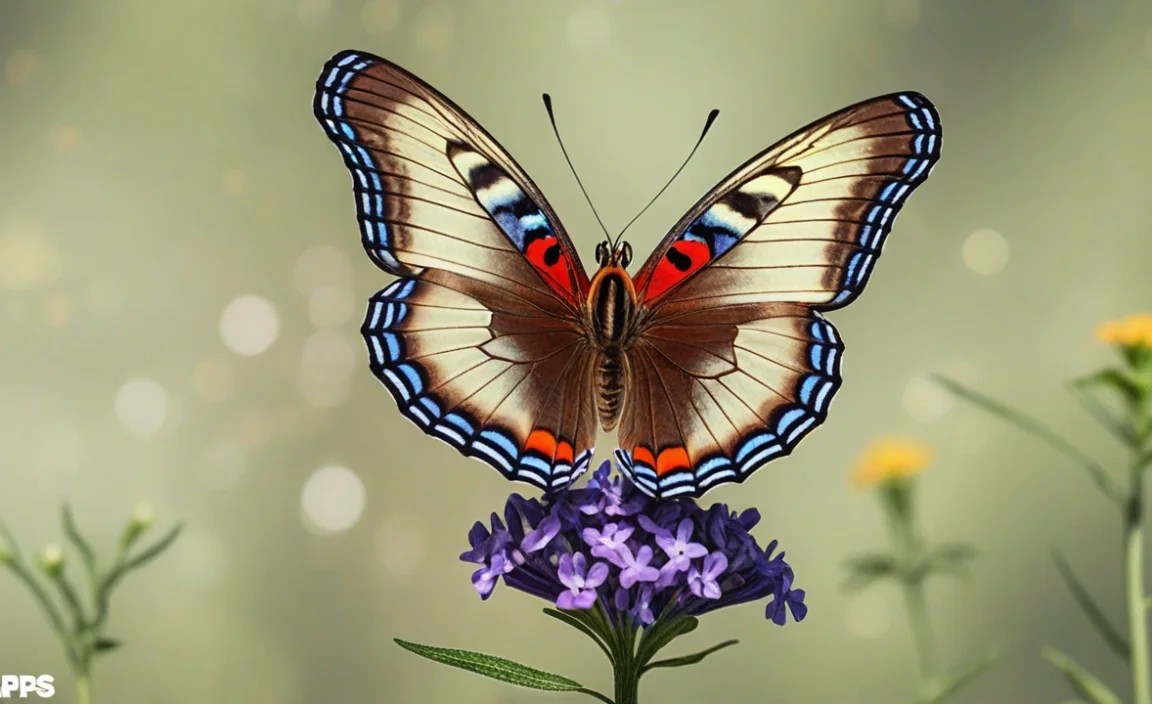
Let’s take a closer look at some of the most common butterflies you’re likely to encounter in Texas.
Monarch (Danaus plexippus)
The Monarch is perhaps the most recognizable butterfly in North America, known for its striking orange and black wings and its long-distance migration. Monarchs are crucial pollinators and a symbol of conservation efforts.
| Characteristic | Description |
|---|---|
| Size | Large (3.5-4 inches wingspan) |
| Color | Bright orange with black veins and a black border with white spots |
| Habitat | Fields, meadows, gardens |
| Host Plant | Milkweed (Asclepias) |
Gulf Fritillary (Agraulis vanillae)
The Gulf Fritillary is a vibrant orange butterfly with elongated wings and distinctive silver spots on the underside. They are commonly found in gardens and open areas throughout Texas.
| Characteristic | Description |
|---|---|
| Size | Medium (2.5-3 inches wingspan) |
| Color | Bright orange with black markings on the upperwings; silver spots on the underwings |
| Habitat | Gardens, open areas, roadsides |
| Host Plant | Passionflower (Passiflora) |
Black Swallowtail (Papilio polyxenes)
The Black Swallowtail is a striking butterfly with black wings and iridescent blue or yellow markings. Females often have more blue than males. They are commonly seen in gardens and fields.
| Characteristic | Description |
|---|---|
| Size | Large (3-4 inches wingspan) |
| Color | Black with iridescent blue or yellow markings; females often have more blue |
| Habitat | Gardens, fields, open woodlands |
| Host Plant | Parsley, dill, fennel, carrot |
Cloudless Sulphur (Phoebis sennae)
The Cloudless Sulphur is a bright yellow butterfly with no markings on its wings. It’s a common sight in gardens, fields, and open woodlands throughout Texas.
| Characteristic | Description |
|---|---|
| Size | Medium (2-3 inches wingspan) |
| Color | Bright yellow with no markings |
| Habitat | Gardens, fields, open woodlands |
| Host Plant | Senna, partridge pea |
Pipevine Swallowtail (Battus philenor)
The Pipevine Swallowtail is a stunning butterfly with iridescent blue-black wings and orange spots on the underside. It’s often found near its host plant, the pipevine.
| Characteristic | Description |
|---|---|
| Size | Large (3-5 inches wingspan) |
| Color | Iridescent blue-black with orange spots on the underside |
| Habitat | Woodlands, gardens, near pipevine plants |
| Host Plant | Pipevine (Aristolochia) |
Advanced Identification Tips
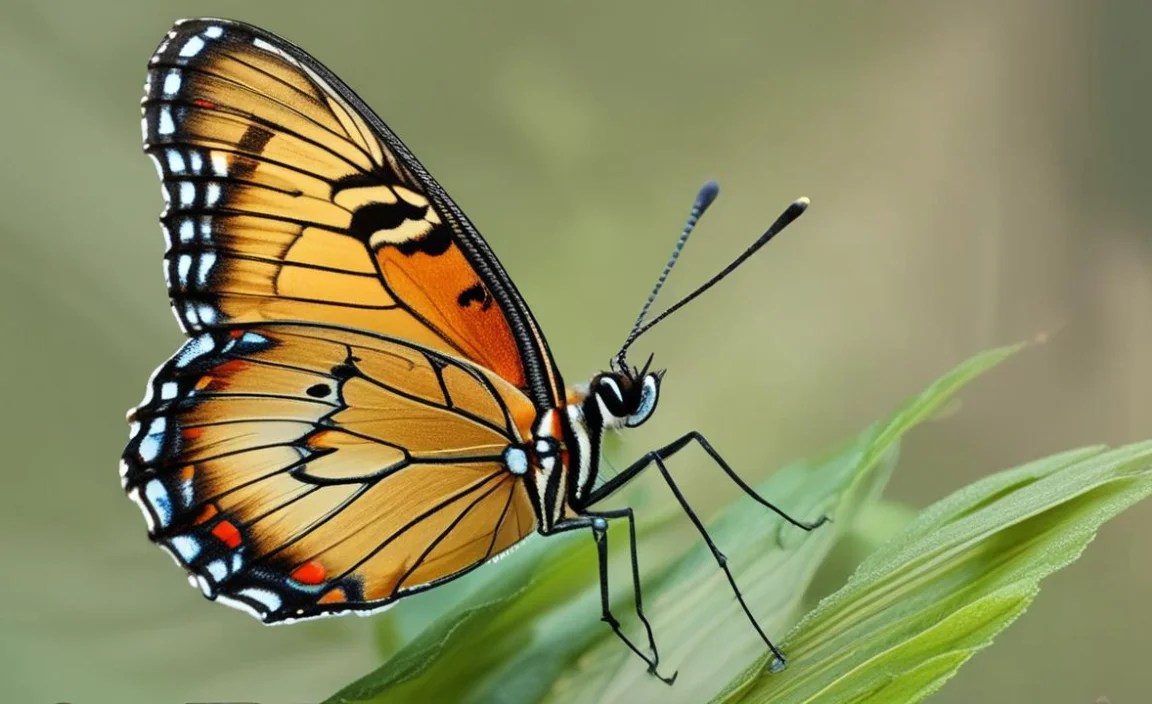
Once you’ve mastered the basics, you can delve deeper into butterfly identification with these advanced tips:
- Learn about regional variations: Some butterfly species have different appearances in different parts of Texas.
- Study the genitalia: In some cases, the only way to definitively identify a butterfly is by examining its genitalia under a microscope. This is typically done by experts.
- Observe larval stages: Identifying caterpillars can be just as rewarding as identifying butterflies. Learn the host plants for different butterfly species and look for caterpillars on those plants.
The Importance of Butterfly Conservation

Butterflies play a vital role in our ecosystem as pollinators and indicators of environmental health. Unfortunately, many butterfly populations are declining due to habitat loss, pesticide use, and climate change. By learning about butterflies and their needs, we can all play a part in their conservation.
Here are a few things you can do to help butterflies:
- Plant native nectar-rich flowers and host plants in your garden.
- Avoid using pesticides.
- Support organizations that are working to protect butterfly habitat.
- Educate others about the importance of butterfly conservation.
FAQ: Texas Butterfly Identification
What is the best field guide for Texas butterflies?
Several excellent field guides are available. “Butterflies of Oklahoma, Texas, and the Southern Plains” by John Dole, Jim Brock, and Jeffrey Glassberg is a top choice. “National Audubon Society Field Guide to North American Butterflies” is also very helpful.
How can I attract more butterflies to my yard?
Plant a variety of nectar-rich flowers that bloom throughout the growing season. Include host plants for caterpillars, such as milkweed for Monarchs and passionflower for Gulf Fritillaries. Avoid using pesticides, and provide a shallow dish of water for butterflies to drink.
What is the difference between a butterfly and a moth?
Butterflies typically have brightly colored wings, slender bodies, and clubbed antennae. They are active during the day. Moths, on the other hand, often have duller colors, thicker bodies, and feathery or comb-like antennae. Many are active at night.
How do I identify a caterpillar?
Start by identifying the plant the caterpillar is feeding on. Then, use a field guide or online resource to match the caterpillar’s appearance to the known caterpillars that feed on that plant. Pay attention to the caterpillar’s color, markings, and shape.
What does it mean when a butterfly is “puddling”?
“Puddling” is when butterflies, typically males, gather around puddles or damp soil to drink water and extract minerals and salts. These nutrients are essential for reproduction.
Are Monarch butterflies endangered?
Monarch butterfly populations have declined significantly in recent years due to habitat loss and other factors. While they are not currently listed as endangered, they are considered a species of concern, and conservation efforts are crucial to their survival. The U.S. Fish and Wildlife Service continues to monitor their status.
What should I do if I find an injured butterfly?
If you find an injured butterfly, you can try to help it by placing it in a safe, sheltered location with access to nectar. You can also offer it a sugar-water solution (one part sugar to four parts water) on a cotton ball. However, severely injured butterflies may not survive.
Conclusion
Texas butterfly identification is a journey of discovery that connects you to the natural world in a profound way. As you hone your skills, you’ll not only be able to name the butterflies you see but also appreciate their beauty and ecological importance. So grab your field guide, head outdoors, and start exploring the wonderful world of Texas butterflies. Every sighting is a chance to learn something new and contribute to butterfly conservation. Happy butterflying!


