
Costa Rican Blue Morpho: Discover This Beauty!

The Costa Rican blue morpho (Morpho menelaus) is a stunning butterfly known for its iridescent blue wings. To appreciate this dazzling insect, learn about its habitat, life cycle, and unique adaptations. You can attract them by planting their favorite host plants and nectar sources in your garden. Conservation efforts are vital to protect their rainforest home and ensure future generations can marvel at their beauty.
Have you ever seen a flash of brilliant blue in the rainforest and wondered what it was? Chances are, you caught a glimpse of the magnificent Costa Rican blue morpho butterfly. These butterflies are famous for their shimmering, iridescent blue wings, which seem to change color as they flutter through the air. Spotting one is an unforgettable experience!
But how can you learn more about these amazing creatures? And how can you help protect them? In this guide, we’ll explore the fascinating world of the blue morpho, from its life cycle and habitat to tips on attracting them to your garden. Get ready to discover the secrets of this rainforest jewel!
What is a Costa Rican Blue Morpho?

The Costa Rican blue morpho (Morpho menelaus) is a large, Neotropical butterfly belonging to the Nymphalidae family. It is renowned for its iridescent blue wings, which are a result of microscopic scales that reflect light. These butterflies are a common sight in the rainforests of Costa Rica, where they play an important role in the ecosystem.
Physical Characteristics
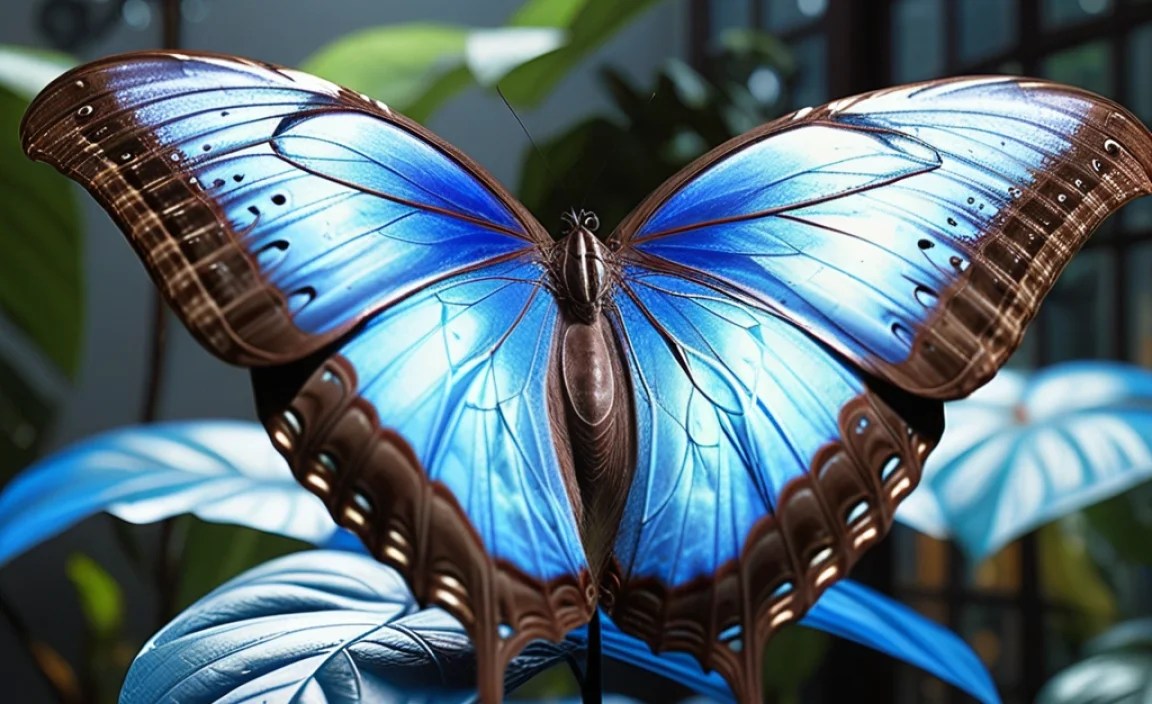
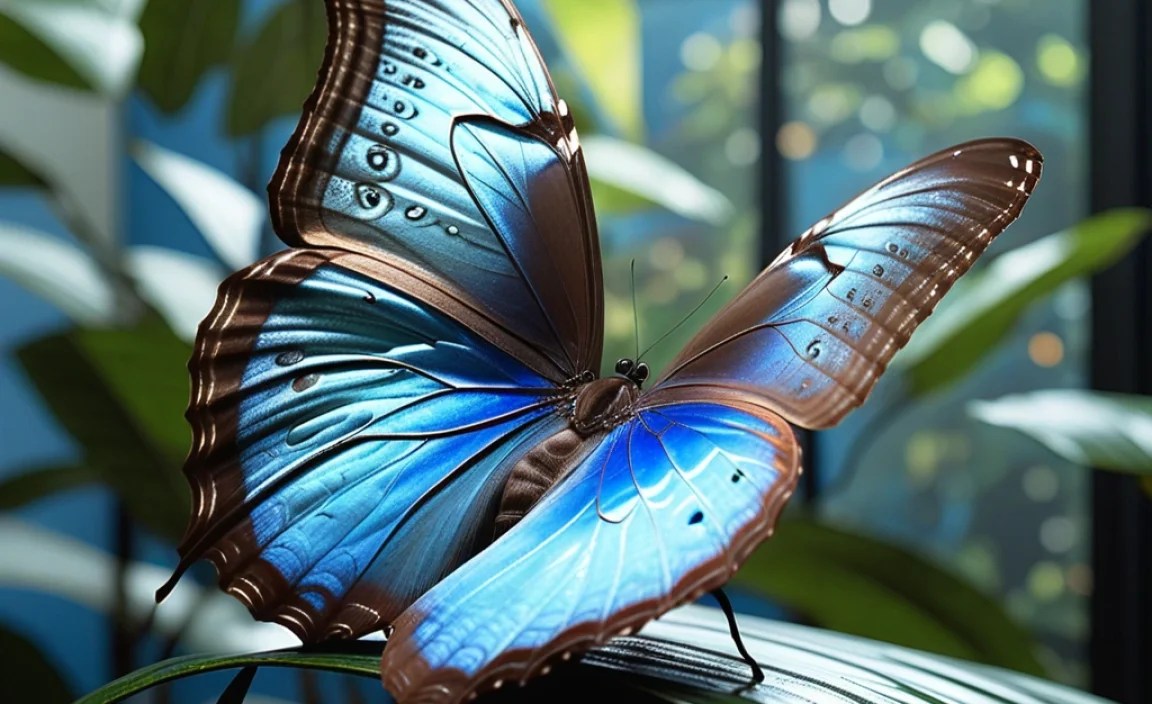
The most striking feature of the blue morpho is its vibrant blue wings. The iridescence is not due to pigment but rather the microscopic structure of the scales on the wings. These scales reflect light in a way that creates the shimmering blue effect. The underside of the wings is brown with eyespots, providing camouflage when the butterfly is at rest.
- Wingspan: 5-8 inches (13-20 cm)
- Color: Brilliant iridescent blue on the upper side; brown with eyespots on the underside
- Body: Brownish-black
Habitat and Distribution
Blue morphos are primarily found in the rainforests of Central and South America, including Costa Rica. They prefer humid, tropical environments with dense vegetation. These butterflies can be seen flying along forest edges, streams, and in open areas where sunlight penetrates the canopy.
- Preferred Habitat: Tropical rainforests
- Elevation: From sea level up to 4,600 feet (1,400 meters)
- Geographic Range: Central and South America, including Costa Rica, Mexico, Colombia, and Venezuela
The Life Cycle of a Blue Morpho

Understanding the life cycle of the blue morpho is key to appreciating its beauty and conservation needs. Like all butterflies, the blue morpho undergoes complete metamorphosis, with four distinct stages: egg, larva (caterpillar), pupa (chrysalis), and adult.
Egg Stage
The life cycle begins with the female blue morpho laying her eggs. These eggs are small and typically laid on or near the host plants that the caterpillars will feed on. The eggs are usually pale green or white.
- Appearance: Small, pale green or white
- Location: Laid on or near host plants
- Duration: Approximately 8-10 days
Larva (Caterpillar) Stage
Once the egg hatches, the larva, or caterpillar, emerges. The blue morpho caterpillar is reddish-brown with bright green patches. It feeds voraciously on the leaves of its host plants, growing rapidly through several instars (stages between molts).
- Appearance: Reddish-brown with bright green patches
- Diet: Feeds on leaves of host plants
- Duration: Several weeks
Pupa (Chrysalis) Stage
After the caterpillar has grown sufficiently, it enters the pupa stage, forming a chrysalis. The blue morpho chrysalis is a translucent, jade green color. Inside the chrysalis, the caterpillar undergoes a complete transformation into a butterfly.
- Appearance: Translucent, jade green
- Process: Transformation into a butterfly
- Duration: Approximately 2-3 weeks
Adult Stage
Finally, the adult butterfly emerges from the chrysalis. The wings are initially crumpled but quickly expand and dry. The adult blue morpho is primarily focused on reproduction. Adult morphos feed on tree sap, fermenting fruit, fungi, and nectar.
- Appearance: Vibrant blue wings with brown underside
- Diet: Tree sap, fermenting fruit, and nectar
- Lifespan: Approximately 1-2 months
Behavior and Diet
The blue morpho’s behavior and diet are essential to its survival and role in the rainforest ecosystem. Understanding these aspects can help you appreciate and protect these butterflies.
Flight Patterns
Blue morphos are known for their erratic and seemingly random flight patterns. They fly quickly and often in a zigzag motion, making them difficult for predators to track. The bright blue color is thought to startle predators, while the brown underside provides camouflage when the butterfly lands.
Feeding Habits
Unlike many butterflies that primarily feed on nectar, blue morphos have a more varied diet. They prefer to feed on tree sap, fermenting fruit, fungi, and occasionally nectar. This diet provides them with the energy they need to fly and reproduce.
- Primary Food Sources: Tree sap and fermenting fruit
- Occasional Food Sources: Nectar and fungi
- Feeding Behavior: Uses its proboscis (a long, straw-like tongue) to suck up liquids
Predators and Defense Mechanisms
Blue morphos face threats from various predators, including birds, lizards, and insects. To defend themselves, they rely on a combination of camouflage, erratic flight patterns, and the startle effect of their bright blue wings.
- Predators: Birds, lizards, insects
- Defense Mechanisms: Camouflage, erratic flight, startle display
Attracting Blue Morphos to Your Garden

If you live in an area where blue morphos are found, you can attract them to your garden by providing the right host plants and food sources. Creating a butterfly-friendly habitat can be a rewarding experience and contribute to the conservation of these beautiful creatures.
Host Plants
To attract blue morphos, you need to plant the host plants that their caterpillars feed on. Some popular host plants include:
- Inga species (Ice-cream Bean Tree)
- Tragia volubilis (Climbing Tragia)
- Pterocarpus hayesii (Santa Maria)
Nectar Plants
While blue morphos primarily feed on tree sap and fermenting fruit, they will occasionally visit nectar plants. Planting a variety of nectar-rich flowers can attract other butterfly species as well, creating a vibrant and diverse garden.
- Lantana
- Pentas
- Hibiscus
Other Attractants
In addition to host and nectar plants, you can attract blue morphos by providing other resources, such as:
- Fermenting Fruit: Place overripe bananas, mangoes, or pineapples in a dish to attract butterflies.
- Water Source: Provide a shallow dish of water with pebbles for butterflies to land on and drink.
- Shelter: Plant dense shrubs and trees to provide shelter from wind and predators.
Conservation Status and Threats
The Costa Rican blue morpho, while not currently listed as endangered, faces several threats that could impact its population. Habitat loss, pesticide use, and climate change are among the primary concerns.
Habitat Loss
Deforestation for agriculture, logging, and development is a major threat to blue morpho populations. As rainforests are cleared, the butterflies lose their habitat and food sources.
Pesticide Use
Pesticides used in agriculture can harm or kill blue morpho caterpillars and adults. Insecticides can directly poison the butterflies, while herbicides can eliminate their host plants.
Climate Change
Changes in temperature and rainfall patterns can disrupt the blue morpho’s life cycle and alter the availability of its food sources. Extreme weather events, such as hurricanes and droughts, can also damage their habitat.
Conservation Efforts
Several organizations and initiatives are working to protect blue morphos and their habitat. These efforts include:
- Habitat Preservation: Establishing and maintaining protected areas, such as national parks and reserves.
- Sustainable Agriculture: Promoting farming practices that minimize pesticide use and preserve natural habitats.
- Reforestation: Planting trees to restore degraded rainforests and provide habitat for blue morphos.
- Education and Awareness: Raising public awareness about the importance of butterfly conservation.
Interesting Facts About Blue Morphos
The Costa Rican blue morpho is full of surprises! Here are some fascinating facts that highlight its unique adaptations and cultural significance:
Wing Structure
The iridescent blue color of the blue morpho’s wings is not due to pigment but rather the microscopic structure of the scales. These scales reflect light in a way that creates the shimmering blue effect. This phenomenon is known as structural coloration.
Camouflage
While the bright blue color is eye-catching, the underside of the wings is brown with eyespots. This provides excellent camouflage when the butterfly is at rest, helping it blend in with the surrounding vegetation.
Cultural Significance
In some cultures, the blue morpho is considered a symbol of change, transformation, and beauty. Its striking appearance has made it a popular subject in art, photography, and jewelry.
Table: Blue Morpho Facts
| Fact | Description |
|---|---|
| Scientific Name | Morpho menelaus |
| Wingspan | 5-8 inches (13-20 cm) |
| Color | Iridescent blue on the upper side; brown with eyespots on the underside |
| Habitat | Tropical rainforests of Central and South America |
| Diet | Tree sap, fermenting fruit, and occasional nectar |
| Lifespan | Approximately 1-2 months |
Frequently Asked Questions (FAQs)
What do blue morpho caterpillars eat?
Blue morpho caterpillars primarily feed on the leaves of specific host plants, such as Inga species, Tragia volubilis, and Pterocarpus hayesii. These plants provide the necessary nutrients for the caterpillars to grow and develop.
How long do blue morphos live?
Adult blue morphos typically live for about 1 to 2 months. During this time, they focus on feeding and reproducing.
Are blue morphos endangered?
While blue morphos are not currently listed as endangered, they face threats from habitat loss, pesticide use, and climate change. Conservation efforts are crucial to protect their populations.
Where can I see blue morphos in Costa Rica?
Blue morphos can be seen in various rainforests and protected areas throughout Costa Rica, including national parks like Manuel Antonio, Monteverde, and La Selva Biological Station. Look for them along forest edges, streams, and in open areas where sunlight penetrates the canopy.
How do blue morphos get their blue color?
The iridescent blue color of the blue morpho’s wings is not due to pigment but rather the microscopic structure of the scales. These scales reflect light in a way that creates the shimmering blue effect, known as structural coloration.
Can I attract blue morphos to my garden?
Yes, you can attract blue morphos to your garden by planting their host plants, such as Inga species, and providing other resources like fermenting fruit and a water source. Creating a butterfly-friendly habitat can help support their populations.
What is the purpose of the eyespots on the underside of the wings?
The eyespots on the underside of the blue morpho’s wings serve as a defense mechanism. They can startle predators, giving the butterfly a chance to escape. The brown color also provides camouflage when the butterfly is at rest.
Conclusion
The Costa Rican blue morpho is more than just a beautiful butterfly; it’s a symbol of the rainforest’s incredible biodiversity. By understanding its life cycle, behavior, and conservation needs, we can all play a part in protecting these magnificent creatures. Whether you’re planting host plants in your garden, supporting conservation organizations, or simply spreading awareness, every effort counts.
As you continue to explore the natural world, remember the magic of the blue morpho and let it inspire you to appreciate and protect the delicate balance of our ecosystems. Together, we can ensure that future generations can marvel at the sight of these shimmering blue jewels fluttering through the rainforest.


