
Common Jezebel Butterfly: Ultimate ID Guide

The Common Jezebel Butterfly (Delias eucharis) is a striking butterfly species found across South Asia and Southeast Asia. Known for its vibrant colors and striking patterns, the Common Jezebel is a welcome sight in gardens and natural habitats. This guide will help you identify, attract, and learn more about this beautiful butterfly.
Have you ever seen a flash of red and yellow darting through your garden and wondered what it was? Chances are, you’ve spotted a Common Jezebel butterfly! These beauties are common in many parts of Asia and are a joy to watch. They are easy to recognize and play an important role in our ecosystem. This guide will provide you with everything you need to know about the Common Jezebel, from identifying it to creating a butterfly-friendly garden. Let’s dive in and explore the captivating world of this stunning butterfly!
Identifying the Common Jezebel Butterfly
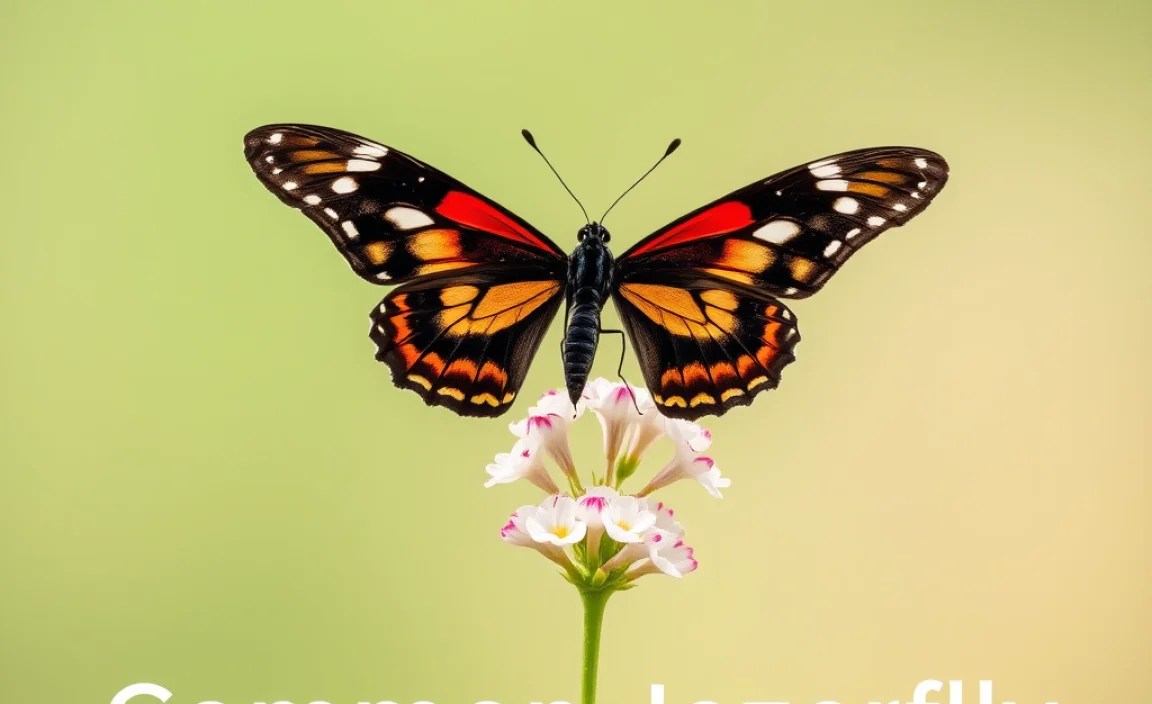
One of the first steps in appreciating the Common Jezebel is being able to identify it correctly. Here’s what you need to know to distinguish this butterfly from others:
Key Identification Features
- Size: The Common Jezebel has a wingspan of approximately 2.5 to 3.5 inches (6 to 9 cm).
- Color: The upperside of the wings is typically white or pale yellow with black borders. The underside of the hindwings is particularly striking, featuring vibrant red and yellow patterns.
- Shape: The wings are rounded, giving the butterfly a delicate appearance.
Distinguishing Males from Females
While both male and female Common Jezebels share similar patterns, there are subtle differences:
- Males: Generally have brighter colors on the underside of their wings.
- Females: Tend to have more pronounced black markings on the upperside of their wings.
Similar Species
Several other butterfly species might be mistaken for the Common Jezebel. Here’s how to tell them apart:
- Painted Jezebel (Delias hyparete): The Painted Jezebel has a similar color scheme but often displays a more extensive red pattern on the underside of the hindwings.
- Red-spot Jezebel (Delias descombesi): This species has more prominent red spots on both the upper and undersides of its wings.
Life Cycle of the Common Jezebel

Understanding the life cycle of the Common Jezebel is crucial for appreciating its journey from egg to butterfly. Here’s a breakdown of each stage:
Egg Stage
The Common Jezebel’s life begins as a tiny egg, usually laid in clusters on the underside of host plant leaves. The eggs are typically yellow or orange and have a smooth, rounded shape. Female butterflies carefully select host plants like mistletoe (Dendrophthoe) to ensure their offspring have a ready food source upon hatching.
Larval Stage (Caterpillar)
Once the eggs hatch, the caterpillars emerge. These larvae are voracious eaters, primarily feeding on the leaves of their host plants. Common Jezebel caterpillars are usually dark in color with distinctive markings. They go through several molts as they grow, shedding their skin to accommodate their increasing size.
Pupal Stage (Chrysalis)
After reaching full size, the caterpillar transforms into a pupa, also known as a chrysalis. The chrysalis is typically suspended from a leaf or stem and is often green or brown, providing camouflage. Inside the pupa, a remarkable transformation occurs as the caterpillar’s body reorganizes into the form of a butterfly.
Adult Stage (Butterfly)
Finally, the adult butterfly emerges from the pupal case. The newly emerged butterfly’s wings are soft and crumpled, and it takes several hours for them to expand and harden. Once ready, the adult butterfly flies off to feed on nectar, mate, and continue the cycle.
Habitat and Distribution
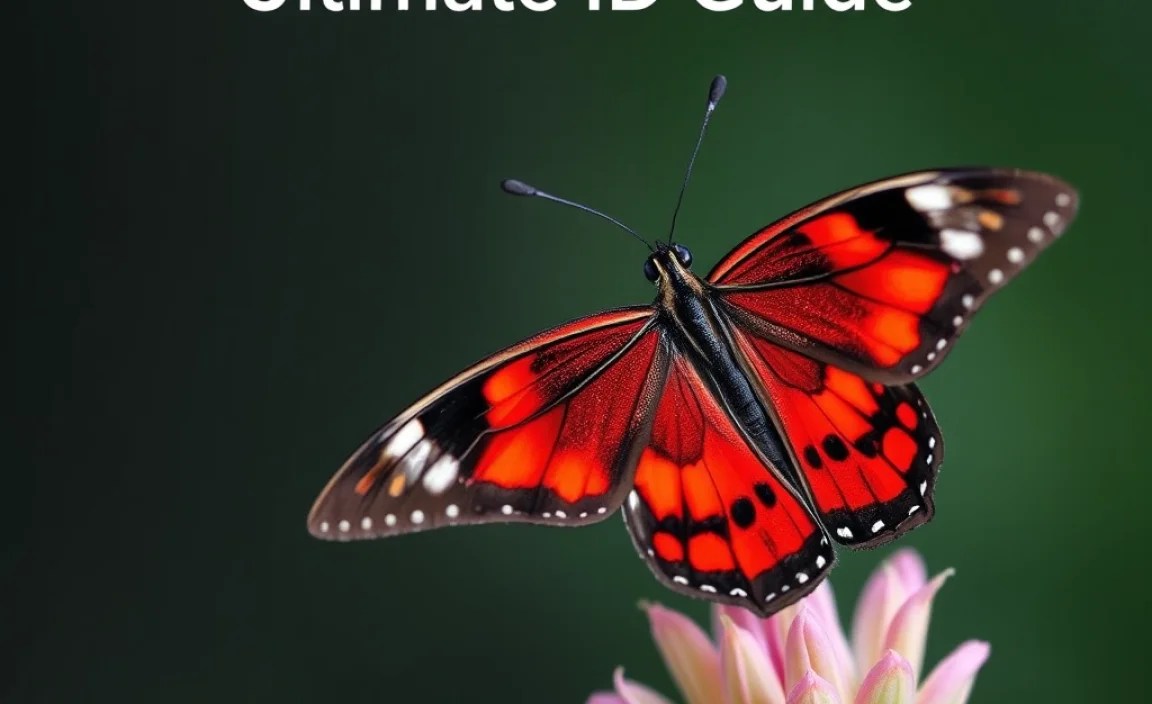
Knowing where the Common Jezebel lives can help you spot it in its natural environment. Here’s what you need to know about its habitat and distribution:
Geographic Range
The Common Jezebel is widely distributed across South Asia and Southeast Asia. It can be found in countries such as:
- India
- Sri Lanka
- Thailand
- Malaysia
- Indonesia
- Philippines
Preferred Habitats
This butterfly thrives in a variety of habitats, including:
- Tropical and subtropical forests
- Gardens
- Parks
- Agricultural areas
They are often seen in areas with plenty of flowering plants, which provide nectar for the adults, and host plants for the larvae.
Diet and Feeding Habits

The Common Jezebel has specific dietary needs at different stages of its life. Here’s a look at what they eat:
Caterpillar Diet
Caterpillars primarily feed on the leaves of their host plants. The Common Jezebel caterpillars favor plants in the Loranthaceae family, particularly mistletoes. These plants provide the necessary nutrients for the caterpillars to grow and develop.
Adult Butterfly Diet
Adult butterflies feed on nectar from various flowering plants. Some of their favorite nectar sources include:
- Lantana
- Hibiscus
- Ixora
They use their proboscis, a long, straw-like tongue, to sip nectar from the flowers.
Attracting Common Jezebels to Your Garden

Creating a butterfly-friendly garden is a rewarding experience. Here’s how you can attract Common Jezebels to your outdoor space:
Planting Host Plants
One of the most effective ways to attract Common Jezebels is by planting their host plants. Mistletoes (Dendrophthoe) are particularly attractive to this species. You can encourage mistletoe growth on trees in your garden or nearby areas, providing a food source for the caterpillars.
Providing Nectar Sources
Plant a variety of flowering plants that provide nectar for adult butterflies. Choose plants with different bloom times to ensure a continuous supply of food throughout the year. Some excellent nectar sources include:
- Lantana camara
- Hibiscus rosa-sinensis
- Ixora coccinea
- Asclepias curassavica (Milkweed)
Creating a Butterfly-Friendly Environment
In addition to planting host and nectar plants, there are other ways to create a welcoming environment for Common Jezebels:
- Provide a water source: Butterflies need water to stay hydrated. You can provide a shallow dish of water with pebbles or marbles for them to land on.
- Offer basking spots: Butterflies are cold-blooded and need to bask in the sun to warm up. Provide flat stones or sunny areas where they can rest.
- Avoid pesticides: Pesticides can harm or kill butterflies and other beneficial insects. Use organic gardening methods to protect your butterfly population.
Conservation Status and Threats
Understanding the conservation status and threats facing the Common Jezebel can help you appreciate the importance of protecting this species.
Current Status
The Common Jezebel is not currently listed as endangered or threatened. However, like many butterfly species, it faces several threats that could impact its populations.
Threats to the Population
Some of the primary threats to Common Jezebel populations include:
- Habitat Loss: Deforestation and urbanization can reduce the availability of host plants and nectar sources.
- Pesticide Use: The use of pesticides in agriculture and gardening can harm or kill butterflies and their larvae.
- Climate Change: Changes in temperature and rainfall patterns can disrupt butterfly life cycles and affect the availability of food sources.
Conservation Efforts
While the Common Jezebel is not currently endangered, there are several steps you can take to help protect this species:
- Create butterfly-friendly gardens: Planting host plants and nectar sources can provide essential resources for butterflies.
- Support sustainable agriculture: Encourage farming practices that minimize pesticide use and protect natural habitats.
- Educate others: Share your knowledge about butterflies and the importance of conservation with friends, family, and community members.
Interesting Facts About the Common Jezebel
Here are some fascinating facts about the Common Jezebel butterfly:
- Name Origin: The name “Jezebel” comes from the biblical figure known for her vibrant attire, reflecting the butterfly’s striking colors.
- Mistletoe Specialists: Common Jezebel caterpillars are highly specialized to feed on mistletoe, a parasitic plant that grows on trees.
- Aposematism: The bright colors of the Common Jezebel serve as a warning to predators that it may be toxic or distasteful, a phenomenon known as aposematism.
- Flight Patterns: These butterflies have a distinctive flight pattern, often fluttering close to the ground or among vegetation.
Common Jezebel Butterfly in Culture and Symbolism
Butterflies have long held symbolic meanings in various cultures. The Common Jezebel, with its vibrant colors and graceful flight, is no exception.
Symbolism
In many cultures, butterflies symbolize transformation, rebirth, and hope. The Common Jezebel, with its striking appearance, can also represent:
- Beauty: Its vibrant colors and delicate form make it a symbol of natural beauty.
- Change: The butterfly’s metamorphosis from caterpillar to pupa to adult is a powerful symbol of personal growth and transformation.
- Joy: The sight of a Common Jezebel flitting through a garden can bring a sense of joy and wonder.
Cultural Significance
In some cultures, butterflies are believed to carry messages from the spirit world or represent the souls of departed loved ones. Seeing a Common Jezebel might be interpreted as a sign of good luck or a reminder of the beauty and fragility of life.
Resources for Further Learning
Want to delve deeper into the world of butterflies? Here are some resources to help you expand your knowledge:
Books
- “Butterflies of the Indian Subcontinent” by K. Kunte: A comprehensive guide to the butterflies of the region.
- “Field Guide to Indian Butterflies” by Wynter-Blyth, M.A.: A classic guide for identifying butterflies in India.
Websites
- The Xerces Society for Invertebrate Conservation: A wealth of information on butterfly conservation and habitat restoration.
- National Geographic: Articles and resources on butterfly biology and behavior.
- Butterflies and Moths of North America: (While focused on North America) a useful site for learning about butterfly identification and ecology.
Organizations
- Butterfly Conservation Society: Dedicated to the conservation of butterflies and their habitats.
Frequently Asked Questions (FAQ)
Here are some common questions about the Common Jezebel butterfly:
What do Common Jezebel caterpillars eat?
Common Jezebel caterpillars primarily feed on the leaves of mistletoe plants (Dendrophthoe species).
Are Common Jezebel butterflies poisonous?
Common Jezebel butterflies are not poisonous, but they are distasteful to predators due to chemicals they accumulate from their host plants. This defense mechanism is advertised by their bright colors.
How can I attract Common Jezebels to my garden?
Plant mistletoe (Dendrophthoe) to attract caterpillars and nectar-rich flowers like Lantana, Hibiscus, and Ixora for adult butterflies. Provide water and basking spots, and avoid using pesticides.
What is the lifespan of a Common Jezebel butterfly?
The lifespan of a Common Jezebel butterfly varies, but adults typically live for a few weeks to a couple of months, depending on environmental conditions and the availability of resources.
Where can I find Common Jezebel butterflies?
Common Jezebel butterflies are found across South Asia and Southeast Asia, including India, Sri Lanka, Thailand, Malaysia, Indonesia, and the Philippines. They prefer tropical and subtropical forests, gardens, and parks.
How do I tell the difference between male and female Common Jezebels?
Males generally have brighter colors on the underside of their wings, while females tend to have more pronounced black markings on the upperside of their wings.
Are Common Jezebel butterflies endangered?
No, Common Jezebel butterflies are not currently listed as endangered. However, they face threats such as habitat loss, pesticide use, and climate change.
Conclusion
The Common Jezebel butterfly is a remarkable creature that brings beauty and wonder to our gardens and natural landscapes. By understanding its life cycle, habitat, and conservation needs, we can all play a part in protecting this species for future generations. Whether you’re planting a butterfly-friendly garden, educating others about the importance of conservation, or simply taking a moment to appreciate the beauty of nature, your efforts can make a difference. So, keep an eye out for the flash of red and yellow, and remember the important role these butterflies play in our ecosystem. Happy butterfly watching!


