
Red Admiral Butterfly Identification: Your Easy Guide

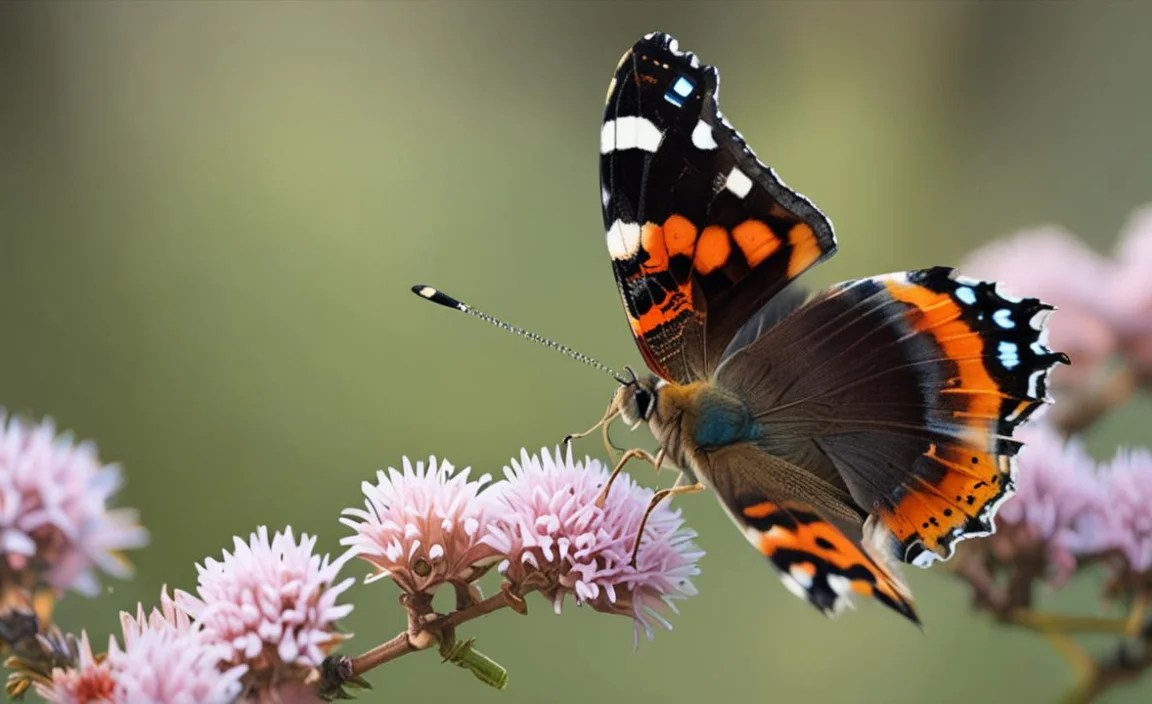
Quick Summary: Red admiral butterflies are easily identified by their striking black wings adorned with vibrant red-orange bands and white spots.
Look for these distinctive markings on both the forewings and hindwings. They are commonly found in gardens, parks, and woodlands across North America and Europe, often basking in sunny spots.
Have you ever spotted a beautiful butterfly with bold red stripes and wondered what it was? Identifying butterflies can seem tricky, but the red admiral is one of the easier ones to recognize! Its striking colors and patterns make it stand out in any garden or woodland.
Let’s explore the unique markings and behaviors that will help you confidently identify this fascinating creature. We’ll cover everything from wing patterns to habitat preferences, making you a red admiral expert in no time!
Identifying the Red Admiral Butterfly: A Comprehensive Guide

Hello, butterfly enthusiasts! I’m Frances O’Brien from ButterflyAsk.com, and I’m thrilled to guide you through the wonderful world of red admiral butterflies. These stunning insects are a joy to spot, and with a few key characteristics in mind, you’ll be able to identify them with ease. Let’s dive in and discover what makes the red admiral so special.
Key Characteristics of the Red Admiral Butterfly

The red admiral butterfly (Vanessa atalanta) is a medium-sized butterfly known for its distinctive coloring and patterns. Here’s a breakdown of the key features to look for:
- Wing Color and Pattern: The most prominent feature is the black or dark brown wings with bright red-orange bands.
- Size: Red admirals typically have a wingspan of about 1.75 to 2.5 inches (4.5 to 6.5 cm).
- Habitat: They are commonly found in gardens, parks, woodlands, and near water sources.
- Behavior: Red admirals are active fliers and often bask in the sun with their wings open.
Detailed Identification Guide: Step-by-Step
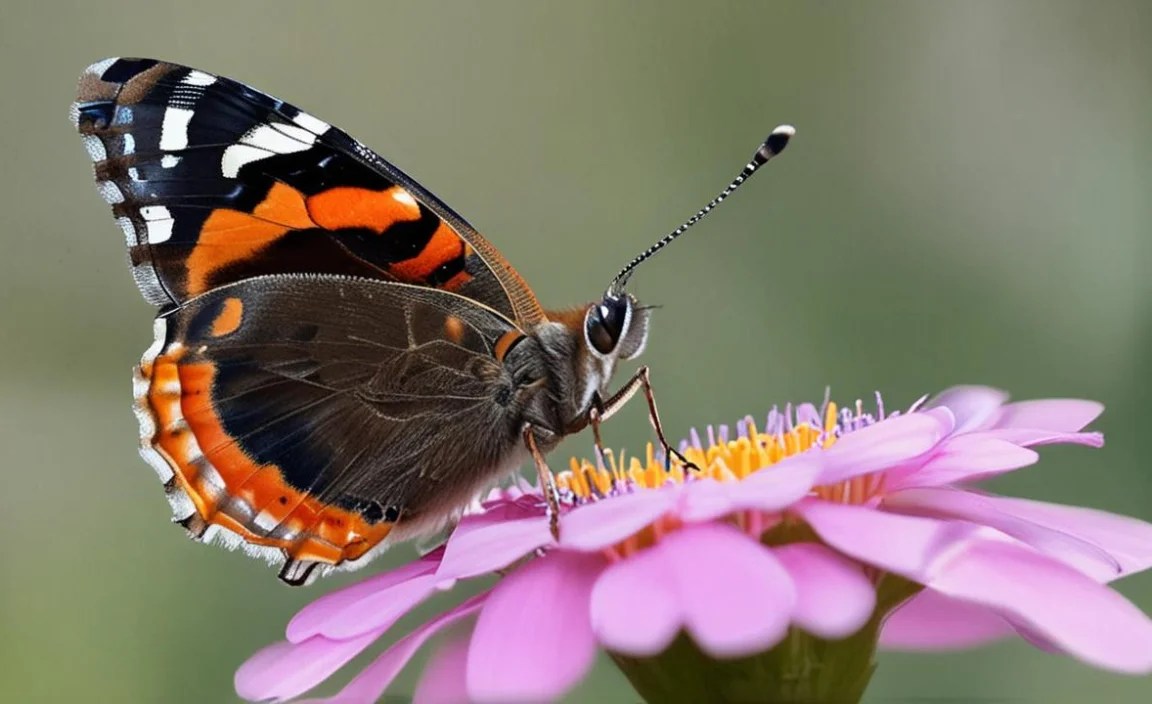
Let’s break down the identification process into manageable steps. By focusing on specific features, you can confidently identify red admirals in various settings.
1. Observe the Wing Color and Pattern
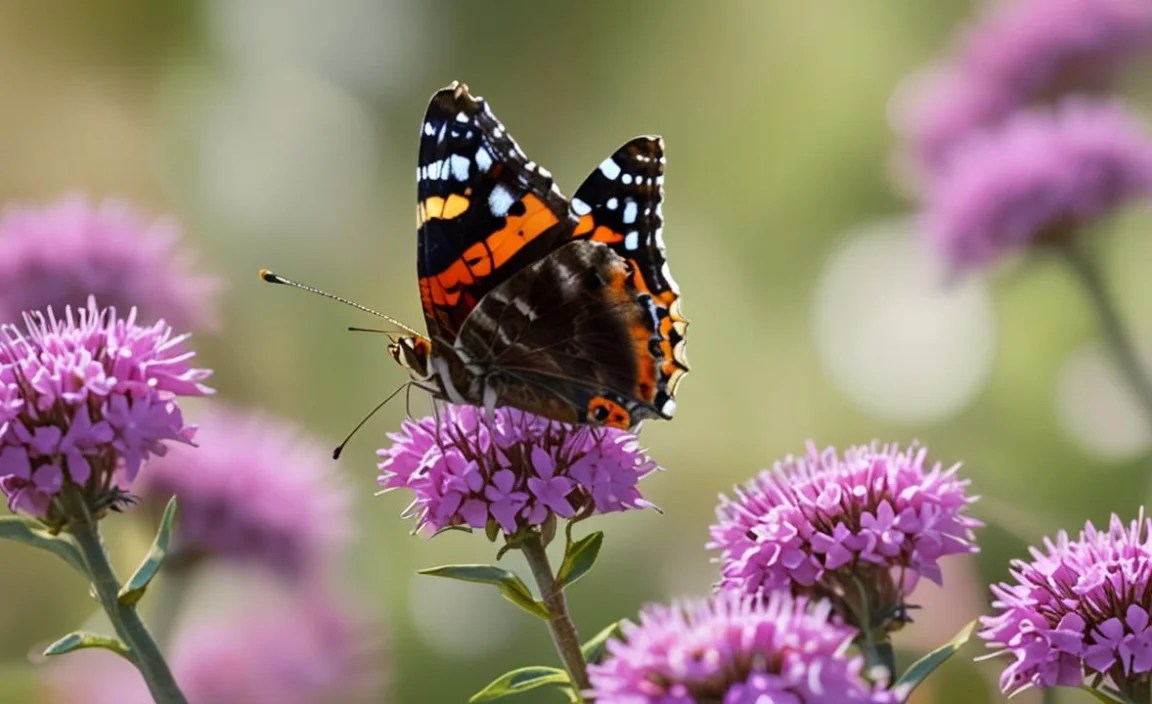
The wings are the most distinctive feature of the red admiral. Here’s what to look for:
- Forewings: The forewings are primarily black with a bold, red-orange band that crosses the wing. There are also white spots near the tip of the forewing.
- Hindwings: The hindwings are also dark but have a red-orange border along the edge. This border contains small black spots.
- Underside: The underside of the wings is a mottled pattern of browns and grays, providing excellent camouflage when the butterfly is at rest.
2. Check the Size and Shape
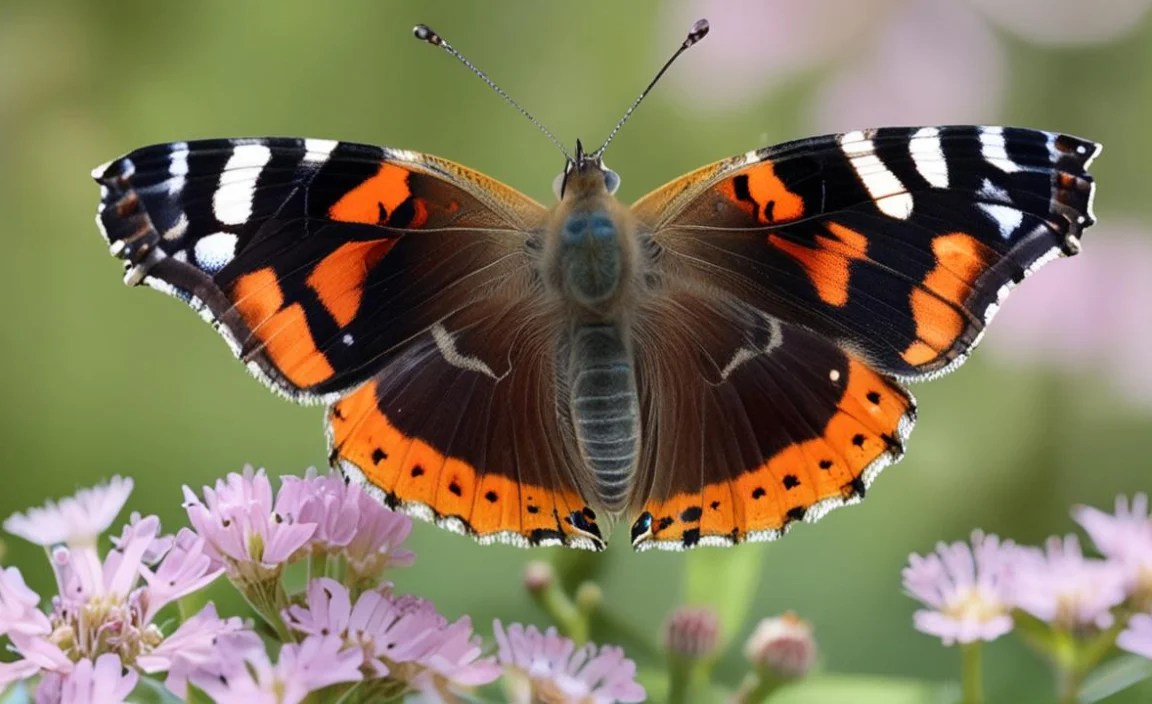
Size and shape can also help in identification:
- Wingspan: Red admirals have a wingspan of approximately 1.75 to 2.5 inches (4.5 to 6.5 cm).
- Wing Shape: The wings are relatively angular, with a slightly hooked shape to the forewings.
3. Examine the Body
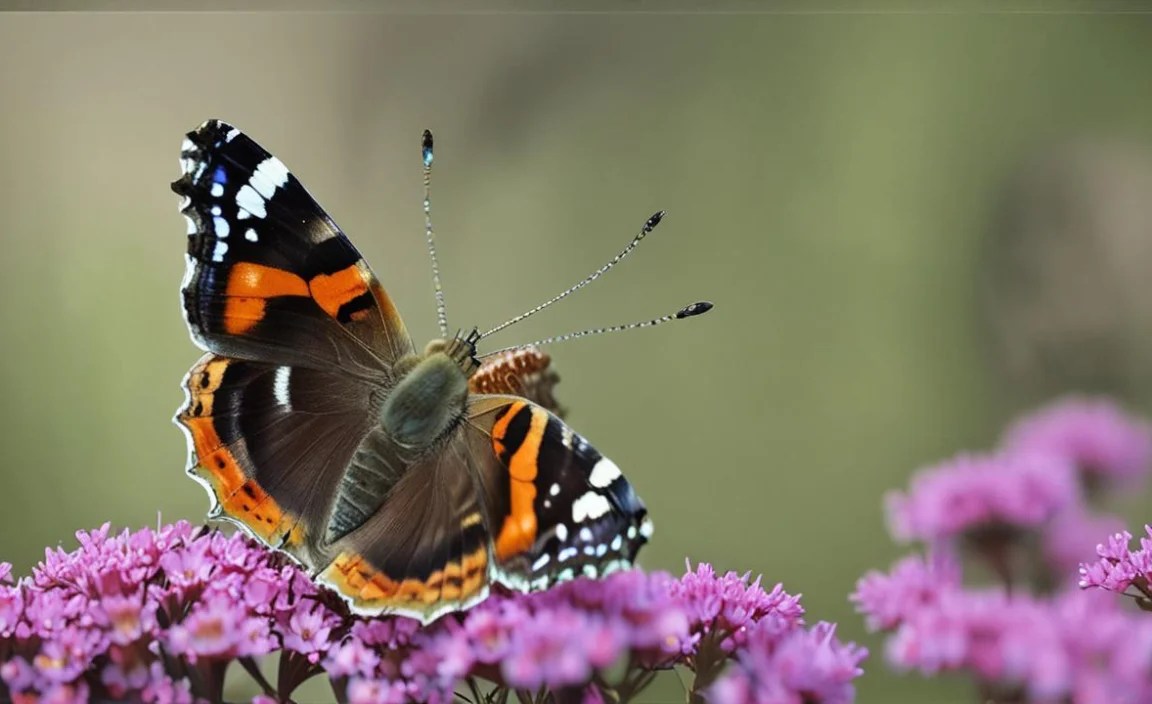
The body of the red admiral provides additional clues:
- Color: The body is dark, almost black, which complements the wing colors.
- Fuzzy Appearance: The body is covered in fine hairs, giving it a fuzzy appearance.
4. Consider the Habitat and Location
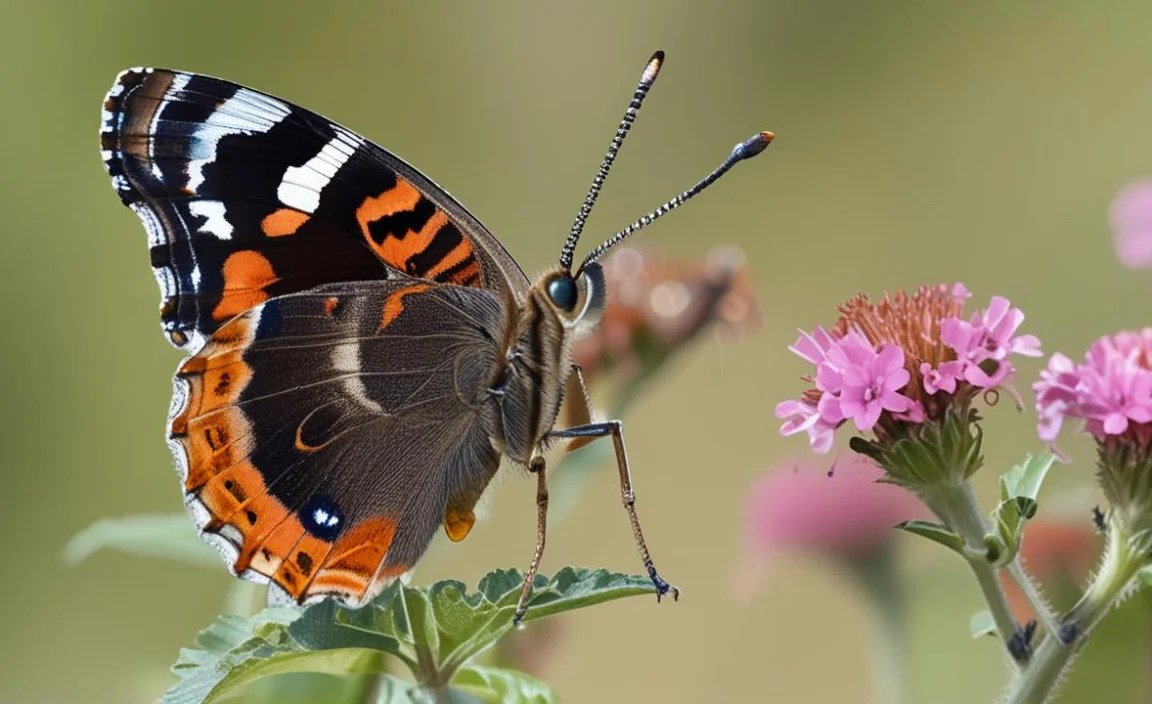
Red admirals are found in a variety of habitats, so knowing where you are can help confirm your identification:
- Geographic Range: They are widespread across North America and Europe. They can also be found in parts of Asia and North Africa.
- Common Habitats: Look for them in gardens, parks, woodlands, and along streams or rivers. They are often seen in sunny spots where they can bask.
5. Observe the Behavior
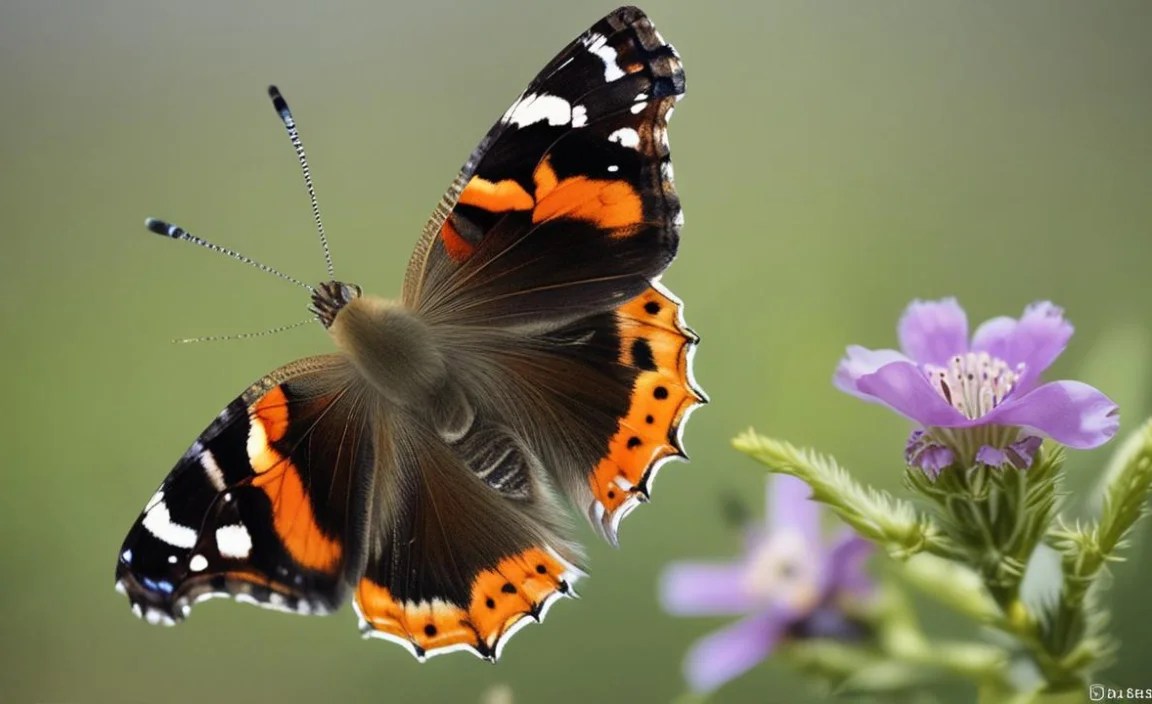
The behavior of a butterfly can also be a helpful clue:
- Flight Pattern: Red admirals are strong, active fliers. They often fly in a rapid, erratic pattern.
- Basking: They frequently bask in the sun with their wings fully open to absorb heat.
- Feeding: Red admirals are attracted to a variety of food sources, including flower nectar, tree sap, and rotting fruit. You might see them feeding on these substances.
Comparing Red Admirals to Similar Butterflies

Sometimes, it’s easy to confuse one butterfly for another. Here’s a comparison of red admirals with similar-looking species:
| Butterfly | Key Identification Features | Distinguishing Characteristics |
|---|---|---|
| Red Admiral (Vanessa atalanta) | Black wings with red-orange bands and white spots on forewings. | Distinct red-orange band across the forewings and a red-orange border on the hindwings. |
| Viceroy (Limenitis archippus) | Orange wings with black veins and a black border. | Has a black line across the hindwing, which red admirals lack. Mimics the Monarch butterfly for protection. |
| Monarch (Danaus plexippus) | Bright orange wings with black veins and a black border with white spots. | Larger than red admirals and lacks the red-orange bands. Known for its long migration. |
| Painted Lady (Vanessa cardui) | Orange-brown wings with black and white markings. | More mottled pattern than red admirals. Small blue eyespots on hindwings. |
Attracting Red Admirals to Your Garden

Want to see more red admirals in your backyard? Here are some tips to create a butterfly-friendly habitat:
- Plant Host Plants: Red admirals lay their eggs on host plants like nettles (Urtica dioica) and pellitory (Parietaria).
- Provide Nectar Sources: Plant nectar-rich flowers such as butterfly bush (Buddleja davidii), asters, and zinnias.
- Offer Water: Butterflies need water, so provide a shallow dish of water with pebbles for them to land on.
- Avoid Pesticides: Pesticides can harm or kill butterflies, so avoid using them in your garden.
- Provide Shelter: Plant shrubs and trees to provide shelter from wind and predators.
- Rotting Fruit: Place overripe fruit in a dish in your garden. Red admirals love the sugars from rotting fruit.
The Life Cycle of the Red Admiral Butterfly

Understanding the life cycle of the red admiral can deepen your appreciation for these creatures. Here’s a brief overview:
- Egg: The female red admiral lays her eggs singly on the leaves of host plants.
- Larva (Caterpillar): The caterpillar emerges from the egg and feeds on the host plant. It is typically dark in color with spines.
- Pupa (Chrysalis): The caterpillar forms a chrysalis, which is usually brown or gray.
- Adult Butterfly: After about two weeks, the adult butterfly emerges from the chrysalis.
Red Admiral Migration and Behavior
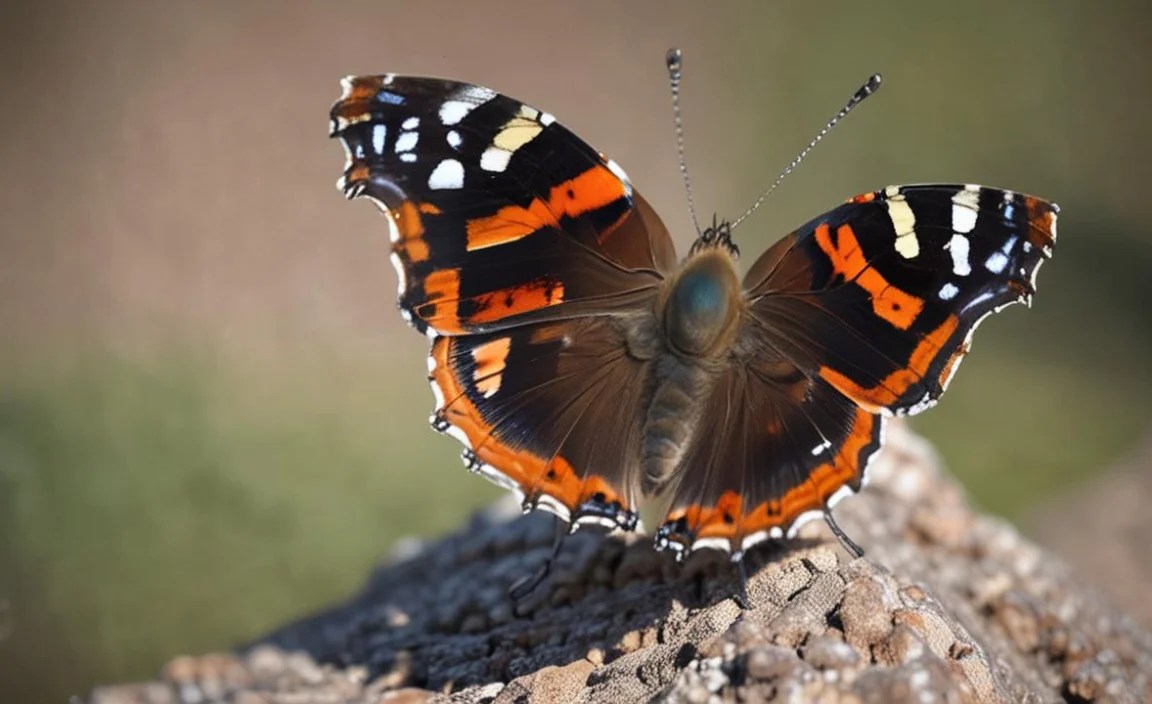
Red admirals are known for their migratory behavior, especially in North America. They migrate north in the spring and summer and south in the fall to escape cold weather.
- Migration Patterns: In North America, they migrate from the southern United States and Mexico to the northern United States and Canada.
- Overwintering: Some red admirals overwinter in warmer climates, while others may not survive the winter in colder regions.
- Territorial Behavior: Male red admirals are territorial and will defend their territory against other males.
Conservation Status and Efforts
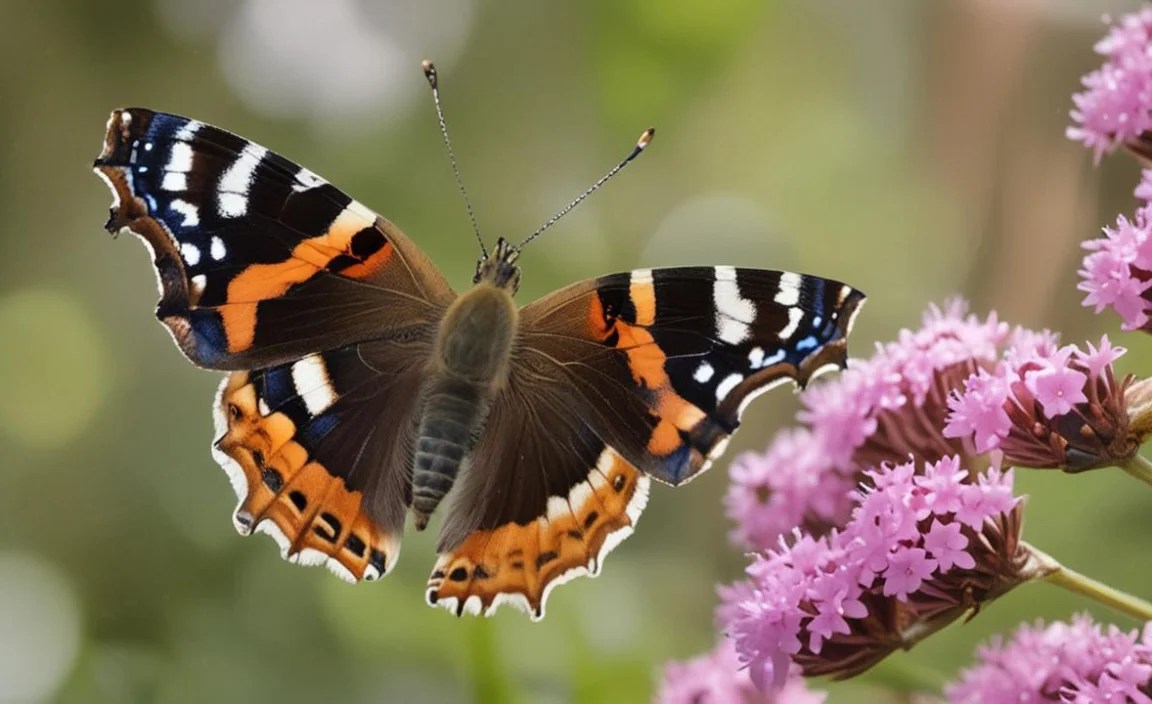
While red admirals are not currently listed as endangered, it’s important to be aware of their conservation needs and support efforts to protect butterfly habitats.
- Habitat Loss: Habitat loss due to development and agriculture is a major threat to butterflies.
- Climate Change: Climate change can disrupt butterfly migration patterns and affect their food sources.
- Conservation Actions: Support organizations that work to protect butterfly habitats and promote sustainable practices.
Fun Facts About Red Admiral Butterflies

Here are some fascinating facts about red admiral butterflies:
- Name Origin: The name “admiral” may come from the resemblance of the red bands on the wings to the stripes on a naval officer’s uniform.
- Nectar Preferences: Red admirals are known to feed on the nectar of various flowers, as well as tree sap and rotting fruit.
- Sunbathing: They often bask in the sun to warm their bodies, which helps them fly more efficiently.
- Attracted to Purple: Plant purple flowers in your garden to attract them.
Symbolism and Cultural Significance
Butterflies, including the red admiral, have rich symbolic meanings in various cultures:
- Transformation: Butterflies are often seen as symbols of transformation and rebirth due to their life cycle.
- Freedom: They represent freedom and the beauty of nature.
- Spirituality: In some cultures, butterflies are believed to carry messages from the spirit world.
Tools and Resources for Butterfly Identification
To further enhance your butterfly identification skills, here are some helpful tools and resources:
- Butterfly Field Guides: Purchase a local butterfly field guide for detailed information and illustrations.
- Online Databases: Websites like the Butterflies and Moths of North America offer comprehensive information and photos.
- Butterfly Identification Apps: Use smartphone apps like iNaturalist to identify butterflies based on photos.
- Local Butterfly Clubs: Join a local butterfly club or nature group to learn from experienced enthusiasts.
FAQ About Red Admiral Butterflies
Here are some frequently asked questions about red admiral butterflies:
- What is the lifespan of a red admiral butterfly?
- The lifespan of a red admiral butterfly is typically around 6 to 12 months, including all stages of its life cycle.
- Are red admiral butterflies migratory?
- Yes, red admiral butterflies are migratory, especially in North America. They migrate north in the spring and summer and south in the fall.
- What do red admiral caterpillars eat?
- Red admiral caterpillars primarily feed on nettles (Urtica dioica) and pellitory (Parietaria).
- How can I attract red admiral butterflies to my garden?
- Plant host plants like nettles and nectar-rich flowers like butterfly bush, asters, and zinnias. Also, provide a shallow dish of water and avoid using pesticides.
- Are red admiral butterflies endangered?
- No, red admiral butterflies are not currently listed as endangered, but it’s important to protect their habitats to ensure their populations remain healthy.
- What is the best time of year to see red admiral butterflies?
- The best time to see red admiral butterflies is during the spring, summer, and fall months when they are most active.
- Where are red admiral butterflies most commonly found?
- Red admiral butterflies are commonly found in gardens, parks, woodlands, and near water sources across North America and Europe.
Conclusion
Identifying the red admiral butterfly is a rewarding experience that connects you to the beauty and complexity of nature. By recognizing its distinctive wing patterns, understanding its habitat preferences, and observing its behavior, you can confidently identify this stunning butterfly.
Whether you’re a seasoned naturalist or a beginner, the red admiral offers a wonderful opportunity to appreciate the wonders of the natural world. So, get outside, explore your surroundings, and keep an eye out for these beautiful creatures. Happy butterflying!


