
Butterfly Species Protected Under CITES: A Smart Guide

Quick Summary: CITES, the Convention on International Trade in Endangered Species, protects several butterfly species from over-collection and habitat loss due to international trade. These species, like certain birdwing butterflies (Ornithoptera and Troides) and some Apollo butterflies (Parnassius), are listed under CITES Appendix II, meaning their trade is regulated to ensure their survival. Understanding which butterflies are protected helps in supporting conservation efforts and responsible butterfly collecting or trading practices.
Butterflies – those delicate, winged jewels of our gardens and forests! We all love watching them flutter by, adding splashes of color to our world. But did you know that some butterfly species are facing threats from over-collection and habitat destruction? International trade can significantly impact vulnerable butterfly populations, which is why organizations like CITES play a crucial role. It can be confusing to know which butterflies are protected and what that protection actually means.
This guide will help you understand which butterfly species are protected under CITES, why they need our help, and what you can do to support their conservation. Together, we can make a difference in ensuring these beautiful creatures continue to grace our planet for generations to come! Ready to learn more?
What is CITES and Why Does it Matter for Butterflies?

CITES stands for the Convention on International Trade in Endangered Species of Wild Fauna and Flora. It’s an international agreement between governments that aims to ensure that international trade in specimens of wild animals and plants does not threaten their survival. Think of it as a global watchdog, keeping an eye on the trade of species to prevent overexploitation.
Butterflies, while seemingly abundant, are vulnerable to habitat loss, climate change, and, importantly, over-collection for trade. CITES steps in to regulate this trade, ensuring that any international buying and selling of protected butterfly species is sustainable and doesn’t push them closer to extinction.
How CITES Works
CITES works by classifying species into three Appendices:
- Appendix I: Includes species that are the most endangered. Commercial trade in these species is generally prohibited.
- Appendix II: Includes species that are not necessarily threatened with extinction, but trade must be controlled to avoid them becoming so. Most protected butterflies fall under this category.
- Appendix III: Includes species that are protected in at least one country, and that country has asked other CITES Parties for assistance in controlling the trade.
For butterflies listed under Appendix II, permits are required for international trade. These permits ensure that the trade is legal, sustainable, and doesn’t harm the wild populations.
Butterfly Species Protected Under CITES

While CITES covers a wide range of species, several butterfly groups are particularly noteworthy. These are primarily listed under Appendix II, reflecting the need for controlled trade to protect their populations.
Birdwing Butterflies (Genus Ornithoptera and Troides)
Birdwing butterflies are among the largest and most spectacular butterflies in the world. Found mainly in Southeast Asia, Australia, and the Pacific Islands, they are highly sought after by collectors, making them vulnerable to over-collection.
Why are they protected? Their large size and vibrant colors make them attractive to collectors. Habitat loss, combined with unregulated collecting, has significantly impacted their populations.
Examples of Protected Birdwing Butterflies:
- Queen Alexandra’s Birdwing (Ornithoptera alexandrae): This is the largest butterfly in the world and is critically endangered. Found only in a small area of Papua New Guinea, it faces severe habitat loss from logging and palm oil plantations.
- Goliath Birdwing (Ornithoptera goliath): Found in Indonesia and Papua New Guinea, this impressive butterfly is also threatened by habitat loss and over-collection.
- Rajah Brooke’s Birdwing (Trogonoptera brookiana): While not as endangered as some other birdwings, its popularity in trade necessitates regulation to prevent declines. It is found throughout the Malay Peninsula, Borneo, and Sumatra.
Apollo Butterflies (Genus Parnassius)
Apollo butterflies are beautiful, high-altitude butterflies found in Europe and Asia. They are known for their striking white wings adorned with red or black spots. These butterflies are particularly sensitive to environmental changes, making them vulnerable.
Why are they protected? Apollo butterflies are slow-growing and have specific habitat requirements. Climate change, habitat fragmentation, and over-collection all pose threats to their survival.
Examples of Protected Apollo Butterflies:
- Apollo Butterfly (Parnassius apollo): This iconic butterfly is found across Europe and Asia. Habitat loss and climate change are major threats.
- Clouded Apollo (Parnassius mnemosyne): Similar to the Apollo, this species is also vulnerable to habitat loss and climate change.
Other Notable Protected Species
Besides birdwings and Apollo butterflies, other species receive protection under CITES due to their vulnerability and the impact of international trade.
- Bhutanitis lidderdalii: Commonly known as the Bhutan Glory, this butterfly is native to parts of Southeast Asia, including Bhutan, India, and China. It is protected due to its unique appearance and declining populations resulting from habitat destruction and collection.
Identifying CITES-Protected Butterflies
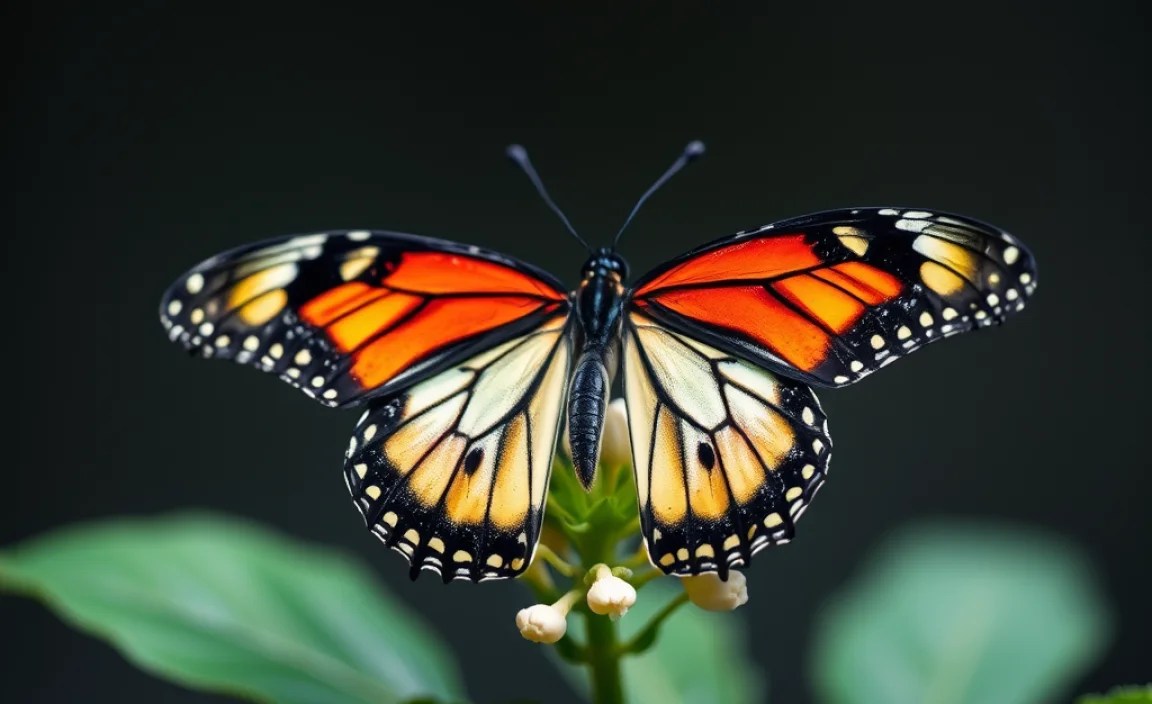
Identifying protected butterfly species can be challenging, but here are some tips to help you distinguish them:
- Size and Appearance: Birdwing butterflies are generally very large, with wingspans that can exceed 10 inches. Apollo butterflies are smaller but have distinctive white wings with red or black spots.
- Habitat: Birdwings are found in tropical regions of Southeast Asia, Australia, and the Pacific Islands. Apollo butterflies inhabit high-altitude areas in Europe and Asia.
- CITES Identification Guides: CITES provides identification guides and resources to help customs officials and the public identify protected species. These guides often include detailed descriptions and images.
If you’re unsure whether a butterfly is protected, it’s always best to err on the side of caution and avoid collecting or trading it. Contacting your local wildlife authorities or conservation organizations can also provide clarity.
The Impact of Trade on Butterfly Populations
The international trade in butterflies can have a significant impact on their populations. Here’s how:
- Over-collection: Unsustainable collecting can deplete local populations, especially for rare or localized species.
- Habitat Destruction: To supply the butterfly trade, habitats may be destroyed to create butterfly farms or to collect specimens.
- Illegal Trade: The illegal trade in protected species undermines conservation efforts and can drive species closer to extinction.
By understanding the impact of trade, we can make informed choices and support sustainable practices.
What You Can Do to Help
Protecting butterfly species is a shared responsibility. Here are some ways you can contribute to their conservation:
- Support Sustainable Butterfly Farming: Choose to purchase butterflies from farms that practice sustainable methods and contribute to local conservation efforts.
- Avoid Collecting Protected Species: Familiarize yourself with CITES-protected species and avoid collecting them.
- Report Illegal Trade: If you suspect illegal trade in protected butterflies, report it to your local wildlife authorities.
- Promote Habitat Conservation: Support organizations that work to protect and restore butterfly habitats.
- Educate Others: Share your knowledge about butterfly conservation with friends, family, and your community.
Understanding CITES Permits
If you plan to import or export butterfly species that are listed under CITES, it’s essential to understand the permit requirements. Here’s a breakdown:
- Appendix I Species: Commercial trade is generally prohibited. Permits are only issued in exceptional circumstances, such as for scientific research or conservation purposes.
- Appendix II Species: Permits are required for both import and export. The exporting country must ensure that the trade will not be detrimental to the survival of the species. The importing country must ensure that the specimens are legally obtained.
- Appendix III Species: A certificate of origin is required for export from the country that listed the species. An import permit may also be required in some cases.
To obtain CITES permits, you’ll need to contact the CITES Management Authority in your country. They can provide guidance on the application process and the required documentation.
Case Studies: Successful Butterfly Conservation Efforts
Despite the challenges, there are many success stories in butterfly conservation. Here are a couple of examples:
- Queen Alexandra’s Birdwing Conservation in Papua New Guinea: Through community-based conservation programs, local communities are involved in protecting the butterfly’s habitat and promoting sustainable tourism.
- Apollo Butterfly Reintroduction Programs in Europe: In several European countries, Apollo butterflies have been successfully reintroduced to areas where they had disappeared, thanks to habitat restoration and captive breeding programs.
These case studies demonstrate that with dedicated efforts, we can make a positive impact on butterfly populations.
Resources for Further Learning
Want to learn more about CITES and butterfly conservation? Here are some helpful resources:
- CITES Website: The official CITES website ( https://www.cites.org/ ) provides detailed information about the Convention, its Appendices, and the species it protects.
- IUCN Red List: The IUCN Red List ( https://www.iucnredlist.org/ ) assesses the conservation status of species worldwide.
- Butterfly Conservation Organizations: Organizations like the Butterfly Conservation Society ( https://butterfly-conservation.org/ ) work to protect butterflies and their habitats.
- The Xerces Society: This organization focuses on invertebrate conservation and offers valuable resources for butterfly gardening and habitat restoration. ( https://xerces.org/ )
CITES Protected Butterfly Species: Detailed Tables
Let’s delve into specific examples of butterfly species protected under CITES, providing a more detailed look at their classification, distribution, and conservation status.
Table 1: Birdwing Butterflies (Genus Ornithoptera and Troides) Protected Under CITES
| Species Name | CITES Appendix | Distribution | Conservation Status |
|---|---|---|---|
| Ornithoptera alexandrae (Queen Alexandra’s Birdwing) | Appendix I | Papua New Guinea | Critically Endangered |
| Ornithoptera goliath (Goliath Birdwing) | Appendix II | Indonesia, Papua New Guinea | Vulnerable |
| Troides brookiana (Rajah Brooke’s Birdwing) | Appendix II | Malay Peninsula, Borneo, Sumatra | Near Threatened |
| Ornithoptera priamus (Common Birdwing) | Appendix II | Indonesia, Papua New Guinea, Australia | Least Concern |
Table 2: Apollo Butterflies (Genus Parnassius) Protected Under CITES
| Species Name | CITES Appendix | Distribution | Conservation Status |
|---|---|---|---|
| Parnassius apollo (Apollo Butterfly) | Appendix II | Europe, Asia | Near Threatened |
| Parnassius mnemosyne (Clouded Apollo) | Appendix II | Europe, Asia | Vulnerable |
Table 3: Other Notable Butterfly Species Protected Under CITES
| Species Name | CITES Appendix | Distribution | Conservation Status |
|---|---|---|---|
| Bhutanitis lidderdalii (Bhutan Glory) | Appendix II | Bhutan, India, China, Myanmar, Thailand, Vietnam | Vulnerable |
FAQ About CITES and Butterfly Conservation
Here are some frequently asked questions about CITES and butterfly conservation:
1. What does it mean when a butterfly is listed on CITES Appendix II?
Being listed on Appendix II means that international trade in that species is regulated to ensure it doesn’t threaten the species’ survival. Permits are required for import and export.
2. Why are birdwing butterflies so heavily protected?
Birdwing butterflies are highly sought after by collectors due to their large size and vibrant colors. This, combined with habitat loss, has led to significant population declines, necessitating protection.
3. How can I tell if a butterfly I want to purchase is legally obtained?
Ask the seller for documentation proving that the butterfly was obtained legally and sustainably. If it’s a CITES-listed species, they should have the necessary permits.
4. What is the role of butterfly farms in conservation?
Sustainable butterfly farms can contribute to conservation by providing an alternative to collecting wild specimens and by supporting local economies. However, it’s essential to ensure that these farms are managed responsibly.
5. What are the main threats to Apollo butterflies?
Apollo butterflies face threats from habitat loss, climate change, and over-collection. Their specific habitat requirements and slow growth make them particularly vulnerable.
6. How can I create a butterfly-friendly garden?
Plant nectar-rich flowers that attract butterflies, provide host plants for caterpillars, avoid using pesticides, and offer a water source. Native plants are often the best choice.
7. Where can I report suspected illegal butterfly trade?
You can report suspected illegal butterfly trade to your local wildlife authorities or to the CITES Management Authority in your country. Providing as much detail as possible, such as the species involved, the location of the trade, and any documentation you may have, can help in the investigation.
Conclusion
Understanding which butterfly species are protected under CITES is crucial for supporting their conservation. By being aware of the regulations, making informed choices as consumers, and actively participating in conservation efforts, we can help ensure that these magnificent creatures continue to thrive. Each of us, with our choices and actions, contributes to the tapestry of life on Earth. By choosing to protect these butterflies, we enrich our world and safeguard it for future generations. Let’s continue to learn, advocate, and act, ensuring that the delicate dance of the butterflies continues to grace our planet for years to come.


