
Ultimate Butterfly Reserves in Asia: Explore Now!

Have you ever seen a butterfly? They are so pretty. They flutter around with colorful wings. Did you know some places protect them? These places are called butterfly reserves in Asia. They help butterflies stay safe and happy.
Key Takeaways
- Butterfly reserves in Asia play a vital role in protecting these delicate insects.
- These reserves offer safe habitats where butterflies can thrive and reproduce.
- Many reserves focus on planting specific plants that butterflies need to survive.
- Visiting these reserves helps people learn about butterfly conservation.
- Supporting these reserves ensures butterflies will be around for years to come.
Discovering Butterfly Reserves in Asia

Butterfly reserves in Asia are special places. They protect butterflies and their homes. These reserves are like parks for butterflies. Butterflies need certain plants to live. These plants give them food. They also give them a place to lay eggs. Reserves make sure these plants are there. People who work at the reserves also help butterflies. They might raise baby butterflies. Then, they let them go in the reserve. It is important to keep these places safe. Pollution and cutting down trees can hurt butterflies. Reserves help keep the environment healthy for them. When we protect butterflies, we also protect the environment. Butterflies help flowers make seeds. This helps plants grow.
- Reserves protect butterfly habitats.
- They provide food for butterflies.
- Reserves help butterflies reproduce.
- People can learn about butterflies there.
- Reserves keep the environment healthy.
There are many butterfly reserves in Asia. These reserves are in different countries. Some are in forests. Some are in gardens. Each reserve is a little different. But they all have the same goal. They want to help butterflies. When you visit a reserve, you can see many butterflies. You can learn about their lives. You can also help protect them. Many reserves have programs for kids. You can plant a tree. You can help clean up the reserve. You can learn how to make your own butterfly garden at home. Every little bit helps.
Fun Fact or Stat: Did you know that some butterflies migrate thousands of miles, just like birds? They travel long distances to find warmer weather and food!
Why Butterflies Need Reserves
Why do butterflies need reserves? Butterflies are very sensitive. Changes in their environment can hurt them. Cutting down forests takes away their homes. Pollution makes it hard for them to find food. Butterfly reserves in Asia offer a safe place. These reserves protect the plants butterflies need. They also keep the environment clean. Reserves help butterflies survive and thrive. Without reserves, many butterflies could disappear. We need to protect these special places.
What Makes a Good Butterfly Reserve?
What makes a good butterfly reserve? A good reserve has many different kinds of plants. These plants give butterflies food. They also give them places to lay eggs. The reserve should be free from pollution. It should be quiet and peaceful. A good reserve also has people who care about butterflies. These people help take care of the reserve. They also teach people about butterflies. The best reserves are also open to the public. This way, everyone can enjoy the beauty of butterflies.
How Can You Help Butterflies?
How can you help butterflies? There are many things you can do. You can plant a butterfly garden. Use plants that butterflies like to eat. You can avoid using pesticides. Pesticides can hurt butterflies. You can also support butterfly reserves in Asia. You can donate money. You can volunteer your time. You can also tell your friends about butterflies. The more people who care about butterflies, the better. Every little bit helps. Even just planting one flower can make a difference.
Exploring Butterfly Habitats in Asia

Asia has many different habitats. These habitats are home to many butterflies. Some butterflies live in rainforests. Others live in mountains. Some live in deserts. Butterfly habitats in Asia are very diverse. Each habitat has its own special plants and animals. Butterflies have adapted to live in these different habitats. Some butterflies have bright colors. This helps them hide from predators. Others have patterns that look like leaves. This also helps them hide. Learning about these habitats helps us understand butterflies. It also helps us protect them.
- Rainforests are home to many butterflies.
- Mountains also have unique species.
- Deserts may seem unlikely, but butterflies live there.
- Each habitat supports different butterflies.
- These habitats need protection.
Butterfly reserves in Asia often focus on specific habitats. For example, a reserve in a rainforest might protect rainforest butterflies. A reserve in the mountains might protect mountain butterflies. By protecting these habitats, we protect the butterflies that live there. It is important to remember that everything is connected. If we destroy a habitat, we also hurt the butterflies. We need to be careful about how we use the land. We need to think about the impact on butterflies.
Fun Fact or Stat: Some butterflies can taste with their feet! This helps them find the right plants to lay their eggs on.
Rainforest Butterflies
Rainforests are full of life. Many different kinds of butterflies live there. These butterflies are often very colorful. They have bright wings. This helps them attract mates. It also helps them hide from predators. Rainforest butterflies eat nectar from flowers. They also eat sap from trees. Butterfly reserves in Asia in rainforests help protect these butterflies. These reserves protect the rainforest from being cut down. They also protect the plants that butterflies need.
Mountain Butterflies
Mountains are another important habitat for butterflies. Mountain butterflies are often smaller than rainforest butterflies. They have strong wings. This helps them fly in the wind. Mountain butterflies eat nectar from flowers. They also eat pollen. Butterfly reserves in Asia in the mountains help protect these butterflies. These reserves protect the mountains from being mined. They also protect the plants that butterflies need.
Desert Butterflies
Deserts may seem like an unlikely place for butterflies. But some butterflies do live in deserts. These butterflies are very hardy. They can survive in hot, dry conditions. Desert butterflies eat nectar from desert flowers. They also drink water from cacti. Butterfly reserves in Asia in deserts help protect these butterflies. These reserves protect the desert from being overgrazed. They also protect the plants that butterflies need.
Conservation Efforts in Asian Reserves
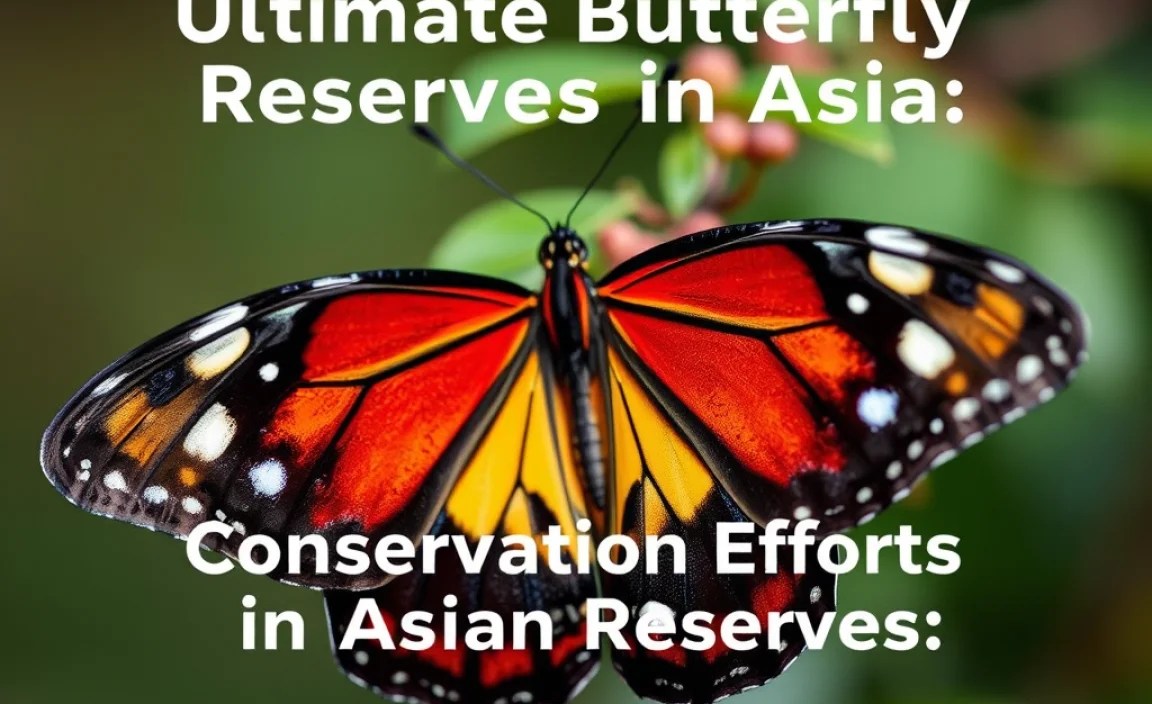
Butterfly reserves in Asia are working hard to protect butterflies. They use many different methods. Some reserves focus on planting native plants. These plants provide food and shelter for butterflies. Other reserves focus on controlling pests. Pests can hurt butterflies. Some reserves also run education programs. These programs teach people about butterflies. They also teach them how to protect butterflies. All of these efforts are important. They help butterflies survive and thrive.
- Planting native plants helps butterflies.
- Controlling pests protects butterflies.
- Education programs teach people about butterflies.
- Reserves monitor butterfly populations.
- They also restore degraded habitats.
One important part of conservation is research. Scientists study butterflies. They learn about their habits. They learn about their needs. This information helps reserves make better decisions. For example, scientists might discover that a certain plant is very important for butterflies. The reserve can then focus on planting more of that plant. Research is also important for understanding threats to butterflies. Scientists can study how pollution affects butterflies. They can then recommend ways to reduce pollution.
Fun Fact or Stat: Some butterflies can fly up to 30 miles per hour! They are very fast fliers.
Planting Native Plants
Planting native plants is a key part of butterfly conservation. Native plants are plants that naturally grow in an area. Butterflies have evolved to eat these plants. They also use them for shelter. When we plant native plants, we provide butterflies with the resources they need. Butterfly reserves in Asia often have special gardens with native plants. These gardens are designed to attract butterflies. They are also designed to educate people about butterflies.
Controlling Pests
Pests can be a big problem for butterflies. Pests can eat butterfly eggs. They can also eat caterpillars. Some pests can even kill adult butterflies. Butterfly reserves in Asia use different methods to control pests. They might use natural predators. They might use traps. They might use pesticides. However, they try to use pesticides carefully. They don’t want to hurt the butterflies.
Education Programs
Education programs are very important for butterfly conservation. These programs teach people about butterflies. They teach them about the threats that butterflies face. They also teach them how to help butterflies. Butterfly reserves in Asia often have education programs for kids. These programs include tours, workshops, and activities. The goal is to get kids excited about butterflies. The goal is also to teach them how to protect butterflies.
Visiting Butterfly Parks in Asia

Visiting butterfly parks in Asia is a great way to learn about butterflies. You can see many different kinds of butterflies. You can learn about their life cycle. You can also learn about the threats they face. Many butterfly parks have educational exhibits. These exhibits teach you about butterflies. They also teach you about conservation. Visiting a butterfly park is a fun and educational experience. It is also a way to support butterfly conservation. The money you spend at the park helps the park protect butterflies.
- See many different butterfly species.
- Learn about the butterfly life cycle.
- Support butterfly conservation efforts.
- Enjoy a beautiful and peaceful environment.
- Take amazing photos of butterflies.
When you visit a butterfly park in Asia, be respectful. Don’t touch the butterflies. Don’t chase them. Don’t make loud noises. Butterflies are very delicate. They can be easily scared. Follow the rules of the park. Stay on the paths. Don’t pick the flowers. By being respectful, you can help protect the butterflies. You can also help make the park a pleasant place for everyone.
Fun Fact or Stat: Butterflies have scales on their wings, just like fish! These scales give butterflies their color and help them fly.
What to Expect at a Butterfly Park
What can you expect at a butterfly park? You can expect to see many butterflies. They will be flying all around you. You can also expect to see many plants. These plants provide food and shelter for the butterflies. You can also expect to learn a lot about butterflies. Most butterfly parks have educational exhibits. They also have staff who can answer your questions. Butterfly reserves in Asia can be very hot and humid. Be sure to dress appropriately. Wear light clothing. Bring water.
How to Prepare for Your Visit
How should you prepare for your visit to a butterfly park? First, check the weather. Dress appropriately. Wear light clothing if it is hot. Bring a jacket if it is cold. Wear comfortable shoes. You will be doing a lot of walking. Bring water. It is important to stay hydrated. Bring sunscreen. You don’t want to get sunburned. Butterfly reserves in Asia can be crowded. Be patient. Be respectful of other visitors.
Best Times to Visit
What is the best time to visit a butterfly park? The best time to visit is usually in the morning. Butterflies are most active in the morning. It is also cooler in the morning. This makes it more comfortable for you. Avoid visiting during peak hours. Butterfly parks can be very crowded during peak hours. Butterfly reserves in Asia may have different peak hours. Check the park’s website for more information.
Threats to Butterflies in Asia
Butterflies in Asia face many threats. One of the biggest threats is habitat loss. When forests are cut down, butterflies lose their homes. Pollution is another threat. Pollution can hurt butterflies directly. It can also hurt the plants that butterflies need. Climate change is also a threat. Climate change can change the weather patterns. This can make it hard for butterflies to survive. Butterfly reserves in Asia are working to address these threats. They are protecting habitats. They are reducing pollution. They are also studying the effects of climate change.
| Threat | Description | Impact on Butterflies |
|---|---|---|
| Habitat Loss | Deforestation and urbanization | Loss of food and shelter |
| Pollution | Air and water pollution from factories and cars | Harmful to butterfly health and plant life |
| Climate Change | Changing weather patterns and rising temperatures | Disruption of butterfly life cycles |
| Pesticide Use | Use of chemicals in agriculture | Directly kills butterflies and other insects |
It is important to remember that we can all help to reduce these threats. We can reduce our carbon footprint. We can support sustainable agriculture. We can protect natural habitats. By working together, we can make a difference for butterflies. Butterfly reserves in Asia need our support. They are on the front lines of butterfly conservation.
Fun Fact or Stat: The largest butterfly in the world, the Queen Alexandra’s birdwing, is found in Papua New Guinea, which is near Asia!
Habitat Loss and Fragmentation
Habitat loss is a major threat to butterflies. When forests and other natural habitats are destroyed, butterflies lose their homes. They also lose their food sources. Habitat fragmentation is also a problem. This is when habitats are broken up into smaller pieces. Butterfly reserves in Asia try to protect large areas of habitat. This helps to ensure that butterflies have enough space to live.
Pollution and Pesticides
Pollution can harm butterflies in many ways. Air pollution can damage their wings. Water pollution can contaminate their food sources. Pesticides are especially harmful to butterflies. They can kill butterflies directly. They can also kill the plants that butterflies need. Butterfly reserves in Asia promote sustainable practices. These practices help to reduce pollution and pesticide use.
Climate Change Impacts
Climate change is causing changes in weather patterns. This can make it difficult for butterflies to survive. Some butterflies may not be able to adapt to the changing climate. Butterfly reserves in Asia are studying the effects of climate change on butterflies. They are also developing strategies to help butterflies adapt. This might include planting different types of plants. It might also include creating new habitats.
The Future of Butterfly Reserves in Asia
The future of butterfly reserves in Asia is uncertain. But there is reason for hope. People are becoming more aware of the importance of butterflies. More and more people are supporting butterfly conservation. New reserves are being created. Existing reserves are expanding their efforts. With continued support, butterfly reserves in Asia can continue to protect these beautiful creatures. They can also help to ensure that butterflies will be around for future generations.
- Increased awareness of butterfly conservation.
- Expansion of existing butterfly reserves.
- Creation of new butterfly reserves.
- More research on butterfly biology and ecology.
- Greater community involvement in conservation.
It is important to remember that everyone can play a role in butterfly conservation. You can plant a butterfly garden. You can reduce your carbon footprint. You can support butterfly reserves in Asia. By working together, we can make a difference. We can help to ensure that butterflies will continue to thrive in Asia.
Fun Fact or Stat: Butterflies are important pollinators, just like bees! They help plants reproduce.
Expanding Reserve Networks
One important goal is to expand the network of butterfly reserves in Asia. This will help to protect more butterfly habitats. It will also help to connect existing reserves. This will allow butterflies to move more freely between reserves. Expanding the network of reserves will require cooperation. Governments, organizations, and individuals must work together.
Sustainable Tourism and Education
Sustainable tourism can help to support butterfly reserves in Asia. When people visit reserves, they can learn about butterflies. They can also contribute to the local economy. It is important to make sure that tourism is sustainable. This means that it should not harm the environment. It should also benefit the local community.
Community Involvement and Stewardship
Community involvement is essential for the success of butterfly reserves in Asia. Local communities must be involved in the management of reserves. They must also benefit from the reserves. This can be achieved through education programs. It can also be achieved through economic opportunities. When communities are involved, they are more likely to support conservation.
Summary
Butterfly reserves in Asia are vital for protecting these delicate insects. These reserves provide safe habitats. Butterflies can thrive and reproduce there. They also offer educational opportunities. People learn about butterfly conservation. These reserves face threats like habitat loss and pollution. But with ongoing conservation efforts, butterflies can be protected. Supporting these reserves ensures a future with butterflies. These beautiful creatures will continue to flutter around Asia.
Conclusion
Butterfly reserves in Asia are very important. They protect butterflies and their homes. These reserves face many challenges. But people are working hard to help. You can help too. Learn about butterflies. Support reserves. Plant a butterfly garden. Every little bit helps. Together, we can make sure butterflies thrive. Future generations can enjoy their beauty.
Frequently Asked Questions
Question No 1: What is a butterfly reserve?
Answer: A butterfly reserve is a protected area. It is designed to provide a safe habitat for butterflies. These reserves often have specific plants. These plants provide food and shelter for butterflies. Butterfly reserves in Asia help to conserve butterfly populations. They also educate people about the importance of butterflies. These reserves are crucial for the survival of many butterfly species.
Question No 2: Why are butterfly reserves important?
Answer: Butterfly reserves are important for several reasons. They protect butterfly habitats. They also help to increase butterfly populations. Butterflies are important pollinators. They help plants reproduce. Butterfly reserves in Asia also provide educational opportunities. People can learn about butterflies and their importance. These reserves contribute to biodiversity conservation. They ensure that future generations can enjoy butterflies.
Question No 3: Where can I find butterfly reserves in Asia?
Answer: You can find butterfly reserves in Asia in many countries. Some popular locations include Malaysia, Thailand, and Indonesia. India also has several butterfly reserves. These reserves are often located in areas with rich biodiversity. They are home to many different butterfly species. You can search online for specific reserves in different countries. Many reserves have websites with information about visiting.
Question No 4: What can I do to help butterflies?
Answer: There are many things you can do to help butterflies. You can plant a butterfly garden. Use plants that butterflies like to eat. Avoid using pesticides in your garden. Support butterfly reserves in Asia by donating or volunteering. Educate others about the importance of butterflies. Reduce your carbon footprint to help fight climate change. Even small actions can make a big difference.
Question No 5: What are the biggest threats to butterflies?
Answer: The biggest threats to butterflies include habitat loss, pollution, and climate change. Habitat loss occurs when forests and other natural areas are destroyed. Pollution can harm butterflies directly. It can also harm the plants they need to survive. Climate change can alter weather patterns. This can make it difficult for butterflies to find food and shelter. Butterfly reserves in Asia are working to address these threats.
Question No 6: How do butterfly reserves help local communities?
Answer: Butterfly reserves in Asia can help local communities in several ways. They can create jobs in tourism and conservation. They can also provide educational opportunities for local residents. Reserves can help to protect natural resources. These resources are important for the livelihoods of local communities. Sustainable tourism can bring income to local businesses. Community involvement is essential for the success of butterfly reserves.


