
European Butterfly Habitat Requirements: The Ultimate Guide

To create a thriving habitat for European butterflies, focus on providing their essential needs: host plants for caterpillars, nectar-rich flowers for adults, shelter from predators and harsh weather, and a water source. Avoid pesticides and herbicides. Choose native plants to support local butterfly species best. With a little planning, you can transform your garden into a butterfly paradise!
Want to bring the beauty of butterflies to your garden? It’s easier than you think! Butterflies are vital pollinators, and their presence adds a touch of magic to any outdoor space. Many people find it tricky to create the right environment for these delicate creatures. But with a few simple steps, you can transform your backyard into a butterfly haven.
This guide will walk you through everything you need to know about European butterfly habitat requirements. We’ll explore the essential elements, from selecting the right plants to providing shelter and water. Get ready to create a space where butterflies can thrive!
Understanding European Butterfly Habitat Requirements

Butterflies are more than just pretty insects; they’re an important part of the ecosystem. Creating a suitable habitat requires understanding their basic needs. These include food, shelter, water, and a safe place to reproduce. Let’s break down each requirement:
Food Sources: Host Plants and Nectar Plants
Butterflies have two distinct food needs: one for their larval stage (caterpillars) and another for their adult stage.
Host Plants for Caterpillars
Host plants are specific plants that butterfly caterpillars feed on. Without the right host plants, butterflies can’t complete their life cycle. Different butterfly species rely on different host plants, so it’s important to research which butterflies are native to your area and what they eat.
- Monarch Butterfly: Milkweed (Asclepias spp.)
- Swallowtail Butterfly: Rue, citrus trees, fennel, parsley, and dill.
- Painted Lady Butterfly: Thistles, mallows, and legumes.
- Small Tortoiseshell: Nettles (Urtica dioica)
- Common Blue: Bird’s-foot trefoil (Lotus corniculatus)
It’s important to remember that caterpillars will eat the host plants. Don’t be alarmed by this; it’s a natural part of the butterfly’s life cycle. Plant enough host plants to support the caterpillars.
Nectar Plants for Adult Butterflies
Adult butterflies feed on nectar from flowers. Nectar provides the energy they need to fly, reproduce, and survive. Choose a variety of nectar-rich flowers that bloom throughout the butterfly season to provide a continuous food source.
- Lavender (Lavandula): A fragrant and beautiful choice that attracts many butterflies.
- Buddleja (Butterfly Bush): As the name suggests, this shrub is a butterfly magnet.
- Sedum (Stonecrop): Late-blooming sedums provide nectar when other flowers are scarce.
- Phlox: A colorful and easy-to-grow option.
- Echinacea (Coneflower): A native plant that attracts a variety of butterflies and other pollinators.
- Verbena: Long-lasting blooms that butterflies love.
- Thyme: A low-growing herb with delicate flowers.
Tip: Plant flowers in clusters to make it easier for butterflies to find them. Choose a mix of colors and flower shapes to attract a wider variety of butterflies.
Shelter and Protection
Butterflies need shelter from predators, wind, and harsh weather. Providing shelter is essential for their survival.
Natural Shelter
Trees, shrubs, and tall grasses can provide natural shelter for butterflies. These plants offer protection from wind and rain, as well as hiding places from predators like birds and spiders.
Artificial Shelter
You can also create artificial shelters for butterflies. Butterfly houses, which are small wooden structures with slits or holes, are a popular option. However, butterflies don’t often use these for shelter, so it is best to use natural methods. Rock piles and brush piles can also provide shelter and basking spots.
Basking Spots
Butterflies are cold-blooded and need to bask in the sun to warm up. Provide flat stones or other surfaces where they can bask. Dark-colored stones absorb heat more quickly, making them ideal for basking.
Water Sources
Butterflies need water to stay hydrated. While they can get some moisture from nectar, they also need a separate water source.
Puddling Areas
Butterflies often gather at puddles or damp soil to drink water and absorb minerals. You can create a puddling area by filling a shallow dish with sand or gravel and keeping it moist. Add a few rocks or pebbles for the butterflies to land on.
Shallow Dishes of Water
Another option is to provide shallow dishes of water with pebbles or marbles for the butterflies to land on. Make sure the water is clean and fresh.
Reproduction Sites
Providing suitable reproduction sites is crucial for supporting butterfly populations. This means having the right host plants for caterpillars to feed on.
Host Plant Placement
Plant host plants in a sunny location, as caterpillars need warmth to grow. Protect them from strong winds, as this can dislodge caterpillars.
Avoid Pesticides
Pesticides can be harmful to caterpillars and butterflies. Avoid using pesticides in your garden, especially near host plants.
Creating a Butterfly Garden: A Step-by-Step Guide
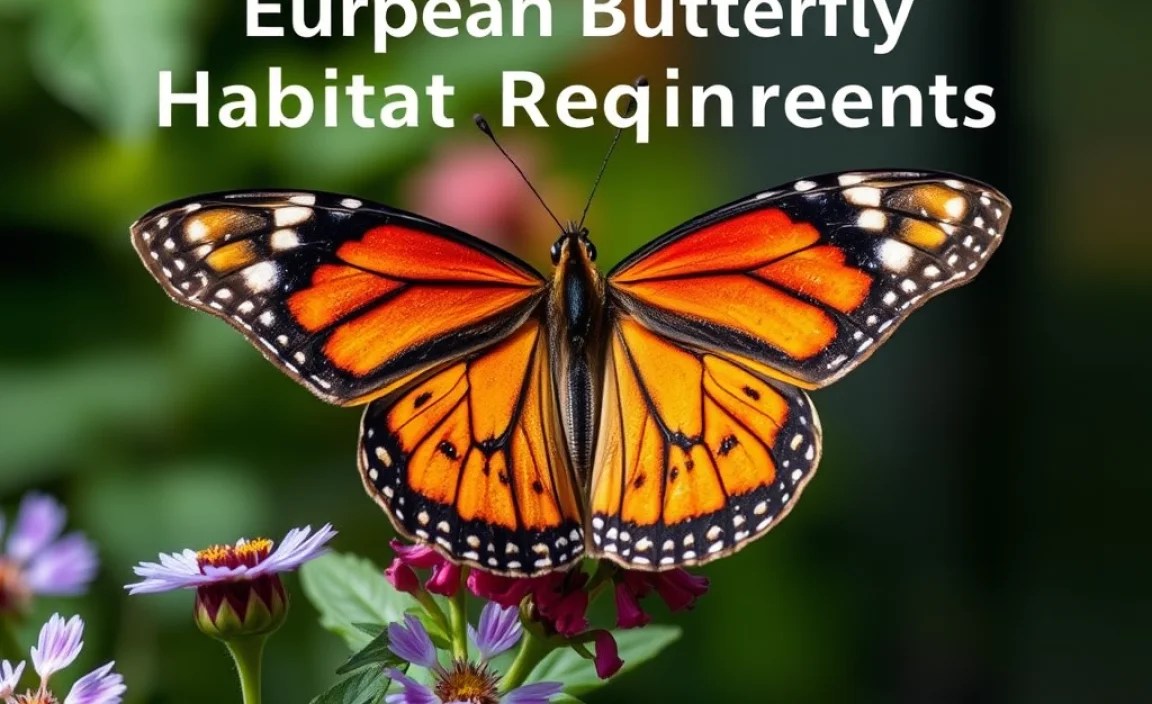
Now that you understand the basic requirements, let’s create a butterfly garden. Here’s a step-by-step guide:
Step 1: Research Native Butterflies
Find out which butterfly species are native to your area. This will help you choose the right host plants and nectar plants.
- Consult local field guides.
- Visit local nature centers.
- Check with your local university extension office.
Step 2: Choose a Sunny Location
Butterflies need sunshine to thrive. Choose a location that gets at least six hours of sunlight per day.
Step 3: Select Host Plants
Choose host plants that are appropriate for the butterfly species you want to attract. Plant them in a sunny location and protect them from wind.
Step 4: Select Nectar Plants
Choose a variety of nectar-rich flowers that bloom throughout the butterfly season. Plant them in clusters for maximum impact.
Step 5: Provide Shelter
Provide natural shelter with trees, shrubs, and tall grasses. You can also add artificial shelters like rock piles or brush piles.
Step 6: Provide Water
Create a puddling area or provide shallow dishes of water with pebbles for the butterflies to land on.
Step 7: Avoid Pesticides
Avoid using pesticides in your garden. They can be harmful to caterpillars and butterflies.
Step 8: Maintain Your Garden
Keep your garden well-maintained by watering regularly, weeding, and deadheading flowers. This will help your plants thrive and provide a continuous food source for butterflies.
Specific Plant Recommendations for European Butterflies

Selecting the right plants is crucial for creating a butterfly-friendly habitat. Here are some specific plant recommendations for attracting European butterflies:
| Butterfly Species | Host Plant | Nectar Plant |
|---|---|---|
| Small Tortoiseshell | Nettles (Urtica dioica) | Buddleja, Thistle, Lavender |
| Peacock Butterfly | Nettles (Urtica dioica) | Buddleja, Sedum, Dandelion |
| Red Admiral | Nettles (Urtica dioica) | Buddleja, Aster, Fruit Trees |
| Common Blue | Bird’s-foot trefoil (Lotus corniculatus) | Thyme, Lavender, Wild Marjoram |
| Brimstone | Buckthorn (Rhamnus cathartica) | Buddleja, Knapweed, Scabious |
| Orange-tip | Garlic Mustard (Alliaria petiolata), Honesty (Lunaria annua) | Cuckoo flower, Sweet Rocket, Bluebell |
Maintaining a Healthy Butterfly Habitat

Once you’ve created your butterfly garden, it’s important to maintain it to ensure the butterflies continue to thrive.
Watering and Weeding
Water your plants regularly, especially during dry periods. Weed your garden to prevent unwanted plants from competing with your butterfly-friendly plants.
Deadheading Flowers
Deadhead spent flowers to encourage more blooms. This will provide a continuous source of nectar for butterflies.
Avoiding Pesticides and Herbicides
Continue to avoid using pesticides and herbicides in your garden. These chemicals can be harmful to butterflies and other beneficial insects. Consider using natural pest control methods, such as introducing beneficial insects or using organic sprays.
Did you know that many herbicides contain glyphosate, which is toxic to milkweed, the Monarch butterfly’s only food source? Read the labels carefully! (EPA Safe Pest Control)
Providing a Safe Environment
Protect your butterfly garden from predators by providing shelter and hiding places. Keep cats and other pets away from the garden.
The Benefits of a Butterfly Garden

Creating a butterfly garden has many benefits, both for you and for the environment.
Pollination
Butterflies are important pollinators, helping to fertilize plants and produce fruits and vegetables. By creating a butterfly garden, you’re supporting pollination and helping to maintain a healthy ecosystem.
Aesthetic Value
Butterfly gardens are beautiful and add a touch of magic to any outdoor space. Watching butterflies flutter among the flowers is a joy to behold.
Educational Opportunities
A butterfly garden can be a valuable educational tool, teaching children and adults about the life cycle of butterflies and the importance of conservation.
Conservation
Many butterfly species are threatened or endangered due to habitat loss and pesticide use. By creating a butterfly garden, you’re providing a safe haven for these creatures and helping to protect them from extinction.
Troubleshooting Common Issues
Even with the best planning, you may encounter some challenges when creating a butterfly garden. Here are some common issues and how to address them:
Caterpillars Eating All the Host Plants
It’s normal for caterpillars to eat host plants, but sometimes they can eat them bare. If this happens, try planting more host plants or moving some of the caterpillars to another location.
Butterflies Not Visiting the Garden
If butterflies aren’t visiting your garden, make sure you have the right host plants and nectar plants. Also, make sure your garden is in a sunny location and that you’re not using pesticides.
Pests Attacking the Plants
If pests are attacking your plants, try using natural pest control methods, such as introducing beneficial insects or using organic sprays.
Additional Tips for Success
Here are some additional tips for creating a successful butterfly garden:
- Plant Native Species: Native plants are best adapted to your local climate and soil conditions, and they provide the best food and shelter for native butterflies.
- Choose a Variety of Plants: Choose a variety of host plants and nectar plants that bloom throughout the butterfly season.
- Provide a Water Source: Create a puddling area or provide shallow dishes of water with pebbles for the butterflies to land on.
- Avoid Pesticides: Avoid using pesticides in your garden. They can be harmful to caterpillars and butterflies.
- Be Patient: It may take some time for butterflies to find your garden, so be patient and keep your garden well-maintained.
Resources for Further Learning
Here are some resources for further learning about European butterfly habitat requirements:
- The Xerces Society: https://xerces.org/
- Butterfly Conservation: https://butterfly-conservation.org/
- Local Nature Centers: Visit your local nature center for information about native butterflies and plants.
FAQ About European Butterfly Habitat Requirements
What is a host plant?
A host plant is a specific plant that a butterfly caterpillar feeds on. Different butterfly species require different host plants.
What is a nectar plant?
A nectar plant is a flower that provides nectar, which is the primary food source for adult butterflies.
How do I choose the right plants for my butterfly garden?
Research which butterfly species are native to your area and choose host plants and nectar plants that are appropriate for those species.
How do I create a puddling area for butterflies?
Fill a shallow dish with sand or gravel and keep it moist. Add a few rocks or pebbles for the butterflies to land on.
Why is it important to avoid pesticides in a butterfly garden?
Pesticides can be harmful to caterpillars and butterflies, and they can also kill beneficial insects that help control pests.
How can I attract more butterflies to my garden?
Make sure you have the right host plants and nectar plants, provide shelter and water, and avoid pesticides.
What if caterpillars are eating all of my host plants?
It’s normal for caterpillars to eat host plants, but if they’re eating them bare, try planting more host plants or moving some of the caterpillars to another location.
Conclusion
Creating a butterfly garden is a rewarding experience that benefits both you and the environment. By providing the right host plants, nectar plants, shelter, and water, you can create a haven for these beautiful creatures and help to support their populations. Remember to choose native species, avoid pesticides, and maintain your garden regularly. With a little effort, you can transform your backyard into a butterfly paradise. Happy gardening!


