
Blue Morpho Camouflage Strategies: The Secret’s Out!

Have you ever seen a flash of blue in the rainforest? It might be a Blue Morpho butterfly! These butterflies are big and beautiful. They have shiny blue wings. But how do they hide from birds and other animals? Their Blue Morpho camouflage strategies are very clever. Let’s find out how they stay safe in the jungle.
These butterflies live in the rainforests of Central and South America. They are known for their bright blue color. But that bright color can also be dangerous. How do they survive? They use some amazing tricks. These tricks help them blend in or disappear. This is important for staying alive.
Butterflies need to eat. They also need to avoid becoming a meal. The Blue Morpho has some cool ways to do this. They are masters of disguise. Their wings look different depending on how you see them. This helps them hide from predators. Let’s explore their secrets!
Key Takeaways
- Blue Morpho camouflage strategies include the element of surprise.
- The undersides of their wings look like dead leaves, helping them blend in.
- Their bright blue wings flash to confuse predators when they fly.
- Morphos often fly in groups, making it harder for predators to target them.
- They prefer shady areas, using the shadows to enhance their camouflage.
Understanding Blue Morpho Camouflage Strategies

The Blue Morpho butterfly is famous for its stunning blue wings. But those bright wings can attract attention. That’s why their Blue Morpho camouflage strategies are so important. The top side of their wings is a bright, iridescent blue. This is how they get their name. The underside of their wings is a dull brown color. It looks like dead leaves. This is a key part of their camouflage. When the butterfly is resting, it folds its wings. This hides the bright blue. It shows only the brown underside. This makes it hard for predators to see them. They blend in with the leaves and branches around them. It’s like they disappear! This is a very effective way to stay safe in a dangerous world. Their camouflage helps them survive every day. It is a very smart trick!
- Bright blue wings attract mates.
- Brown undersides hide from predators.
- Folding wings hides the blue color.
- Blending in with leaves is very effective.
- They can disappear in plain sight.
The Blue Morpho also uses another trick. When they fly, they flash their bright blue wings. This can startle predators. It makes it hard for them to track the butterfly’s movement. The sudden flash of blue can confuse the predator. By the time the predator recovers, the butterfly is gone. This flash-and-hide technique is very effective. It’s like a quick magic trick! The Blue Morpho camouflage strategies combine color and movement. This helps them stay one step ahead of danger. They are masters of deception. They use their beauty and their camouflage to survive. This makes them one of the most fascinating creatures in the rainforest. They are truly amazing.
Fun Fact or Stat: The Blue Morpho’s wings can be up to 8 inches wide!
Why Do They Need Camouflage?
Why do Blue Morphos need Blue Morpho camouflage strategies? They live in a dangerous place. The rainforest is full of predators. Birds, lizards, and other insects want to eat them. These predators are always looking for their next meal. The Blue Morpho is a tasty treat for them. That’s why they need to hide. Camouflage helps them avoid being seen. It keeps them safe from harm. Without camouflage, they would be easy targets. They would not survive for long. The rainforest is a tough place to live. Only the smartest and most adaptable animals can make it. The Blue Morpho is one of those animals. They have learned how to survive. They use their camouflage to stay alive. It’s a matter of life and death for them.
How Does Light Affect Camouflage?
Light plays a big role in the Blue Morpho’s camouflage. The bright blue color is most visible in sunlight. But the undersides of their wings are better in the shade. The butterfly uses this to its advantage. They often fly in shady areas. This makes it harder for predators to see them. The shadows help them blend in. The light also affects how the blue color appears. It can change depending on the angle. This makes it even harder to track them. The Blue Morpho understands how light works. They use it to their advantage. They are masters of light and shadow. This is a key part of their Blue Morpho camouflage strategies. They are very smart creatures. They know how to use their environment to stay safe.
What Other Insects Use Camouflage?
The Blue Morpho is not the only insect that uses camouflage. Many other insects use it to survive. Stick insects look like twigs. Leaf insects look like leaves. Some moths have colors and patterns that blend in with tree bark. These are all examples of camouflage. Camouflage is a common survival strategy in the insect world. It helps them avoid predators. It also helps them sneak up on prey. Insects have evolved many different types of camouflage. Each type is adapted to their specific environment. The Blue Morpho camouflage strategies are just one example. But they are one of the most beautiful and fascinating. Camouflage is a testament to the power of evolution. It shows how animals can adapt to survive.
How Wing Patterns Aid Camouflage
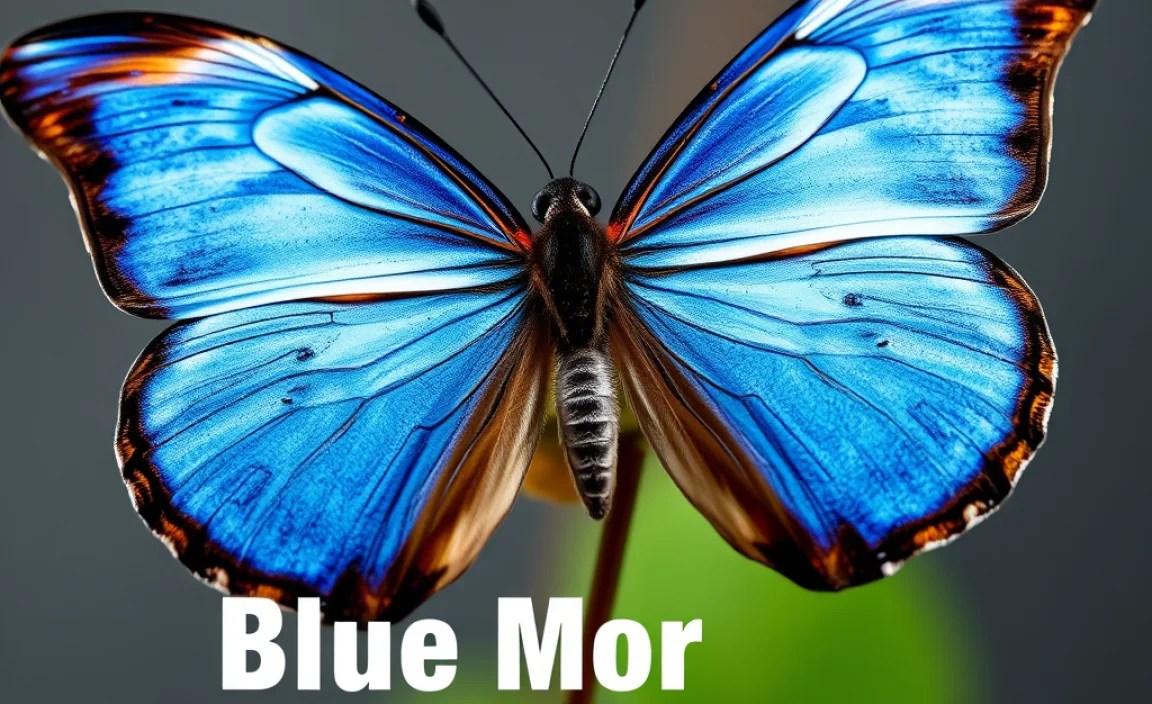
The wing patterns of the Blue Morpho are very important for their Blue Morpho camouflage strategies. The bright blue color is not just for show. It also plays a role in confusing predators. When the butterfly flies, the blue color flashes. This makes it hard for predators to track its movement. The brown underside of the wings has patterns that look like dead leaves. These patterns help the butterfly blend in when it is resting. The patterns include lines, spots, and different shades of brown. All of these help it to look like a leaf. The wing patterns work together to create an effective camouflage. It’s like a complex puzzle. Each piece plays a role in hiding the butterfly. The patterns are not random. They have evolved over time to maximize camouflage. This is a great example of natural selection.
- Wing patterns confuse predators.
- Patterns mimic dead leaves.
- Lines and spots add to the disguise.
- Different shades of brown help.
- Patterns evolved over time.
- Each pattern is very important.
The wing patterns also help the Blue Morpho communicate. The bright blue color is used to attract mates. Males use their bright wings to signal to females. The patterns on the underside of the wings may also play a role in communication. Scientists are still studying this. The wing patterns are a complex and fascinating subject. They are important for both camouflage and communication. They are a key part of what makes the Blue Morpho so special. The butterflies use their wings for many important things. They need them to survive. They are truly amazing creatures. They are a great example of how nature works. The Blue Morpho camouflage strategies are very effective.
Fun Fact or Stat: The scales on a Blue Morpho’s wings reflect light, creating the iridescent blue color!
What Do Predators See?
What do predators see when they look at a Blue Morpho? It depends on whether the butterfly is flying or resting. When it is flying, the bright blue color is very visible. But the flashing of the wings makes it hard to track. Predators may see a quick flash of blue, then nothing. This can be very confusing. When the butterfly is resting, the brown underside of the wings is visible. This blends in with the leaves and branches. Predators may not even see the butterfly at all. They may just see a dead leaf. The Blue Morpho camouflage strategies work by tricking the predator’s eyes. They create confusion and disguise. This gives the butterfly a better chance of survival. The way predators see the butterfly is very important. It determines whether they will try to catch it.
How Do They Choose Resting Spots?
The Blue Morpho is very careful about where it rests. They choose spots that will help them blend in. They often rest on dead leaves or branches. These spots match the color and pattern of their wing undersides. They also prefer shady areas. This helps to reduce the visibility of their bright blue color. The butterfly will also choose spots that are protected from the wind. This helps them avoid being blown around. The choice of resting spot is a key part of their Blue Morpho camouflage strategies. They are very selective about where they rest. They want to make sure they are as hidden as possible. This helps them stay safe from predators. It is a very important part of their survival.
Are There Different Camouflage Types?
Yes, there are different types of camouflage. Some animals use camouflage to blend in with their environment. This is called crypsis. Other animals use camouflage to break up their outline. This is called disruptive coloration. The Blue Morpho uses both of these techniques. The brown underside of their wings helps them blend in. The flashing of their blue wings disrupts their outline. This makes it harder for predators to track them. Some animals also use camouflage to mimic other objects. This is called mimicry. Stick insects mimic twigs. Leaf insects mimic leaves. The Blue Morpho camouflage strategies are a combination of different techniques. This makes them very effective. Different types of camouflage help different animals survive.
The Role of Iridescence in Camouflage

Iridescence is a key part of the Blue Morpho’s appearance. Iridescence is when a surface appears to change color depending on the angle you view it from. The Blue Morpho‘s wings have tiny structures that reflect light. These structures cause the iridescent blue color. This iridescence plays a role in their Blue Morpho camouflage strategies. The changing colors can confuse predators. It makes it harder to track the butterfly’s movement. The iridescence also makes the butterfly more visible to potential mates. This is important for reproduction. The iridescent blue color is not just for show. It has a practical purpose. It helps the butterfly survive and reproduce. It is a beautiful and functional adaptation. The butterflies are truly amazing.
- Iridescence changes color with the angle.
- Tiny structures reflect light.
- Iridescence confuses predators.
- It helps attract mates.
- It is a beautiful adaptation.
The iridescence of the Blue Morpho‘s wings is created by tiny scales. These scales are arranged in a complex pattern. The pattern causes light to interfere with itself. This creates the iridescent color. The structure of the scales is very precise. Even a small change can affect the color. Scientists are studying these scales to learn more about iridescence. They hope to use this knowledge to create new materials. These materials could have many applications. They could be used in clothing, paints, and other products. The Blue Morpho camouflage strategies are inspiring new technologies. The butterflies are not just beautiful. They are also a source of inspiration. They are a valuable part of our natural world.
Fun Fact or Stat: The Blue Morpho’s iridescent wings do not contain blue pigment; the color is due to light refraction!
How Does Iridescence Confuse Predators?
The iridescence of the Blue Morpho‘s wings confuses predators in several ways. First, the changing colors make it hard to track the butterfly’s movement. The predator may see a flash of blue, then a different color. This can be disorienting. Second, the iridescence can make the butterfly appear to disappear. The changing colors can blend in with the background. This makes it hard for the predator to see the butterfly at all. Third, the iridescence can create a false sense of movement. The predator may think the butterfly is moving in one direction when it is actually moving in another. All of these factors make it harder for predators to catch the Blue Morpho. The Blue Morpho camouflage strategies are very effective.
Can Humans See Iridescence?
Yes, humans can see iridescence. We see it in many different places. We see it in soap bubbles, oil slicks, and some gemstones. We also see it in the wings of some insects, like the Blue Morpho. Iridescence is a result of how light interacts with certain surfaces. The surface must have a complex structure. This structure causes light to interfere with itself. This creates the iridescent color. Humans are fascinated by iridescence. We find it beautiful and intriguing. The Blue Morpho‘s iridescent wings are a prime example. They are a source of wonder and amazement. The Blue Morpho camouflage strategies depend on this iridescence.
What Is the Purpose of Iridescence?
The purpose of iridescence varies depending on the animal. In some animals, it is used for camouflage. In others, it is used for communication. In still others, it is used for both. The Blue Morpho uses iridescence for both camouflage and communication. The changing colors confuse predators. The bright blue color attracts mates. Iridescence is a versatile adaptation. It can serve many different purposes. It is a testament to the power of evolution. Animals have evolved many different ways to use iridescence. Each way is adapted to their specific environment. The Blue Morpho camouflage strategies are a great example of this.
Flying Patterns and Predator Confusion
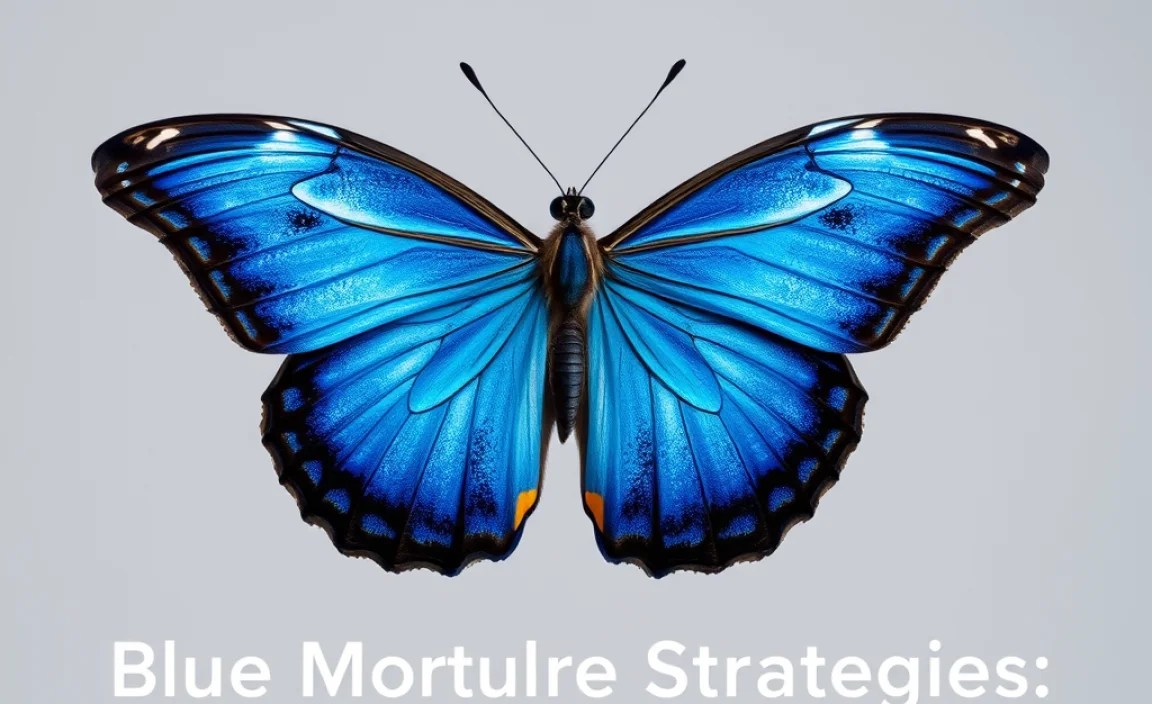
The way the Blue Morpho flies also helps them avoid predators. Their flight is erratic and unpredictable. They don’t fly in a straight line. They dart around, changing direction frequently. This makes it hard for predators to track them. The flashing of their bright blue wings adds to the confusion. The predator may see a flash of blue, then nothing. This makes it hard to predict where the butterfly will go next. The Blue Morpho camouflage strategies include their flight patterns. Their flight is not just random. It is a deliberate strategy to confuse predators. They are masters of evasion. They know how to use their flight to their advantage. They are truly amazing creatures.
- Flight is erratic and unpredictable.
- They dart around quickly.
- They change direction often.
- Flashing wings add to confusion.
- Predators can’t track them easily.
Blue Morphos often fly in groups. This can also confuse predators. When there are many butterflies flying around, it is hard to focus on just one. The predator may get distracted by the other butterflies. This gives the individual butterfly a better chance of escape. Flying in groups is a common strategy for many animals. It helps them avoid predators. It also helps them find food. The Blue Morpho camouflage strategies include their social behavior. They are not just solitary creatures. They often interact with each other. This helps them survive in a dangerous world. They are a great example of how animals can cooperate to achieve a common goal.
Fun Fact or Stat: Blue Morphos fly high in the canopy, making them harder for ground predators to reach!
How High Do They Fly?
Blue Morphos typically fly high in the rainforest canopy. This is the upper layer of the forest. It is where the tallest trees grow. Flying high has several advantages. It keeps them away from ground-based predators. It also allows them to see further. They can spot food and potential mates from a distance. The Blue Morpho camouflage strategies are effective at all levels of the forest. But flying high gives them an extra advantage. They are less likely to be seen by predators. They are also more likely to find what they need to survive. The height at which they fly is a key part of their survival strategy.
Do They Migrate?
Blue Morphos do not typically migrate long distances. They stay within their rainforest habitat. However, they may move around within the rainforest. They may follow food sources or seek out mates. Their movements are influenced by the seasons. They may move to different areas during the wet or dry season. The Blue Morpho camouflage strategies are effective in all parts of their habitat. They are able to adapt to different conditions. They are a resilient and adaptable species. They are able to thrive in a challenging environment. They are truly remarkable creatures.
How Fast Can They Fly?
Blue Morphos are not particularly fast fliers. They are more known for their erratic flight patterns. Their speed is not as important as their agility. They can change direction quickly and easily. This makes it hard for predators to catch them. The Blue Morpho camouflage strategies rely on agility rather than speed. They are able to outmaneuver their predators. They are masters of evasion. They are able to escape from danger by being quick and agile. Their flight is a key part of their survival strategy. They are able to thrive in a dangerous world by being nimble and adaptable.
Habitat Choices and Shadow Use
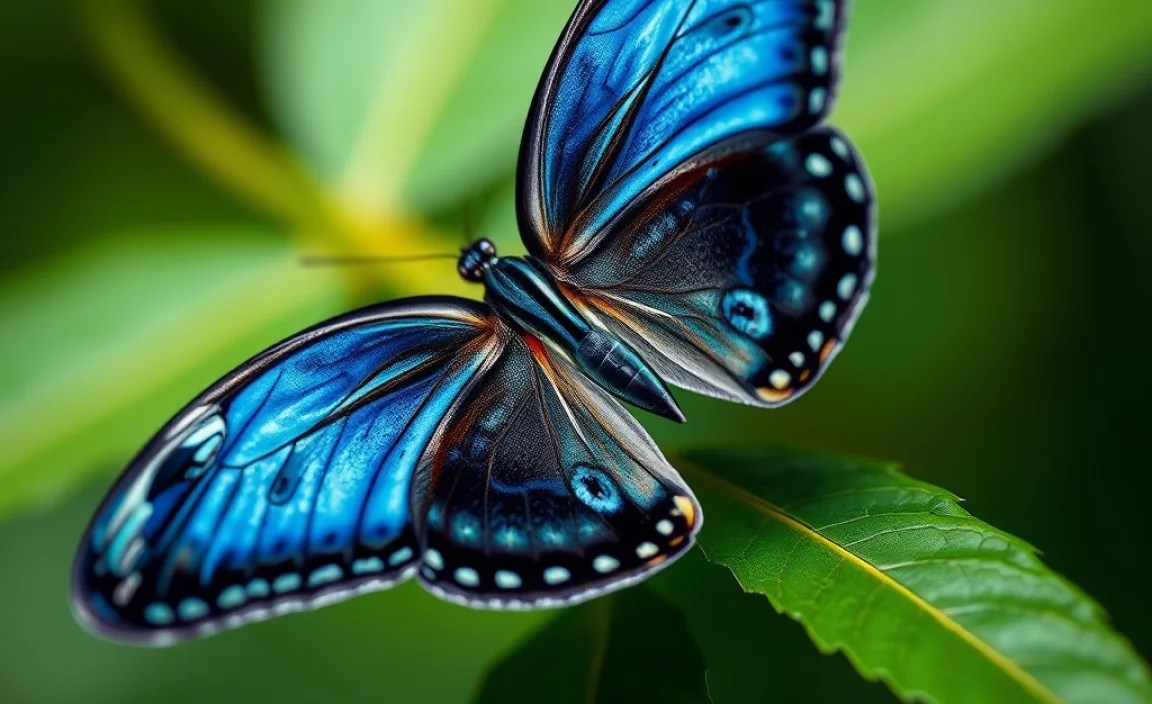
Where the Blue Morpho lives is very important for their Blue Morpho camouflage strategies. They live in the rainforest. They prefer areas with lots of trees and shade. The shade helps them hide from predators. The trees provide them with food and shelter. They are very selective about where they live. They need a specific type of habitat to survive. They are not able to live in just any environment. The rainforest is their home. It provides them with everything they need. They are perfectly adapted to this environment. They are a key part of the rainforest ecosystem. They play an important role in the food chain. They are truly amazing creatures.
- They live in the rainforest.
- They prefer shady areas.
- Trees provide food and shelter.
- They need a specific habitat.
- They are adapted to the rainforest.
- They are a key part of the ecosystem.
The Blue Morpho also uses shadows to their advantage. They often fly in areas with dappled sunlight. This creates a constantly changing pattern of light and shadow. This makes it even harder for predators to track them. The shadows break up their outline. This makes them blend in with the background. The Blue Morpho camouflage strategies include their use of shadows. They are masters of light and shadow. They know how to use their environment to their advantage. They are very smart creatures. They are able to survive in a dangerous world by being clever and adaptable. They are a great example of how animals can use their environment to stay safe.
Fun Fact or Stat: Blue Morphos are more active during the early morning and late afternoon when the light is softer!
Why Do They Prefer Shade?
Blue Morphos prefer shade because it helps them hide from predators. The bright blue color of their wings is more visible in sunlight. In the shade, the blue color is less intense. This makes them harder to see. The shade also provides a cooler environment. This is important for their survival. They are sensitive to heat. They need to stay cool to avoid overheating. The Blue Morpho camouflage strategies include their preference for shade. They are able to survive in a challenging environment by being adaptable and resourceful. They are truly amazing creatures.
How Do They Find Food?
Blue Morphos find food by using their sense of smell and sight. They feed on the sap of trees, rotting fruit, and fungi. They can smell these food sources from a distance. They also use their sight to locate them. They have good eyesight. They can see colors and patterns that humans cannot. The Blue Morpho camouflage strategies do not directly help them find food. But they do help them survive long enough to find it. They are able to stay safe from predators while they are searching for food. This is important for their survival. They are able to thrive in a dangerous world by being clever and adaptable.
What Other Animals Use Shadows?
Many other animals use shadows to their advantage. Lions use shadows to stalk their prey. Deer use shadows to hide from predators. Birds use shadows to find shelter from the sun. Shadows are a valuable resource for many animals. They provide protection from predators and the elements. The Blue Morpho camouflage strategies are just one example of how animals use shadows to survive. They are able to thrive in a challenging environment by being adaptable and resourceful. They are truly amazing creatures. They are a great example of how animals can use their environment to stay safe.
Comparing Camouflage Techniques of Butterflies
Many butterflies use camouflage to avoid predators. But they use different techniques. Some butterflies, like the Monarch, use bright colors to warn predators that they are poisonous. This is called aposematism. Other butterflies, like the Viceroy, mimic the appearance of poisonous butterflies. This is called Batesian mimicry. The Blue Morpho uses a different approach. They use a combination of camouflage and distraction. The brown underside of their wings helps them blend in with the background. The flashing of their bright blue wings distracts predators. The Blue Morpho camouflage strategies are unique and effective. They are able to survive in a dangerous world by being clever and adaptable. They are truly amazing creatures. There are many different kinds of butterflies.
| Butterfly | Camouflage Technique | Description |
|---|---|---|
| Blue Morpho | Disruptive Coloration & Crypsis | Bright blue flashes distract; brown undersides blend. |
| Monarch | Aposematism | Bright colors warn of toxicity. |
| Viceroy | Batesian Mimicry | Mimics the Monarch’s appearance. |
| Leafwing | Crypsis | Resembles dead leaves to blend in. |
| Swallowtail | Crypsis & Mimicry | Some mimic toxic species; others blend with leaves. |
The different camouflage techniques used by butterflies are a result of evolution. Over time, butterflies have adapted to their environment. They have developed techniques that help them survive. The Blue Morpho camouflage strategies are a great example of this. They have evolved to use a combination of camouflage and distraction. This helps them avoid predators. Other butterflies have evolved different techniques. Some have become poisonous. Others have learned to mimic poisonous butterflies. Each technique is adapted to the specific environment and predators that the butterfly faces. The diversity of camouflage techniques is a testament to the power of evolution. It shows how animals can adapt to survive in a changing world.
Fun Fact or Stat: Some butterflies have eyespots on their wings to startle or distract predators!
What Is Aposematism?
Aposematism is a defense mechanism used by some animals. It involves using bright colors to warn predators that they are poisonous or dangerous. The Monarch butterfly is a good example. It has bright orange and black wings. These colors warn predators that it is toxic. Predators that eat Monarch butterflies get sick. They learn to avoid them in the future. Aposematism is an effective way to avoid predators. But it only works if the animal is actually poisonous or dangerous. Otherwise, predators will learn that the bright colors are a bluff. The Blue Morpho camouflage strategies are different from aposematism. They rely on camouflage and distraction, rather than warning predators.
What Is Batesian Mimicry?
Batesian mimicry is a form of mimicry where a harmless animal evolves to resemble a dangerous or poisonous one. The Viceroy butterfly is a good example. It looks very similar to the Monarch butterfly. But it is not poisonous. Predators that have learned to avoid Monarch butterflies will also avoid Viceroy butterflies. This gives the Viceroy butterfly protection from predators. Batesian mimicry is an effective way to avoid predators. But it only works if the model (the poisonous animal) is more common than the mimic (the harmless animal). Otherwise, predators will learn that the mimic is not dangerous. The Blue Morpho camouflage strategies are different from Batesian mimicry. They rely on camouflage and distraction, rather than mimicry.
Why Don’t All Butterflies Use Camouflage?
Not all butterflies use camouflage because there are other ways to avoid predators. Some butterflies use aposematism. Others use Batesian mimicry. Still others rely on speed and agility to escape from predators. The best strategy depends on the specific environment and predators that the butterfly faces. Camouflage is not always the best option. It can be difficult to hide from predators in some environments. It can also make it harder to find food and mates. The Blue Morpho camouflage strategies are effective for them. But they may not be effective for other butterflies. Each butterfly has evolved the strategy that works best for it.
The Future of Blue Morpho Survival
The future of the Blue Morpho is uncertain. Their habitat is threatened by deforestation and climate change. Deforestation is the clearing of forests for other uses. This destroys the Blue Morpho’s habitat. Climate change is causing changes in temperature and rainfall patterns. This can also affect their habitat and food sources. The Blue Morpho camouflage strategies may not be enough to protect them from these threats. They need our help to survive. We need to protect their habitat and reduce climate change. We can do this by supporting sustainable forestry practices and reducing our carbon footprint. We can all make a difference. We can help ensure that the Blue Morpho continues to thrive for many years to come.
- Deforestation threatens their habitat.
- Climate change affects their food sources.
- Blue Morpho camouflage strategies may not be enough.
- They need our help to survive.
- We must protect their habitat.
- We must reduce climate change.
There are many things we can do to help the Blue Morpho. We can support organizations that are working to protect rainforests. We can reduce our consumption of products that contribute to deforestation. We can also educate others about the importance of protecting biodiversity. Every little bit helps. Together, we can make a difference. We can help ensure that the Blue Morpho continues to inspire and amaze us for generations to come. The Blue Morpho camouflage strategies are a reminder of the beauty and complexity of nature. We must do our part to protect it. The future of the Blue Morpho depends on us.
Fun Fact or Stat: Conservation efforts, like reforestation, can help restore the Blue Morpho’s habitat!
How Can We Protect Their Habitat?
We can protect the Blue Morpho’s habitat by supporting sustainable forestry practices. This means managing forests in a way that protects biodiversity and prevents deforestation. We can also support organizations that are working to protect rainforests. These organizations often purchase land and create protected areas. We can also reduce our consumption of products that contribute to deforestation. This includes products like palm oil and beef. By making informed choices, we can help protect the Blue Morpho’s habitat. We can also support government policies that promote sustainable forestry. The Blue Morpho camouflage strategies are only effective if they have a habitat to live in.
What Is Sustainable Forestry?
Sustainable forestry is the practice of managing forests in a way that meets the needs of the present without compromising the ability of future generations to meet their own needs. This means protecting biodiversity, preventing deforestation, and ensuring that forests continue to provide valuable resources. Sustainable forestry practices include selective logging, reforestation, and the use of environmentally friendly logging techniques. Sustainable forestry is essential for protecting the Blue Morpho’s habitat and ensuring the long-term health of our planet. The Blue Morpho camouflage strategies are more effective in a healthy, diverse forest.
How Does Climate Change Affect Them?
Climate change affects the Blue Morpho in several ways. Changes in temperature and rainfall patterns can affect their habitat and food sources. Extreme weather events, such as droughts and floods, can also damage their habitat. Climate change can also alter the timing of their life cycle. This can make it harder for them to find food and mates. Reducing our carbon footprint is essential for protecting the Blue Morpho from the effects of climate change. We can do this by using less energy, driving less, and supporting renewable energy sources. The Blue Morpho camouflage strategies may not be enough to protect them from the long-term effects of climate change.
Summary
The Blue Morpho butterfly is a fascinating creature. It is known for its bright blue wings. But its Blue Morpho camouflage strategies are just as amazing. The butterfly uses a combination of techniques to avoid predators. The brown underside of its wings helps it blend in with the background. The flashing of its bright blue wings distracts predators. Its erratic flight patterns also make it hard to track. It lives in shady areas to reduce its visibility. These Blue Morpho camouflage strategies help it survive in a dangerous world. The butterfly is a testament to the power of evolution. It has adapted to its environment in remarkable ways.
The Blue Morpho faces many threats, including deforestation and climate change. We must protect its habitat and reduce our carbon footprint. We can all make a difference. We can help ensure that the Blue Morpho continues to thrive for many years to come. Its beauty and its Blue Morpho camouflage strategies are a reminder of the importance of protecting biodiversity. The butterfly is a valuable part of our natural world. We must do our part to protect it.
Conclusion
The Blue Morpho butterfly is a master of disguise. Its Blue Morpho camouflage strategies are complex and effective. It uses a combination of color, pattern, and behavior to avoid predators. Its bright blue wings are not just for show. They also play a role in confusing predators. Its brown undersides help it blend in with the background. Its erratic flight patterns make it hard to track. All of these factors contribute to its survival. The Blue Morpho is a reminder of the beauty and complexity of nature. We must do our part to protect it. We must protect its habitat and reduce our impact on the environment. The future of the Blue Morpho depends on us.
Frequently Asked Questions
Question No 1: What is the most important part of the Blue Morpho’s camouflage?
Answer: The most important part of the Blue Morpho’s camouflage is the underside of its wings. These are brown and look like dead leaves. When the butterfly is resting, it folds its wings. This hides the bright blue color. It shows only the brown underside. This helps it blend in with its surroundings. Predators are less likely to see it. This is a very effective way to stay safe. The Blue Morpho camouflage strategies rely heavily on this adaptation. It is a key part of their survival in the rainforest. Without it, they would be much more vulnerable to predators. Their camouflage is quite remarkable.
Question No 2: How does the Blue Morpho’s bright blue color help with camouflage?
Answer: The bright blue color of the Blue Morpho’s wings might seem like it would make them easier to spot. However, the flashing of the blue wings can actually confuse predators. When the butterfly flies, the blue color appears and disappears. This makes it hard for predators to track its movement. The sudden flash of blue can disorient them. By the time they recover, the butterfly is gone. This is a key part of the Blue Morpho camouflage strategies. It is a clever way to use their bright color to their advantage. The element of surprise is very effective. Their wings function as camouflage.
Question No 3: What kind of predators do Blue Morphos have?
Answer: Blue Morphos have several predators. These include birds, lizards, and some types of insects. These predators are always looking for a meal. The Blue Morpho is a tasty treat for them. That’s why they need to be so careful. Their Blue Morpho camouflage strategies help them avoid being eaten. Without their camouflage, they would be easy targets. The rainforest is a dangerous place. Only the smartest and most adaptable animals can survive. The Blue Morpho is one of those animals. They have learned how to stay safe from predators. They are truly amazing creatures. They can be hard to find.
Question No 4: Do all Blue Morphos have the same camouflage?
Answer: Yes, all Blue Morphos have the same basic camouflage. They all have bright blue wings on top. They all have brown undersides that look like dead leaves. However, there may be some slight differences in the patterns and shades of brown. These differences may help them blend in with different types of leaves. The Blue Morpho camouflage strategies are consistent across the species. This is because they all face the same types of predators. They all need to blend in with the same types of environment. Consistency helps with their camouflage. Most look the same.
Question No 5: How do baby Blue Morphos (caterpillars) protect themselves?
Answer: Baby Blue Morphos, or caterpillars, also have camouflage. They are brown and have hairs on their bodies. This helps them blend in with the leaves and branches. They also have a special defense mechanism. They can release a smelly liquid when they are threatened. This can deter predators. The Blue Morpho camouflage strategies start early in life. Even as caterpillars, they need to protect themselves. They are vulnerable at this stage. Their camouflage and defense mechanisms help them survive. They have different camouflage than butterflies.
Question No 6: Can Blue Morphos change their camouflage?
Answer: No, Blue Morphos cannot change their camouflage. They are born with their camouflage. They cannot change the color or pattern of their wings. However, they can change their behavior. They can choose to rest in shady areas. They can choose to fly in erratic patterns. They can use their environment to their advantage. The Blue Morpho camouflage strategies rely on both their physical appearance and their behavior. They use both to stay safe. They adapt to their surroundings. They are very resourceful insects. Their camouflage is permanent.


